Source Breathable Baseball Cap Helmet Liner for Sports, Work, and Daily Use
Find and compare 30 listings for a Breathable Baseball Cap Helmet Liner designed for spring and autumn wear. These unisex polyester/cotton caps feature lightweight construction, adjustable sizing, and customizable logos for various applications.
Key considerations
Products List


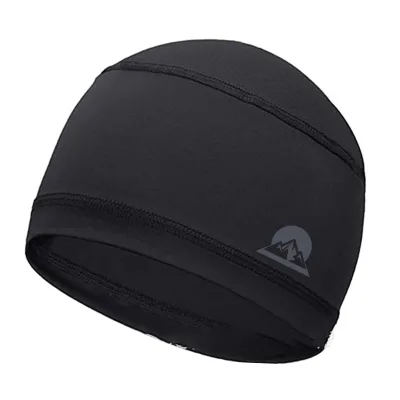


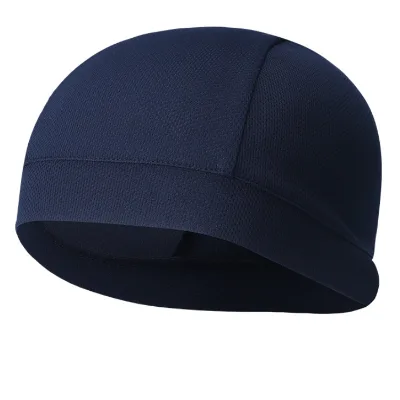

EVA Pads Lightweight Baseball Breathable Hat Hard Safety Helmet Bump Cap
$0.70 - $2.30
MOQ: 1500 Pieces
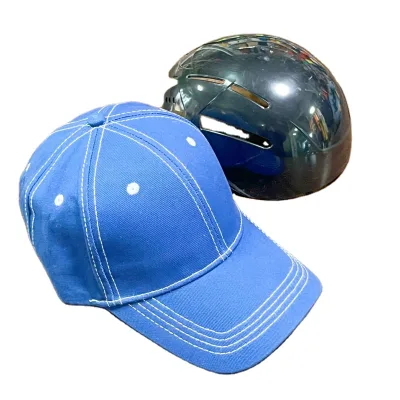

Breathable Protective Hard Hat Custom Plain Safety Helmet Bump Baseball Cap
$1.20 - $3.20
MOQ: 500 Pieces




Comprehensive Sourcing Guide
Breathable Baseball Cap Helmet Liner Sourcing Guide
Sourcing breathable baseball cap helmet liners requires a nuanced understanding of the intersection between casual headwear and industrial safety equipment. These products are designed to be worn underneath hard hats or climbing helmets, providing comfort, sweat absorption, and a secure fit without compromising the protective integrity of the outer shell. Buyers must distinguish between standard fashion baseball caps and specialized liners that meet specific occupational health and safety standards. The core challenge lies in verifying that the "baseball cap" aesthetic does not overshadow the functional requirements of ventilation, fire resistance, and impact absorption necessary for industrial or sports environments.
The market for these liners is diverse, ranging from lightweight cotton-polyester blends for general construction sites to specialized ABS-based or high-tech synthetic liners for high-risk environments like petroleum or electrical industries. Procurement teams must carefully evaluate the material composition, as the choice between natural fibers and synthetic polymers directly impacts breathability, durability, and compliance with safety certifications. Understanding the specific application environment—whether it is a hot construction site, a chemical plant, or a sports facility—is critical to selecting the right liner that balances user comfort with regulatory compliance.
Product Scope and Observed Listing Signals
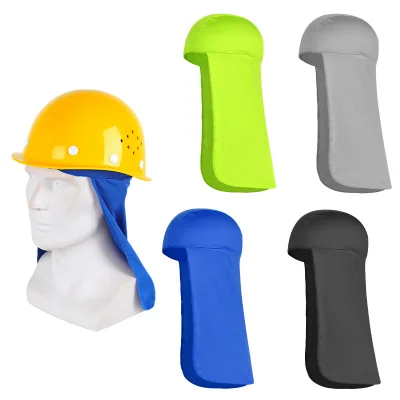
The current market landscape for breathable baseball cap helmet liners includes a variety of product types, primarily categorized by their material composition and intended use. Observed listings indicate a strong presence of polyester-cotton blend caps, which are marketed as lightweight and breathable, suitable for spring and autumn seasons. These products often feature plain dyed patterns and are available in colorful options, catering to unisex adult users. The typical size range for these caps is between 56-62cm, with a weight of approximately 0.17kg, suggesting a focus on comfort and minimal bulk under hard hats.
In addition to fabric-based liners, the scope extends to more robust solutions such as climbing helmets and sports helmets that may incorporate liner systems. These products are often made from ABS material and are designed for four-season use, with specific wear modes like knob or press types. Listings for these items highlight certifications such as CE and compliance with standards like EN397 and ANSI Z89.1 Type I Class C, indicating their suitability for high-risk industries including construction, metallurgy, and electric power. The presence of these certifications underscores the importance of verifying that the liner meets the specific safety requirements of the user's industry.
Technical Specifications to Verify
When evaluating technical specifications, buyers must prioritize the material composition and structural design of the liner. For fabric-based liners, the blend of polyester and cotton is a key factor, as it influences breathability, moisture-wicking capabilities, and durability. The presence of a brim and crown is standard, but the thickness and density of the fabric should be verified to ensure it does not interfere with the helmet's fit or ventilation system. Additionally, the size range, typically 56-62cm for fabric liners and 53-63cm for some helmet models, must be confirmed to ensure compatibility with the user's head size and the specific helmet model being used.
For ABS-based liners or integrated helmet systems, the type of wear mechanism, such as knob or press types, is crucial for ensuring a secure and adjustable fit. The weight of these products, ranging from 0.2kg to 0.3kg, should be considered in relation to the user's comfort during extended wear. Buyers should also verify the packing specifications, such as 1PC/Polybag for individual caps or 20PCS/CTN for bulk orders, to ensure efficient logistics and storage. The model numbers, such as YMBC-75 for fabric caps or halmet-hat for ABS liners, can serve as useful reference points for tracking product consistency and sourcing replacements.
Compliance and Safety Documentation
Compliance with safety standards is non-negotiable for helmet liners used in industrial or sports applications. Buyers must request and verify certification documents, such as CE marking, which indicates conformity with health, safety, and environmental protection standards for products sold within the European Economic Area. For products intended for the North American market, compliance with ANSI Z89.1 Type I Class C standards is essential, ensuring that the liner provides adequate protection against impact and penetration. These certifications should be issued by recognized testing laboratories and should be specific to the product model and material composition.
In addition to international standards, buyers should inquire about any local or industry-specific regulations that may apply to their operations. For example, in the petroleum and chemical industries, liners may need to meet additional requirements for flame resistance or static dissipation. Documentation should include test reports that verify the liner's performance under simulated conditions, such as impact absorption and ventilation efficiency. Buyers should also ensure that the supplier provides clear instructions for proper use and maintenance, as improper use can compromise the safety benefits of the liner.
Cost Drivers and Commercial Terms
The cost of breathable baseball cap helmet liners is influenced by several factors, including material quality, certification requirements, and order volume. Polyester-cotton blends are generally more cost-effective than ABS-based systems, but the latter may offer superior durability and safety features. Customization options, such as logo printing or specific color choices, can also impact the unit price, as they require additional production steps and setup costs. Buyers should negotiate pricing based on the expected order quantity, as larger volumes often result in lower per-unit costs due to economies of scale.
Commercial terms, including MOQ (Minimum Order Quantity) and lead times, are critical components of the procurement process. Observed MOQs range from 10 to 5000 pieces, depending on the product type and supplier capabilities. Buyers should clarify the lead time for production and delivery, especially for customized orders, to ensure that the products are available when needed. Payment terms, such as advance payment or letter of credit, should be agreed upon in advance to mitigate financial risk. Additionally, buyers should consider the total cost of ownership, including shipping, customs duties, and potential returns, when evaluating the overall value of the supplier.
Supplier Qualification and Quality Control
Supplier qualification is a vital step in ensuring the reliability and consistency of breathable baseball cap helmet liners. Buyers should verify the supplier's manufacturing capabilities, including their production capacity, quality control processes, and experience in producing safety-related headwear. Suppliers located in regions known for textile or plastic manufacturing, such as Zhejiang or Jinhua in China, may offer competitive pricing and efficient logistics. However, buyers should also assess the supplier's commitment to quality, including their use of standardized materials and adherence to safety certifications.
Quality control measures should be implemented throughout the production process, from raw material inspection to final product testing. Buyers should request samples for evaluation before placing large orders, checking for issues such as uneven stitching, weak seams, or inconsistent sizing. Random sampling during production and pre-shipment inspections can help identify and rectify defects early. Suppliers should also provide a clear warranty or return policy for defective products, ensuring that buyers are protected against quality issues. Building a long-term relationship with a qualified supplier can lead to better pricing, priority production, and improved product quality over time.
Long-Term Procurement Checks
Long-term procurement success depends on continuous monitoring of supplier performance and product quality. Buyers should establish key performance indicators (KPIs) to track metrics such as on-time delivery, defect rates, and customer satisfaction. Regular audits of the supplier's facilities and quality control processes can help identify areas for improvement and ensure ongoing compliance with safety standards. Feedback from end-users, such as construction workers or athletes, should be collected to assess the comfort and effectiveness of the liners in real-world conditions.
As technology and safety standards evolve, buyers should stay informed about new developments in helmet liner materials and designs. This may include innovations in breathable fabrics, improved impact absorption technologies, or new certification requirements. Maintaining open communication with suppliers can facilitate the adoption of these advancements, ensuring that the procurement strategy remains aligned with industry best practices. By proactively managing the procurement process, buyers can secure a reliable supply of high-quality breathable baseball cap helmet liners that meet the needs of their users and comply with regulatory requirements.
FAQs
What materials are used for the Breathable Baseball Cap Helmet Liner?
The product is constructed from a blend of polyester and cotton to ensure durability and comfort. This material composition supports the lightweight and breathable features required for spring and autumn wear while maintaining structural integrity.
Can buyers request a customized logo on the baseball cap helmet liner?
Yes, customization is available for this product including the acceptance of customized logos. Buyers can specify their branding needs as the product supports personalized options for the unisex adult market.
Which certifications apply to the Breathable Baseball Cap Helmet Liner?
The product holds CE certification as a documented standard for this item. While some related helmets carry additional safety standards, the primary listed certification for this specific liner is CE.
How is the Breathable Baseball Cap Helmet Liner packaged for shipment?
Individual units are packed in a single polybag for protection. Bulk shipments typically follow a carton configuration of twenty pieces per carton to optimize logistics and storage efficiency.
What is the minimum order quantity for the Breathable Baseball Cap Helmet Liner?
The minimum order quantity starts at twenty pieces for this specific product model. This MOQ allows buyers to test the market while securing the customized polyester and cotton blend caps.
Which size range fits the Breathable Baseball Cap Helmet Liner?
The product is available in a size range of 56 to 62 centimeters to accommodate most adult head sizes. Some variations may extend to 53-63 centimeters depending on the specific model configuration.
Where is the Breathable Baseball Cap Helmet Liner manufactured?
The product originates from China with specific manufacturing locations including Zhejiang and Jinhua. These regions are known for producing textile and safety gear components for the global market.