Source Breathable Portable Weight Vest for Gym, Travel, and Training
Find a Breathable Portable Weight Vest from 30 verified listings. Compare adjustable models made from polyester or nylon with steel shot, featuring custom logos and CE certification for commercial and household use; compare the available evidence and request quotations based on your requirements.
Key considerations
Products List


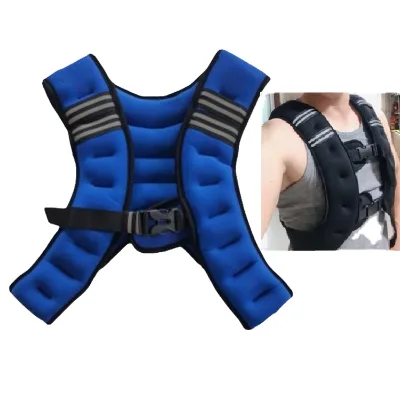


Weight Vest Backpack Fitness Durable Training Vest for Gym and Home Use
$17.90 - $27.90
MOQ: 50 Pieces


Versatile Adjustable Weight Vest for Maximum Strength Training Efficiency
$30.50 - $32.50
MOQ: 20 Pieces


Hot Selling Workout Fitness Training Adjustable Unisex Running Weight Vest
$7.67 - $8.49
MOQ: 100 Pieces


Adjustable Weighted Vest Workout Vest for Strength Training Running Walking
$27.45 - $27.55
MOQ: 100 Pieces


Comprehensive Sourcing Guide
Breathable Portable Weight Vest Sourcing Guide
Procurement teams must first distinguish between generic weighted vests and those explicitly engineered for breathability, as the supplied data indicates a mix of materials including polyester and nylon blends with steel shot. While some listings highlight "durable" features and specific dimensions like 38x30cm, buyers cannot assume all units offer the airflow necessary for high-intensity training without verifying the fabric weave and ventilation design. The observed product range includes models with adjustable weights ranging from 3kg to 10kg, suggesting that breathability often correlates with the specific weight distribution system and the choice of outer shell material.
Buyers should scrutinize the "Age Group" and "Gender" attributes to ensure the vest fits the intended demographic, as adult male-specific models may differ significantly in cut and ventilation compared to unisex or female-specific designs. The presence of customization options for logos and colors implies that manufacturers can alter the outer shell, which directly impacts airflow; therefore, requesting samples of the specific customized fabric is essential before committing to bulk orders. This verification step prevents the receipt of heavy, non-breathable units that fail to meet the performance expectations of active users in spring and autumn seasons.
Product Scope and Observed Listing Signals
The market signals for this category reveal a diverse inventory where "Weighted Vest" is the primary product name, yet specifications vary wildly from standard box packing to complex wooden case shipments. Some entries list a single item selling unit with a "Normal" thickness, while others specify "Medium Long" lengths, indicating that the physical profile of the vest is a critical differentiator for portability and comfort. Buyers must carefully map these observed attributes to their specific use cases, as a vest designed for muscle building may prioritize weight capacity over the lightweight, breathable construction required for endurance running.
Observations of "Selling Units" as single items alongside bulk packaging like 50 PCS/CTN suggest that suppliers cater to both direct-to-consumer retail and wholesale distribution channels. The variation in packing methods, ranging from simple polybags to PP bags with cartons, often reflects the fragility of the internal weight distribution system and the need for protection during transit. Procurement teams should note that the "Folded" attribute appears in some listings, which is a key indicator of portability, yet this feature must be validated against the material stiffness to ensure the vest remains comfortable when worn after being compressed.
Technical Specifications to Verify
Technical due diligence requires confirming the exact material composition, as the data lists both polyester and nylon blended with steel shot, which dictates the vest's thermal properties and durability. Buyers must verify if the "Normal" thickness specification aligns with the desired weight capacity, as thicker shells may trap heat and negate the benefits of a breathable design. The observed size ranges, including 36cm, 39cm, and S/M/L options, necessitate a precise fit check to ensure the weight is distributed evenly across the back without restricting movement or causing chafing during extended wear.
Verification of the weight system is paramount, given the observed options of 3kg, 5kg, 8kg, and 10kg, alongside an "Adjustable" weight attribute. Procurement teams must confirm whether the steel shot is securely encased to prevent shifting, which can alter the center of gravity and compromise safety during exercises like weightlifting or running. Additionally, the "Power Source" being listed as manual confirms the absence of electronic components, simplifying maintenance but requiring a robust mechanical design to ensure the adjustable weights remain stable and the vest retains its shape over repeated use.
Compliance and Safety Documentation
Safety compliance is a critical consideration, particularly when the product is intended for commercial gymnasium use or household application by adults. The observed certification data includes CE and RoHS marks, which indicate adherence to European safety and environmental standards, yet buyers must request valid test reports to confirm these certifications apply to the specific model and weight configuration being purchased. Relying solely on the presence of these labels without verifying the scope of the certification can lead to non-compliant shipments that fail to meet local regulatory requirements in the destination market.
Documentation regarding the "Condition" of the product as "New" and the "Application" in gymnasiums implies a need for rigorous quality assurance to prevent defects that could cause injury. Buyers should demand proof of material safety, specifically regarding the steel shot and the binding agents used in the nylon or polyester fabric, to ensure no toxic substances are released during use. Furthermore, verifying the "Customized" logo and color options against safety standards is essential, as certain dyes or printing methods might compromise the breathability or structural integrity of the vest if not applied correctly.
Cost Drivers and Commercial Terms
Cost structures in this category are heavily influenced by the complexity of the weight distribution system and the choice of breathable materials, which often command a premium over standard cotton or non-ventilated synthetics. The observed price range of 3.2 to 52 USD reflects significant variance based on features like adjustable weights, specific dimensions, and the inclusion of custom branding. Buyers must analyze whether the lower price points correspond to basic models with limited breathability or if they represent bulk pricing for standard configurations that may not meet high-performance requirements.
Commercial terms such as the "MOQ" of 20 PCS and the "Delivery Time" of around 30 days are standard but require careful negotiation to align with inventory needs. The "Fob Port" options of Nantong or Shanghai, along with the "Port" of Tianjin mentioned in other listings, indicate that logistics costs will vary based on the supplier's location and the chosen shipping route. Procurement teams should calculate the total landed cost, including freight and duties, as the "Packaging" methods ranging from simple cartons to wooden cases can significantly impact shipping volume and weight, thereby affecting the final unit cost.
Supplier Qualification and Quality Control
Supplier qualification should focus on their ability to deliver consistent quality across the "Customization" and "OEM" services they offer, as these capabilities often correlate with their manufacturing maturity. The presence of a "Sample Time" of 7-10 working days suggests a responsive production cycle, but buyers must verify the quality of these samples to ensure the breathable fabric and weight distribution meet the specified technical requirements. It is crucial to assess the supplier's track record in handling "Customized Logo" requests without compromising the structural integrity or thermal properties of the vest.
Quality control protocols must be established to monitor the "Material" consistency, specifically the blend of nylon and polyester and the secure encapsulation of the steel shot. Buyers should implement a pre-shipment inspection that checks for defects in the "Folded" state and ensures the "Thickness" remains uniform across the entire garment. Given the "Usage" in muscle building and weight loss, the vest must withstand repeated stress without tearing or losing its shape, making a rigorous inspection of the stitching and weight pockets essential before finalizing the order.
Long-Term Procurement Checks
Long-term procurement success depends on establishing a reliable supply chain that can maintain the "Breathable" and "Portable" characteristics of the vest over multiple production cycles. Buyers should conduct periodic audits to ensure that the "Material" composition remains consistent and that the "Adjustable" weight mechanisms continue to function smoothly without degradation. This ongoing verification is necessary to prevent the drift in quality that can occur when suppliers substitute materials to reduce costs, which could ultimately compromise the safety and comfort of the end-user.
Strategic planning must also account for the "Lead Time" and "Sample Time" fluctuations that can occur during peak seasons or supply chain disruptions. Maintaining a buffer stock of critical components or establishing relationships with multiple suppliers can mitigate the risk of delays, especially given the "Around 30 Days" delivery window observed in the data. Additionally, buyers should monitor customer feedback regarding the "Season" suitability, ensuring the vest performs well in both spring and autumn conditions, and adjust specifications as needed to meet evolving market demands for comfort and durability.
FAQs
What materials are used for breathable portable weight vests?
The vests are constructed from durable polyester and nylon materials. Some models incorporate steel shot for precise weight distribution. These materials ensure the vests remain lightweight yet sturdy. The design supports regular use in gymnasium settings. Buyers can select from black or blue color options. Customized colors are also available for specific branding needs.
Can I customize the logo on the weight vest?
Yes, customized logos are available for these weight vests. Buyers can request OEM branding to match their corporate identity. The customization service allows for unique visual elements on the product. This feature is ideal for commercial buyers seeking brand visibility. The process supports various design requirements for professional use.
What is the typical lead time for production?
The standard delivery time is around 30 days for production. This timeline applies to bulk orders meeting the minimum requirements. Buyers should plan their procurement schedules accordingly to avoid delays. Sample times are shorter, typically taking 7-10 working days. This ensures quality checks before full-scale manufacturing begins.
What certifications do these weight vests hold?
The products hold CE and RoHS certifications for compliance. These standards ensure the vests meet safety and environmental regulations. Buyers can rely on these certifications for international shipping. The certifications verify the materials and manufacturing processes used. This provides assurance for commercial and household applications globally.
What are the available weight options for these vests?
The vests come in adjustable weights of 3kg, 5kg, 8kg, and 10kg. This range supports various muscle building and weight loss goals. Buyers can choose the specific weight that fits their needs. The adjustable design allows for progressive training intensity. This flexibility makes the vests suitable for diverse fitness routines.
How are the weight vests packaged for shipping?
Packaging options include polybags, cartons, and wooden cases. Some models use 50 pieces per carton for efficiency. Others are packed individually in boxes or PP bags. The packaging ensures protection during transit from China. Buyers can select the method that best suits their logistics.