Source Breathable Polyester Cotton Girls Dress for Beach Wear, Daily Outfits, and Leisure Activities
Browse a curated range of Breathable Polyester Cotton Girls Dress options, including printed jumper skirts and A-line styles in 100% cotton and cotton-polyester blends. Compare sizes, colors, packaging, MOQ, and prices across 30 listings to match your sourcing needs.
Key considerations
Products List


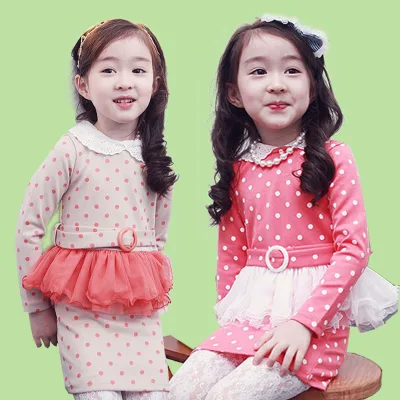


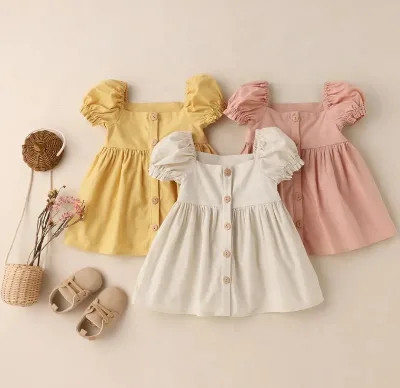
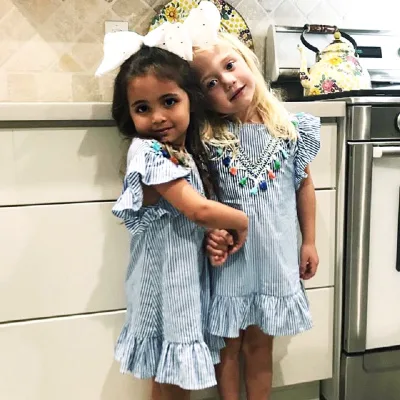

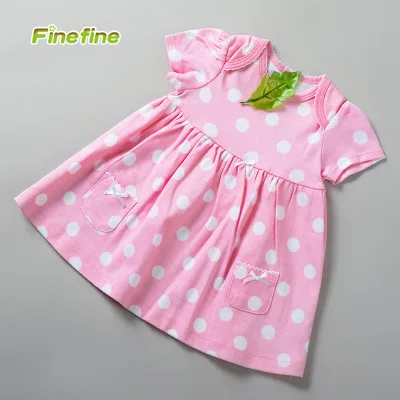
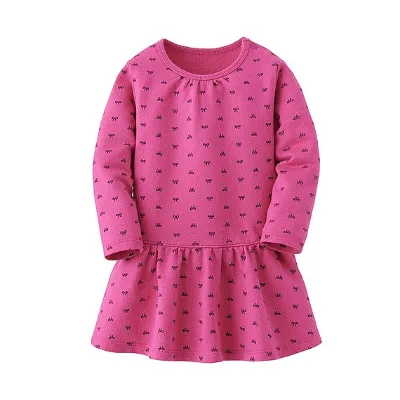
Latest Fashion Kid Clothes Cotton Knitted Dot Design Little Girl Dress
$2.56 - $4.09
MOQ: 1000 Minimum


Comprehensive Sourcing Guide
Breathable Polyester Cotton Girls Dress Sourcing Guide
Sourcing children’s apparel requires a careful balance between aesthetic appeal, functional comfort, and rigorous safety compliance. When targeting the specific niche of breathable polyester cotton girls' dresses, buyers must navigate a market where material blends are often marketed for their dual benefits of durability and softness. The term "breathable" in this context typically refers to fabrics that allow air circulation, reducing heat retention during active play or warm weather conditions. This guide provides a structured approach to evaluating suppliers, verifying material claims, and ensuring that the final product meets both regulatory standards and end-user expectations for comfort and fit.
The procurement process for this category is heavily influenced by the specific construction of the fabric and the intended use case. While the core keyword suggests a blend, actual market listings often reveal a wide variance in composition, ranging from pure cotton to complex synthetic blends. Buyers must therefore establish clear technical specifications before engaging with suppliers to avoid misalignment between expectations and delivered goods. This guide outlines the critical verification steps, from material analysis to commercial terms, ensuring that procurement teams can make informed decisions that mitigate risk and optimize value.
Product Scope and Observed Listing Signals
The current market landscape for girls' dresses reveals a diverse range of styles, materials, and target demographics. Observed listings indicate a strong presence of casual and leisure-oriented designs, including jumper skirts, A-line skirts, and t-shirts, which cater to various occasions such as beach outings, daily wear, and general leisure activities. These products are frequently marketed towards specific age groups, with notable segments targeting children aged 2-6 years and 7-10 years. The variety in styles, from sleeveless and short-sleeve options to medium-length garments, suggests that buyers have access to a broad inventory that can be tailored to seasonal demands and regional climate preferences.
Material composition and construction techniques are key differentiators in this segment. While the core keyword emphasizes polyester cotton blends, observed data highlights a significant presence of 100% cotton products, as well as items utilizing yarn-dyed, printed, woven, and knitted techniques. Attributes such as "colourful" patterns, "plant" motifs, and "free size" or specific sizing options like "S" are common features. Additionally, specific product models and standards, such as weight specifications around 0.16-0.17KG per piece, provide tangible metrics for evaluating product quality and consistency. Buyers should note that while "breathable" is a desired attribute, it is often associated with specific fabric structures like knitted or woven cotton rather than synthetic-heavy blends, necessitating careful verification of material claims.
Technical Specifications to Verify
Verifying the actual material composition is the most critical technical step in sourcing breathable dresses. Buyers must request detailed fabric breakdowns to confirm the percentage of polyester versus cotton, as well as the presence of any other fibers such as spandex for stretch. The "breathable" claim is heavily dependent on the weave or knit structure; for instance, knitted fabrics often offer better airflow and flexibility compared to tightly woven materials. Suppliers should provide fabric weight (GSM) and thread count data, as these metrics directly influence the garment's durability, drape, and ventilation properties. It is essential to distinguish between marketing terms and physical properties, ensuring that the fabric meets the functional requirements for the intended season, particularly for summer wear.
Fit and sizing specifications require precise attention to detail to minimize return rates and ensure customer satisfaction. Observed listings show a mix of sizing approaches, including "Free Size," specific sizes like "S," and age-based ranges such as 2-6 years or 7-10 years. Buyers should verify the measurement charts provided by suppliers, paying close attention to key dimensions such as chest circumference, waist measurement, and length. Attributes like "mid-waisted" or "high-waisted" designs impact the fit and comfort for growing children. Additionally, features such as collar styles (crew neck, round neck) and sleeve lengths (sleeveless, short sleeve) must align with the design intent. Confirming these specifications against standard sizing charts for the target demographic is crucial for maintaining consistency across orders.
Compliance and Safety Documentation
Children’s apparel is subject to stringent safety regulations that vary by destination market. Buyers must ensure that suppliers can provide relevant compliance documentation, such as OEKO-TEX certification, which verifies that the textiles are free from harmful substances. While GOTS (Global Organic Textile Standard) is mentioned in background contexts, its applicability depends on whether the cotton used is organically grown. For polyester cotton blends, it is important to verify that the synthetic components do not contain hazardous chemicals and that the dyeing processes comply with environmental and safety standards. Documentation should cover not only the fabric but also any accessories, such as buttons or zippers, which must meet flammability and toxicity standards.
Labeling and care instructions are also critical components of compliance. Products must be accurately labeled with fiber content, country of origin, and care instructions to inform consumers and meet regulatory requirements. Buyers should verify that the supplier’s labeling practices align with the standards of the target market, including language requirements and warning labels for small parts. Additionally, testing for colorfastness is essential to ensure that the "colourful" prints and yarn-dyed fabrics do not bleed during washing, which could pose a safety risk or lead to customer dissatisfaction. Ensuring that all compliance documentation is up-to-date and verifiable is a non-negotiable aspect of the procurement process.
Cost Drivers and Commercial Terms
The cost of girls' dresses is influenced by several factors, including material composition, production volume, and customization requirements. Observed price ranges in the market vary significantly, reflecting differences in quality, design complexity, and supplier location. Buyers should analyze the cost structure to understand how material choices, such as the ratio of cotton to polyester, impact the final price. Customization options, such as specific patterns, packaging, or branding, can also add to the cost. It is important to request detailed quotations that break down these components, allowing for accurate budgeting and comparison between suppliers.
Minimum Order Quantities (MOQs) and payment terms are key commercial considerations that affect cash flow and inventory management. Observed MOQs range from low quantities suitable for testing to larger volumes for bulk production. Buyers should negotiate MOQs that align with their sales forecasts and storage capabilities. Payment terms, such as deposits and balance payments, should be structured to mitigate risk while maintaining a positive supplier relationship. Additionally, lead times for production and shipping must be clearly defined to ensure timely delivery, especially for seasonal items. Understanding these commercial terms helps buyers plan their procurement cycles effectively and avoid disruptions in supply.
Supplier Qualification and Quality Control
Selecting a reliable supplier involves a thorough evaluation of their capabilities, reputation, and quality control processes. Buyers should verify the supplier’s production capacity, technical expertise, and experience in manufacturing children’s apparel. Requesting samples is a crucial step to assess the quality of materials, stitching, and finishing. Suppliers should be able to provide references or case studies that demonstrate their ability to meet specific requirements, such as custom designs or compliance standards. Additionally, evaluating their communication responsiveness and transparency is important for building a strong partnership.
Quality control measures must be implemented throughout the production process to ensure consistency and adherence to specifications. Buyers should establish clear quality standards and inspection protocols, including pre-production, during-production, and pre-shipment inspections. These inspections should cover aspects such as fabric quality, dimensional accuracy, color consistency, and overall workmanship. Suppliers should have robust internal quality control systems in place, with trained personnel responsible for monitoring each stage of production. Regular audits and feedback loops can help identify and address issues early, reducing the risk of defects and ensuring that the final product meets the buyer’s expectations.
Long-Term Procurement Checks
Building a sustainable supply chain requires ongoing monitoring and relationship management. Buyers should regularly review supplier performance based on key metrics such as on-time delivery, product quality, and responsiveness to issues. Establishing a scorecard system can help track these metrics over time and identify areas for improvement. Regular communication with suppliers, including periodic reviews and strategy sessions, can foster collaboration and drive continuous improvement. Additionally, staying informed about market trends, regulatory changes, and technological advancements in textile manufacturing is essential for maintaining a competitive edge.
Risk management is a critical component of long-term procurement success. Buyers should develop contingency plans for potential disruptions, such as supply chain delays, material shortages, or quality issues. Diversifying the supplier base can mitigate the risk of dependency on a single source. Additionally, maintaining open lines of communication with suppliers regarding market conditions and capacity constraints can help anticipate and address challenges proactively. By focusing on long-term partnerships and continuous improvement, buyers can build a resilient and efficient procurement function that supports their business goals.
FAQs
What is the fabric composition of these breathable polyester cotton girls dresses?
The listed dresses are made from 100% cotton, which supports breathability for warm-weather wear. Buyers who specifically need a polyester cotton blend should confirm the composition with the supplier before ordering, since the product page attributes describe cotton fabric. Customization is available, so fabric adjustments may be negotiable depending on the supplier and order size.
Can I order a sample of the breathable cotton girls dress before bulk purchasing?
Yes, sampling is practical because the listed MOQ range starts at 1 piece, meaning a single-unit trial order is possible on some listings. Confirm sample pricing, shipping cost, and whether the sample fee is credited toward a bulk order. Packaging options include brand packaging plus regular packaging, which can also be checked on samples.
Which sizes are available for these girls dresses?
Listings include Free Size options and S sizing, with age groups covering 2-6 years and 7-10 years and stature ranges of 108-118cm and 119-129cm. Because sizing labels vary between suppliers, request a detailed size chart with actual garment measurements before placing a bulk order, and consider ordering assorted sizes if your market spans both age groups.
How much does each breathable cotton girls dress weigh?
Listed products weigh approximately 0.16KG to 0.17KG per piece, which is useful for estimating shipping costs and freight charges. Use this weight to calculate per-unit logistics expenses for your destination market. Keep in mind that actual packed weight may be slightly higher once brand or regular packaging is included, so verify final carton weights with the supplier.
Where are these girls dresses manufactured and shipped from?
The listed products originate from Guangzhou, Guangdong, China, a major apparel production hub. Sourcing from this region typically offers access to many garment factories and flexible order terms. Confirm shipping methods, lead times, and export documentation directly with each supplier, as these details vary by vendor and order volume rather than by region alone.
Can the girls dresses be customized with my own designs or packaging?
Yes, customization is available on the listed products, and packing options include brand packaging combined with regular packaging or packaging as required. You can typically request custom prints, colors, labels, and branded packaging, though minimum order quantities for customized runs are usually higher than for stock items. Discuss artwork requirements, approval samples, and any added customization costs with the supplier first.
What styles and features do these summer girls dresses include?
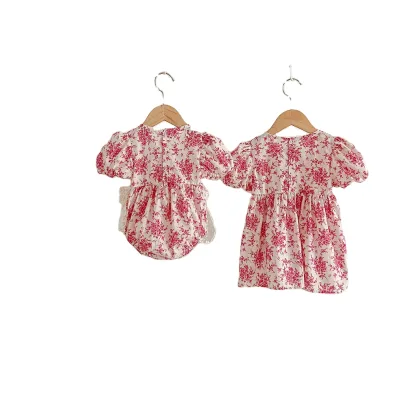
The listings cover jumper skirts and A-line skirts in casual style, with plant patterns and colourful prints, sleeveless or short sleeve options, and crew or round necklines. Waist types range from mid-waisted to high-waisted, and some items feature ventilation for summer comfort. Review each model, such as L26002 or L26032, since attributes vary between individual listings.
How should I verify quality before committing to a bulk order?
Request pre-production samples to check the cotton fabric, print quality, stitching, and sizing accuracy against your requirements. Because listed attributes are observations per product, confirm specifications like 100% cotton composition and printed or yarn-dyed technics in writing. If certifications matter for your market, ask suppliers for current test documentation rather than assuming compliance from listing claims.