Source Camphor Powder for Cosmetics, Flavor, and Aromatherapy
Compare 30 listings of Camphor Powder from verified Chinese suppliers. Buyers can review purity levels, packaging options, and certifications like ISO and MSDS for use in cosmetics, food flavoring, and aromatherapy applications; compare the available evidence and request quotations based on your requirements.
Updated
Key considerations
Products List
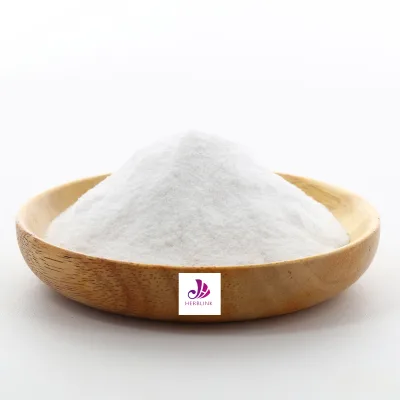
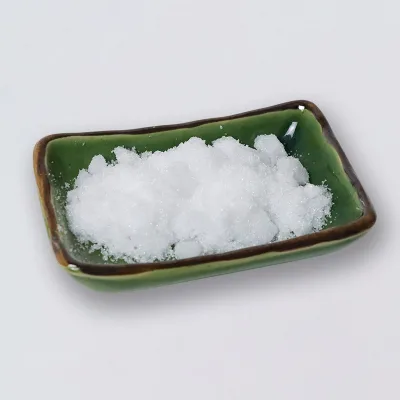
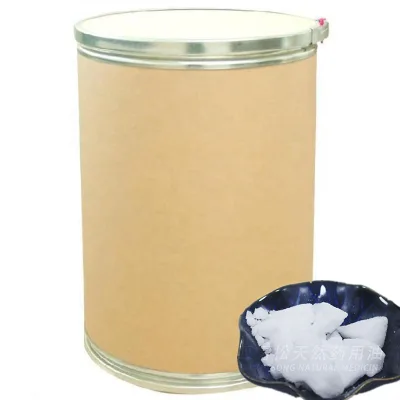
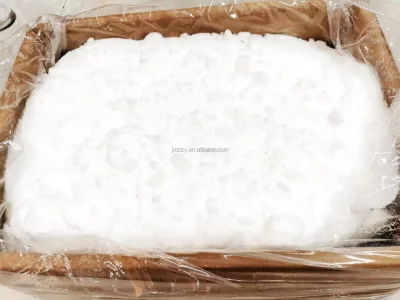
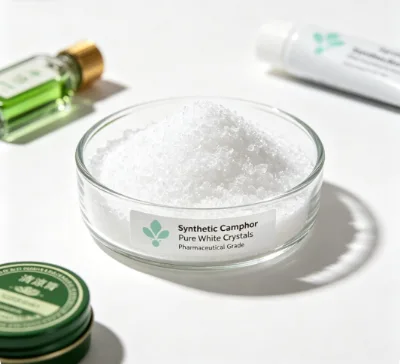
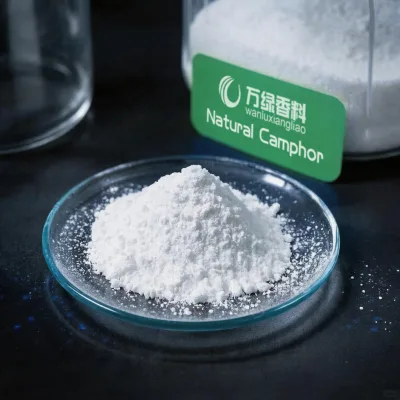
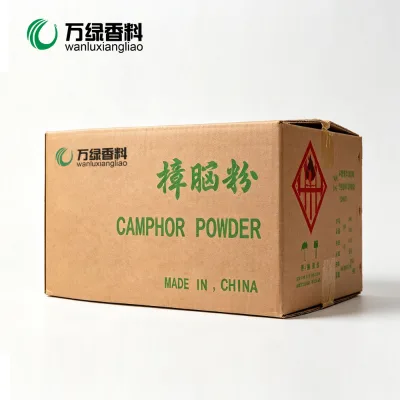
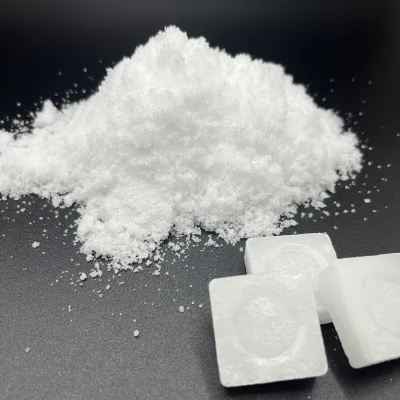
Factory Natural Camphor Powder Bulk 25 kg Bag Synthetic Camphor Crystal
$4.9263 - $8.2086
MOQ: 1 kilograms






Comprehensive Sourcing Guide
Camphor Powder Sourcing Guide
Camphor Powder is a widely traded flavour and fragrance raw material, and buyer-side diligence matters because listings vary significantly in purity, origin, and documentation depth. This guide is written for procurement teams evaluating listings on wholesale marketplaces, where observed offerings range from low single-digit US dollar pricing per unit to premium listings above one hundred dollars, with minimum order quantities spanning from single-kilogram samples to several hundred kilograms. That spread reflects genuine differences in grade, packaging format, and supplier type, so a structured evaluation process is essential before committing to a first order.
The guidance below walks through each stage of the buying journey: scoping the product against your application, verifying technical specifications, reviewing compliance paperwork, negotiating commercial terms, qualifying suppliers, and setting up long-term controls. Throughout, recommendations are framed around what can be verified on the product page and directly with the seller. Treat every listing attribute as a claim to be confirmed with documents and samples, not as an established fact, and prioritize suppliers whose listings already disclose the level of detail a professional buyer expects.
Product Scope and Observed Listing Signals
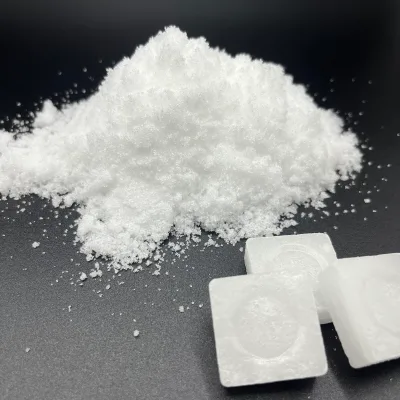
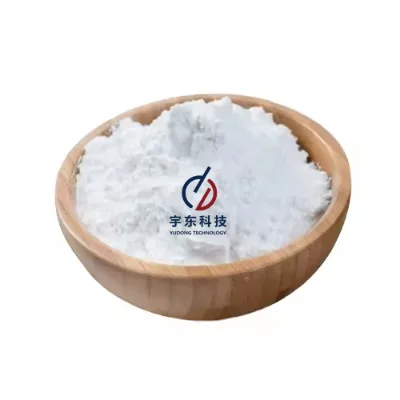
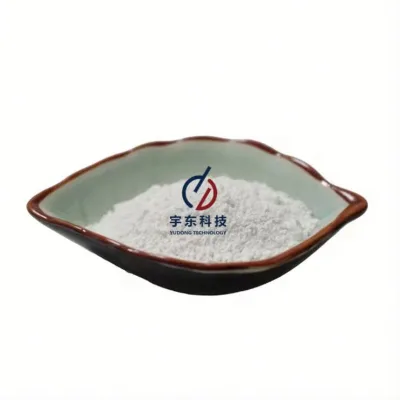
Listed Camphor Powder offerings cluster around a few recognizable profiles. One common profile is a 99% purity material described as white powder, passing an 80 mesh sieve, positioned for daily flavour and food flavour usage, with a molecular formula of C10H16O and CAS No. 76-22-2. A second profile emphasizes "100% pure natural" positioning, sourced from camphor tree leaves via steam distillation, with Jiangxi, China as the place of origin and application in cosmetics, soap, detergent, and food fragrance preparation. A third profile lists an assay of 96% in crystal powder form aimed at industrial, cosmetic, and daily use.
Buyers should read these listing signals as a menu of questions rather than settled answers. Origin claims differ — Shaanxi and Jiangxi both appear among listings — and brand names such as Herblink, planty manor, and jiangxi xuesong identify the seller but say nothing about factory capability on their own. FEMA No. 2635 and EINECS No. 200-945-0 appear in some listings, which helps with regulatory mapping, but the presence of an identification number does not confirm that a specific batch complies in your destination market. Confirm which profile matches your intended use before comparing prices.
Technical Specifications to Verify
The core specifications to pin down in writing are purity or assay, appearance, and particle size. Observed listings describe material as white powder, white crystal powder, or white solid powder, and quote purity figures of 99%, 96%, or a general "100% pure natural" claim. These are not interchangeable. A fragrance application may tolerate a different assay than a food-flavour application, and a "natural" extraction claim based on steam distillation of camphor tree leaves carries different cost and positioning implications than synthetic material. Request the actual certificate of analysis values, not just the listing headline.
Particle size is another practical check: one listing specifies 80 mesh sieve, which matters if your process requires dissolution rate or blending uniformity. Ask whether the stated mesh is a production control or a nominal description, and whether a finer or coarser cut is available. Also confirm form — powder versus crystal — since one observed listing carries model number ZT0522 for a powder format. Finally, verify shelf life and storage requirements in the specification sheet; observed listings state two years with storage in a dry, cool, dark place, and your warehouse conditions should be assessed against those requirements before ordering volume quantities.
Compliance and Safety Documentation
Documentation is where listing claims and procurement reality diverge most sharply. Observed listings cite certification packages including MSDS, COA, ISO, REACH, ROHS, and TDS, but these are listed attributes, not verified statuses. A professional buyer should request the actual documents and check that the certificate of analysis references the specific batch, shows the assay result consistent with the quoted purity, and is issued or countersigned by a named laboratory. The MSDS should be current, in your required language, and aligned with the packaging and transport mode you intend to use.
Regulatory mapping should follow your application and destination. If the material enters food flavour use, the cited FEMA No. 2635 and EINECS No. 200-945-0 are relevant identifiers, but you must independently confirm what your market's food authority requires for import and labelling. For cosmetics or detergent fragrance applications, REACH and ROHS claims should be substantiated with registration or test documentation naming the substance and the responsible party. Never accept a certification acronym on a listing page as proof; ask for copies, check expiry and scope, and record what was received for each supplier in your compliance file.
Cost Drivers and Commercial Terms
Observed listing prices span roughly USD 2 to USD 108, and minimum order quantities range from 1 kg to 500 units. This spread is driven by several factors a buyer can control or negotiate. Grade and purity are primary: a 99% food-flavour-positioned material will price differently from a 96% industrial-grade crystal powder. Packaging format matters too — observed packing includes 25 kg drums and smaller retail-style cartons with single gross weights around 1.3 to 1.5 kg and package dimensions ranging from 11×11×27 cm to 35×35×51 cm. Freight class and volumetric weight will differ substantially between these formats.
Sampling terms are a useful early signal: some listings offer a 10–20 g sample, while others state samples are freely provided. Use the sample stage to test quality before committing to the seller's stated MOQ. Negotiate pricing against concrete volume, confirm whether the quoted price is ex-works, FOB, or delivered, and clarify payment terms and incoterms in writing. Selling unit structure — one listing specifies single-item selling units — affects how mixed orders are packed and invoiced. Document all agreed commercial terms in the purchase order, not just in correspondence.
Supplier Qualification and Quality Control
Qualify suppliers by triangulating what the listing discloses with what you can independently confirm. One observed listing states "powerful factory: Yes" — a self-declared claim that should be validated through a factory audit, third-party inspection, or at minimum video verification of production and packing lines. Raw material control is especially important for natural camphor: listings that identify camphor tree leaves and steam distillation as the extraction method should be able to explain their leaf sourcing, seasonal supply, and batch traceability. Ask how raw material lots are tested before entering production.
Quality control should be contractually anchored. Require a pre-shipment certificate of analysis for every batch, with agreed acceptance criteria on assay, appearance, and mesh size. Retain reference samples from each lot you receive, and reserve the right to third-party testing at destination if results conflict. Certifications such as MSDS, ISO, COA, and TDS should be checked for scope and currency during onboarding, then re-verified annually. For first orders, consider splitting delivery into an initial trial lot followed by the balance, so quality issues surface before full payment or full-volume shipment is completed.
Long-Term Procurement Checks
Once a supplier is qualified, long-term value depends on consistent execution rather than the initial price. Build a supplier scorecard tracking on-time delivery, batch-to-batch assay consistency against the specification, documentation completeness, and responsiveness on corrective actions. Because observed shelf life is two years under dry, cool, dark storage, manage inventory with a first-in-first-out discipline and confirm at each reorder that remaining shelf life meets your internal minimum. Recheck storage conditions seasonally if your warehouse climate varies, since caking or discoloration in white powder or crystal material can signal exposure problems.
Requalification should be periodic, not one-time. Re-verify certifications annually, re-run independent laboratory checks on a defined sampling cadence, and revisit pricing when raw material markets or freight rates shift materially. Keep at least one qualified alternate supplier — the listing landscape shows multiple active sellers across Shaanxi and Jiangxi with differing purity grades and packaging, which supports dual sourcing. Finally, review the specification sheet whenever the supplier changes model numbers, packaging dimensions, or gross weights; a change as small as an updated package size can alter your freight calculation and should trigger a documented review before the next purchase order is issued.
FAQs
What is the purity and appearance of the Camphor Powder offered?
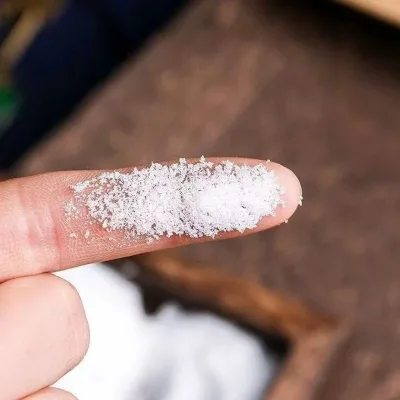
Listed Camphor Powder products show a purity of 99% and a white crystal powder appearance, with some listings specifying a 96% assay. The powder typically passes through an 80 mesh sieve, which affects dispersion in fragrance and cosmetic formulations. Buyers should confirm the exact purity, assay, and mesh size with each supplier before ordering, since specifications vary across listings.
How is Camphor Powder produced from natural raw materials?
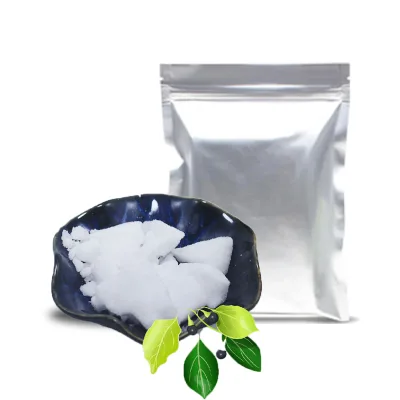
Natural Camphor Powder is extracted from camphor tree leaves using steam distillation, and listings describe it as 100% pure natural material. Steam distillation isolates the camphor from the leaf biomass, after which it is processed into a white solid powder form. Buyers seeking natural-origin material should verify the raw material source and extraction method directly with the manufacturer.
What certifications and documentation can suppliers provide for Camphor Powder?
Listed products reference certifications and documents including MSDS, COA, ISO, REACH, ROHS, and TDS. Documentation availability differs by supplier, so request the specific certificates you need before placing an order. A certificate of analysis is especially useful to verify purity, appearance, and compliance details for each batch you purchase.
What is the typical MOQ and sample policy for Camphor Powder orders?
One listing shows a minimum order quantity of 1 kg, while observed MOQs across products range from 1 to 500 units. Free samples of 10 to 20 grams are offered by some suppliers, and other listings state samples are freely provided. Confirm the sample quantity, shipping cost, and MOQ terms with each supplier, as these vary by listing and order volume.
How should Camphor Powder be stored and what is its shelf life?
Camphor Powder should be stored in a dry, cool, dark place, and listings indicate a shelf life of 2 years. Keep containers sealed to protect the powder from moisture and light, which helps preserve its fragrance and physical properties during storage. Follow the supplier's storage guidance on the package to maintain quality across the full shelf life.
What are the common applications and usage categories for Camphor Powder?
Listed uses include daily flavor, food flavor, and industrial flavor, plus cosmetics, aromatherapy, soaps, and detergents. The product is categorized as a natural flavour and fragrance with a herbal scent category, and FEMA number 2635 with EINECS number 200-945-0 appears in the details. Confirm regulatory suitability for your intended application, especially for food-contact uses.
How is Camphor Powder packaged and shipped to buyers?
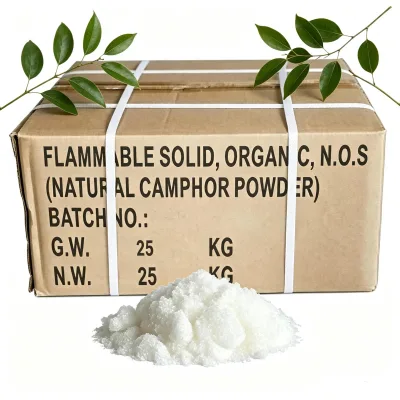
One listing specifies packing in 25 kg drums, with single package sizes of 35x35x51 cm or 11x11x27 cm and single gross weights around 1.3 to 1.5 kg. Products originate from Shaanxi or Jiangxi, China, and selling units are single items. Ask the supplier to confirm drum size, gross weight, and shipping arrangements for your destination before ordering.
Can buyers request customization or branded packaging for Camphor Powder?
Listings show brand names such as Herblink, planty manor, and jiangxi xuesong, indicating suppliers market under their own brands. Some listings reference customization options and factory capability, but available private-label or custom packaging services are not specified on the page. Contact individual manufacturers to discuss custom packaging, labeling, and branding requirements for your order.