Find Canoe and Kayaking Neoprene Deck for fishing, racing, recreation
Source 30 listings for Canoe and Kayaking Neoprene Deck components suitable for fishing, racing, and recreational use. Buyers can compare specifications, materials, and customization options from verified suppliers offering OEM services and competitive pricing.
Key considerations
Products List


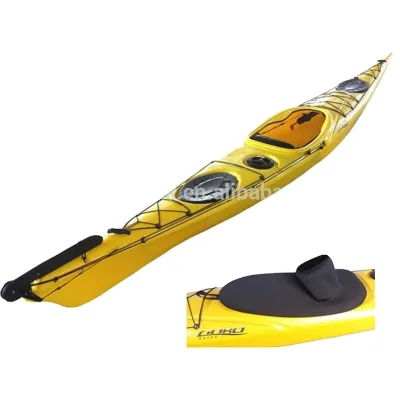
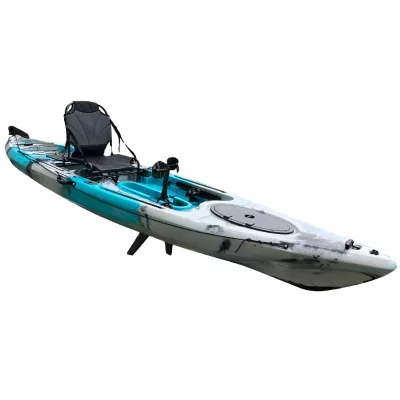
Plastic Rubber Pedal Kayak Rowing Boat with Sprey Deck
$388.38 - $511.03
MOQ: 1 Minimum
Ningbo Fenghua Gubo Mould & Plastics Manufacturing Co., Ltd.


$140.00 - $200.00
MOQ: 5 Pieces


$140.00 - $200.00
MOQ: 1 Pieces
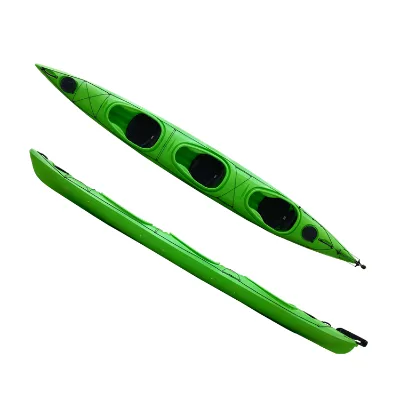
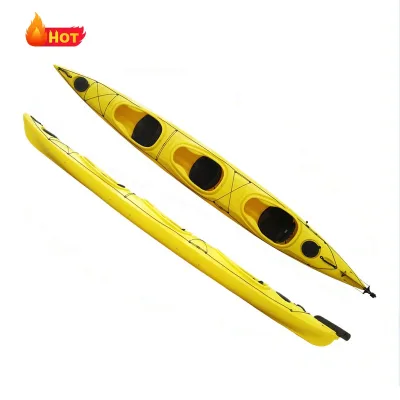
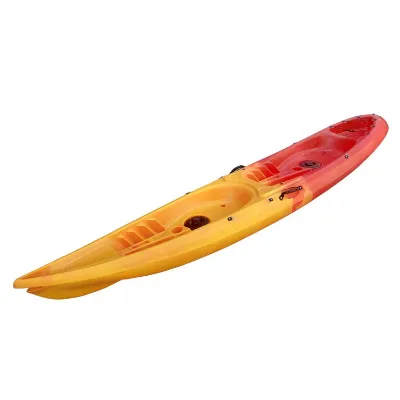


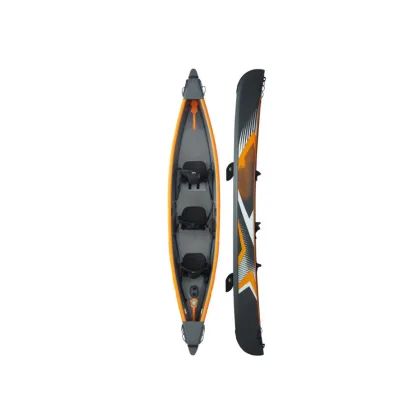
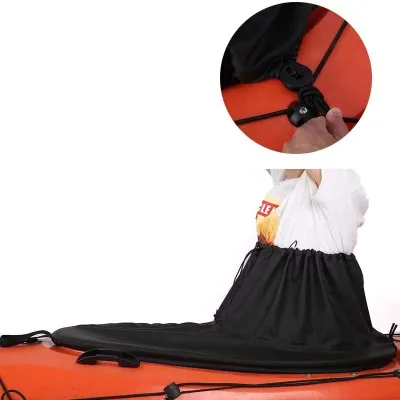
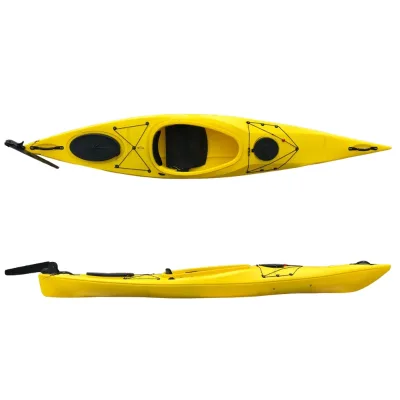
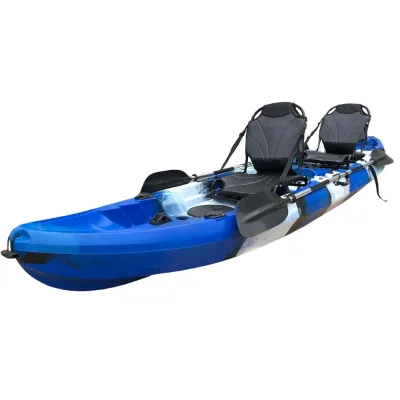
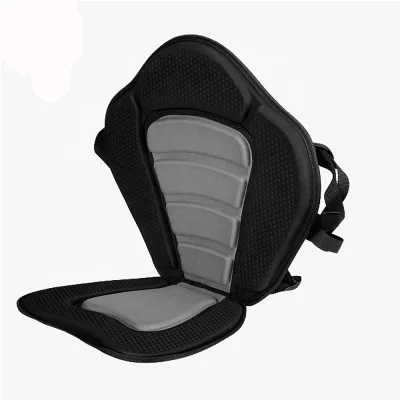


Comprehensive Sourcing Guide
Strategic Sourcing Guide for Canoe and Kayaking Neoprene Deck Components
Understanding Product Variability and Material Composition
When sourcing components for canoe and kayaking applications, specifically focusing on deck systems and associated accessories, buyers must first navigate the significant variance in product definitions found in the current market. The core keyword "neoprene deck" often implies a specific material composition, yet the supplied product data reveals a complex landscape where the primary hull materials are predominantly polyethylene and plastic. For instance, specific listings indicate a hull material of Polyethylene with a fish-form surface profile, while other entries specify generic plastic construction. This distinction is critical because the deck system, often the interface between the paddler and the vessel, must be compatible with the hull material to ensure structural integrity and safety.
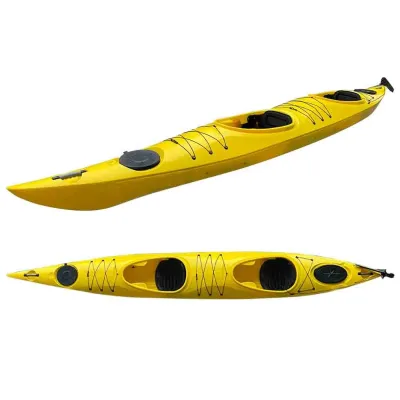
The market data shows a wide range of vessel types, from single kayaks to tandem configurations and sit-in models. The observed specifications include models like BK0800, YB-021, and YB-023, each with distinct dimensions. For example, one model is listed with a standard of 29cm, while another, model YB-021, has dimensions of 31301150380MM. These variations dictate the requirements for any deck component. A deck designed for a 29cm standard vessel will not fit a 3130mm length kayak. Buyers must verify that the "neoprene" or deck material they are sourcing is compatible with the specific hull geometry and material of the target vessel. The presence of "Fish form" hull profiles suggests specialized aerodynamic or hydrodynamic designs that may require custom-fitted deck solutions rather than off-the-shelf generic parts.
Furthermore, the supply chain data indicates that customization is available for many of these products. Attributes such as "Customization: Available" and "Color: Multi-colored" or "any color" suggest that buyers have the flexibility to tailor deck components to specific branding or functional needs. However, this customization capability must be balanced against the MOQ (Minimum Order Quantity) constraints. The observed MOQ range spans from 1 to 1000 units, with a specific high-confidence fact noting an MOQ of 500PCS for certain items. This implies that while small batches are possible for some suppliers, larger volume orders for custom neoprene decks may require a commitment to at least 500 units to achieve viable pricing and production scheduling.
Technical Specifications and Dimensional Compliance
The technical specifications for canoe and kayak components are not uniform, and relying on generic assumptions can lead to procurement failures. The supplied data highlights specific dimensional standards that must be adhered to during the sourcing process. For instance, the model YB-023 is defined by a standard of 26501150450MM, while the IB-390 model has a standard of 39001300800mm. These dimensions represent the overall vessel size, which directly influences the surface area and curvature of the deck. When sourcing a neoprene deck, the buyer must ensure that the material's elasticity and cut dimensions align precisely with these vessel standards.
A critical observation in the data is the variation in length. One specification lists a length of 5.02M, while another provides a size of 5.020.550.38 M. These measurements are vital for calculating the surface area required for the deck. If a buyer is sourcing a deck for a 5.02-meter vessel, the neoprene material must be cut to accommodate the specific curvature of the "sit in kayak" style mentioned in the attributes. The data also notes a "Hull Durface Profile" of "Fish form," which suggests a non-linear surface that requires precise pattern making. Standard rectangular neoprene sheets may not suffice without custom cutting or molding.
Additionally, the packing details provide insight into the physical handling of these components. Some products are packed in "Foam Bag," while others use "Cardboard with Film" or "carton + air bubble + plastic bag." These packing methods indicate the fragility and sensitivity of the products. Neoprene, being a synthetic rubber, can be susceptible to deformation if not packed correctly. The presence of "Foam Bag" packing for certain models suggests that these items require cushioning to maintain their shape during transit. Buyers should verify that the packaging specifications match the fragility of the neoprene deck to prevent damage before the product reaches the end user. The "prod_packing" attribute of "1000PCS/Carton" for one model further emphasizes the need for bulk handling strategies, as large quantities are shipped in consolidated cartons.
Compliance, Certification, and Safety Standards
In the B2B procurement of water sports equipment, compliance with international standards is non-negotiable. The supplied data explicitly mentions "ce" certification for specific models, such as the IB-390. The CE mark indicates conformity with health, safety, and environmental protection standards for products sold within the European Economic Area. For buyers targeting European markets, verifying that the neoprene deck components and the associated vessels carry this certification is a primary due diligence step. However, the data also notes that certification status varies; not all listed products explicitly state a certification in the provided attributes.
Buyers must exercise caution when interpreting the "Certification: ce" attribute. It is observed on specific models but not universally across all 30 products in the dataset. This suggests that certification is model-specific rather than a blanket attribute for the entire supplier portfolio. Therefore, when sourcing neoprene decks, the buyer must request specific certification documentation for the exact model number and batch being purchased. Relying on the general "OEM/ODM" service availability does not guarantee that the specific neoprene material used meets the necessary fire resistance, toxicity, or durability standards required for water sports.
Furthermore, the "Guarantee: 1 Year" attribute provides a baseline for quality assurance. A one-year guarantee implies that the manufacturer stands behind the durability of the product for a specific period. For neoprene decks, this guarantee should cover issues such as delamination, tearing, or loss of elasticity. Buyers should ensure that the guarantee terms are clearly defined in the contract, specifically addressing the conditions under which the guarantee applies. The "Application" attribute lists "Sea - River - Lake - Ocean," indicating that the products are designed for various water environments. This broad application scope necessitates that the neoprene material be resistant to UV degradation, saltwater corrosion, and temperature fluctuations. Buyers should verify that the material specifications explicitly state resistance to these environmental factors, as the general "Corrosion-Resistance" attribute observed in the data likely refers to the hull material rather than the neoprene deck itself.
Cost Drivers and Pricing Dynamics
The pricing structure for canoe and kayak components is influenced by several factors, including material complexity, customization levels, and order volume. The observed listed price range in the market data is substantial, spanning from 3.12 to 600 USD. This wide range reflects the diversity of products, from simple accessories to fully equipped vessels. For neoprene deck components, the cost will likely depend on the thickness of the neoprene, the complexity of the cutting pattern, and the level of customization required.
The "Sample Charge: Free" attribute is a significant cost driver for initial procurement phases. Suppliers offering free samples allow buyers to evaluate the quality of the neoprene material without incurring upfront costs. This is particularly valuable for verifying the material's texture, elasticity, and fit before committing to a large order. However, buyers should be aware that while the sample itself may be free, shipping costs are often not included. The "Port of dispatch: Ningbo,Shanghai" indicates that logistics costs will be a factor in the total landed cost, especially for international buyers.
Volume discounts are another critical aspect of cost management. The "Supply Ability: 48 pieces per Day sit in canoe" suggests a moderate production capacity. For large orders, buyers may need to negotiate lead times and pricing based on the supplier's ability to ramp up production. The "MOQ: 500PCS" for certain items sets a threshold for cost-effective ordering. Orders below this threshold may incur higher per-unit costs or require a premium for smaller batch production. Conversely, orders exceeding the supply ability may require staggered delivery schedules. Buyers should analyze the total cost of ownership, including the "Lead Time: 3-5days" for some items, to ensure that the procurement timeline aligns with their sales cycles. The "3-5days" lead time is relatively short, which can be advantageous for just-in-time inventory strategies, but it may also indicate a high demand or limited production capacity that could lead to delays during peak seasons.
Supplier Evaluation and Operational Capabilities
Evaluating suppliers for neoprene deck components requires a thorough assessment of their operational capabilities and service offerings. The data indicates that "OEM/ODM" services are available, which is a strong indicator of a supplier's flexibility. This capability allows buyers to request custom designs, branding, and specific material specifications. However, the presence of OEM/ODM services does not guarantee quality; buyers must verify the supplier's track record in delivering customized products that meet strict quality standards.
The "Place of Origin: Zhejiang, China" and "prod_origin: China" attributes confirm that the majority of these products are manufactured in China. This region is known for its robust manufacturing infrastructure, but it also requires rigorous supplier vetting. Buyers should assess the supplier's quality control processes, particularly for materials like neoprene, which can vary in quality depending on the manufacturing process. The "Brand Name: Gobo kayak" suggests that some suppliers operate under their own brand, while others may offer white-label services. Buyers should clarify whether they will be purchasing under their own brand or a third-party brand, as this affects marketing and customer perception.
The "Selling Units: Single item" attribute indicates that some suppliers are willing to sell individual units, which is beneficial for small-scale testing or prototyping. However, for bulk procurement, buyers should focus on suppliers who can handle large volumes efficiently. The "Packaging Details" and "prod_packing" attributes provide insight into the supplier's logistics capabilities. Suppliers who use "carton + air bubble + plastic bag" demonstrate a commitment to protecting the product during transit, which is essential for maintaining the integrity of neoprene materials. Buyers should also consider the "Port of dispatch" location, as proximity to major shipping hubs like Ningbo and Shanghai can reduce lead times and shipping costs.
Quality Control and Long-Term Procurement Strategy
Ensuring consistent quality in neoprene deck components requires a proactive quality control strategy. The "Guarantee: 1 Year" attribute sets a baseline for product longevity, but buyers should implement additional quality checks to mitigate risks. This includes verifying the material composition, testing for tensile strength, and checking for defects such as pinholes or uneven thickness. The "Corrosion-Resistance" attribute observed in the data should be validated through independent testing, especially if the decks are intended for saltwater environments.
Long-term procurement considerations involve building a sustainable relationship with suppliers who can scale with the buyer's growth. The "Supply Ability: 48 pieces per Day" suggests that the current production capacity is limited. For buyers planning to expand their product lines, it is essential to negotiate capacity agreements or identify backup suppliers to ensure a steady supply of neoprene decks. The "Lead Time: 3-5days" is a positive indicator of responsiveness, but buyers should plan for potential delays during peak seasons or supply chain disruptions.
Finally, the "Customization: Available" and "Color: any color" attributes offer opportunities for product differentiation. Buyers should leverage these capabilities to create unique offerings that stand out in the market. However, customization should not come at the expense of quality. Buyers must ensure that the customization process does not compromise the structural integrity or safety of the neoprene deck. By combining rigorous quality control with strategic supplier partnerships, buyers can secure a reliable supply of high-quality neoprene deck components that meet the demands of the canoe and kayaking market.
Comparative Analysis of Product Attributes
To facilitate informed decision-making, the following table summarizes key attributes observed in the market data, highlighting the variability in specifications and capabilities.
| Attribute Category | Observed Values | Implication for Sourcing |
|---|---|---|
| Hull Material | Polyethylene, Plastic | Verify compatibility with neoprene deck; plastic may require different bonding agents. |
| Product Model | BK0800, YB-021, YB-023, IB-390, Tira | Each model has unique dimensions; deck must be custom-fitted. |
| Dimensions | 29cm, 31301150380MM, 26501150450MM, 39001300800mm | Critical for calculating deck surface area and curvature. |
| Certification | CE (specific models) | Verify CE status for target markets; not universal across all models. |
| MOQ | 1-1000 (High confidence: 500PCS) | Small orders possible but may cost more; 500PCS is a common threshold. |
| Lead Time | 3-5 days | Fast turnaround, but capacity (48 pcs/day) may limit large orders. |
| Customization | Available, Color: Any | High flexibility for branding and design, but requires clear specs. |
| Origin | China (Zhejiang) | Standard manufacturing hub; verify quality control processes. |
| Guarantee | 1 Year | Baseline for durability; confirm specific terms in contract. |
| Packing | Foam Bag, Carton + Film, Air Bubble | Ensure packaging protects neoprene from deformation during transit. |
This comparative analysis underscores the need for buyers to meticulously match product specifications to their specific requirements. The diversity in models, dimensions, and capabilities means that a "one-size-fits-all" approach is ineffective. By carefully evaluating these attributes, buyers can navigate the complexities of the market and secure high-quality neoprene deck components that meet their operational and commercial goals.
FAQs
What materials are used for Canoe and Kayaking Neoprene Deck components?
The primary hull materials observed are polyethylene and plastic, not neoprene. Buyers must verify if the deck component is a separate neoprene part compatible with these hull materials to ensure structural integrity.
Can I customize the color of the Canoe and Kayaking Neoprene Deck?
Customization is available for many products, with options for multi-colored or specific colors. However, buyers must check the specific Minimum Order Quantity, which can be as high as 500 pieces for custom runs.
Which certification standards apply to the Canoe and Kayaking Neoprene Deck?
Some models carry CE certification, indicating conformity with European safety standards. This certification is model-specific, so buyers must request documentation for the exact product model before purchasing for the European market.
How long is the lead time for Canoe and Kayaking Neoprene Deck orders?
The lead time for certain items is reported as 3 to 5 days. This short duration supports just-in-time inventory strategies but may indicate high demand or limited production capacity during peak seasons.
What is the minimum order quantity for Canoe and Kayaking Neoprene Deck?
The observed MOQ range spans from 1 to 1000 units, with a specific high-confidence fact noting 500 pieces. Orders below this threshold may incur higher per-unit costs or require a premium for smaller batch production.
Where are the Canoe and Kayaking Neoprene Deck products manufactured?
The place of origin is listed as Zhejiang, China, for most products. Buyers should assess the supplier's quality control processes in this region, as manufacturing standards can vary significantly between different factories.