Source Canon EOS R USB Rubber Parts for Camera Repair
Find and compare 30 listings for Canon EOS R USB Rubber components, including grip covers and data cables. Evaluate options based on material, model compatibility, and packaging to find suitable parts for camera maintenance and accessory upgrades.
Key considerations
Products List
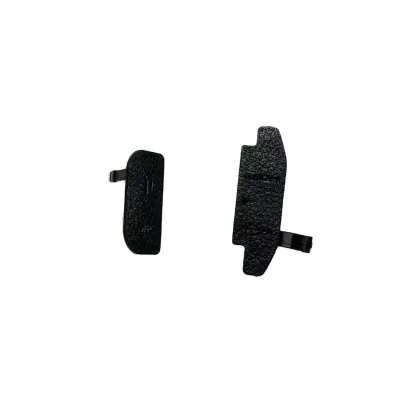
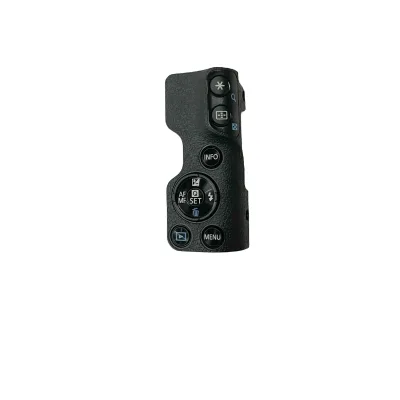
$23.00 - $25.00
MOQ: 1
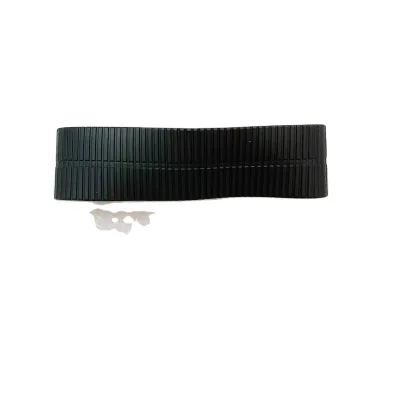
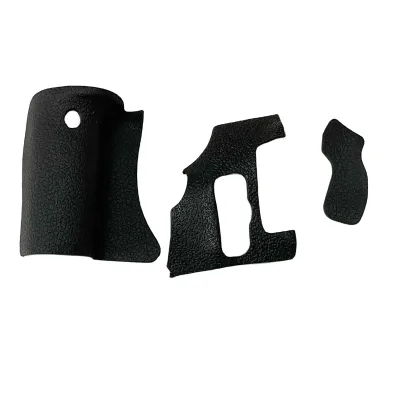




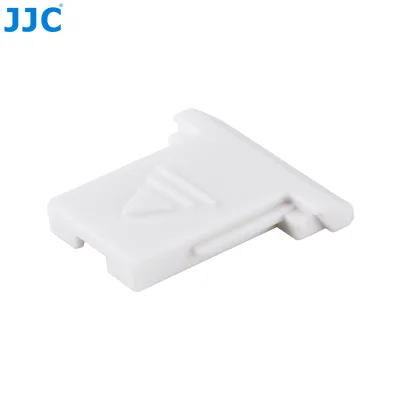
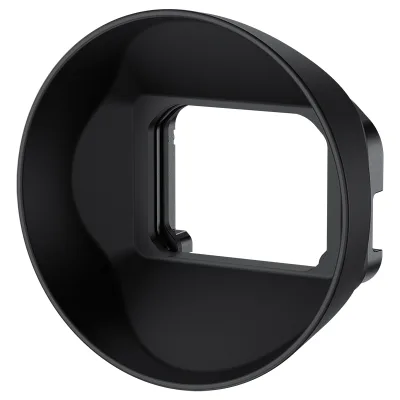
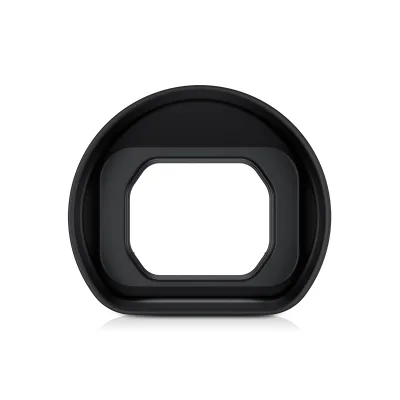
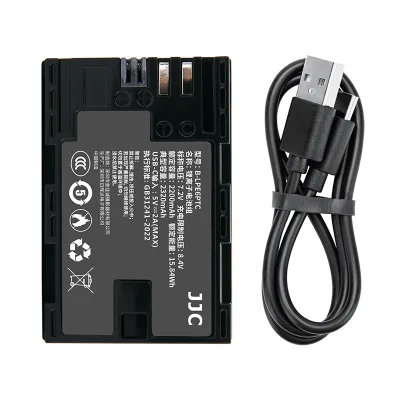
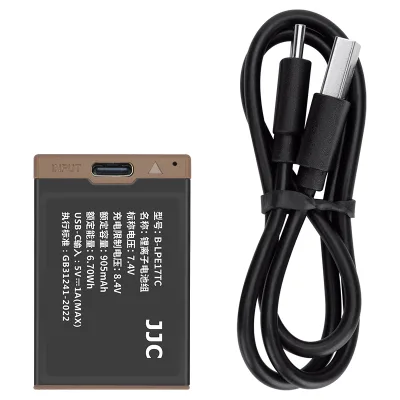


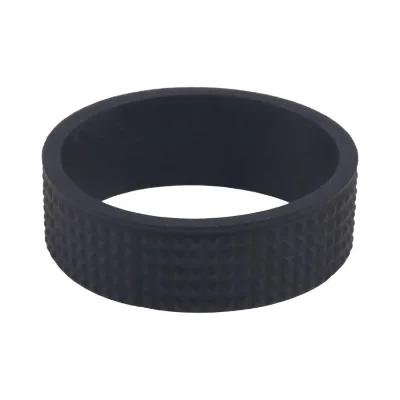

Original Canon 046 Toner Cartridge for Canon Imageclass Lbp-654/Mf-731/733/735
$13.00 - $28.00
MOQ: 20 Pieces

Comprehensive Sourcing Guide
Canon EOS R USB Rubber Sourcing Guide
Sourcing components for Canon EOS R series cameras and related peripherals requires a nuanced understanding of the diverse accessory market, which spans from camera body grips to data transfer cables and storage solutions. The core keyword "Canon EOS R USB Rubber" suggests a buyer interest in either ergonomic rubber grips designed for Canon mirrorless bodies or USB connectivity accessories that may feature rubberized components for durability and strain relief. In the B2B procurement landscape, these items are often categorized under camera accessories, computer peripherals, or consumer electronics, depending on their primary function. Buyers must distinguish between genuine OEM parts and aftermarket alternatives, as the latter often dominate the supply chain with varying levels of quality and compatibility.
The observed market signals indicate a fragmented supply base originating primarily from China, with some listings noting Japan as a point of origin, likely referring to design inspiration or component sourcing rather than final assembly. The product range is extensive, covering model-specific grips for cameras like the Canon 850D, M50, 600D, and 5D Mark IV, as well as generic USB cables and storage devices. This diversity means that a single supplier may not offer a complete solution, and buyers often need to aggregate products from multiple vendors. Understanding the specific application—whether it is enhancing camera handling or establishing a reliable data link—is the first critical step in defining procurement requirements and evaluating supplier capabilities.
Product Scope and Observed Listing Signals
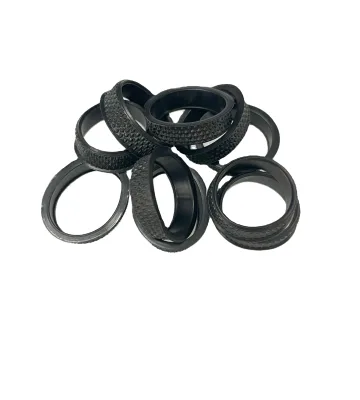
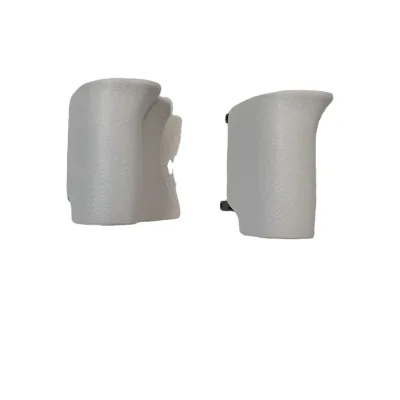
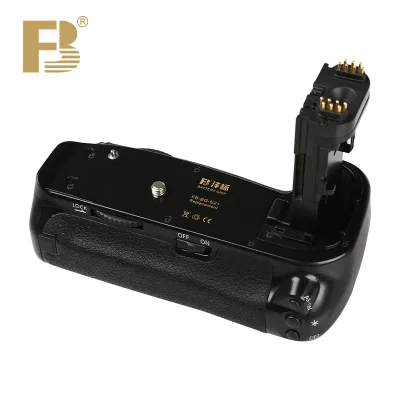
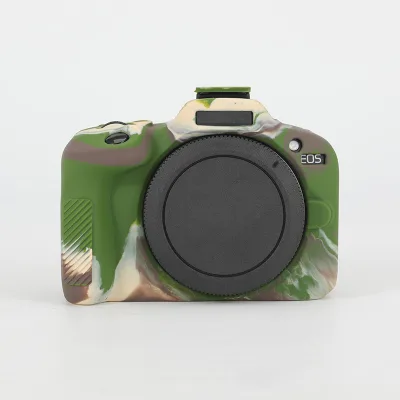
The product scope for "Canon EOS R USB Rubber" encompasses two distinct categories: ergonomic camera accessories and digital connectivity peripherals. On the camera side, listings highlight rubber grips and hand straps designed for specific models such as the Canon 850D, M50, 600D, and 5D Mark IV. These items are typically made from rubber materials and come in various configurations, including side rubber, hand plus thumb rubber, and set rubber options. The packaging dimensions and weights vary significantly, with some grips weighing as little as 0.016 kg while others, possibly including larger sets or bundled items, weigh up to 0.500 kg. Buyers should verify that the rubber material meets specific tactile and durability standards, as comfort and longevity are key value propositions for camera operators.
On the connectivity side, the scope extends to USB cables and storage devices, such as USB printer cables and pendrives, which may feature rubberized exteriors or connectors. These products often cite certifications like CE, RoHS, and UL, indicating a focus on electrical safety and environmental compliance. The interface types range from USB 2.0 to more advanced standards, with plating options including gold or nickel for improved conductivity and corrosion resistance. Storage capacities for USB drives listed in the market range from 64MB to 128GB, serving various data storage needs. Buyers must carefully map these technical attributes to their specific operational requirements, ensuring that the USB components are compatible with Canon EOS R cameras or associated computer systems.
Technical Specifications to Verify
When evaluating camera grips, the model number compatibility is the most critical technical specification. Buyers must confirm that the rubber accessory is explicitly designed for their specific Canon EOS R series camera or other supported models like the 850D or M50. The single package size and gross weight provide insights into the product's physical dimensions and material density, which can affect shipping costs and handling. For instance, a grip with a single package size of 20x12x14 cm and a weight of 0.150 kg suggests a substantial, possibly multi-piece assembly, whereas a smaller package of 6x3x1 cm with a weight of 0.020 kg indicates a lightweight, compact component. Verifying these physical attributes ensures that the product fits the intended use case and logistical constraints.
For USB and storage products, technical verification focuses on interface type, connector quality, and data performance. The presence of gold or nickel plating on USB connectors is a key indicator of signal integrity and resistance to oxidation, which is vital for reliable data transfer. Buyers should also check the USB type, such as USB 2.0, and ensure that the cable or drive supports the necessary data rates for their workflow. Additionally, features like encryption, boot capability, or antivirus functions on USB drives add layers of utility but require compatibility checks with the host system. The material composition, often rubber for grips and copper for cables, should be verified to ensure durability and electrical efficiency, respectively.
Compliance and Safety Documentation
Compliance with international standards is non-negotiable for electronic accessories and consumer goods. Listings for USB cables and storage devices frequently mention certifications such as CE, RoHS, and UL, which attest to compliance with European health, safety, and environmental protection standards, as well as US safety requirements. Buyers must request valid certification documents from suppliers to verify that these claims are accurate and up-to-date. The presence of these certifications reduces the risk of regulatory hurdles during importation and ensures that the products meet basic safety thresholds for electrical components and materials.
For rubber camera grips, while electrical certifications may not apply, material safety standards are still relevant. Buyers should inquire about the type of rubber used, ensuring it is free from harmful substances like phthalates or heavy metals, which aligns with RoHS principles. The "Custom Color" and "Customization" options available in the market suggest that buyers can tailor products to their brand identity, but this process must still adhere to safety and quality standards. Verifying that the supplier has a robust quality management system in place is essential to maintain consistency in compliance across customized orders.
Cost Drivers and Commercial Terms
The cost of sourcing Canon EOS R accessories and USB products is influenced by several factors, including material quality, customization levels, and order volume. The observed price range of $0.5 to $60 USD reflects the diversity of products, from simple rubber grips to more complex USB drives with advanced features. Minimum Order Quantities (MOQs) ranging from 1 to 1000 units allow for flexibility, catering to both small-scale retailers and large distributors. Buyers should negotiate pricing based on volume tiers, keeping in mind that higher customization, such as custom colors or packaging, may incur additional costs.
Commercial terms also include packaging and shipping considerations. Products are available in various packaging options, including clamshell packing, printing polybags, and gift boxes, which can impact the final cost and retail presentation. The single gross weight and package size are critical for calculating freight costs, especially for bulk orders. Buyers should clarify whether the quoted prices include shipping and duties, and understand the lead times associated with different production volumes. Transparent communication about these commercial terms helps in budgeting accurately and avoiding unexpected expenses.
Supplier Qualification and Quality Control
Supplier qualification is a pivotal step in ensuring the reliability of the supply chain. Buyers should prioritize suppliers who demonstrate a clear understanding of Canon product compatibility and have a track record of delivering high-quality accessories. The mention of "Shenzhen, Guangdong" as a point of origin for some products indicates a hub for electronics manufacturing, where buyers can find a wide range of suppliers. However, due diligence is necessary to verify the supplier's legitimacy, production capacity, and quality control processes. Requesting samples before placing large orders is a standard practice to assess product quality firsthand.
Quality control measures should be explicitly defined in the procurement agreement. For rubber grips, this includes checks for material consistency, fit, and durability. For USB products, testing for data integrity, connector longevity, and electrical safety is essential. Buyers should inquire about the supplier's defect rate and return policy, ensuring that there is a mechanism to address any quality issues. Establishing a clear communication channel for feedback and continuous improvement helps in maintaining a high standard of product quality over time.
Long-Term Procurement Checks
Long-term procurement success depends on the ability to adapt to market changes and technological advancements. Buyers should regularly review their supplier base to ensure that they remain competitive in terms of price, quality, and innovation. The availability of customization options, such as custom colors and packaging, allows buyers to differentiate their offerings in the market. However, it is crucial to monitor the supplier's ability to maintain these customizations consistently over time. Building a strong relationship with suppliers can lead to better pricing, priority production, and access to new products.
Additionally, buyers should stay informed about changes in regulatory requirements and industry standards. As electronic devices become more sophisticated, compliance with new safety and environmental regulations may become more stringent. Proactively addressing these changes ensures that the products remain compliant and marketable. Regular audits of supplier performance and product quality help in identifying potential issues early and maintaining a reliable supply chain. By focusing on these long-term checks, buyers can secure a sustainable and profitable sourcing strategy for Canon EOS R accessories and related products.
FAQs
What materials are used for Canon EOS R USB Rubber accessories?
The accessories are primarily made of rubber, specifically side rubber, hand plus thumb rubber, and set rubber. These components are designed to provide grip and durability for camera handling. Some items also feature gold or nickel plating on connectors to ensure reliable data transmission and corrosion resistance.
Which Canon models are compatible with these rubber accessories?
These rubber accessories are compatible with specific Canon models including the 850D, M50, 100M, 600D, 5D4, 6D2, and 200D. The model numbers indicate precise fitment for various camera bodies. Buyers should verify the specific model number against their camera to ensure proper compatibility before purchasing.
Can I request custom colors for the rubber camera accessories?
Yes, custom colors are available for the rubber accessories. The standard color is black, but customization options allow buyers to select specific shades. This flexibility supports branding needs or personal preferences while maintaining the functional rubber material properties required for camera handling.
What certifications do the USB cables and accessories hold?
The products hold CE, RoHS, and UL certifications. These standards ensure safety and compliance with international regulations for electrical and electronic equipment. Some items also meet FCC standards, providing assurance of quality and regulatory adherence for global distribution and use.
How are the products packaged for shipment?
Packaging options include clamshell packing, printing polybags, and gift boxes. Some items are sold as single items with specific package dimensions like 20x12x14 cm or 18x11x13 cm. Customized packing is also available to meet specific buyer requirements for retail or bulk distribution.
Where are these Canon accessories manufactured?
The products originate from China and Japan. Specific manufacturing locations include Shenzhen, Guangdong, which is a known hub for electronics production. The place of origin varies by product type, with some items sourced from Japan and others from Chinese factories.
What is the minimum order quantity for these items?
The minimum order quantity ranges from 1 to 1000 units depending on the specific product. This flexibility allows buyers to order small quantities for testing or larger volumes for bulk distribution. The exact MOQ should be confirmed with the supplier based on the selected item.