Source Car Making Sewing Machine for car seats, upholstery, and interiors
Find 30 industrial sewing machines for car making, including automatic models with PLC controls and high-speed capabilities. Compare specifications like sewing area, voltage, and weight to select the right equipment for automotive upholstery and seat manufacturing; compare the available evidence and request quotations based on your requirements.
Updated
Key considerations
Products List
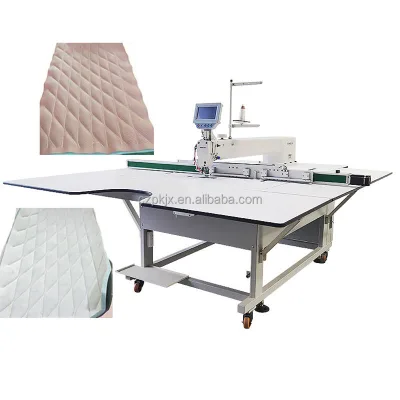
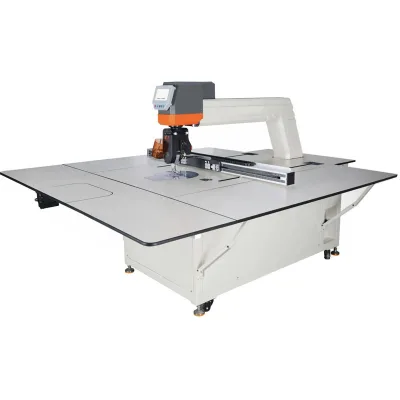
Industrial Sewing Machine for Car Seats Making Bags Making Furniture Sewing
$5880.00 - $7580.00
MOQ: 1 Minimum
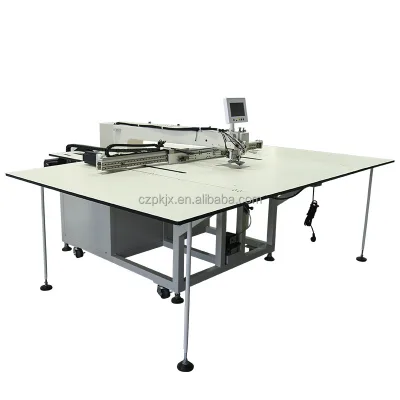
Automatic CNC Template Car Seats Pattern Sewing Machine for Leather
$5600.00 - $5980.00
MOQ: 1 Minimum
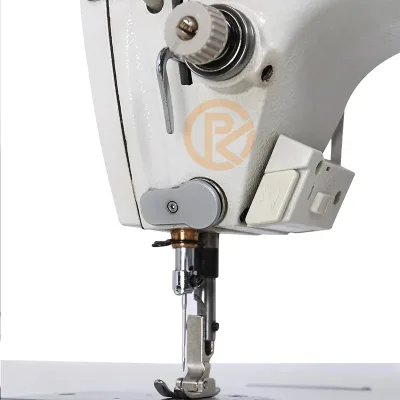
High Speed Flat Sewing Machine Common Flat Car Industrial Sewing Machine
$408.00 - $428.00
MOQ: 1 sets
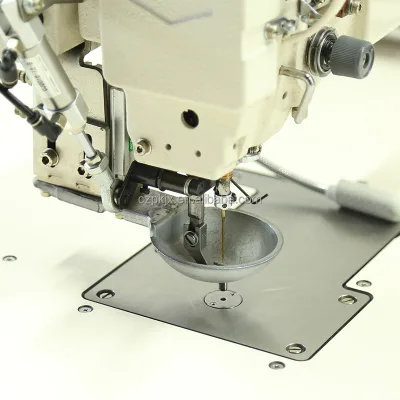
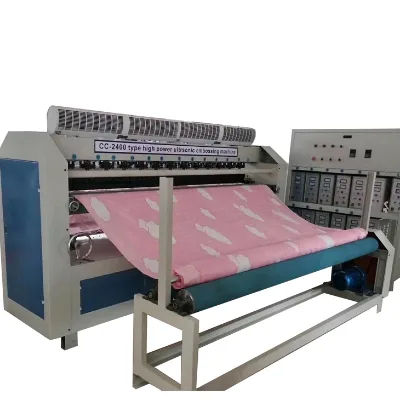

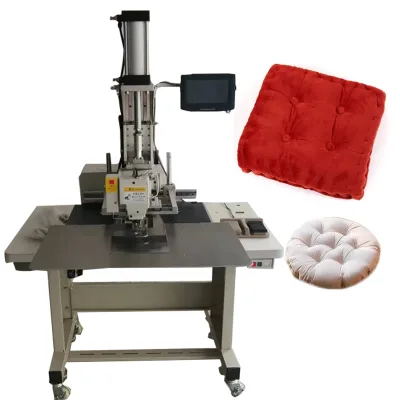
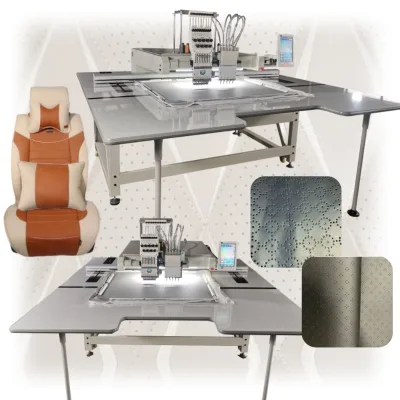
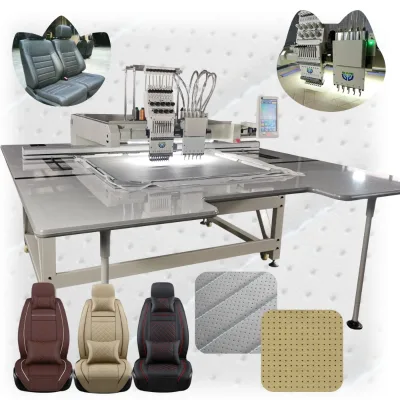

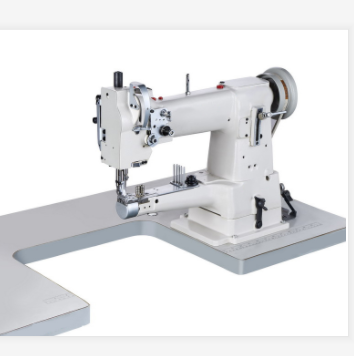
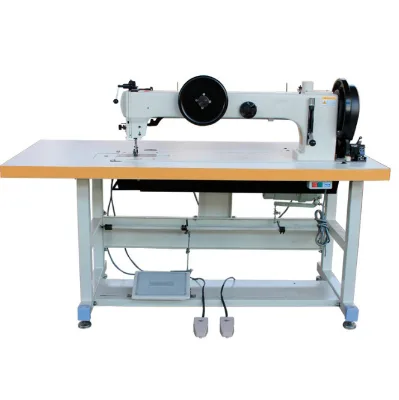


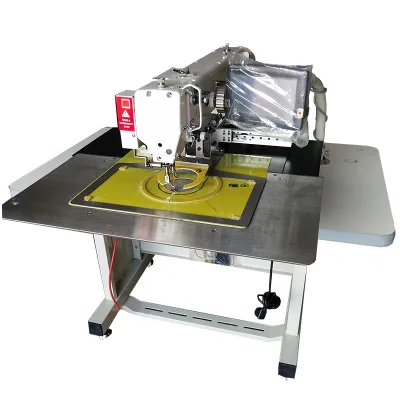
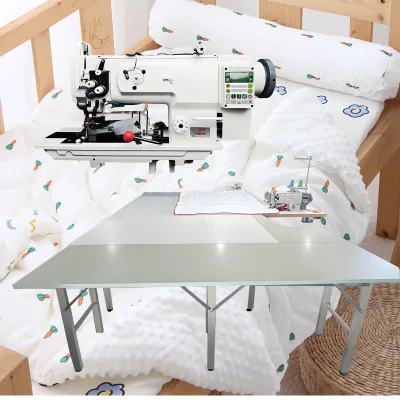
Automation Sewing Machine for Leather Car Seats Leather Pattern Sewing Machine for Shoes
$1325.5862 - $1528.6592
MOQ: 1 sets
Comprehensive Sourcing Guide
Car Making Sewing Machine Sourcing Guide
Sourcing industrial sewing equipment for automotive upholstery requires precise alignment between machine capabilities and production volume. Buyers must evaluate whether the equipment supports high-speed lock stitching or specialized pattern sewing for complex car seat geometries. The decision hinges on matching the machine’s sewing area and hook size to the specific fabric layers and foam densities used in vehicle interiors.
Procurement teams should prioritize machines with programmable features and automatic lubrication to ensure consistent stitch quality over long shifts. Verifying the mechanical configuration, such as off-the-arm or flat-bed designs, is critical for accessing difficult-to-reach areas of car seats. Understanding these technical nuances prevents costly mismatches between the sewing hardware and the actual manufacturing workflow on the factory floor.
Product Scope and Observed Listing Signals
Market listings for car making sewing machines reveal a diverse range of industrial solutions, including automatic computer pattern sewers and high-speed flat-bed units. Observed data indicates a price range from $1 to over $54,000, reflecting variations in automation levels and core components like PLCs or standard motors. Buyers should note that minimum order quantities typically start at one unit, allowing for flexible pilot purchases before committing to larger fleet deployments.
The observed product attributes highlight key selling points such as automatic operation, large hooks, and programmable controls. Specific models like the 13090 and 12080 demonstrate distinct capabilities, with sewing areas ranging from 130x90mm to 1200x800mm. These signals suggest that suppliers offer specialized machines for different stages of car seat assembly, from initial frame stitching to final upholstery finishing, requiring buyers to match specifications to their exact production needs.
Technical Specifications to Verify
Buyers must rigorously verify sewing speed, power consumption, and maximum thickness capacity to ensure compatibility with automotive materials. Observed specifications show sewing speeds ranging from 200 to 3000 stitches per minute, with power ratings between 1200W and 1500W. It is essential to confirm that the machine can handle the maximum sewing thickness of your target materials, which may range from 3mm to 12mm depending on the seat cushion density and fabric layers.
Dimensional accuracy and weight are critical for factory floor planning and logistics. Overall dimensions vary significantly, with some units measuring 2400x1930x1370mm and weighing up to 480kg, while others are more compact at 1.2x0.55x1.05m and 52kg. Procurement teams should validate the single package size and gross weight to calculate shipping costs accurately and ensure the equipment fits within existing workshop space constraints and loading dock capabilities.
Compliance and Safety Documentation
Safety compliance is paramount when operating high-speed industrial machinery in automotive manufacturing environments. Buyers should request documentation confirming that the electrical systems, including 220V voltage requirements, meet local safety standards and are properly grounded. Verification of core components like PLCs and gears should include manufacturer warranties and safety certifications to prevent operational hazards during high-speed stitching processes.
Documentation regarding video outgoing inspections provides an additional layer of quality assurance before shipment. Procurement teams should review these videos to verify the machine’s condition and functionality prior to acceptance. Ensuring that the supplier provides comprehensive operation manuals and maintenance guides is also essential for training staff and maintaining the machine’s performance and safety standards throughout its operational lifecycle.
Cost Drivers and Commercial Terms
The total cost of ownership is influenced by the machine’s automation level, core components, and warranty terms. Models featuring PLCs and automatic lubrication systems typically command higher prices but offer greater efficiency and lower long-term maintenance costs. Buyers should analyze the warranty period, which is often one year, to understand the supplier’s confidence in their product’s durability and the support available during the initial operational phase.
Commercial terms such as supply ability and lead times impact production planning and inventory management. Suppliers may offer varying supply abilities, such as 20 sets per month, which affects the scalability of your procurement strategy. Negotiating clear terms regarding payment schedules, shipping responsibilities, and after-sales support is crucial to managing cash flow and ensuring that any technical issues are resolved promptly without disrupting the automotive assembly line.
Supplier Qualification and Quality Control
Evaluating supplier qualifications involves assessing their place of origin, production capacity, and quality control processes. Many industrial sewing machines originate from regions like Hebei, China, where specialized manufacturing clusters exist. Buyers should verify the supplier’s ability to provide consistent quality by requesting references or case studies from other automotive or garment industry clients who have successfully implemented similar equipment.
Quality control measures should include pre-shipment inspections and detailed technical specifications verification. Suppliers offering video outgoing inspections demonstrate a commitment to transparency and quality assurance. Procurement teams should establish clear acceptance criteria based on the observed specifications, such as stitch length accuracy and sewing speed consistency, to ensure that the delivered machines meet the rigorous demands of automotive upholstery production.
Long-Term Procurement Checks
Long-term success depends on the availability of spare parts, technical support, and maintenance services. Buyers should confirm that the supplier provides a steady supply of critical components like needles, gears, and PLC modules to minimize downtime. Establishing a service agreement or verifying the supplier’s local support network is essential for addressing any technical issues that may arise during the machine’s operational life.
Regular performance monitoring and preventive maintenance are key to extending the machine’s lifespan and maintaining stitch quality. Procurement teams should implement a schedule for checking automatic lubrication systems, hook conditions, and PLC programming updates. By maintaining detailed records of machine performance and maintenance activities, buyers can optimize operational efficiency and make informed decisions about future equipment upgrades or replacements.
FAQs
What are the overall dimensions of the industrial sewing machine?
The overall dimensions are 2400 by 1930 by 1370 millimeters for one model. Another model measures 2000 by 1960 by 1360 millimeters. These sizes accommodate large hook features and automatic operations for car seat manufacturing applications.
Can the machine operate at high speeds for production lines?
Yes, the machine operates at speeds ranging from 200 to 3000 revolutions per minute. It features high-speed capabilities with a maximum sewing speed of 3000 stitches per minute. This ensures efficient output for garment shops and machinery repair shops.
Which core components drive the automatic computer pattern sewing machine?
The core components include a PLC and gear system for the industrial model. Another model utilizes a motor as its primary core component. These parts support programmable functions and automatic lubrication for reliable performance during heavy-duty sewing tasks.
What is the maximum sewing thickness the machine can handle?
The maximum sewing thickness varies by model, reaching up to 12 millimeters for one unit. Another model handles a maximum thickness of 6 millimeters, while a flat bed version supports up to 3 millimeters. This flexibility suits various material requirements.
How is the warranty coverage structured for these industrial machines?
The warranty coverage is provided for a duration of one year. This applies to the industrial sewing machine for car seats making and other listed models. Buyers should verify specific terms during the purchasing process to ensure full protection.
Where is the place of origin for these sewing machines located?
The place of origin is Hebei, China. This location applies to the industrial sewing machines and automatic computer pattern sewing machines listed. Buyers can expect products manufactured in this region with specific voltage and power configurations.
What is the power consumption of the automatic sewing machine?
The power consumption is 1200 watts for one model and 1500 watts for another. These machines operate at 220 volts and are designed for industrial environments. The power rating supports high-speed operations and programmable features effectively.