Source Cartoon Character Inflatable Bouncer for Parks, Schools, and Malls
Find and compare 30 Cartoon Character Inflatable Bouncer options for amusement parks, kindergartens, and shopping malls. Evaluate specifications like PVC material, CE/EN71 standards, and capacity to select the right commercial play equipment for your venue.
Key considerations
Products List


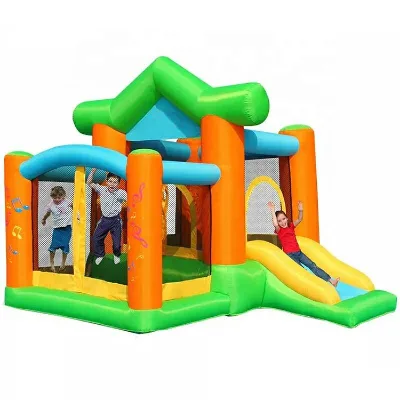

Promotional Various Durable Using Outdoor Toys Inflatable Bouncer Inflatable Bouncer
$652.00 - $8000.00
MOQ: 1 Pieces


Cartoon Theme Inflatable Combo Bounce House Jumper Trampoline Combo Bouncy Castle
$499.00 - $1266.00
MOQ: 1 Pieces

Animal Theme Inflatable Playground Indoor Playground Inflatable Game Park
$999.00 - $1299.00
MOQ: 1 Pieces

Cartoon Inflatable Jumping Castle, Inflatable Bouncy Castle for Children
$1000.00 - $1500.00
MOQ: 1 Pieces

Cartoon Small Inflatable Bouncy Castle Inflatable Bouncer Slide Combo
$600.00 - $5000.00
MOQ: 1 Pieces


inflatable toys inflatable bouncer jumping castle trampoline playground For Indoor or Outdoor use
$50.00 - $80.00
MOQ: 1 Square Meters

Pink color mini cartoon inflatable bouncer jumping castle bounce house for sale
$400.00 - $1000.00
MOQ: 1 Pieces

Pink inflatable bouncer with customized bounce Characters playing in the garden
$600.00 - $1000.00
MOQ: 1 Pieces
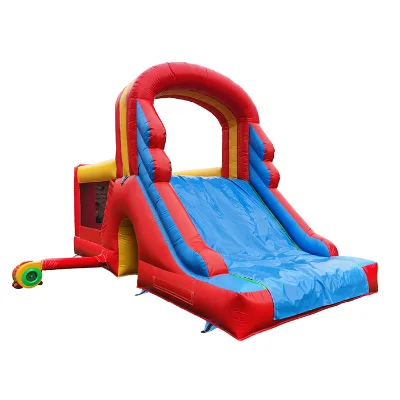


Comprehensive Sourcing Guide
Cartoon Character Inflatable Bouncer Sourcing Guide
Sourcing cartoon character inflatable bouncers requires a disciplined approach to balancing aesthetic appeal with rigorous safety engineering. These structures are primarily designed for amusement parks, commercial playgrounds, and community centers, serving children typically aged between three and eight years old. The visual design often features popular cartoon characters to attract young users, but the underlying structural integrity must withstand dynamic loads from active play. Buyers must recognize that while the exterior is colorful and engaging, the internal air pressure system and material thickness are the critical determinants of safety and longevity.
The procurement process involves evaluating a wide range of product models, from small units suitable for kindergartens to large-scale installations for theme parks. Observed market listings indicate a significant variance in capacity, ranging from units holding five to twenty children to those accommodating twenty to thirty or even exceeding five hundred kilograms in total load. This diversity means that a single sourcing strategy cannot apply to all use cases. Procurement teams must first define the specific operational environment and target demographic before evaluating suppliers, as the required specifications for a residential backyard unit differ vastly from those needed for a high-traffic commercial city park.
Product Scope and Observed Listing Signals
The current market for inflatable bouncers presents a broad spectrum of options, with observed price points ranging from fifty to eight thousand US dollars. This wide range reflects differences in material quality, size, complexity of design, and included accessories. Buyers should note that the minimum order quantity (MOQ) typically ranges from one to fifteen units, allowing for both single-unit trials and bulk procurement for large venues. Understanding these market signals helps in budgeting and negotiating terms, as higher-priced units often include enhanced features such as customized branding, superior repair kits, or extended warranty periods.
Key attributes observed in listings include the use of PVC or LLDPE and PVC compound cloth materials, with fabric thicknesses commonly cited around 0.55mm. The weight of these structures varies significantly, with some units weighing between 200 and 249 kilograms, while others may weigh between 250 and 300 kilograms. These physical characteristics are direct indicators of durability and wind resistance. Additionally, many suppliers offer customization options, allowing buyers to tailor the cartoon character designs to specific branding needs or local preferences, which is a valuable feature for commercial operators seeking to create unique experiences.
Technical Specifications to Verify
When evaluating technical specifications, the material composition is a primary concern. Buyers should verify whether the unit is constructed from standard PVC or a more durable LLDPE and PVC compound cloth. The material should possess high strength, be lead-free, waterproof, fire-retardant, and UV protective to ensure longevity in outdoor environments. The absence of an included blower in some listings is a critical detail; buyers must confirm whether the air blower is included in the package or must be sourced separately. If included, the blower should meet specific electrical standards, such as CE certification for 220v-240v or 110v-120v inputs, with appropriate plug types for the destination country.
Capacity and dimensions are equally important for operational planning. Units are designed for specific age groups, such as 5-7 years or 3-8 years old, and have defined passenger limits, ranging from ten to over fifty allowable passengers. Buyers must verify the single package size and gross weight to plan for logistics and storage. For instance, some units have a single package size of 200x100x100 cm and a gross weight of 68 kg, which impacts shipping costs and handling requirements. Additionally, optional parts such as card holders, rain/sun roofs, ramps, obstacles, slides, pools, and basketball hoops can significantly alter the functionality and cost of the unit, so these should be specified clearly in the purchase order.
Compliance and Safety Documentation
Safety compliance is non-negotiable for inflatable bouncers, especially those used in public spaces. Buyers must request documentation proving adherence to recognized international standards, including CE, EN71, ASTM, and GS. These certifications ensure that the materials are non-toxic and that the structural design meets rigorous safety criteria. The presence of a repair kit, including glue and material patches, is often provided for free, which is a practical consideration for maintenance but does not replace the need for certified manufacturing processes. Buyers should verify that the supplier provides valid certificates for each batch or model, as counterfeit documentation is a risk in this sector.
The warranty terms also serve as an indicator of the supplier’s confidence in their product’s safety and durability. Observed warranties range from one year limited to three years against material defects and workmanship. A longer warranty period often suggests higher quality control standards. However, buyers should read the fine print to understand what is covered, such as whether damage from improper setup or extreme weather is excluded. Ensuring that the product meets local regulatory requirements in the destination country is the buyer’s responsibility, so verifying that the supplier’s certifications are recognized in the target market is essential.
Cost Drivers and Commercial Terms
Several factors drive the cost of cartoon character inflatable bouncers, including material thickness, size, and the complexity of the cartoon design. Customization adds to the cost, as does the inclusion of additional features like slides or basketball hoops. Buyers should also consider the shipping costs, which vary based on the method chosen. Express shipping takes three to nine days, air freight takes ten to forty days, and sea freight is the most economical but slowest option. The total landed cost must include these logistics expenses, as well as any import duties or taxes.
Payment terms are another critical commercial aspect. Suppliers typically accept T/T, Western Union, Money Gram, PayPal, or cash. Buyers should negotiate favorable payment terms, such as a deposit followed by payment upon completion of production or before shipment, to mitigate financial risk. The lead time for production is typically twenty to thirty days after receiving the deposit, so buyers must plan their procurement schedule accordingly to ensure timely delivery for events or seasonal openings. Understanding these commercial terms helps in managing cash flow and avoiding delays in project timelines.
Supplier Qualification and Quality Control
Selecting a reliable supplier is crucial for ensuring the quality and safety of inflatable bouncers. Buyers should verify the supplier’s place of origin, with common manufacturing hubs in Jiangsu Nanjing and Guangdong, China. While the location itself does not guarantee quality, it provides context for the supply chain ecosystem. Buyers should request references or case studies from previous clients, particularly those in similar industries such as amusement parks or educational play areas. Checking the supplier’s reputation and history in the market can provide insights into their reliability and customer service quality.
Quality control measures should be explicitly discussed with the supplier. Buyers should inquire about the manufacturing process, including how materials are tested for strength and durability. The availability of a repair kit is a positive sign, but it should not be the only quality indicator. Buyers may consider third-party inspection services to verify the product’s quality before shipment, especially for large orders. This step can help identify any defects or deviations from the agreed specifications, ensuring that the delivered product meets the required standards.
Long-Term Procurement Checks
Long-term procurement success depends on establishing a strong relationship with the supplier and implementing ongoing quality checks. Buyers should monitor the performance of the inflatable bouncers in the field, tracking issues such as material wear, blower efficiency, and user feedback. Regular maintenance and timely repairs using the provided kit can extend the lifespan of the unit. Buyers should also stay updated on changes in safety standards and regulations, ensuring that their inventory remains compliant over time.
Continuous communication with the supplier is essential for addressing any issues that arise and for exploring new product offerings. Suppliers may introduce new models with improved features or materials, so maintaining an open dialogue can help buyers stay competitive. Additionally, buyers should review the after-sale service provided by the supplier, including the responsiveness of their support team and the availability of spare parts. A reliable after-sale service can significantly reduce downtime and operational costs, making it a key factor in the long-term value of the procurement.
FAQs
What certifications do these inflatable bouncers have?
These units carry ASTM, CE, EN, and GS certifications to ensure safety compliance. Specific models also meet EN71 standards for toy safety. Buyers should verify the exact certification list for each product model before ordering to match local regulations.
How much does a Cartoon Character Inflatable Bouncer weigh?
The weight typically ranges from 200 to 300 kilograms depending on the specific model and size. Some larger units may exceed 500 kilograms in maximum capacity. This weight impacts shipping costs and requires appropriate handling equipment for installation.
Can I customize the size and design of the bouncer?
Yes, customization is available for size, design, and specific features like slides or pools. The fabric thickness is 0.55mm PVC, and materials include LLDPE and PVC compound cloth. Buyers can request specific dimensions to fit their venue requirements.
What is the lead time for manufacturing and delivery?
The manufacturing lead time is 20 to 30 days after receiving the deposit. Shipping takes 3 to 9 days by express or 10 to 40 days by sea. The exact timeline depends on the chosen shipping method and the supplier's current production schedule.
Which age group is suitable for this inflatable bouncer?
The product is designed for children aged 3 to 8 years old. Some models accommodate 5 to 7 years specifically, while others support 5 to 20 or 20 to 30 children simultaneously. Always check the capacity limits for the specific model selected.
What warranty is provided for the inflatable bouncer?
A 1-year limited warranty or a 3-year warranty against material defects and workmanship is available. Repair kits with glue and material patches are provided for free. This ensures long-term usability and easy maintenance for commercial or home use.