Source carved eco-friendly coconut bowl for bowls, decor, and planting
Find 30 options for the carved eco-friendly coconut bowl, featuring 100% coconut shell and bamboo materials. Compare styles like American and modern designs, check dimensions from 3.94 to 5.91 inches, and review customization options for OEM branding and logo printing.
Updated
Key considerations
Products List
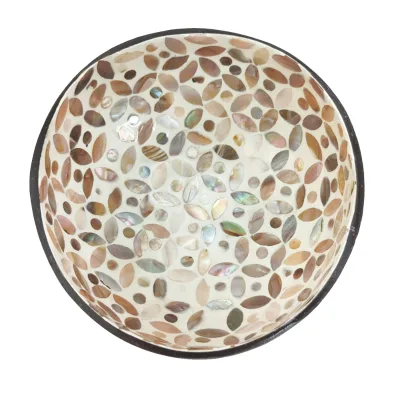
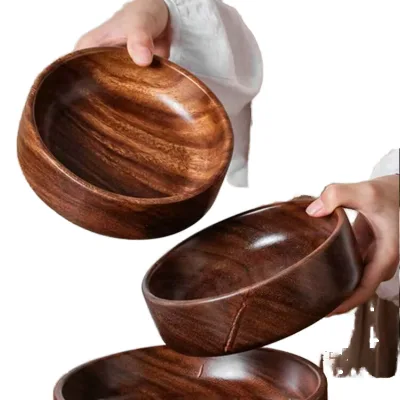
Natural Coconut Bowl Tableware Wooden Eco Friendly Candle Coconut Bowl
$0.8019 - $1.9328
MOQ: 100 pieces
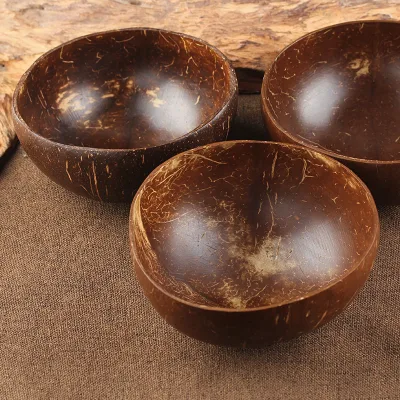
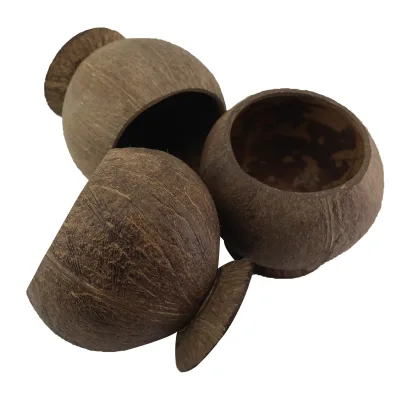
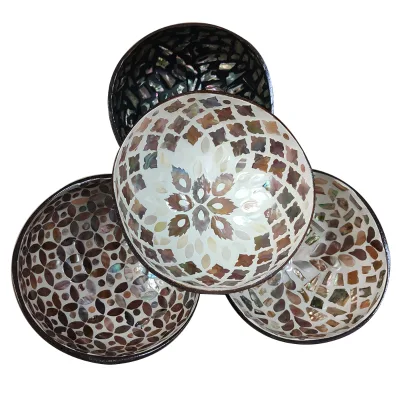
Hot sale colorful lacquer coconut shell bowl/ handmade design coconut bowl
$2.2575 - $2.6719
MOQ: 1 pieces
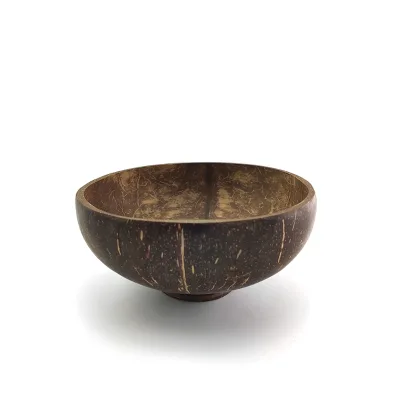
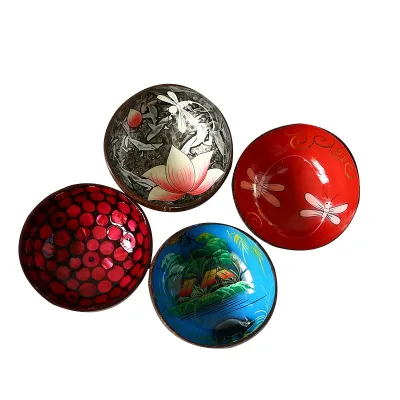
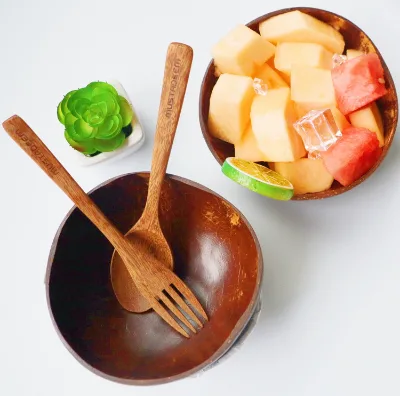
Natural Handmade Coconut Shell Bowl
$1.25 - $1.40
MOQ: 100 pieces
Shenzhen Nicebest International Import & Export Co., Limited
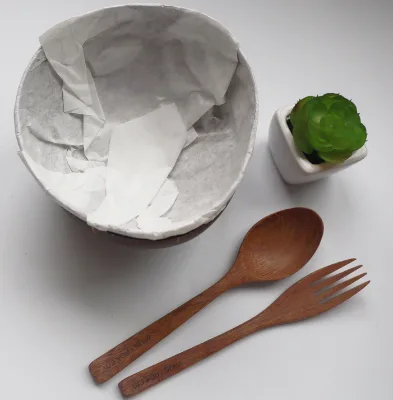

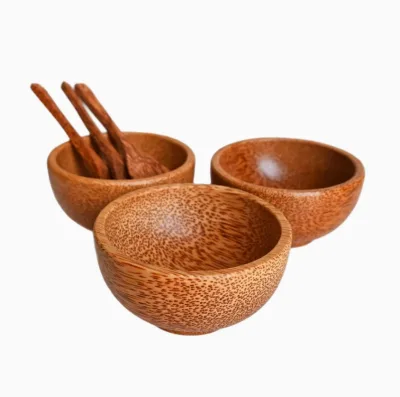
Hot Selling Natural Eco-friendly Durable Polished Coconut Wood Bowl for Gift Household
$2.039 - $2.5507
MOQ: 50 pieces
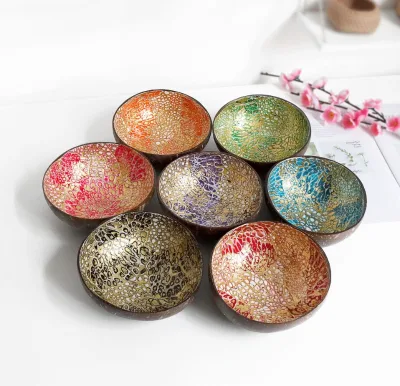
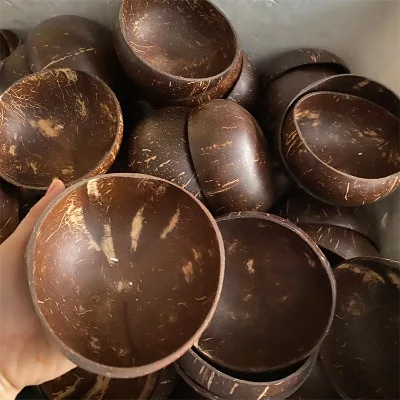
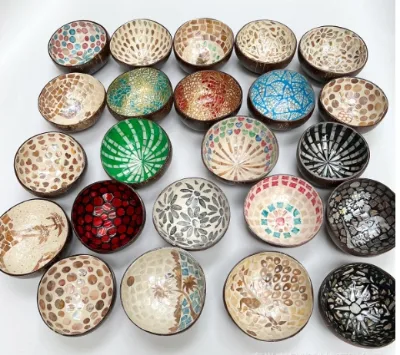
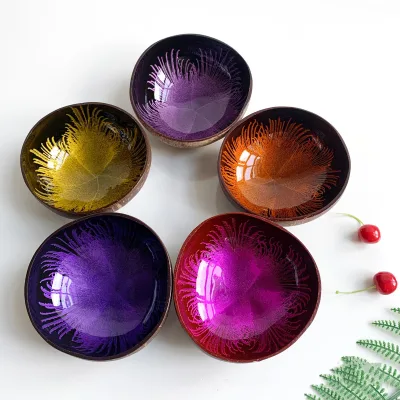
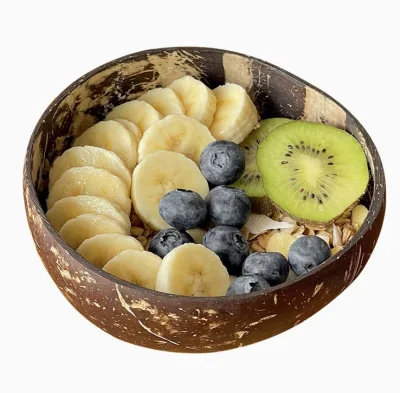
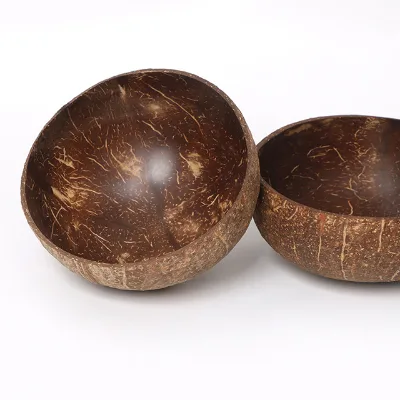
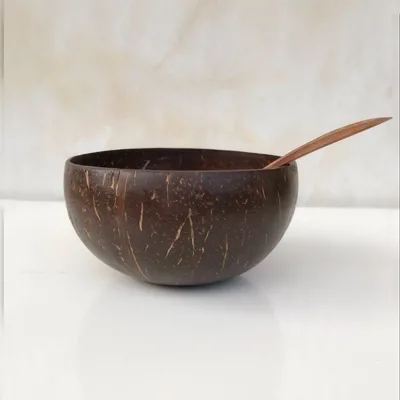
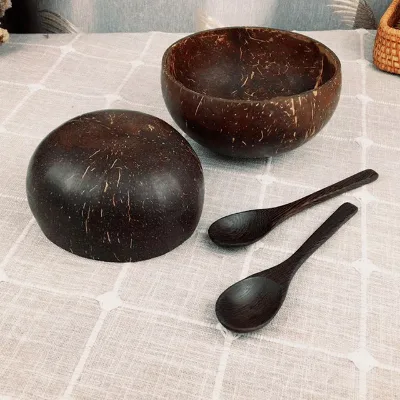
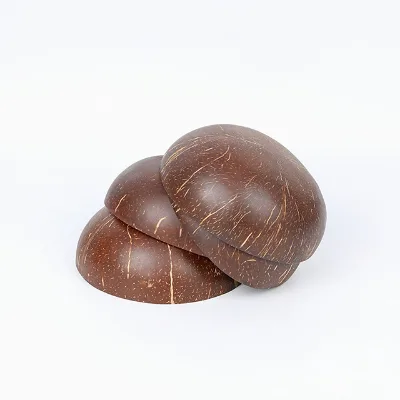
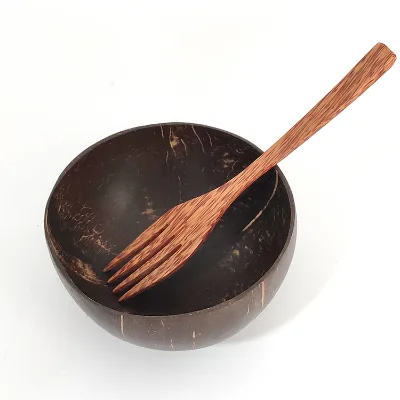
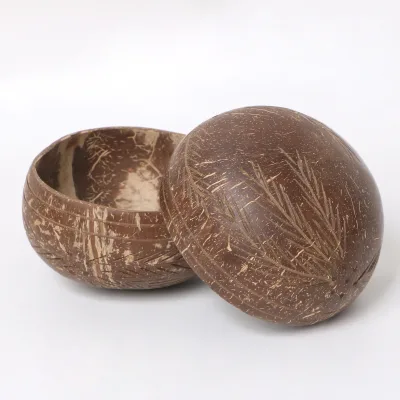


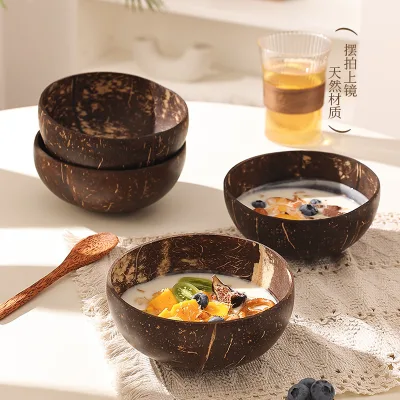
Custom Logo Wholesale Friendly Coco Shell Coconut Bowl Natural Coconut Bowls
$0.5745 - $0.6672
MOQ: 200 sets
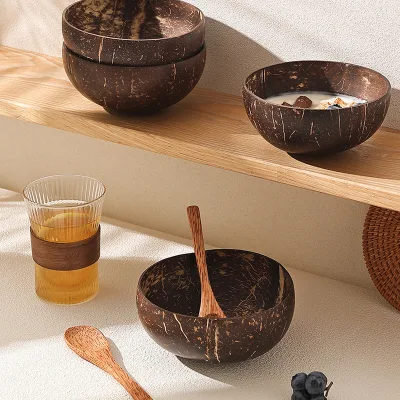
Socan Eco-Friendly Natural Handmade Custom Wholesale Coconut Candle Bowl Coconut Shell Bowl
$0.5745 - $0.6672
MOQ: 200 sets
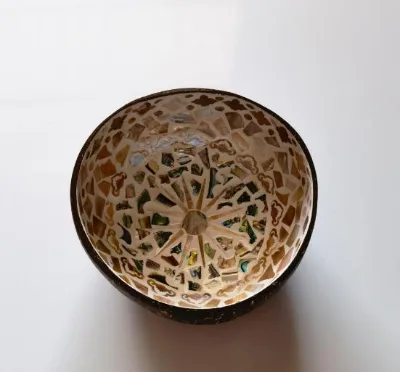
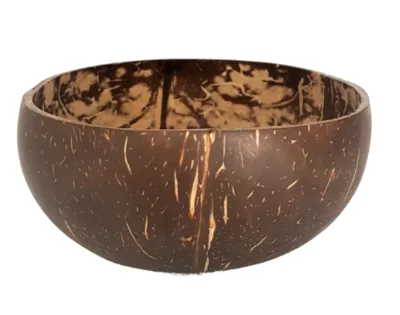


Comprehensive Sourcing Guide
Carved Eco-Friendly Coconut Bowl Sourcing Guide
Sourcing carved eco-friendly coconut bowls requires a disciplined approach to verifying material authenticity and manufacturing origin. Buyers must distinguish between genuine coconut shell products and those using mixed or synthetic materials. The observed market data indicates a strong presence of suppliers from Guangdong, China, offering items described as 100% coconut shell or bamboo. Procurement teams should prioritize suppliers who explicitly state their material composition and provide clear origin details. This verification step is critical to ensuring that the final product meets sustainability claims and avoids regulatory issues related to mislabeled goods.
Commercial terms in this category vary significantly based on customization and volume. Observed minimum order quantities range from one piece to one thousand units, allowing for both sample testing and bulk procurement. Prices observed in the market span from $0.29 to $9.98 per unit, reflecting differences in size, finish, and branding options. Buyers should negotiate based on these observed ranges while accounting for additional costs such as logo customization, which is widely available. Understanding these commercial variables helps in budgeting accurately and selecting suppliers who align with specific project constraints and quality expectations.
Product Scope and Observed Listing Signals
The product scope for carved eco-friendly coconut bowls encompasses a variety of applications, including dining, decoration, and storage. Listings frequently describe these items as suitable for serving cereal, meaty green plants, or as decorative pieces. Some suppliers highlight the bowls' use in candle making, indicating versatility beyond standard tableware. Buyers should carefully review product descriptions to match the item’s intended use with their specific operational needs. The diversity in applications means that not all listed bowls are suitable for direct food contact, requiring careful selection based on the end-use scenario.
Observed listing signals reveal a wide range of styles and finishes available in the market. Products are described with attributes such as "American Style," "Modern," and "Handmade Polished," catering to different aesthetic preferences. Colors range from natural brown to colorful coconut variations, with some items featuring gem-style designs. These visual and stylistic differences impact the perceived value and target market for the product. Procurement teams should analyze these signals to ensure that the selected bowls align with their brand identity and customer expectations, avoiding mismatches in style or finish that could lead to returns or dissatisfaction.
Technical Specifications to Verify
Technical specifications for coconut bowls include dimensions, weight, and packaging details that must be verified before ordering. Observed data shows single package sizes ranging from 20x2x2 cm to 2x3x4 cm, with gross weights varying from 0.350 kg to 1.000 kg. Diameter measurements are commonly listed as 5 inch, 5.5 inch, or within a range of 3.94-5.91 inches. Buyers should confirm these specifications with suppliers to ensure compatibility with existing storage, shipping, or display systems. Accurate dimension verification prevents logistical issues and ensures that the product fits the intended use case without unexpected size discrepancies.
Model numbers and product names provide additional layers of identification that should be cross-referenced with supplier catalogs. Common model numbers observed include 1707, 1270, 1258, and 1240, each potentially corresponding to different designs or sizes. Product names often include keywords like "Natural Coconut Bowl" or "Eco Friendly Cup," which help in searching and filtering options. Buyers should request detailed specification sheets for each model to understand variations in thickness, rim design, and interior finish. This level of detail is essential for maintaining consistency across large orders and ensuring that all units meet the required technical standards.
Compliance and Safety Documentation
Compliance and safety documentation is crucial for coconut bowls intended for food contact or consumer use. Buyers must verify that suppliers provide evidence of material safety, such as tests confirming the absence of harmful chemicals or treatments. While specific certification statuses are not universally listed, buyers should request documentation that demonstrates adherence to relevant food safety standards. This may include certificates of analysis or test reports from accredited laboratories. Ensuring that the product is safe for its intended use protects the buyer from liability and maintains consumer trust in the brand.
Environmental claims also require substantiation through appropriate documentation. Products marketed as "Eco-Friendly" or "Biodegradable" should be supported by data or certifications that validate these assertions. Buyers should inquire about the sourcing of the coconut shells and the manufacturing processes used to ensure they align with sustainability goals. Documentation regarding the biodegradability of the product or the ethical sourcing of materials can enhance the product’s marketability. Procurement teams should integrate these compliance checks into their supplier evaluation process to mitigate risks associated with greenwashing or regulatory non-compliance.
Cost Drivers and Commercial Terms
Cost drivers for carved eco-friendly coconut bowls include material quality, customization, and order volume. The observed price range of $0.29 to $9.98 reflects these variables, with higher prices typically associated with premium finishes, larger sizes, or custom branding. Buyers should analyze the cost structure to understand how each factor impacts the final price. For instance, customized logos or specific packaging requirements may incur additional fees. Understanding these drivers allows buyers to negotiate more effectively and identify opportunities for cost savings without compromising on quality or specifications.
Commercial terms such as minimum order quantities and lead times also influence the total cost of procurement. Observed MOQs range from one piece to one thousand units, offering flexibility for different order sizes. Buyers should align their order quantities with their inventory needs and cash flow constraints to optimize costs. Additionally, lead times can vary based on production capacity and customization requirements. Negotiating clear terms regarding delivery schedules and payment conditions helps in managing supply chain risks and ensuring timely receipt of goods. These commercial considerations are integral to building a sustainable and efficient procurement strategy.
Supplier Qualification and Quality Control
Supplier qualification involves assessing the reliability and capability of manufacturers to deliver consistent quality. Buyers should verify the supplier’s production capacity, quality control processes, and track record in the market. Observations indicate that many suppliers offer customized logos and have specific model numbers for their products, suggesting a level of operational maturity. Procurement teams should request samples to evaluate the craftsmanship, finish, and durability of the bowls. This hands-on assessment is critical for identifying potential issues before committing to large orders and ensuring that the supplier can meet quality expectations.
Quality control measures should be established to monitor production consistency and address any defects. Buyers should implement incoming inspection protocols to verify that received goods match the approved samples in terms of size, weight, and appearance. Regular audits of the supplier’s quality management system can help maintain high standards over time. Additionally, clear communication channels for reporting and resolving quality issues are essential. By prioritizing supplier qualification and robust quality control, buyers can minimize the risk of receiving substandard products and ensure customer satisfaction with the final goods.
Long-Term Procurement Checks
Long-term procurement checks focus on maintaining supplier performance and adapting to market changes. Buyers should regularly review supplier metrics such as on-time delivery, defect rates, and responsiveness to issues. Continuous monitoring helps in identifying trends and addressing potential problems before they escalate. Additionally, staying informed about market developments, such as new materials or design trends, allows buyers to innovate and stay competitive. Regular supplier evaluations ensure that the procurement strategy remains aligned with business goals and market demands, fostering a resilient and adaptable supply chain.
Sustainability and ethical sourcing should remain a priority in long-term procurement strategies. Buyers should periodically reassess their suppliers’ environmental practices and social responsibility commitments. This may involve requesting updated documentation or conducting on-site visits to verify compliance with sustainability standards. Engaging in dialogue with suppliers about improving their practices can drive positive change and enhance the brand’s reputation. By integrating long-term checks into their procurement process, buyers can build lasting partnerships that support both business success and broader societal goals.
FAQs
What material is used for the carved eco-friendly coconut bowl?
The bowl is made from 100% natural coconut shell. This material ensures the product is biodegradable and eco-friendly. It serves as a sustainable alternative to plastic or ceramic tableware. The natural brown color and round shape highlight its organic origin. Each piece is crafted to maintain the integrity of the coconut shell while providing a durable surface for daily use.
Can I customize the logo on the coconut shell bowl?
Yes, customized logos are available for these bowls. Buyers can request specific branding to enhance their product identity. This customization option allows for unique marketing and gifting purposes. The bowls support various applications including decoration, storage, or planting. Contact suppliers to discuss specific logo placement and design requirements for your order.
What is the minimum order quantity for these bowls?
The minimum order quantity is flexible, with one piece welcomed. This low MOQ allows buyers to test quality before bulk purchasing. Suppliers typically offer ranges from 1 to 1000 units. This structure supports both small sample orders and larger commercial needs. It provides accessibility for new businesses looking to source eco-friendly tableware without high initial commitments.
What are the common applications for the coconut shell bowl?
These bowls are used for decoration, storage, or planting green plants. They also serve as candle making bowls or cereal dishes. The versatile design fits various occasions including presents or daily dining. The sturdy construction handles meaty plants or dry goods well. Their natural aesthetic makes them suitable for modern or American style decor settings.
Where are these eco-friendly coconut bowls manufactured?
These bowls originate from Guangdong, China. This region is known for its manufacturing capabilities in wooden handicrafts. The production process involves handcrafted techniques to ensure quality. Buyers can expect consistent output from factories in this location. The origin supports efficient logistics and supply chain management for international orders.
What sizes are available for the coconut shell bowl?
Available sizes range from 3.94 to 5.91 inches in diameter. Specific options include 4.25, 4.5, 5, and 5.5 inches. These dimensions cater to various uses like cereal bowls or planters. The single package size is approximately 20x2x2 cm. Buyers can select the exact diameter needed for their specific application or retail requirements.