Source Asian Zen Round Tea Cup for Travel, Gifts, and Daily Use
Explore 30 listings for the Asian Zen Round Tea Cup, comparing ceramic and glass options from Fujian and Shanxi. Buyers can evaluate styles like Japandi and Retro, along with eco-friendly features and varying package sizes for different occasions; compare the available evidence and request quotations based on your requirements.
Updated
Key considerations
Products List



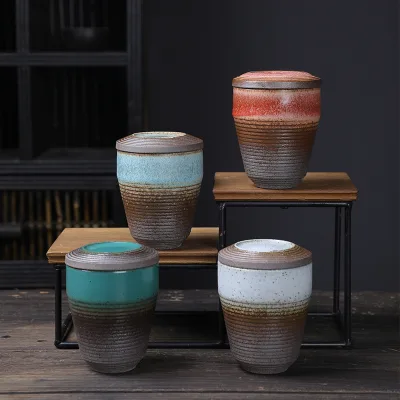
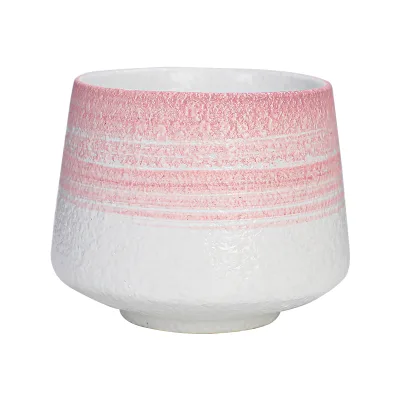
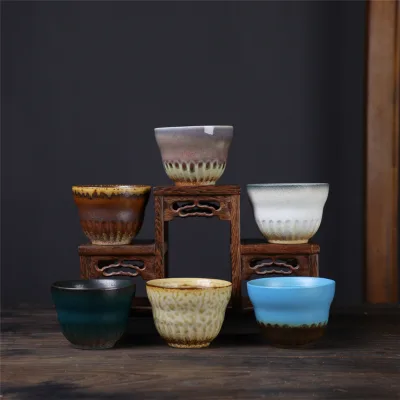

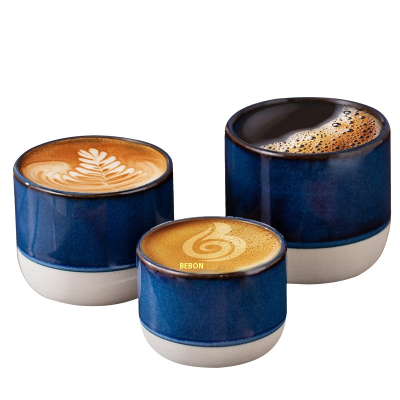

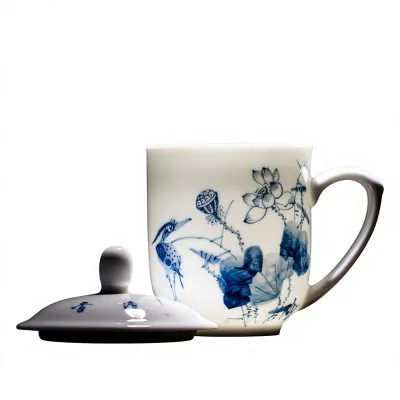
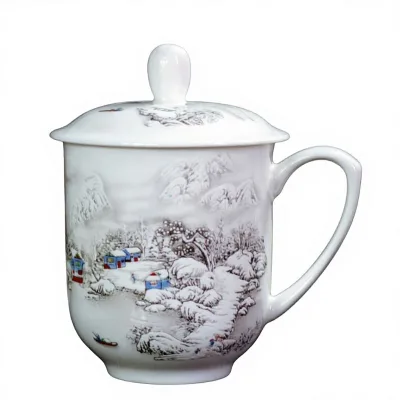


Comprehensive Sourcing Guide
Asian Zen Round Tea Cup Sourcing Guide
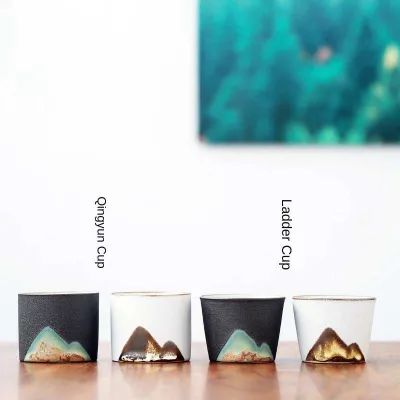
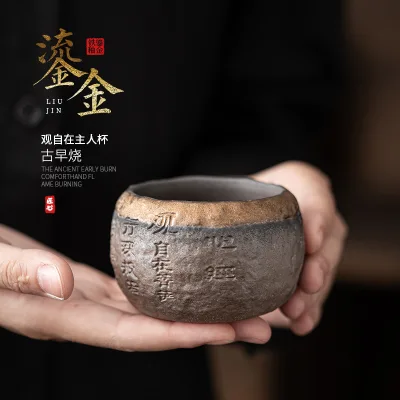
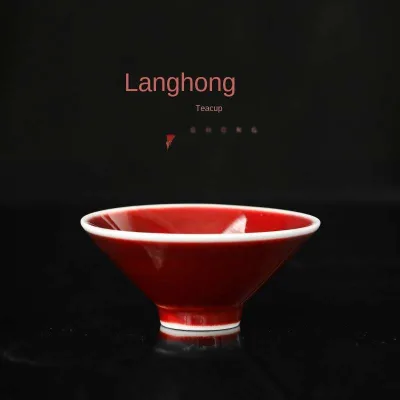
Sourcing Asian Zen round tea cups requires a nuanced understanding of aesthetic alignment and functional durability, particularly when integrating these items into hospitality or retail environments. The observed market signals indicate a strong preference for styles that blend traditional Asian Zen motifs with modern Japandi and New Chinese design elements. Buyers must carefully evaluate whether the specific cup geometry supports the intended tea ceremony or casual drinking experience, as the round shape often dictates heat retention and handling comfort. It is critical to distinguish between products marketed as "Eco-Friendly" and those that are merely "Stocked" or "Disposable," as this distinction fundamentally alters the supply chain strategy and end-user perception.
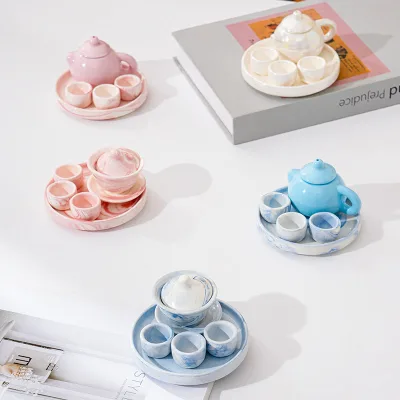
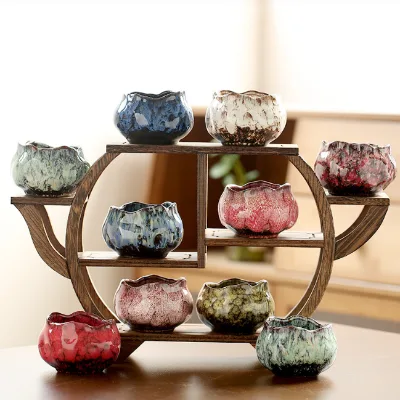
Procurement teams should also consider the origin of manufacture, with significant production hubs located in Fujian and Shanxi provinces, each offering distinct material advantages. Fujian-based suppliers often provide ceramic options with specific model numbers like 17 or 1048, while Shanxi origins may correlate with glass-based Zen cups. The visual presentation, including color variations such as teacup1 through teacup6 or specific coffee cup designs, must align with brand identity. Buyers need to verify if the "Retro" or "Classical" style descriptors match the actual product finish, ensuring that the aesthetic promise meets the physical reality of the sample before committing to bulk orders.
Product Scope and Observed Listing Signals
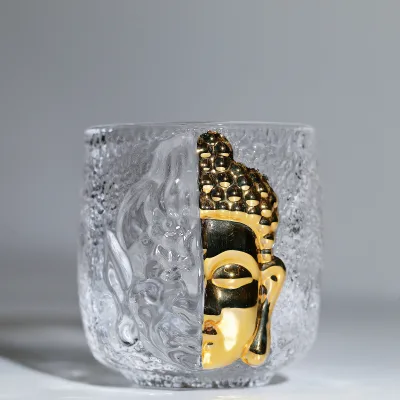
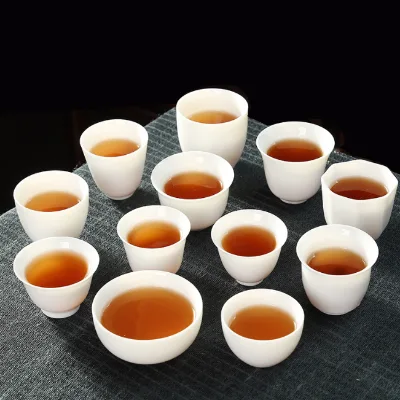
The current product landscape for Asian Zen round tea cups reveals a diverse range of materials, primarily ceramic and glass, catering to different usage occasions such as travel, back-to-school events, and gift-giving. Ceramic options often feature compact single package sizes, such as 12x10x10.5 cm or 18x18x18 cm, with gross weights ranging from 0.128 kg to 0.3 kg, indicating portability and ease of shipping. In contrast, larger glass Zen cups may have substantial packaging dimensions like 59x39x19 cm and higher gross weights up to 7.000 kg, suggesting bulk distribution or institutional use. These physical attributes directly impact logistics costs and storage requirements, making accurate specification verification essential for budgeting.
Brand presence varies across listings, with notable mentions of MINGSHUO for ceramic items and inncrystal for glass Zen cups, highlighting the importance of brand reputation in quality assurance. The volume specifications are inconsistent, with some cups listed at 80ml or 150 mL, while others are marked as "Other," requiring buyers to request precise capacity measurements. Features like "Food Contained Safe" and "Customized Logo Acceptable" suggest that many suppliers offer OEM services, allowing for brand integration. However, the presence of "Disposable" features alongside "Eco-Friendly" claims necessitates careful scrutiny to ensure that sustainability goals are not compromised by material choices, particularly when targeting environmentally conscious consumer segments.
Technical Specifications to Verify
Technical verification must begin with precise dimensional analysis, as single package sizes vary significantly from 12x10x10.5 cm to 25x25x25 cm depending on the model number and material. Buyers should confirm the exact outer dimensions and internal volume to ensure compatibility with existing shelving, packaging lines, or retail displays. The gross weight, ranging from 0.128 kg for small ceramic cups to 1.000 kg or 7.000 kg for larger glass sets, must be cross-referenced with shipping quotes to avoid unexpected freight cost overruns. Additionally, the shape classification as "Round" should be validated against actual product samples, as subtle deviations in curvature can affect stacking stability and visual uniformity in group settings.
Model numbers such as 17, 33, 1048, and 2034 serve as critical identifiers for traceability and reordering, but buyers must ensure these codes correspond to the correct material and style attributes. For instance, model 17 is associated with Japandi style ceramic cups, while model 2034 may relate to larger glass items with specific volume capacities. The color options, including teacup1 through teacup6 or customized colors, should be matched against Pantone standards or physical swatches to prevent color mismatch in large production runs. Furthermore, the "Single item" selling unit designation implies that pricing and MOQs are calculated per piece, requiring clear confirmation of whether accessories like saucers are included or sold separately.
Compliance and Safety Documentation
Compliance verification is paramount when sourcing drinkware, especially for products marketed as "Food Contained Safe" or intended for direct consumer use. Buyers must request documentation confirming that materials, whether ceramic or glass, meet relevant food contact safety standards in the destination market. For ceramic items, this may involve checking for lead and cadmium leaching limits, while glass products should be verified for thermal shock resistance and clarity standards. The "Eco-Friendly" claim requires substantiation through material composition reports or recycling certifications, ensuring that the product does not contain prohibited substances or harmful additives that could violate environmental regulations.
Additionally, suppliers offering "Customized Logo Acceptable" services must adhere to labeling and trademark compliance, ensuring that ink or engraving processes do not introduce toxic residues into the drinking area. Buyers should verify that the "Brown Box" packing method meets international shipping safety standards to prevent breakage during transit, particularly for fragile glass Zen cups. Documentation should also include any relevant quality management system certifications held by the manufacturer, such as ISO 9001, which indicates a structured approach to production consistency. Without these documents, buyers risk facing customs delays, product recalls, or liability issues related to consumer safety and environmental compliance.
Cost Drivers and Commercial Terms
Cost structures for Asian Zen round tea cups are influenced by material type, customization level, and order volume, with observed price ranges spanning from $0.2 to $8.19 per unit. Ceramic cups, particularly those with simple "Stocked" features, tend to be more cost-effective, while glass Zen cups with "Customized Color" and "Customized Logo" options command higher prices due to additional processing steps. The MOQ range of 1 to 2000 units offers flexibility for small businesses and large retailers alike, but buyers must calculate the per-unit cost impact of lower volumes against the convenience of immediate availability. Understanding these cost drivers helps in negotiating favorable terms and aligning procurement budgets with expected retail margins.
Commercial terms also include lead times and payment conditions, which vary based on whether the product is "Stocked" or requires custom manufacturing. For stocked items, lead times are typically shorter, allowing for rapid replenishment, while customized orders may require extended production periods. Buyers should clarify whether the quoted price includes packaging, such as the "Brown Box" mentioned, or if additional costs apply for premium packaging solutions. Payment terms, such as deposits or letters of credit, should be negotiated to mitigate financial risk, especially for large orders involving high-value glass items. Clear communication of these terms prevents misunderstandings and ensures a smooth transaction process from order placement to delivery.
Supplier Qualification and Quality Control
Supplier qualification involves assessing the manufacturing capabilities and quality control processes of producers in Fujian and Shanxi provinces. Buyers should verify the supplier's experience in producing Asian Zen style items, checking for past performance in delivering consistent quality across batches. For ceramic suppliers, inspecting kiln control and glazing processes is essential to ensure uniform color and finish, while glass manufacturers should demonstrate expertise in shaping and polishing to achieve the desired Zen aesthetic. Requesting references or case studies from previous clients can provide insights into the supplier's reliability and ability to meet specific design requirements.
Quality control protocols must be clearly defined, including pre-production sample approvals and in-line inspection checkpoints. Buyers should establish acceptance criteria for defects such as chips, cracks, or color variations, particularly for round-shaped cups where symmetry is crucial. For customized orders, implementing a first-article inspection ensures that logos and colors match the approved samples before mass production begins. Additionally, suppliers should provide a clear process for handling defective items, including replacement policies and cost responsibilities. Establishing a robust quality control framework minimizes the risk of receiving substandard products and protects the buyer's brand reputation.
Long-Term Procurement Checks
Long-term procurement success depends on continuous monitoring of supplier performance and market trends in the Asian Zen drinkware sector. Buyers should regularly review supplier delivery times, defect rates, and responsiveness to issues, using this data to inform future ordering decisions. As design trends evolve, staying updated on new styles such as Japandi or New Chinese influences ensures that the product offering remains relevant to consumers. Building a strong relationship with suppliers can lead to better pricing, priority production slots, and access to new product developments, providing a competitive advantage in the market.
Furthermore, buyers should periodically reassess the sustainability and safety compliance of their supply chain, ensuring that suppliers continue to meet evolving regulatory requirements. This includes verifying that "Eco-Friendly" claims remain valid and that materials do not contain harmful substances. Regular audits or third-party inspections can provide objective assessments of supplier practices, identifying areas for improvement before they become critical issues. By maintaining a proactive approach to supplier management and market analysis, buyers can secure a reliable supply of high-quality Asian Zen round tea cups that meet both functional and aesthetic expectations.
FAQs
What materials are used for asian zen round tea cups?
These cups are crafted from high-quality ceramic and glass materials. The ceramic options offer a sturdy and traditional feel, while the glass variants provide a modern, transparent aesthetic. Both materials are selected for their durability and ability to retain heat, ensuring a pleasant drinking experience for various tea types.
Can I customize the logo on these tea cups?
Yes, customized logos are acceptable for many of these products. Buyers can request specific branding to align with their corporate identity or retail needs. This customization service allows for unique marketing opportunities, making the cups suitable for gifts, promotional items, or branded merchandise in various commercial settings.
What is the typical packaging for these tea cups?
The cups are typically packed in brown boxes for safe transit. Some items may use individual single-item packaging to prevent damage. The packaging is designed to protect the fragile ceramic or glass during shipping, ensuring that the products arrive in pristine condition ready for immediate sale or distribution to end users.
Are these tea cups suitable for travel occasions?
Yes, several models are specifically designed for travel occasions. Their compact single package sizes and durable construction make them ideal for on-the-go use. These features ensure that the cups remain functional and intact during transport, providing convenience for travelers who wish to enjoy their favorite beverages while away from home.
What styles are available for asian zen round tea cups?
Available styles include Japandi, Retro, New Chinese Style, and Asian Zen. These designs reflect various cultural aesthetics, from minimalist Japanese influences to traditional Chinese motifs. Each style offers a unique visual appeal, allowing buyers to select options that best match their target audience's preferences and interior design themes.
What is the minimum order quantity for these cups?
The minimum order quantity ranges from 1 to 2000 units depending on the specific model. This flexibility accommodates both small sample orders and large bulk purchases. Buyers can choose quantities that fit their inventory needs, whether testing the market or fulfilling large-scale distribution requirements for retail or corporate clients.