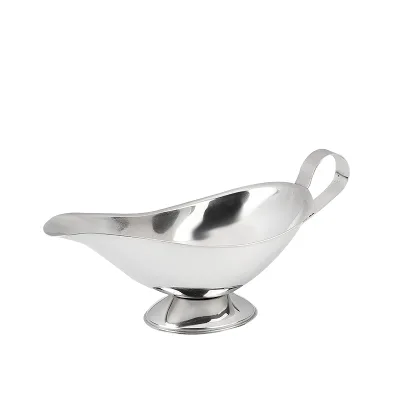
Source Double Insulated Metal Gravy Boat for Catering, Hotels, and Events
Find 14 Double Insulated Metal Gravy Boat options from Chinese manufacturers. Compare capacities ranging from 400ml to 450ml, materials like 304 stainless steel, and styles including novelty and classic designs for your sourcing needs; compare the available evidence and request quotations based on your requirements.
Updated
Key considerations
Products List
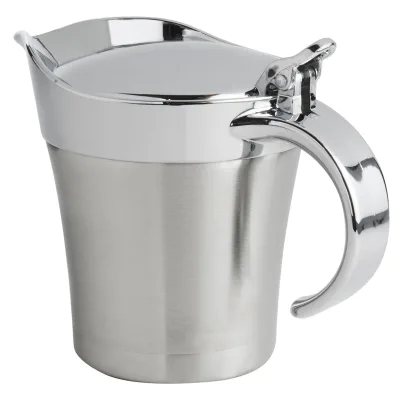
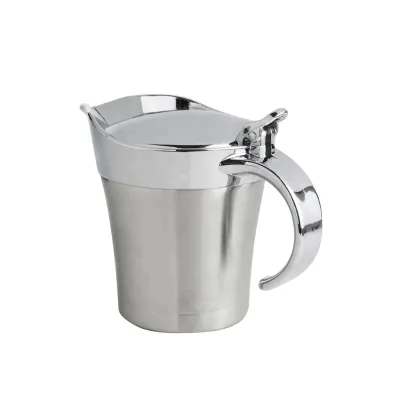
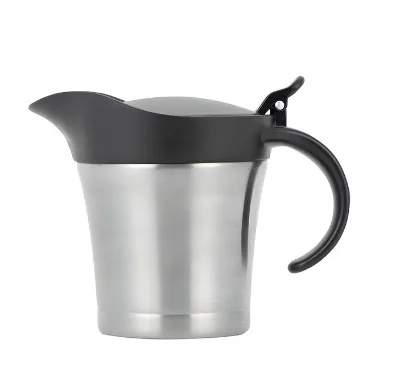
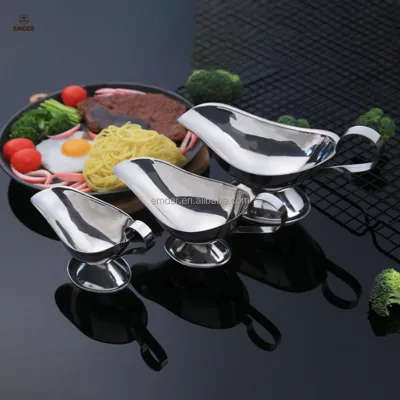
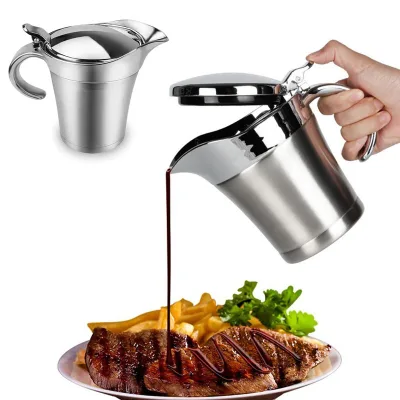



Restaurant Gravy Server Unique Stainless Steel Gravy Boat Sauce Boat with Lid
$4.25 - $4.80
MOQ: 600 pieces
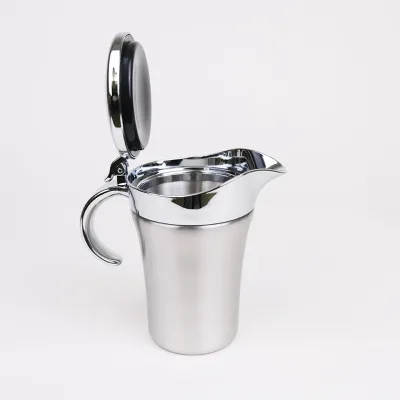

Classic Sauce Boat Thickened Stainless Steel Tomato Juice Black Pepper Gravy Boat
$2.20 - $6.00
MOQ: 200 Pieces

Comprehensive Sourcing Guide
Double Insulated Metal Gravy Boat Sourcing Guide
Sourcing double insulated metal gravy boats requires a careful balance between thermal performance, aesthetic finish, and material integrity. Buyers must distinguish between simple single-wall vessels and true double-wall constructions that maintain serving temperature without condensation. The market offers varied options, from novelty styles to classic American designs, each serving different hospitality segments. Understanding these distinctions is critical for aligning product selection with specific operational needs, whether for high-volume catering or boutique dining experiences.
Procurement teams should prioritize suppliers who provide transparent material specifications, particularly regarding stainless steel grades and insulation methods. The presence of features like chrome-plated ABS handles or specific wall thicknesses directly impacts durability and user experience. By focusing on verified attributes such as eco-friendly manufacturing processes and OEM/ODM capabilities, buyers can secure products that meet both functional requirements and brand identity goals. This approach minimizes risk and ensures long-term satisfaction with the purchased inventory.
Product Scope and Observed Listing Signals
The current market landscape for double insulated metal gravy boats reveals a diverse range of product configurations and branding strategies. Listings indicate a price range of $1.49 to $6.00 USD, with minimum order quantities (MOQs) varying between 60 and 1,000 pieces. This variability suggests that buyers can access both bulk commodity items and specialized, higher-margin products depending on their volume requirements. Brands such as EVERWIN and EMOER are present, offering distinct styles like novelty and classic American designs, which cater to different aesthetic preferences in the food service industry.
Observed product attributes highlight significant variation in capacity and construction. For instance, some models feature a 400ml capacity with a diameter of 110mm and height of 140mm, while others offer 450ml capacities with thermal insulation properties. Materials range from #304 stainless steel with 0.5mm thickness to combinations involving ABS with chrome plating. These differences underscore the importance of verifying specific technical details rather than relying on general product categories. Buyers must carefully review single package dimensions and gross weights to ensure accurate logistics planning and storage efficiency.
Technical Specifications to Verify
Verifying technical specifications is paramount to ensuring the gravy boats meet operational demands. Key parameters include wall thickness, typically observed at 0.5mm for #304 stainless steel, which influences durability and heat retention. Buyers should confirm whether the product is a true double-wall insulated vessel or a single-wall design with decorative elements. The presence of handles, such as black or metal gardoon bases, adds functional value but requires inspection for secure attachment and heat resistance. Additionally, finishing processes like satin polish or chrome plating affect both appearance and maintenance requirements.
Capacity and dimensional accuracy are critical for portion control and table fit. Models with 400ml or 450ml capacities must be verified against actual internal volume to prevent overfilling or underutilization. Single package sizes, ranging from 15x12x17 cm to 20x20x37 cm, impact shipping costs and warehouse storage. Buyers should also assess the model numbers, such as GB-001 or T-1788, to ensure consistency in future orders. Confirming these details with suppliers prevents discrepancies between samples and bulk production, ensuring that the final product aligns with the intended use case.
Compliance and Safety Documentation
Compliance with food safety standards is non-negotiable for any kitchenware product. Buyers must request documentation confirming that the stainless steel used is food-grade #304, which offers superior corrosion resistance and safety compared to lower-grade alternatives. The "Food Safe" standard mentioned in some listings should be validated through third-party testing reports or manufacturer certifications. This verification ensures that the product does not leach harmful substances into acidic or hot foods, protecting both consumer health and brand reputation.
Additionally, buyers should inquire about specific testing protocols for thermal insulation and material stability. While some listings claim thermal properties, these should be backed by empirical data or recognized testing standards. Documentation regarding the chrome plating process is also essential to ensure it meets environmental and safety regulations, particularly if the product is marketed as eco-friendly. Ensuring that all components, including handles and bases, are made from safe, durable materials prevents liability issues and enhances customer trust in the product's quality and safety.
Cost Drivers and Commercial Terms
Several factors influence the cost structure of double insulated metal gravy boats, including material quality, manufacturing complexity, and order volume. The use of #304 stainless steel and additional components like chrome-plated ABS handles increases production costs compared to simpler designs. Suppliers with higher supply abilities, such as 300,000 sets per year, may offer more competitive pricing due to economies of scale. However, buyers should also consider the cost of customization, such as OEM/ODM services, logo embossing, or specific Pantone color matching, which can add to the unit price.
Commercial terms, including MOQs and sample times, play a significant role in procurement planning. MOQs ranging from 60 to 1,000 pieces allow for flexibility, but larger orders may yield better unit costs. Sample times of 3-5 days enable quick validation of product quality before committing to bulk purchases. Buyers should also evaluate packaging details, such as poly bags with color boxes or hangtags, as these affect both product protection and retail presentation. Understanding these cost drivers helps in negotiating favorable terms and aligning procurement budgets with expected margins.
Supplier Qualification and Quality Control
Supplier qualification is a critical step in mitigating procurement risks. Buyers should assess suppliers based on their production capabilities, quality control processes, and track record. Suppliers offering OEM/ODM services demonstrate flexibility and customization potential, which is valuable for branding purposes. It is essential to verify the supplier's ability to maintain consistent quality across large production runs, given the high supply abilities observed in the market. Requesting references or case studies can provide insights into their reliability and performance.
Quality control measures should include rigorous inspection of material grades, finishing processes, and assembly integrity. Buyers should implement incoming quality checks to verify that products match the approved samples in terms of dimensions, weight, and appearance. Establishing clear communication channels with suppliers for addressing defects or discrepancies is crucial. Additionally, considering suppliers located in regions like Guangdong, China, with established export infrastructure, can facilitate smoother logistics and faster turnaround times. A robust quality control framework ensures that the final product meets the expected standards and customer expectations.
Long-Term Procurement Checks
Long-term procurement success depends on continuous monitoring of supplier performance and market trends. Buyers should regularly review supplier delivery times, product consistency, and responsiveness to issues. Establishing key performance indicators (KPIs) for quality, cost, and delivery helps in objectively evaluating supplier contributions. Regular audits or site visits, if feasible, can provide deeper insights into manufacturing practices and identify potential areas for improvement. Maintaining a diversified supplier base can also mitigate risks associated with supply chain disruptions.
Staying informed about industry trends and regulatory changes is equally important. As consumer preferences shift towards eco-friendly and sustainable products, buyers should prioritize suppliers who demonstrate commitment to these values. Monitoring advancements in materials and manufacturing technologies can reveal opportunities for cost savings or product enhancement. By proactively managing supplier relationships and adapting to market dynamics, buyers can ensure a steady supply of high-quality double insulated metal gravy boats that meet evolving business needs and customer expectations.
FAQs
What materials are used for double insulated metal gravy boats?
These gravy boats typically use #304 stainless steel with a thickness of 0.5mm for the main body. Some models incorporate ABS plastic with chrome plating for handles or bases. This combination ensures durability, food safety, and effective thermal insulation for serving hot sauces and gravies.
Can I customize the logo on these gravy boats?
Yes, OEM and ODM services are available for custom branding. You can choose from embossing, silk screening, laser etching, or stamping techniques to apply your logo. This allows businesses to create unique, branded dinnerware sets that align with their specific corporate identity or event themes.
What is the typical MOQ for ordering these items?
The minimum order quantity generally starts at 500 pieces, though some listings indicate ranges between 60 and 1000 units. Buyers should verify specific MOQ requirements with suppliers, as these thresholds can vary based on customization needs, packaging preferences, and the specific model number selected for the order.
How are these gravy boats packaged for shipping?
Standard packaging usually involves one piece per poly bag and a four-color box, or a hangtag option. Master cartons typically contain 24 pieces. This protective packaging ensures the satin polish finish remains scratch-free during transit, while the compact dimensions help optimize container space and reduce shipping costs.
What capacities are available for these double insulated boats?
Common capacities include 400ml and 450ml variants. The 400ml model often features dimensions of 110mm diameter by 140mm height. The 450ml thermal version may include a black handle. These sizes are ideal for measuring and serving sugar, salt, herbs, flour, or various liquid condiments at the table.
Where are these gravy boats manufactured?
These products originate from Guangdong, China, with dispatch ports including Shenzhen, Guangzhou, and Jiangmen. The manufacturing region is known for its robust supply chain and expertise in metalware production. Buyers can expect efficient logistics and established export infrastructure when sourcing these items from factories in this specific geographic area.