Source Cat Litter Box for Modern Homes, Apartments, and Shelters
Source 30 Cat Litter Box options from verified suppliers in China. Compare models like the D8456 and HC018-568A, featuring sizes from small to large, electric operation, and waterproof designs for various cat breeds.
Key considerations
Products List
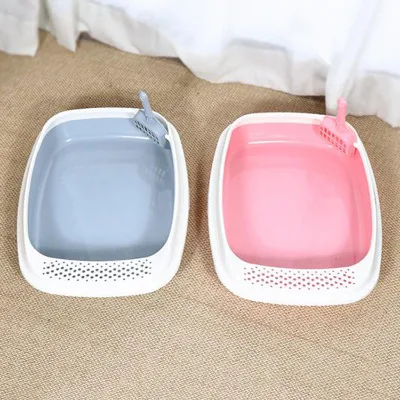


Hot Sale Stainless Steel Litter Box for Cats Easy Maintenance and Hygiene
$8.00 - $15.00
MOQ: 1000 Pieces

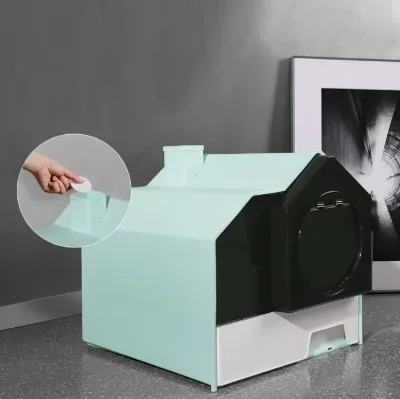


Manufacturer Stainless Steel Washable Easy Cleaning Cat Litter Box for Cats
$8.55 - $29.90
MOQ: 64 Pieces


Plastic Cat Litter Box with Lid, Kitten Litter Box with Scoop for Small to Medium Cats
$18.00 - $20.00
MOQ: 1000 Pieces
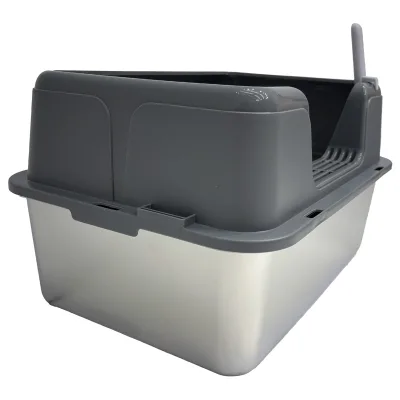
Hot Selling Reusable Odor-Free Easy Clean Stainless Steel Cat Litter Box for Cats
$5.48 - $6.00
MOQ: 100 pieces


Comprehensive Sourcing Guide
Strategic Sourcing Guide for Cat Litter Box Procurement
The global demand for specialized pet care infrastructure has driven a significant expansion in the market for cat litter boxes, transforming them from simple utility items into sophisticated products designed for hygiene, convenience, and pet comfort. For B2B procurement professionals, navigating this sector requires a disciplined approach that balances technical specifications with supply chain reliability. The current market landscape, particularly within manufacturing hubs in China, offers a diverse array of options ranging from basic open designs to electric, app-controlled units. This guide provides a comprehensive framework for evaluating suppliers, understanding product attributes, and mitigating procurement risks without relying on unverified claims or specific vendor recommendations.
Technical Specifications and Design Variations
When sourcing cat litter boxes, the first critical step is defining the technical requirements based on the target market's needs. The product data indicates a wide spectrum of design philosophies, primarily categorized by shape, material, and operational mechanism. The most prevalent design observed is the rectangular, open-design litter box, which prioritizes ease of access for the pet and simplicity of cleaning for the owner. Dimensions vary significantly across models, with standard configurations measuring approximately 56.5 x 43 x 23 cm, while other models may reach dimensions such as 504 x 530 x 712 mm for larger capacity units.
Material composition is another pivotal specification. The majority of units in the observed dataset are constructed from plastic, specifically Polypropylene (PP), which offers durability and resistance to chemical degradation from urine and cleaning agents. Some listings note specific material properties such as "Waterproof" capabilities, which are essential for preventing leakage and maintaining floor hygiene. However, buyers must verify this attribute on a per-unit basis, as some electric models are explicitly listed as "Not Waterproof," necessitating placement in dry areas only.
The internal capacity is a key differentiator for commercial and high-volume residential applications. Specifications range from 16 liters for compact units to 60 liters for large-scale solutions. The "inner space" of 20 liters is frequently cited as a standard for medium-sized units, suitable for cats weighing between 1 and 8 kg. For heavier felines or multi-cat households, larger volumes are required to prevent overflow and maintain sanitation. The weight of the units themselves also varies, with observed gross weights ranging from 1.2 kg for smaller packages to 16.8 kg for fully assembled, larger electric models.
Operational Mechanisms and Smart Features
The market has evolved to include both manual and automated solutions, each serving distinct customer segments. Traditional manual litter boxes rely on simple mechanical designs, often featuring open tops or hinged lids to facilitate easy scooping. These units are characterized by their low maintenance requirements and lack of dependency on power sources. In contrast, the modern segment includes electric litter boxes that utilize sensors and motors to automate the cleaning process.
For buyers targeting tech-savvy consumers, the inclusion of "APP Control" is a significant value proposition. These units typically operate on a 12V voltage system, ensuring safety and energy efficiency. The integration of smart technology allows for remote monitoring of litter box usage, which can be a selling point for premium product lines. However, the complexity of these units introduces additional considerations regarding power supply, battery life, and the potential for mechanical failure. Buyers must assess whether the target market is prepared for the higher price point and maintenance complexity associated with electric models compared to their plastic counterparts.
Compliance, Safety, and Certification Verification
In the B2B pet care sector, compliance and safety are non-negotiable, yet specific certification statuses are not universally guaranteed across all listed products. While the product data does not explicitly list third-party certifications such as ISO or CE for every item, buyers must treat these as mandatory verification points rather than assumed attributes. The manufacturing origin is consistently noted as Jiangsu, China, a region known for its robust manufacturing infrastructure. However, the location of origin does not automatically confer compliance with international safety standards.
Procurement teams should verify that the plastic materials used, particularly PP, meet food-grade or pet-safe standards to ensure they do not leach harmful chemicals. For electric models, electrical safety certifications are critical to prevent fire hazards or electric shock risks. Buyers should request test reports from suppliers to confirm that the voltage systems (e.g., 12V) and electrical components adhere to the safety regulations of the destination market. Additionally, the "Waterproof" attribute, while listed for some units, requires validation through independent testing to ensure the product can withstand moisture exposure without compromising internal electronics or structural integrity.
Cost Drivers and Pricing Dynamics
Understanding the cost structure of cat litter boxes is essential for negotiating favorable terms and maintaining healthy profit margins. The observed price range in the market spans from $1.25 to $300 USD, reflecting the vast disparity between basic manual units and advanced electric systems. Several factors drive these cost variations. Material costs are a primary driver, with the quality and thickness of the plastic influencing the final price. Higher-grade PP resin, which offers better UV resistance and durability, will command a premium.
The complexity of the manufacturing process also impacts cost. Units with "Customization" options, such as specific branding, colors (e.g., Pink, Blue, White, Warm Grey, Beige, Chocolate), or unique dimensions, incur additional tooling and setup fees. The inclusion of electronic components in electric models significantly increases the Bill of Materials (BOM) cost, which is reflected in the higher end of the price spectrum. Furthermore, packaging requirements play a role; units shipped in individual boxes with protective inserts will have higher logistics costs compared to bulk-packed items.
Supplier Evaluation and Operational Capabilities
Evaluating suppliers requires a holistic view of their operational capabilities, including production capacity, customization flexibility, and logistics support. The data indicates that suppliers offer "Small Orders" and accept customized requests, suggesting a degree of flexibility that is beneficial for buyers testing new product lines or managing inventory risk. However, the Minimum Order Quantity (MOQ) varies widely, ranging from 1 unit to 1,440 units. Buyers must align their order volumes with the supplier's MOQ to avoid excessive inventory costs or production delays.
Lead times and shipping methods are critical components of the evaluation process. While specific lead times are not provided in the general data, the "prod_packing" attribute mentions "Ship" and "1PC/Box," indicating that units are typically prepared for individual shipment. Buyers should inquire about the supplier's warehouse capacity and their ability to handle large-scale orders, especially given the weight variations from 1.2 kg to 16.8 kg per unit. The "Single gross weight" of 1.200 kg for some items suggests that smaller units are lightweight and easy to ship, whereas larger electric models will require more robust logistics planning.
Quality Control and Inspection Protocols
Implementing a rigorous quality control (QC) protocol is vital to ensure that the received goods meet the agreed-upon specifications. Given the variation in product attributes, such as the "Shape" being consistently rectangular but dimensions varying slightly (e.g., 56.5x43x23cm vs. 56x43x23cm), buyers must establish clear tolerance limits for dimensional accuracy. Visual inspections should focus on the finish of the plastic, checking for burrs, uneven coloring, or defects that could affect the product's aesthetic or functional appeal.
For electric models, functional testing is mandatory. This includes verifying the operation of the "APP Control" features, the reliability of the motor, and the accuracy of the sensors. Buyers should also inspect the "Waterproof" claims by simulating moisture exposure to ensure no leakage occurs. The "Usage" attribute, listed as "Cat Litter Cleaning," should be validated through practical testing to ensure the unit effectively manages waste without clogging or spilling. Establishing a pre-shipment inspection (PSI) process is recommended to catch any deviations before the goods leave the factory.
Long-Term Procurement and Market Adaptability
Sourcing cat litter boxes is not a one-time transaction but a strategic relationship that requires long-term planning. The market is dynamic, with trends shifting towards smart home integration and eco-friendly materials. Buyers should assess the supplier's ability to adapt to these trends, such as offering new color options or upgrading to more energy-efficient electronic components. The "Customization" attribute suggests that suppliers are willing to collaborate on product development, which can be a significant advantage for buyers looking to differentiate their offerings.
Furthermore, the "Applicable Pet" attribute, which includes both cats and dogs in some listings, indicates that some products may have broader market potential. However, buyers must verify if the design is truly suitable for dogs, as the "Ton" specification of 1-8kg suggests a focus on smaller felines. Long-term success depends on maintaining a supply chain that can scale with demand while adhering to strict quality standards. Regular communication with suppliers regarding inventory levels, production schedules, and potential supply chain disruptions will help mitigate risks and ensure a steady flow of products to the market.
Comparative Analysis of Product Attributes
To facilitate decision-making, the following table summarizes the key attributes observed in the market, highlighting the differences between manual and electric models. This comparison aids in selecting the right product mix for specific customer segments.
| Attribute | Manual / Open Design | Electric / Smart Design |
|---|---|---|
| Primary Material | Plastic (PP) | Plastic, PP |
| Operation Type | Manual | Electric, APP Control |
| Voltage | N/A | 12V |
| Waterproof | Variable (Some Yes, Some No) | Variable (Some Yes, Some No) |
| Capacity | 16L - 60L | 16L - 60L |
| Weight Range | 1.2 kg - 16.8 kg | 1.2 kg - 16.8 kg |
| Key Features | Easy Clean, Large Capacity | APP Control, Automated |
| Customization | Available | Available |
| Suitable For | Cats (1-8kg) | All Cat Litter, Various Sizes |
This structured approach to sourcing ensures that buyers can make informed decisions based on verified data, minimizing risks and maximizing the potential for success in the competitive pet care market. By focusing on technical specifications, compliance, and supplier capabilities, procurement professionals can build a robust supply chain that delivers high-quality cat litter boxes to their customers.
FAQs
What are the standard dimensions for cat litter boxes?
Standard dimensions are approximately 56.5 by 43 by 23 cm, though larger models reach 504 by 530 by 712 mm. Buyers should verify specific model numbers like D8456 or C10 to ensure the size matches their available space and pet requirements.
Which materials are commonly used for cat litter boxes?
Most units are constructed from durable plastic, specifically Polypropylene (PP). Some listings also mention general plastic with waterproof capabilities, while others specify non-waterproof electric models requiring placement in dry areas.
Can I find electric cat litter boxes with app control?
Yes, electric models are available featuring APP control and 12V voltage systems. These smart units automate cleaning but require verification of electrical safety certifications and waterproof ratings before purchase.
What is the typical price range for cat litter boxes?
Prices range from 1.25 to 300 USD depending on the complexity and features. Basic manual boxes cost less, while electric units with smart technology command higher prices due to added electronic components and manufacturing costs.
How do I determine the right capacity for my cats?
Capacity varies from 16 liters for compact units to 60 liters for large solutions. A 20-liter inner space is standard for cats weighing 1 to 8 kg, while larger households may require the 60-liter capacity options.
Are customization options available for bulk orders?
Customization is available for branding, colors, and dimensions on many models. Buyers can request specific color options like pink, blue, or warm grey, though tooling fees may apply for unique specifications.
What is the minimum order quantity for sourcing these products?
Minimum order quantities range from 1 unit to 1,440 units depending on the supplier and product type. Small orders are accepted for testing, but larger volumes often secure better pricing and production slots.