Source nail-free ceiling hook for wardrobe, bathroom, and office
Find 30 nail-free ceiling hook for wardrobe options from verified suppliers. Compare models like ANN-300-127 and MC7517G, featuring over-the-door or ceiling cup designs in metal or stainless steel with CE and ISO certifications.
Key considerations
Products List
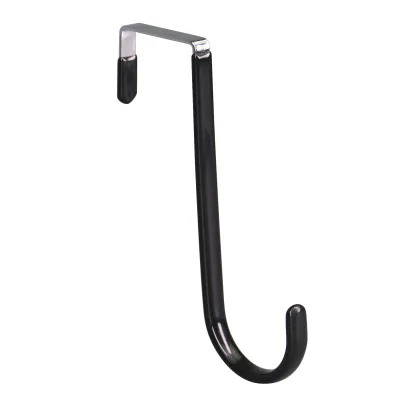


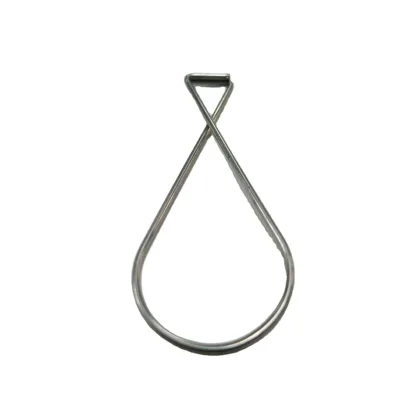


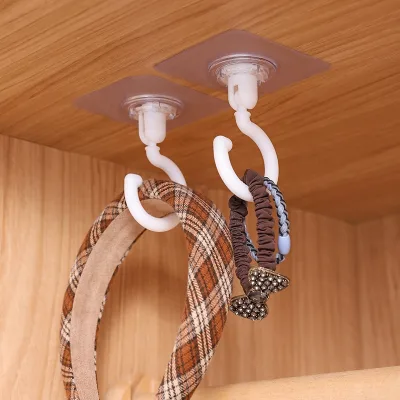
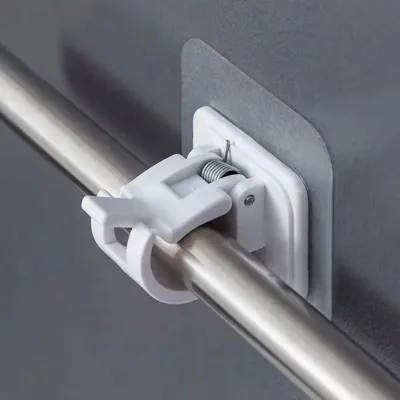

Bathroom Kitchen Towel Hanger Wardrobe Coat Clothes Hooks Rails Wall Hook
$5.90 - $10.90
MOQ: 300 Pieces


Comprehensive Sourcing Guide
Strategic Sourcing Guide for Nail-Free Ceiling Hooks for Wardrobe Applications
Understanding the Technical Landscape of Over-the-Door and Ceiling Hooks
When sourcing nail-free ceiling hooks for wardrobe applications, buyers must first distinguish between the specific mechanical designs available in the current market. The core keyword implies a need for a mounting solution that avoids drilling into structural elements, yet the product data reveals a diverse range of installation mechanisms. The observed product attributes indicate that "nail-free" solutions often utilize an "over-the-door hook" design, which hangs on the back of a door or utilizes a tension-based mechanism to secure the load without permanent fasteners. This is distinct from "nail" or "screw" based installations, which are also present in the general category of ceiling cup hooks and bathroom hooks.
For a wardrobe application, the structural integrity of the mounting point is critical. The data highlights a "V Style" hook design and a "Single Hook" or "Double Hook" configuration. The "V Style" is particularly relevant for hanging garments as it prevents slippage, while the "Double Hook" configuration offers increased load-bearing capacity for heavier items. Buyers should verify if the specific unit is designed as a "Ceiling Cup Hook" or an "Over-the-door hook," as the load distribution differs significantly. A ceiling-mounted unit typically requires a secure anchor point, whereas an over-the-door unit relies on the door frame's structural strength. The material composition is another primary technical variable; the observed supply chain lists "Metal," "Stainless Steel," and "Copper/Brass/Stainless Steel" as primary materials. Stainless steel is generally preferred for wardrobe environments due to its resistance to humidity and corrosion, especially in regions where wardrobes are placed in areas with variable climate control.
The surface finishing processes observed include "Zinc Plated" and various plating options such as "Silver," "Gold," "Black," "Rose Gold," and "Colored." These finishes are not merely aesthetic; they serve as the primary defense against oxidation. For a nail-free ceiling hook, the connection point between the hook and the mounting surface must remain stable. If the finish is compromised, the metal may degrade, leading to a failure in the tension mechanism. The "Standard" size observation suggests that while many units are generic, custom sizing is available. Buyers must confirm the exact dimensions, as the "11mm to 60mm" range noted in the data indicates a significant variance in the depth or width of the hook components, which directly impacts compatibility with different wardrobe door thicknesses or ceiling joist depths.
Compliance and Certification Verification Protocols
In the B2B procurement of hardware components, compliance is not optional; it is a prerequisite for market entry and liability protection. The supplied product facts list several certifications, including "CE," "ISO," "RoHS," and "GS." These are not merely marketing labels but indicators of adherence to specific safety and environmental standards. The "CE" marking is essential for products entering the European market, signifying conformity with health, safety, and environmental protection standards. The "ISO" certification, specifically ISO 9001 for quality management or ISO 14001 for environmental management, provides assurance that the manufacturer operates under a controlled quality system.
The "RoHS" (Restriction of Hazardous Substances) directive is particularly relevant for metal hardware. It restricts the use of specific hazardous materials such as lead, mercury, cadmium, and hexavalent chromium in electronic and electrical equipment, though it also influences the plating and alloy composition of metal hardware. For a wardrobe hook, ensuring the metal alloy and plating process comply with RoHS is vital to prevent the leaching of toxic substances into the environment or onto clothing. The "GS" mark, a German safety certification, indicates a higher level of safety testing and is often required for products sold in Germany and other European countries.
Buyers must verify the authenticity of these certifications. The data shows that some products list "CE, ISO, RoHS" while others list "ISO, GS, RoHS, CE." This variation suggests that not all suppliers or product models carry the same certification suite. A procurement strategy should involve requesting valid, up-to-date certification documents directly from the supplier for the specific model number, such as "ANN-300-127" or "MC7517G." Relying on a general claim without specific documentation is a high-risk strategy. Furthermore, the "Export Package" standard mentioned in the data implies that the product is designed to meet international shipping and handling requirements, which often includes durability testing against vibration and compression.
Cost Drivers and Pricing Structure Analysis
The pricing landscape for nail-free ceiling hooks is influenced by several distinct factors, ranging from raw material costs to customization complexity. The observed price range in the data is noted as 0-12 USD, which indicates a highly competitive market with a wide variance in unit costs. This range likely encompasses both basic, unbranded units and premium, customized versions. The "MOQ" (Minimum Order Quantity) range of 1-2000 units further complicates the cost analysis. A buyer ordering a single unit may pay a significantly higher per-unit price compared to a bulk order of 2000 units, where economies of scale in production and shipping come into play.
Material composition is a primary cost driver. The data lists "Stainless Steel" and "Copper/Brass/Stainless Steel" as main materials. Stainless steel is generally more expensive than standard carbon steel due to its corrosion resistance and durability. Similarly, the choice of plating affects the final cost. A simple "Zinc Plated" finish is typically the most economical option, whereas "Gold," "Rose Gold," or "Colored" plating involves additional electroplating processes and higher material costs. The "Customization" attribute is another significant cost factor. Suppliers offering "Label, Tag, Package, Own Design, Size, Color" customization will charge a premium over standard "Solid" pattern items.
The "Selling Units" being listed as "Single item" suggests that the base price is often calculated per piece, but bulk discounts are likely available. The "Sample: Free" attribute indicates that suppliers are willing to provide samples, which can help buyers validate the cost-to-quality ratio before committing to a large order. However, buyers should be aware that while the sample may be free, shipping costs and any potential customs duties for the sample shipment are often the responsibility of the buyer. The "Standard" size observation implies that off-the-shelf items are the most cost-effective, while custom sizes like those potentially falling within the "11mm to 60mm" range will incur tooling and setup costs.
Typical Applications and Functional Design Considerations
The functional design of nail-free ceiling hooks extends beyond simple hanging; it encompasses the specific use cases within a wardrobe environment. The data identifies the product as a "Bathroom Hook" and "Ceiling Cup Hook," but the "nail-free" and "over-the-door" attributes suggest versatility. In a wardrobe context, these hooks are ideal for hanging heavy coats, bags, or accessories without damaging the interior or exterior of the wardrobe door. The "Hang on door back" installation method is particularly useful for rental properties or temporary setups where drilling is prohibited.
The "No-drill" and "Nail-free" functional designs are critical for preserving the integrity of the wardrobe structure. Traditional hooks require screws or nails that can weaken the door frame over time or leave unsightly holes. The tension-based or hook-over design allows for easy installation and removal. The "Single Hook" and "Double Hook" configurations offer different utility levels. A single hook is sufficient for light items like scarves or hats, while a double hook is necessary for heavier items like winter coats or backpacks. The "V Style" hook design is specifically noted for its ability to secure items securely, preventing them from sliding off the hook, which is a common issue with flat hooks.
Buyers should also consider the "Pattern Type" and "Style." The "Solid" pattern and "Modern and Simple" style suggest a minimalist aesthetic that fits contemporary wardrobe designs. However, the availability of "Customization" allows for branding or specific design requirements that may align with a company's corporate identity or a specific retail collection. The "Laser Logo" acceptance indicates that suppliers can apply branding directly onto the metal, which is useful for high-end wardrobe accessories where branding is a key selling point.
Supplier Evaluation and Manufacturing Capabilities
Evaluating suppliers for nail-free ceiling hooks requires a deep dive into their manufacturing capabilities and supply chain transparency. The data indicates that the "Place of Origin" is primarily "China," with specific mentions of "Zhejiang China." Zhejiang is a major manufacturing hub for hardware and metal products, known for its dense network of suppliers and competitive pricing. However, buyers must verify the specific factory location and capacity. The "OEM" and "ODM" acceptance attributes suggest that suppliers are capable of producing private label goods or custom designs, which is essential for buyers looking to brand their products.
The "OEM Service" details, including "Label, Tag, Package, Own Design, Size, Color," highlight the flexibility of the suppliers. Buyers should assess the supplier's ability to handle these customizations efficiently. The "Customized" attribute and "Accept" status for OEM/ODM indicate a willingness to adapt, but the lead time and minimum order quantities for custom orders may differ from standard stock items. The "Sample: Free" attribute is a positive indicator of supplier confidence, but buyers should also inquire about the turnaround time for samples and the cost of shipping.
Quality control is another critical aspect of supplier evaluation. The "Certification" list (CE, ISO, RoHS, GS) should be cross-referenced with the supplier's actual production processes. Suppliers with "ISO" certification should have documented quality control procedures in place. The "Surface Finishing" process, such as "Zinc Plated," should be verified for consistency and thickness. Buyers should request test reports or quality assurance documents to ensure that the plating meets the required standards for durability and corrosion resistance. The "Export Package" standard suggests that the supplier is experienced in international shipping, which is a positive sign for reliability.
Quality Control and Long-Term Procurement Strategy
Implementing a robust quality control (QC) strategy is essential for long-term procurement success. The observed product attributes, such as "Material: Metal" and "Surface Finishing: Zinc Plated," require specific inspection criteria. Buyers should establish a QC protocol that includes visual inspections for surface defects, such as scratches, uneven plating, or discoloration. Dimensional checks are also necessary to ensure that the hook size matches the specifications, particularly for custom orders where the "11mm to 60mm" range might be relevant. Load testing is critical for nail-free hooks; the tension mechanism must be tested to ensure it can hold the intended weight without slipping or deforming.
Long-term procurement considerations involve building a sustainable relationship with suppliers. The "Customization" and "OEM" capabilities suggest that buyers may need to work closely with suppliers to refine product designs over time. Buyers should establish clear communication channels and agree on a standard for quality acceptance. The "MOQ" range of 1-2000 allows for flexibility, but buyers should aim to negotiate better terms as order volumes increase. The "Selling Units" being "Single item" suggests that the base unit is small, but bulk packaging options like "CTN" (Carton) with "1pcs/ctn" or "30pcs/ctn" should be evaluated for shipping efficiency.
Buyers should also consider the lifecycle of the product. A "Stainless Steel" hook with a "Zinc Plated" finish should have a long service life, but the quality of the plating will determine its longevity. Regular inspections of the installed hooks in the field can provide feedback on performance and durability. If issues arise, such as peeling plating or structural failure, the supplier should be held accountable based on the agreed-upon quality standards. The "Export Package" standard implies that the product is designed for durability during transit, but buyers should also ensure that the packaging protects the hooks from damage during storage and handling.
Final Procurement Recommendations and Risk Mitigation
To conclude, sourcing nail-free ceiling hooks for wardrobe applications requires a balanced approach that considers technical specifications, compliance, cost, and supplier reliability. The data provided offers a solid foundation for understanding the market, but buyers must conduct their own due diligence to ensure the products meet their specific needs. The "nail-free" and "over-the-door" designs offer significant advantages in terms of installation and versatility, but the load-bearing capacity and material quality must be verified.
Buyers should prioritize suppliers who can provide valid certifications and demonstrate a commitment to quality control. The "OEM" and "ODM" capabilities offer opportunities for branding and customization, but these should be managed carefully to avoid delays and cost overruns. The "MOQ" and pricing flexibility allow for various procurement strategies, from small trial orders to large-scale production runs. By focusing on these key areas, buyers can mitigate risks and ensure a successful procurement process for nail-free ceiling hooks.
| Feature | Standard Observation | Verification Requirement |
|---|---|---|
| Installation | Over-the-door, Nail-free | Confirm tension mechanism strength |
| Material | Stainless Steel, Metal | Verify alloy composition and grade |
| Certification | CE, ISO, RoHS, GS | Request valid certificates for specific model |
| Finish | Zinc Plated, Colored | Check plating thickness and adhesion |
| MOQ | 1-2000 Units | Negotiate based on volume and customization |
| Packaging | CTN, Poly Bag | Ensure export standard protection |
By adhering to these guidelines and leveraging the available product data, buyers can make informed decisions that align with their business objectives and quality standards.
FAQs
How can I install a nail-free ceiling hook without drilling?
You can install the hook by hanging it on the back of a door using an over-the-door design. This method avoids drilling and relies on tension to secure the load. Ensure the door frame is sturdy enough to support the weight of the items you plan to hang.
What materials are used for these metal hooks?
The hooks are typically made from metal, stainless steel, or a combination of copper, brass, and stainless steel. Stainless steel is preferred for its resistance to humidity and corrosion. Verify the specific material composition with the supplier before purchasing for long-term durability.
Which certifications should I look for in these products?
Look for products certified with CE, ISO, RoHS, and GS marks. These certifications indicate compliance with safety, environmental, and quality management standards. Always request valid documentation for the specific model number to ensure the claims are authentic and up to date.
Can I customize the size and color of the hook?
Yes, customization is available for size, color, and branding options like laser logos. Suppliers accept OEM services for labels, tags, and packaging. However, custom orders may have different minimum order quantities and lead times compared to standard solid pattern items.
How many hooks are typically included in one unit?
Units are available with either a single hook or a double hook configuration. The double hook offers increased load-bearing capacity for heavier items like coats. Check the product specification to confirm the exact number of hooks before placing a bulk order.
What is the typical price range for these hooks?
The observed price range is between 0 and 12 USD per unit. Prices vary based on material, plating finish, and customization requirements. Bulk orders often benefit from lower per-unit costs due to economies of scale in production and shipping.
Where are these hooks manufactured and shipped from?
These hooks are primarily manufactured in China, with specific origins in Zhejiang. The products are packed in export packages designed for international shipping. Confirm the exact factory location and shipping terms with the supplier to ensure reliable delivery.