Find CE GS Approval Handy Steamer for Salon, Home, and Travel
Source 30 CE GS Approval Handy Steamer models from verified Chinese manufacturers. Buyers can compare features like steam rate, water capacity, and automatic shut-off for salon, home, and vertical ironing applications.
Key considerations
Products List


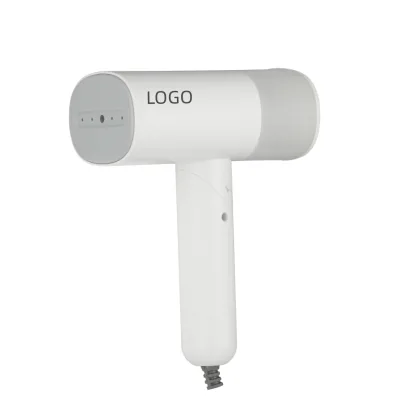


Comprehensive Sourcing Guide
Sourcing Guide for CE GS Approved Handy Steamers
Understanding the Product Category and Core Specifications
When sourcing a "handy steamer" with CE and GS approval, buyers must first distinguish between portable handheld units and larger vertical steamers that offer similar functionality but differ in form factor. The market data indicates a diverse range of models, including specific product codes such as AG-J-0557, 810, SR3302, and MW-810. These models often share a common design philosophy centered on versatility, allowing for both vertical and horizontal ironing applications. The physical dimensions of these units vary significantly, with observed package sizes ranging from compact configurations like 12.511.527cm to larger shipping units measuring 171229cm.
A critical technical observation involves the power consumption and heating capabilities. The supply base includes units with power ratings falling into two distinct bands: those operating between 1000W and 1500W, and high-performance models exceeding 1500W. This variance directly impacts the heat-up time and steam output. Buyers should note that specific models in this category boast a rapid heat-up time of approximately 20 seconds, enabling quick deployment in salon or home environments. The steam rate is another vital metric, with observed outputs ranging from 27 to 32 grams per minute. This level of steam generation supports efficient wrinkle removal while maintaining safety through automatic shut-off mechanisms.
The construction materials are predominantly stainless steel for the main body, ensuring durability and resistance to corrosion, while soleplates are frequently constructed from aluminum to facilitate even heat distribution. The voltage compatibility is a crucial specification for international trade, with many units designed to operate on dual voltage systems of 220-240V and 110V. This flexibility is essential for products intended for export to markets with different electrical standards. The water capacity also varies, with observed ranges between 250ml and 280ml, which typically supports a continuous working time of 12 to 15 minutes before a refill is required.
Compliance and Certification Verification
The core keyword "CE GS approval" highlights the importance of regulatory compliance in the procurement process. While the provided data lists CE, GS, RoHS, and CB as certifications associated with these products, buyers must exercise due diligence. The presence of these labels on a product page does not automatically guarantee that every unit in a specific order batch holds valid, current certification. GS certification, in particular, is a German safety mark that often requires rigorous testing by accredited bodies, and its inclusion suggests a higher standard of electrical safety compliance.
Buyers should verify that the specific model numbers they intend to purchase, such as the AG-J-0557 or SR3302, have valid certification documentation. The data indicates that certifications like CE and RoHS are present, but the low-confidence background suggests that these should be treated as observations rather than absolute guarantees for every transaction. It is the buyer's responsibility to request the specific test reports and certificates of conformity from the supplier before finalizing an order. The CB scheme is also mentioned, which facilitates the acceptance of test results across multiple countries, potentially streamlining the import process for the buyer.
Furthermore, the "GS" mark implies compliance with the German Product Safety Act, which is often a prerequisite for selling in the European Union and other markets that recognize German safety standards. Buyers must ensure that the supplier can provide a valid GS certificate that matches the exact model and voltage configuration being ordered. The absence of a specific certification for a particular batch can lead to customs delays or product recalls. Therefore, the verification process should include a direct request for the latest certification documents, ensuring they are not expired and cover the specific power and voltage ratings of the steamer.
Cost Drivers and Pricing Dynamics
The pricing landscape for handy steamers is highly variable, with observed listed prices ranging from $1.90 to $599.00 USD. This wide disparity is driven by several factors, including the power rating, the complexity of the control system, and the inclusion of accessories. Models with electronic temperature control and LED displays, offering three levels of steam choice, generally command higher prices than basic mechanical units. The power rating is a significant cost driver; units with power exceeding 1500W often utilize more robust heating elements and transformers, contributing to a higher manufacturing cost.
The Minimum Order Quantity (MOQ) is another critical factor influencing the unit cost. The observed MOQ range spans from 1 to 3000 units. Buyers purchasing small quantities, such as single units or small batches, will likely face higher per-unit costs due to the lack of economies of scale. Conversely, bulk orders approaching the upper limit of the MOQ range can negotiate significantly lower prices. The packaging method also affects costs; while some units are packed in simple OPP bags, others utilize carton packaging, which adds material and labor costs but provides better protection during shipping.
Additional cost considerations include the type of plug required. The market offers a variety of plug types including UK, US, AU, EU, and CN standards. Customizing the plug type for specific target markets may incur a setup fee or a slight increase in the unit price if the order volume is low. The inclusion of accessories, such as hair brushes, water cups, lint brushes, and fabric brushes, also adds value and cost. Buyers should carefully evaluate whether these accessories are essential for their target market or if they can be sourced separately to reduce the overall product cost.
Typical Applications and Usage Scenarios
The primary applications for these handy steamers are categorized as "Salon" and "Home" use. In a salon setting, the ability to perform both vertical and horizontal ironing is a significant advantage. The rapid heat-up time of 20 seconds allows stylists to quickly refresh garments between appointments without long waiting periods. The continuous steam duration of 12 to 15 minutes is sufficient for most garment treatments, though heavy-duty use may require frequent refills. The anti-drip feature is particularly valuable in professional environments where water leakage could damage delicate fabrics or electrical equipment.
For home users, the convenience of a handy steamer lies in its ability to handle a wide range of fabrics without the need for an ironing board. The electronic temperature control allows users to adjust the heat based on the fabric type, reducing the risk of scorching. The automatic shut-off feature, which activates after 8 minutes of non-operation, provides an essential safety mechanism for home users who may forget to turn off the device. The water capacity of 250ml to 280ml is adequate for ironing multiple items, making it suitable for family use.
The versatility of the product is further enhanced by the inclusion of accessories like lint brushes and fabric brushes. These tools allow for the removal of pet hair, dust, and lint before steaming, ensuring a cleaner finish. The swiveling power cord, with an outside length of 1.80 meters, provides flexibility in movement, reducing the risk of tangling during use. Whether used for refreshing suits, dresses, or curtains, these steamers offer a practical solution for maintaining the appearance of clothing in both professional and domestic settings.
Supplier Evaluation and Quality Control
Evaluating suppliers for handy steamers requires a focus on their ability to meet the specific technical and compliance requirements outlined in the sourcing guide. Buyers should prioritize suppliers who can demonstrate a clear track record of exporting to markets requiring CE and GS certifications. The origin of the products is predominantly China, with specific mentions of Ningbo as a manufacturing hub. This regional concentration suggests a mature supply chain, but buyers must still verify the specific factory capabilities.
Quality control measures should be a central part of the supplier evaluation process. Buyers should inquire about the testing protocols for the automatic shut-off mechanisms, ensuring they function correctly after 30 seconds of no water protection and 8 minutes of non-operation. The durability of the stainless steel body and the aluminum soleplate should be assessed through sample testing. The packaging integrity is also crucial, as the carton size and weight (e.g., 1.3kg package weight) must align with shipping requirements to prevent damage during transit.
Suppliers should be transparent about their customization capabilities. The data indicates that customization is available, which can be a significant advantage for buyers looking to brand the product or modify specific features. However, buyers must ensure that any customization does not compromise the safety certifications. The supplier should be able to provide a detailed bill of materials (BOM) and a quality assurance plan that covers the entire production process, from raw material sourcing to final packaging.
Long-Term Procurement Considerations
Sourcing handy steamers is not just a one-time transaction but a long-term partnership that requires careful planning. Buyers should consider the scalability of the supply chain, especially if they anticipate growth in demand. The observed MOQ range of 1 to 3000 units suggests that suppliers can accommodate both small test orders and large-scale production runs. However, buyers should negotiate flexible terms that allow for adjustments in order volume as market conditions change.
The availability of spare parts and accessories is another long-term consideration. The inclusion of items like water cups and brushes in the initial shipment is a positive sign, but buyers should ensure that these items remain available for reorder. The power cord length and plug type customization should be standardized across orders to simplify logistics and reduce inventory complexity.
Finally, buyers must stay informed about evolving regulatory requirements. The CE and GS standards are subject to updates, and suppliers must be able to adapt their products to meet new regulations. Establishing a relationship with a supplier who is proactive about compliance and quality assurance will mitigate risks and ensure a steady supply of high-quality handy steamers. By focusing on these long-term factors, buyers can build a resilient supply chain that supports their business growth and maintains high standards of product safety and performance.
Summary of Key Technical and Compliance Metrics
To assist buyers in their decision-making process, the following table summarizes the key technical and compliance metrics observed in the market data for handy steamers. This overview consolidates the critical specifications that should be verified during the sourcing process.
| Metric Category | Observed Values / Options | Verification Requirement |
|---|---|---|
| Product Models | AG-J-0557, 810, SR3302, MW-810 | Confirm model matches certification docs |
| Power Rating | 1000W-1500W, >1500W | Verify wattage matches voltage requirements |
| Voltage | 220-240V / 110V | Ensure dual voltage or specific voltage for target market |
| Certifications | CE, GS, RoHS, CB | Request valid, current certificates for specific model |
| Steam Rate | 27-32g/Min | Test for consistency in steam output |
| Heat-up Time | 20s | Verify actual performance in sample testing |
| Water Capacity | 250ml, 280ml | Check for leakage and refill frequency |
| Safety Features | Auto-shut-off (30s/8mins), Anti-drip | Functional testing of safety mechanisms |
| Materials | Stainless Steel Body, Aluminum Soleplate | Inspect for build quality and finish |
| Packaging | Carton, OPP | Verify carton dimensions and weight for shipping |
| Origin | China (Ningbo) | Confirm factory location and audit status |
By adhering to these guidelines and verifying the specific data points provided, buyers can effectively navigate the market for CE and GS approved handy steamers, ensuring they procure high-quality, compliant, and cost-effective products for their business needs.
FAQs
What certifications do these handy steamers carry?
The products carry CE, GS, RoHS, and CB certifications. Buyers must verify that specific model numbers like AG-J-0557 have valid, current documentation before ordering to ensure compliance with safety standards.
How long does the unit take to heat up?
Specific models boast a rapid heat-up time of approximately 20 seconds. This feature enables quick deployment in salon or home environments for efficient wrinkle removal without long waiting periods.
Which power ratings are available for these steamers?
Power ratings fall into two bands: 1000W to 1500W and models exceeding 1500W. Higher power units often utilize more robust heating elements and contribute to higher manufacturing costs.
Can I customize the plug type for my market?
Customization is available for plug types including UK, US, AU, EU, and CN standards. Customizing the plug may incur a setup fee or slight price increase if the order volume is low.
What is the water capacity and working time?
Water capacity ranges from 250ml to 280ml, supporting 12 to 15 minutes of continual steam. This duration is sufficient for most garment treatments in both professional and domestic settings.
Where are these handy steamers manufactured?
The products originate from China, with specific mentions of Ningbo as a manufacturing hub. Buyers should verify the specific factory capabilities and quality control measures for these locations.