Source Changan Hydraulic Clutch Release Bearing for Auto, Trucks, Farm
Find 30 listings for the Changan Hydraulic Clutch Release Bearing suitable for auto transmission parts, heavy duty trucks, and farm machinery. Buyers can compare specifications, certifications, and pricing from verified suppliers in China.
Key considerations
Products List


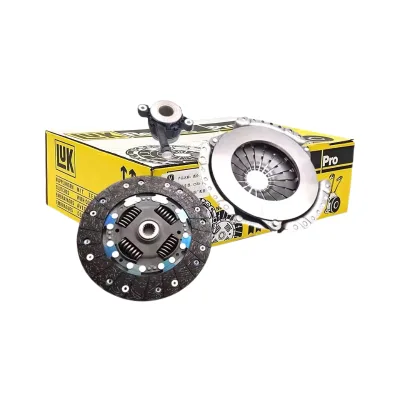


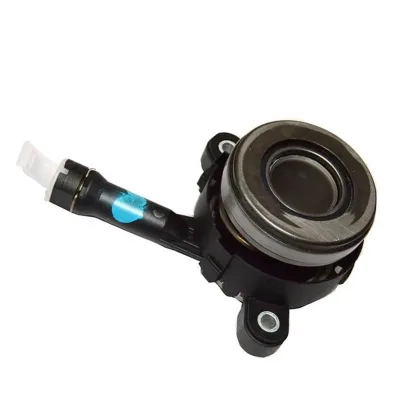


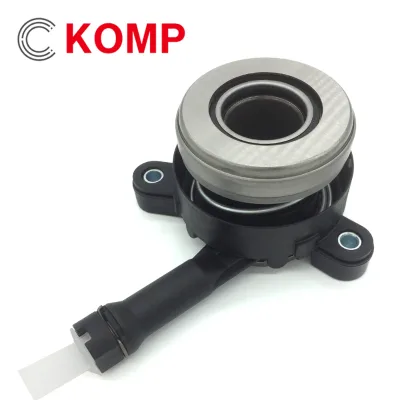




Comprehensive Sourcing Guide
Changan Hydraulic Clutch Release Bearing Sourcing Guide
Sourcing replacement components for the Changan CS35 requires a precise understanding of the distinction between hydraulic and mechanical clutch systems, as well as the specific terminology used by global suppliers. The core keyword "Changan Hydraulic Clutch Release Bearing" often conflates two distinct mechanical functions: the hydraulic actuation system (master and slave cylinders) and the mechanical release bearing (throw-out bearing) that engages the pressure plate. In the context of the Changan CS35, the vehicle typically utilizes a mechanical cable or hydraulic linkage to actuate a release bearing that slides along the transmission input shaft. When sourcing, buyers must verify whether the component is a standalone bearing assembly or part of a complete clutch kit, as the hydraulic master cylinder is a separate unit. Misidentification can lead to procurement errors where a buyer receives a bearing that does not fit the specific hydraulic actuation mechanism of their vehicle model.
The observed market data indicates a wide variance in product listings, ranging from basic single bearings to complex clutch assemblies. Suppliers frequently list products under generic terms such as "Clutch Assembly" or "Clutch Release Bearing" with fitment codes for "CS35." It is critical for procurement teams to cross-reference the original equipment manufacturer (OEM) part numbers rather than relying solely on the brand name "Changan" or generic model names. The presence of listings with "OE NO.: no" or "OEM NO: Pls Contact" suggests that many suppliers operate on a reverse-engineering or aftermarket basis. Buyers must establish clear communication channels to confirm the exact part number compatibility before placing orders, ensuring that the physical dimensions and spline counts match the transmission housing of the specific Changan CS35 variant.
Product Scope and Observed Listing Signals
The current market landscape for Changan clutch components reveals a diverse range of product configurations, primarily centered around stainless steel and standard steel materials. Listings frequently highlight "Clutch Assembly" types, which may include the release bearing, pressure plate, and clutch disc as a unified unit, or they may offer the release bearing as a standalone component. The observed material specifications include "Stainless Steel" and "Steel," indicating that buyers should verify the specific grade of steel used for the bearing races and the friction materials on the clutch disc. The condition is uniformly listed as "New," but the level of customization varies, with some suppliers offering "Customized" options for specific transmission models or modified vehicles. This variability requires buyers to scrutinize the product model codes, such as "H15020-118" or generic "machining" labels, to ensure alignment with their technical requirements.
Packaging and logistical signals provide additional context for the sourcing process. Products are typically packed in cartons, pallets, or corrugated boxes, with single package sizes ranging from approximately 33x33x25 cm to larger dimensions for bulkier assemblies. The single gross weight is often recorded around 4.000 kg, which is a useful metric for calculating freight costs and handling requirements. Furthermore, the origin of these components is predominantly China, with specific mentions of Hebei and Chongqing as places of origin. Chongqing is particularly relevant as it is a major automotive manufacturing hub in China, home to Changan Automobile, which may imply a higher likelihood of finding direct or closely related aftermarket parts from suppliers in that region. Buyers should use these logistical details to estimate landed costs and lead times accurately.
Technical Specifications to Verify
Technical verification begins with the precise identification of the clutch type and its operational parameters. While some listings mention "Electromagnetic Clutch" or "Dry-Type Multidisc Electromagnetic Clutch" with DC24V voltage, these specifications are generally associated with industrial machinery, tractors, or heavy-duty trucks rather than the standard Changan CS35 passenger vehicle. For the CS35, the clutch is typically a mechanical dry-type friction clutch. Buyers must explicitly confirm that the product is not an electromagnetic unit unless they are retrofitting specialized equipment. The "Stroke: 4 Stroke" attribute found in some listings refers to engine cycles and is irrelevant to the clutch mechanism itself, serving as a potential indicator of poorly optimized product descriptions. Procurement teams should focus on mechanical specifications such as spline count, outer diameter, and bearing type (ball or roller) rather than electrical attributes.
Dimensional accuracy is paramount for the successful installation of a clutch release bearing. The observed standard sizes include "100 x110x120" and "606080 cm," though the latter likely refers to packaging dimensions rather than the part itself. The "Normal Size" designation is too vague for engineering purposes. Buyers must request detailed technical drawings or exact millimeter measurements for the bearing's inner diameter, outer diameter, and width. Additionally, the "Fitment: CS35" claim must be validated against the specific year and engine displacement of the vehicle, as Changan has produced multiple generations of the CS35 with different transmission configurations. Verifying the "OE NO." is the most reliable method to ensure dimensional compatibility, as aftermarket suppliers may use generic codes that do not account for subtle variations in transmission housing designs.
Compliance and Safety Documentation
Compliance documentation is a critical component of the procurement process, particularly when dealing with automotive safety-critical parts. The observed certifications include ISO9001, ISO/TS16949, CE, RoHS, and E-Mark. ISO9001 indicates a general quality management system, while ISO/TS16949 (now IATF 16949) is the specific automotive industry standard for quality management systems, which is highly desirable for clutch components. The presence of CE and E-Mark certifications suggests that the supplier may also produce components for the European market, which can be a proxy for higher manufacturing standards. However, buyers should verify that these certifications are current and apply specifically to the clutch release bearing product line, not just the company in general. RoHS compliance is relevant for environmental regulations regarding hazardous substances, which is increasingly important for global supply chains.
Safety and performance standards such as BS, ANSI, JIS, GB, GOST, ASTM, and DIN are listed in the product attributes. These represent a broad spectrum of international standards, and buyers must identify which specific standard applies to the clutch assembly. For instance, GB standards are Chinese national standards, which may be relevant if sourcing from Chongqing. The "Quality: 100% tested" attribute is a positive signal, but buyers should request evidence of this testing, such as batch test reports or quality control certificates. It is advisable to ask for documentation that confirms the bearing has undergone load testing, wear resistance testing, and thermal stability checks. Without specific test data, the "100% tested" claim remains an assertion rather than a verified fact, and buyers should treat it as a baseline expectation rather than a guarantee of performance.
Cost Drivers and Commercial Terms
Cost structures for clutch release bearings are influenced by material quality, manufacturing complexity, and order volume. The observed price range of 0.3-85 USD reflects this variance, with lower prices likely corresponding to basic bearings or high-volume commodity items, and higher prices associated with complete clutch assemblies or premium aftermarket brands. The minimum order quantity (MOQ) ranges from 1 piece to 10,000,000 pieces, indicating that suppliers cater to both individual repair shops and large-scale distributors. For small to medium-sized buyers, negotiating an MOQ of 1-100 pieces is often feasible, but this may come at a higher unit price. Buyers should analyze the total cost of ownership, including shipping, tariffs, and potential returns, rather than focusing solely on the unit price.
Commercial terms such as payment methods and warranty policies are clearly defined in the observed listings. Payment is typically accepted via T/T (Telegraphic Transfer), which is standard for international B2B transactions. The warranty period is listed as 3 months, which is a relatively short window for automotive components. Buyers should consider negotiating a longer warranty period or clear return policies for defective units. The "Service: Within 24 Work Hours" attribute suggests a commitment to customer support responsiveness, which can be valuable for resolving technical queries or processing claims. However, buyers should clarify what this service entails, whether it is technical support, order tracking, or claims processing. Understanding these commercial terms helps in assessing the reliability of the supplier and the potential risks associated with the procurement.
Supplier Qualification and Quality Control
Supplier qualification requires a thorough assessment of the manufacturer's capabilities and quality control processes. Given that the products originate from China, specifically Hebei and Chongqing, buyers should verify the supplier's business license and export credentials. The presence of ISO/TS16949 certification is a strong indicator of a supplier's ability to meet automotive industry quality standards. Buyers should request a copy of the certificate and verify its validity with the issuing body. Additionally, inquiring about the supplier's production capacity, lead times, and inventory levels can provide insight into their reliability. Suppliers with consistent stock levels and clear production schedules are less likely to experience delays, which is crucial for maintaining inventory levels for repair shops or assembly lines.
Quality control measures should be explicitly discussed during the supplier evaluation process. Buyers should ask about the supplier's incoming material inspection, in-process quality control, and final product testing procedures. The "100% tested" claim should be backed by a description of the testing methods used. For clutch release bearings, this might include dimensional inspection, surface finish checks, and functional testing under simulated load conditions. Buyers may also consider requesting samples before placing bulk orders to physically inspect the product quality and verify fitment. Establishing a clear quality agreement that defines acceptable defect rates and procedures for handling non-conforming products is essential for mitigating risk. Regular audits or third-party inspections can further ensure that the supplier maintains consistent quality standards over time.
Long-Term Procurement Checks
Long-term procurement success depends on establishing a robust supplier relationship and implementing continuous monitoring mechanisms. Buyers should schedule regular reviews of supplier performance, focusing on metrics such as on-time delivery, product quality, and responsiveness to issues. Maintaining open communication channels allows for the early identification of potential problems, such as changes in material sourcing or manufacturing processes. It is also advisable to diversify the supplier base to reduce dependency on a single source, especially for critical components like clutch release bearings. Having alternative suppliers qualified and ready to step in can mitigate the risk of supply chain disruptions.
As automotive technologies evolve, buyers must stay informed about changes in vehicle models and component specifications. The Changan CS35 may undergo updates or replacements, which could affect the compatibility of existing clutch components. Buyers should maintain a database of part numbers and fitment information to ensure that their inventory remains relevant. Additionally, staying updated on regulatory changes, such as new environmental standards or safety requirements, is crucial for ensuring continued compliance. By proactively managing these aspects, buyers can ensure a stable and efficient supply chain for Changan hydraulic clutch release bearings and related components, supporting the long-term success of their operations.
FAQs
What certifications do the clutch assemblies hold?
The clutch assemblies hold ISOGS, RoHS, CE, E-Mark, and ISO/TS16949 certifications. These standards ensure the products meet international safety and quality requirements for automotive transmission parts used in various vehicles.
Can I order a customized clutch release bearing?
Yes, customization is available for the clutch release bearing. Buyers can request specific modifications to fit unique vehicle models or operational requirements while maintaining the high-quality standards of the original product.
What is the minimum order quantity for this product?
The minimum order quantity is one piece for this clutch assembly. This low MOQ allows buyers to test the product quality before committing to larger bulk orders for their automotive parts inventory needs.
Where are these clutch parts manufactured?
These clutch parts are manufactured in China, specifically in Hebei and Chongqing regions. The origin ensures access to established manufacturing capabilities while meeting the specific fitment requirements for Changan CS35 vehicles.
How is the product packaged for shipping?
The product is packaged in cartons, boxes, or corrugated cartons on pallets. This neutral packing method ensures safe transport and protection of the clutch assembly during international shipping to various global destinations.
What warranty is provided for the clutch assembly?
A three-month warranty is provided for the clutch assembly. This coverage ensures that any manufacturing defects are addressed promptly, giving buyers confidence in the reliability of the auto transmission parts they purchase.
Which vehicles are compatible with this clutch?
This clutch is compatible with Changan CS35 vehicles and other models requiring similar transmission parts. It is also suitable for motorcycles, farm machinery, tractors, and heavy-duty trucks depending on the specific model configuration.