Find Chevrolet Trailblazer Camshaft Sprocket for Auto Engine, Timing System, Crankshaft
Source 30 listings for the Chevrolet Trailblazer Camshaft Sprocket suitable for auto engines and timing systems. Buyers can compare specifications, certifications, and prices from suppliers in China to find the right timing gear for their needs.
Key considerations
Products List


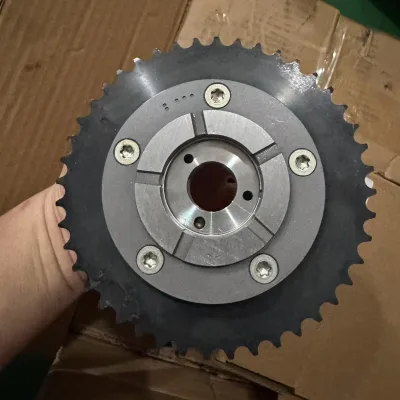


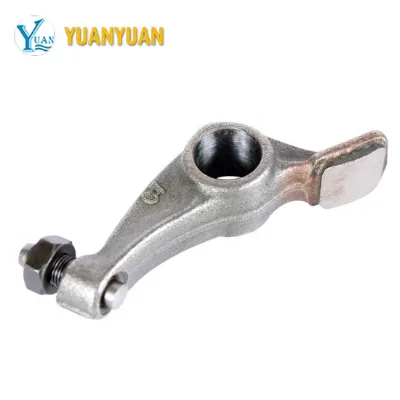
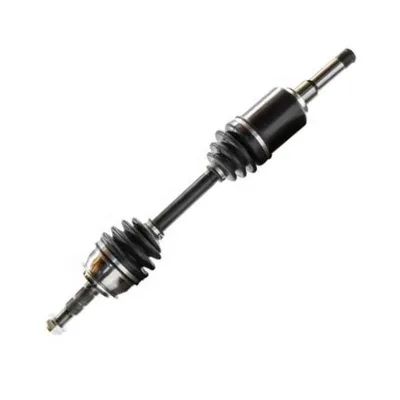
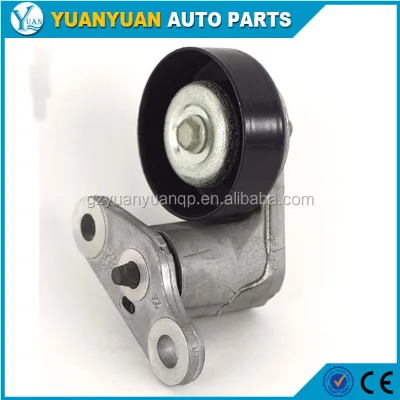
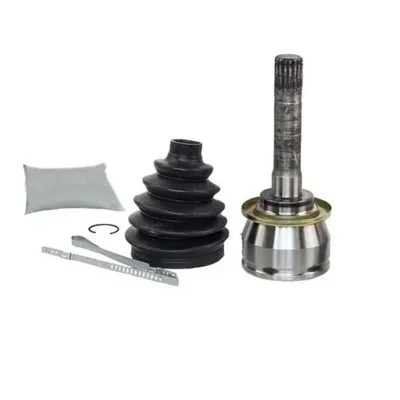
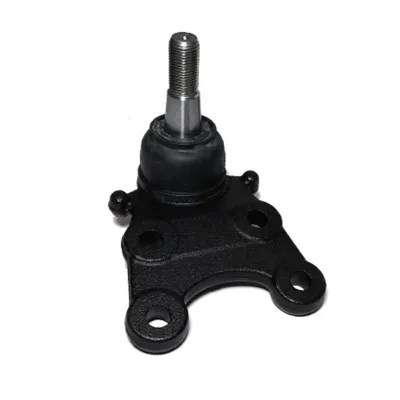
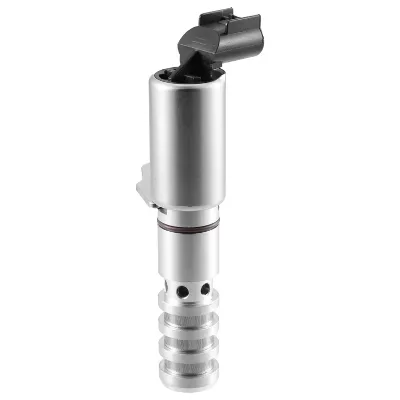
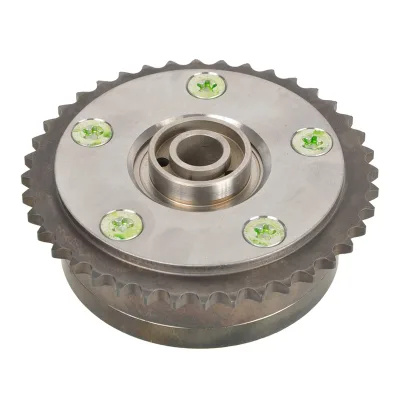
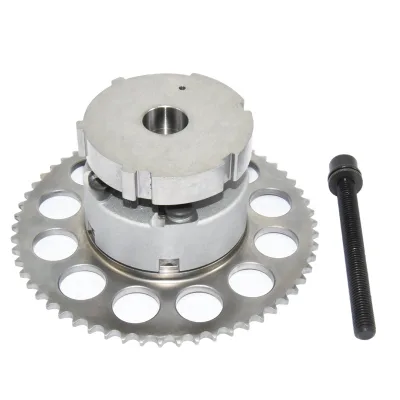

High Efficient Car Engine Timing Camshaft Sprocket 13050-21022 for Toyota
$59.50 - $61.00
MOQ: 10 Pieces

Car Parts Auto Crankshaft Pulley for Chevrolet Caprice 1990-1993 12551948
$10.00 - $40.00
MOQ: 100 Pieces

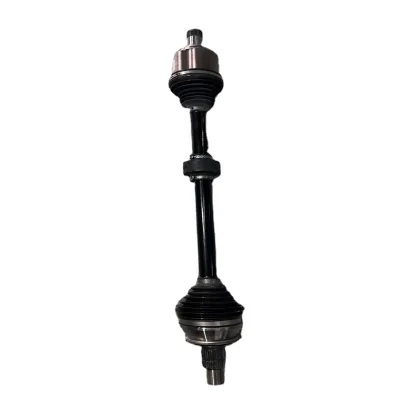
Car Propeller Shaft for Chevrolet Trailblazer 2002-2009 15113797 65-9398
$95.00 - $150.00
MOQ: 1 Pieces
Comprehensive Sourcing Guide
Strategic Sourcing Guide for Chevrolet Trailblazer Camshaft Sprockets
Procuring a camshaft sprocket for a Chevrolet Trailblazer requires a disciplined approach that balances specific engine compatibility with rigorous quality verification. The automotive supply chain for timing components is complex, where a single mismatch in tooth count, material hardness, or surface treatment can lead to catastrophic engine failure. This guide synthesizes available market data and technical requirements to help buyers navigate the selection process for high-performance timing systems. The focus remains on verifying product attributes against the specific demands of the Trailblazer's crankshaft and camshaft timing system, ensuring that every procurement decision is grounded in observable facts rather than unverified marketing claims.
Technical Specifications and Compatibility Verification
The core of sourcing a reliable camshaft sprocket lies in matching precise technical specifications to the vehicle's engine architecture. For the Chevrolet Trailblazer, the timing system relies on the synchronization between the crankshaft and the camshaft. Market observations indicate that sprockets are available in single-row and double-row configurations, a critical distinction that must align with the specific engine model year and displacement. Buyers must verify the "Number of Row" attribute, as the Trailblazer's timing chain system typically utilizes specific row counts to manage tension and alignment.
Material composition is another non-negotiable specification. The supplied data highlights that iron is a common base material for these components, often treated to meet high-stress requirements. The hardness of the sprocket is a vital performance metric, with observed standards indicating a hardness level of Hra >70. This level of hardness ensures the sprocket can withstand the repetitive torque and friction inherent in a running engine without deforming or wearing prematurely. Additionally, the product model numbers, such as SP-004, SP-11, or specific OEM references like 12606358, serve as primary identifiers. Buyers should cross-reference these model numbers against the vehicle's service manual to confirm the exact fitment for the 4.8L or 6.0L engine variants often associated with similar heavy-duty applications.
The physical dimensions and packaging also play a role in logistics and installation. Standard packaging often includes cartons, sometimes reinforced with pallets for bulk orders, or specific configurations like yellow boxes for individual retail units. The single package size for certain heavy-duty units may reach dimensions of 10x10x10 cm with a gross weight of 4.0 kg, factors that influence shipping costs and handling requirements. When evaluating a potential supplier, the "prod_standard" field should be checked against the vehicle's original equipment manufacturer (OEM) standards, such as "wuling auto engine" specifications or "OEM SIZE" designations, to ensure dimensional accuracy.
Compliance, Certification, and Regulatory Standards
In the global automotive parts market, compliance is the gatekeeper to market access. For a component as critical as a camshaft sprocket, the presence of valid certifications is not merely a formality but a prerequisite for safety and liability protection. The observed market data confirms that reputable suppliers often provide a suite of certifications including CE, UL, SONCAP, CCC, and ISO9001. These certifications indicate that the manufacturing process adheres to international quality management systems and specific regional safety standards.
The CE mark suggests conformity with health, safety, and environmental protection standards for products sold within the European Economic Area. UL certification is particularly relevant for electrical and mechanical safety, ensuring the component meets rigorous testing protocols. SONCAP is a mandatory conformity assessment program for Nigeria, indicating that the product has been tested and verified for the West African market. Similarly, CCC (China Compulsory Certification) is essential for products manufactured in or imported into China, ensuring they meet national safety standards. ISO9001 certification validates that the supplier maintains a consistent quality management system, which is crucial for maintaining the integrity of the sprocket's heat treatment and surface finishing processes.
Buyers must verify that the certification documents provided match the specific product batch. It is important to note that while the data lists these certifications, they are attributes of the supplier's capability and the specific product line, not necessarily a guarantee for every single unit without verification. The "prod_standard" field often references "Customized" or specific engine standards, meaning that the certification must cover the specific customization requested. For the Trailblazer, which may be exported to various regions, the combination of these certifications ensures the sprocket can legally and safely operate in diverse markets.
Cost Drivers and Pricing Dynamics
Understanding the cost structure of camshaft sprockets is essential for budgeting and negotiating. The observed price range in the market spans from $0.03 to $431, a wide variance that reflects differences in material quality, manufacturing complexity, and brand positioning. The lower end of the spectrum often corresponds to basic iron sprockets with standard surface treatments, while the higher end likely includes specialized alloys, advanced surface coatings, or branded components with extended warranties.
Several factors drive these costs. First, the surface treatment process significantly impacts the price. Options such as copper coating, zinc plating, chrom plating, sand blasting, and dull polishing add layers of protection against corrosion and wear. The complexity of applying multiple treatments, such as combining polishing with chrom plating, increases production time and cost. Second, the customization level is a major cost driver. Products labeled as "Customized" or those adhering to specific OEM sizes often require dedicated tooling and lower production volumes, leading to higher unit costs compared to standard off-the-shelf items.
The Minimum Order Quantity (MOQ) also influences the effective unit price. The observed MOQ range spans from 1 to 3000 units. Buyers purchasing small quantities, such as single items for replacement, will face higher per-unit costs. Conversely, bulk orders meeting higher MOQ thresholds can leverage economies of scale to reduce the price per unit. Payment terms, such as TT, Western Union, or Trade Assurance, may also affect the final transaction cost, as some suppliers offer discounts for secure, upfront payments. Additionally, the origin of the product, whether from Zhejiang or Guangdong in China, can influence logistics costs and tariffs, which are often factored into the final landed cost.
Typical Applications and Engine Integration
The primary application for the Chevrolet Trailblazer Camshaft Sprocket is within the crankshaft and camshaft timing system of the auto engine. This system is responsible for synchronizing the rotation of the crankshaft and camshaft to ensure that the engine's valves open and close at the correct times relative to the piston movement. The sprocket acts as a critical interface in this chain-driven system, transferring power from the timing chain to the camshaft.
The data indicates that these sprockets are designed for "Auto Engine" applications, with specific mentions of "Crankshaft and Cmshaft of Auto Engine" and "Auto Engine Chain." This confirms their role in the timing mechanism rather than accessory drives. The "Using" attribute further specifies the application as the "Crankshaft and Camshaft Timing System," highlighting the precision required in their design. For the Trailblazer, which may utilize various engine codes such as 4.8 or 6.0, the sprocket must match the specific gear ratio and tooth profile to maintain timing accuracy.
The "Camshaft Shape" is noted as "Crankshaft" in some listings, which may refer to the compatibility with crankshaft-driven timing systems or a specific design feature of the sprocket itself. Buyers must ensure that the "Product Name," such as "Timing Camshaft Cam Gear," aligns with the specific component needed for their engine rebuild or maintenance. The condition of the part is typically listed as "100% new," which is essential for ensuring that the timing system operates without the risk of fatigue failure associated with used components.
Supplier Evaluation and Quality Assurance
Evaluating a supplier for camshaft sprockets requires a multi-faceted approach that goes beyond price. The "After-sales Service" is a key indicator of supplier reliability, with many providers offering a dedicated "Sale-Service Team" to handle inquiries and issues. This support is crucial for resolving fitment problems or addressing quality concerns that may arise after delivery. The "Warranty" period, often cited as 12 months, provides a safety net for buyers, indicating the supplier's confidence in the product's durability.
Quality control is embedded in the manufacturing process. The "Surface Treatment" and "Surface" attributes, such as heat treatment and various plating methods, are indicators of the supplier's quality control capabilities. Heat treatment is essential for achieving the required hardness (Hra >70) and ensuring the sprocket can withstand high-stress environments. Buyers should request test results or quality reports that verify these attributes for the specific batch they are purchasing. The "Quality" attribute is often described as "High level," but this should be substantiated by the supplier's ISO9001 certification and their ability to provide traceability for the materials used.
The "Place of Origin" and "prod_origin" fields, such as Zhejiang or Guangdong, China, provide insight into the manufacturing hub. These regions are known for their automotive component manufacturing capabilities, but buyers should verify the specific factory's reputation and capacity. The "Condition" of the product being "100% new" is a standard expectation, but it should be confirmed through inspection upon receipt. Additionally, the "Shipping Method," including options like DHL, TNT, UPS, and FedEx, ensures that the product can be delivered securely and efficiently, minimizing the risk of damage during transit.
Long-Term Procurement and Operational Considerations
Sourcing camshaft sprockets is not a one-time transaction but part of a long-term supply chain strategy. The "Delivery time" of 5-30 working days is a critical factor for inventory management and production planning. Buyers must account for this lead time when scheduling engine rebuilds or maintenance to avoid downtime. The "Packing" specifications, such as "Neutral brown box with labels" or "Carton or According to Client's Request," affect storage and handling. Proper packaging ensures that the sprockets remain protected from corrosion and physical damage during storage.
The "Selling Units" being listed as "Single item" suggests flexibility for buyers who need to replace individual components without purchasing a full set. However, for fleet maintenance or large-scale repairs, negotiating bulk pricing based on the MOQ range is advisable. The "Payment terms" offering options like Trade Assurance provide financial security, allowing buyers to verify the product quality before finalizing payment.
Finally, the "Color" attribute, noted as "Picture Shows," indicates that visual identification is important for distinguishing between different models. Buyers should rely on the product images and model numbers rather than color alone for identification. By maintaining a focus on these operational details, buyers can build a resilient supply chain that ensures the availability of high-quality camshaft sprockets for the Chevrolet Trailblazer and similar vehicles, minimizing risks and maximizing the longevity of the timing system.
FAQs
What certifications are available for the sprocket?
The sprocket is available with CE, UL, SONCAP, CCC, and ISO9001 certifications. These marks indicate compliance with international safety and quality management standards for various regional markets.
Which surface treatments are offered for the part?
Available treatments include copper coating, polishing, zinc plating, chrom plating, sand blasting, and dull polish. These processes enhance durability and corrosion resistance for the timing system.
How is the hardness of the sprocket defined?
The hardness is specified as Hra greater than 70. This high hardness level ensures the component can withstand the repetitive torque and friction inherent in a running engine.
Can the product be customized for specific needs?
Yes, customization is available for the sprocket. Buyers can request specific packing configurations or standards like OEM sizes to match their exact engine requirements.
What is the typical delivery time for orders?
The delivery time ranges from 5 to 30 working days. This lead time allows for production and shipping via methods like DHL, TNT, UPS, or FedEx.
Where is the product manufactured and shipped from?
The product originates from Zhejiang or Guangdong, China. These locations are known manufacturing hubs for automotive components with established supply chains.
What warranty is provided for the timing sprocket?
A 12-month warranty is provided for the product. This coverage ensures protection against defects and gives buyers confidence in the component's durability.