Source Child Clothes for schools, events, and retail stores
Compare 30 listings of Child Clothes from Chinese suppliers offering ODM and OEM services. Buyers can review details on materials, sizes, and packaging for wholesale purchases.
Key considerations
Products List
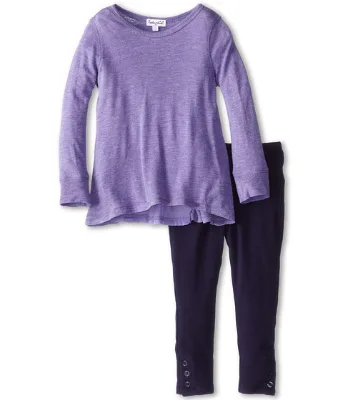
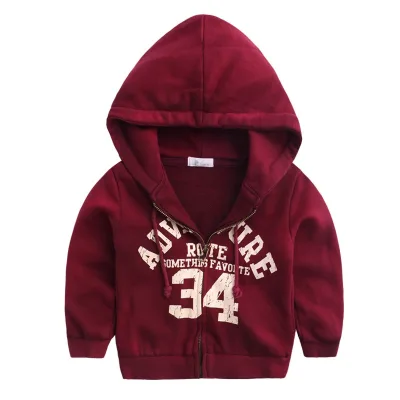
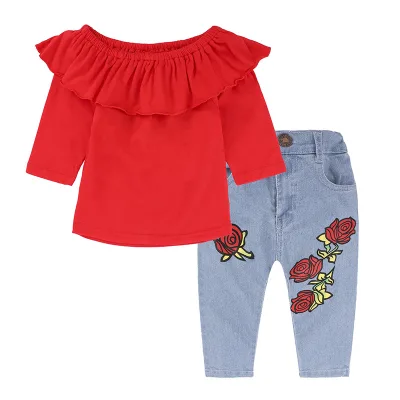
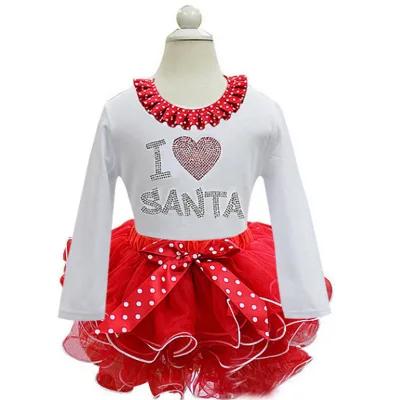
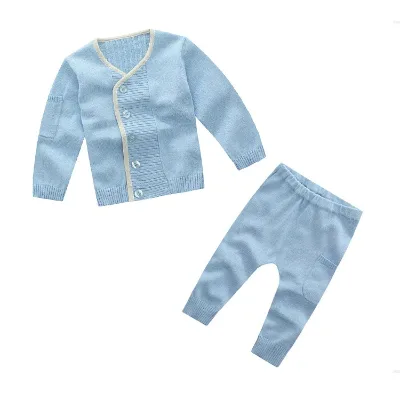
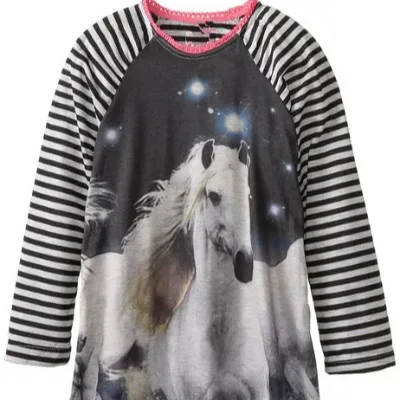
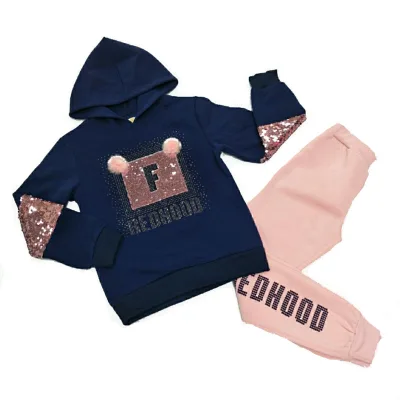
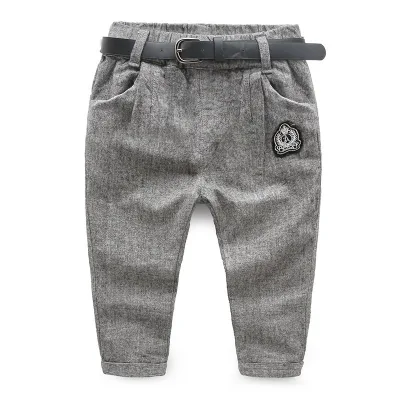
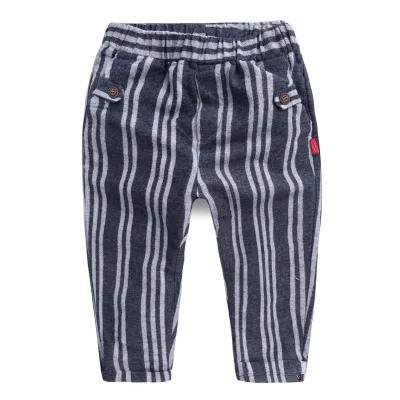
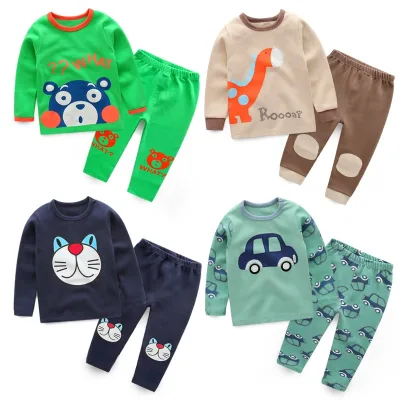
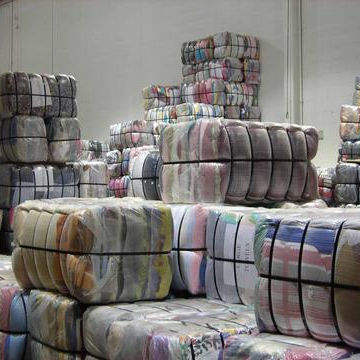
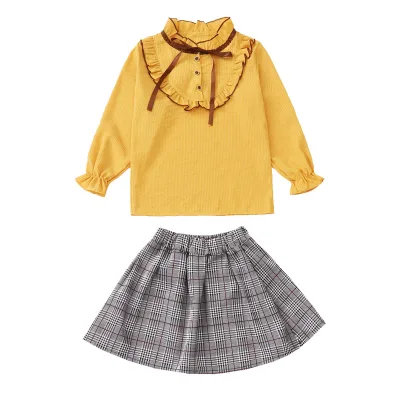
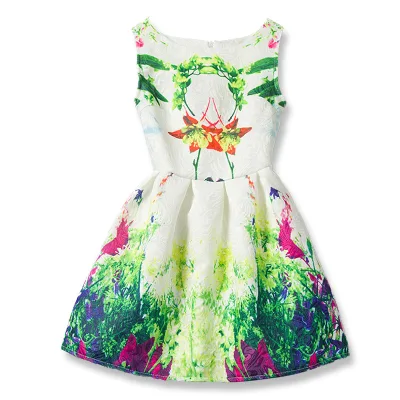
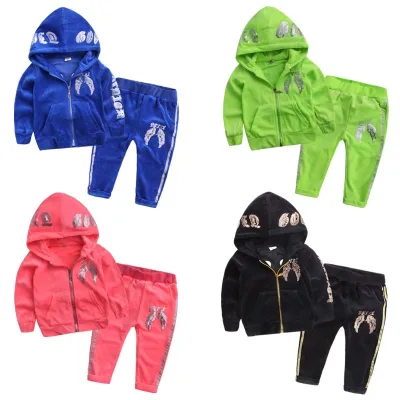
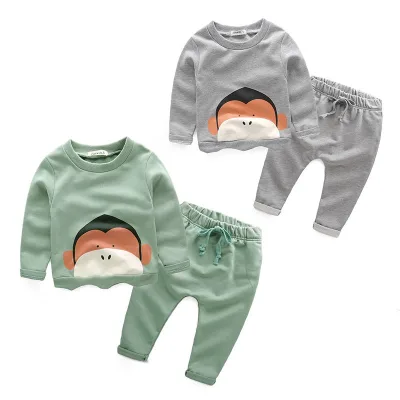
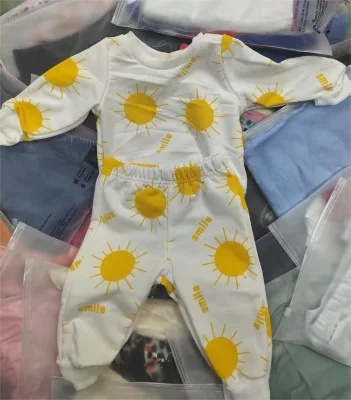


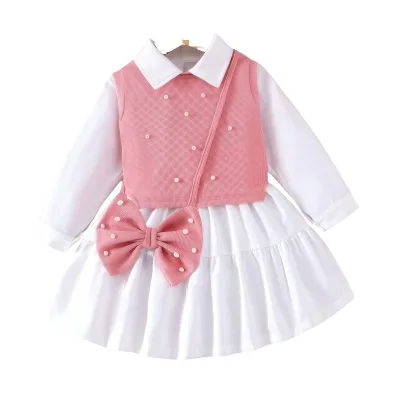


Used Kids Winter Coat High Quality Second Hand Children Soft Lovely Clothes
$1.50 - $1.80
MOQ: 100 Pieces

Used Children High Quality Dress Secondhand Kid Clothes Hot Selling Dresses
$1.50 - $1.70
MOQ: 100 Pieces


Used Children Winter Coat High Quality Second Hand Kids Soft Lovely Clothes
$1.50 - $1.80
MOQ: 100 Pieces

Comprehensive Sourcing Guide
Strategic Sourcing Guide for Child Clothing Procurement
Understanding Product Specifications and Material Variability
When sourcing Child Clothes, the first critical step is defining precise technical specifications, as the market presents a wide array of materials and construction types. Based on observed product data, the supply landscape includes items explicitly labeled as 100% Cotton, while other listings indicate a Polyester/Cotton blend. This distinction is vital for buyers targeting specific performance characteristics. For instance, cotton-heavy items are often marketed for their breathability, a feature explicitly noted in several product descriptions. Conversely, blended fabrics may offer different durability profiles or cost structures.
The construction method is another key differentiator. The available inventory includes both woven and knitted types. Woven fabrics, such as those described with a "Woolen" fabric type in some listings, generally provide a structured drape suitable for outerwear or formal sets. Knitted items, often associated with "Casual" styles and "Summer" seasons, offer stretch and comfort, which is essential for active children aged 2 to 6 years. Buyers must verify the specific fabric type against their end-use requirements, as a single supplier listing may contain mixed attributes that do not apply to every SKU.
Size standardization is equally important. Observed data indicates a size range spanning from 80 to 130, catering to the developmental stages of toddlers and young children. However, some listings reference age groups broadly as "Other" or specific ranges like "2-6 years old." Procurement teams should not assume a universal size chart across all suppliers. Instead, they must request specific size charts for each batch to ensure the inventory matches the target demographic's physical dimensions. The packaging dimensions also vary significantly, with batch sizes ranging from 20x20x10 cm to 30x20x17 cm, directly impacting logistics planning and storage density.
Compliance, Certification, and Safety Verification
In the realm of child clothing, safety and compliance are non-negotiable. While the supplied product data mentions "High Quality" and "Best Selling Products," these are marketing observations rather than verified compliance statements. Buyers must independently verify that products meet the safety standards of their target import markets, such as the United States, European Union, or specific Asian regulations.
The provided context lists "GOTS" (Global Organic Textile Standard) and "OEKO-TEX" under low-confidence background information. This indicates that while these certifications may exist in the broader market, they cannot be assumed for any specific product listing without direct supplier confirmation. A responsible procurement strategy requires asking suppliers for valid, current certificates for the specific batch being ordered. Relying on a supplier's general claim of "High Quality" is insufficient for regulatory clearance.
Buyers should specifically inquire about chemical restrictions, such as limits on azo dyes, formaldehyde, and heavy metals, which are critical for children's garments. The "Breathable" feature noted in some listings is a performance claim that should be backed by fabric testing data. Furthermore, the "OEM" and "ODM" supply types suggest that customization is possible, but this introduces complexity in compliance. When a supplier modifies a design or fabric blend, the safety certification for the original design may no longer apply. Therefore, every customized order requires a fresh compliance audit.
Cost Drivers and Pricing Dynamics
The pricing structure for Child Clothes is influenced by multiple variables, including material composition, order volume, and customization levels. The observed price range in the market spans from $0.10 to $20.00 USD per unit. This wide disparity suggests that the lower end of the spectrum likely corresponds to basic, high-volume items with minimal finishing, while the higher end may reflect premium materials, complex designs, or smaller batch sizes.
Material costs are a primary driver. A 100% Cotton item typically commands a different price point than a Polyester/Cotton blend, depending on the quality of the cotton and the processing methods used. The "Woolen" fabric type mentioned in the data implies a potentially higher cost due to the raw material and processing requirements. Additionally, the "Fabric Type" of "Denim" or "Woolen" versus standard cotton knits will significantly alter the base cost.
Order volume plays a decisive role in the final unit price. The Minimum Order Quantity (MOQ) varies from 1 piece to 200 pieces, with some listings specifying an MOQ of 3 sets. Suppliers often offer tiered pricing, where the unit cost decreases as the order quantity increases. The "Supply Ability" of 500,000 pieces per month indicates that large-scale buyers can negotiate better rates due to the supplier's capacity to handle bulk production. However, buyers must balance the desire for lower unit costs against the risk of overstocking.
Lead times also impact cost. The data mentions a "7 days sample order lead time," which is relatively fast for custom work. However, bulk production lead times are not explicitly defined in the provided facts. Buyers should anticipate that complex customizations, such as specific branding or unique packaging, will extend the timeline and potentially increase costs due to expedited labor or logistics.
Typical Applications and Seasonal Relevance
Child clothing serves diverse applications, ranging from everyday casual wear to seasonal fashion. The observed product attributes highlight a strong focus on "Casual" styles, suitable for daily activities. The "Summer" season listing suggests that certain inventory is optimized for warmer weather, likely utilizing lighter fabrics like the "Breathable" cotton options mentioned. Conversely, "Spring Autumn" items may require slightly heavier weaves or layering capabilities.
The "Girls" gender specification indicates that a significant portion of the market is targeted toward female children, though this does not preclude the existence of unisex or boys' items in the broader supply chain. The "Korean kids fashion wholesale" description points to a trend-driven market where style and aesthetic appeal are as important as functionality. This is particularly relevant for buyers targeting fashion-conscious retailers or parents looking for trendy, "Solid" patterned items.
Packaging details reveal that products are often sold as sets, with configurations like "1pc/opp bag" or "5pcs into a bigger bag." This suggests that the primary application is often retail resale where bundling adds value. The "Children Set Kid Clothing" pattern type implies that buyers are looking for coordinated outfits, which are popular for gifting and ease of dressing. Understanding these applications helps buyers select the right mix of SKUs to meet their specific retail or distribution needs.
Supplier Evaluation and Supply Chain Reliability
Evaluating suppliers requires a deep dive into their operational capabilities and transparency. The data indicates that suppliers are located in Shanghai, China, or generally in "Other" locations, with "OEM, Oem Service, and In-Stock Items" as the primary supply types. This mix allows buyers to choose between immediate shipment from inventory or custom manufacturing.
When evaluating a supplier, buyers should verify their "Supply Ability." A claim of 500,000 pieces per month is a strong indicator of capacity, but it must be validated against the supplier's actual production lines and workforce. The ability to support "7 days sample order lead time" is a positive signal for agility, but buyers must ensure this speed does not compromise quality.
Transparency regarding the "Place of Origin" is crucial. While Shanghai is a known manufacturing hub, some listings state "Other." Buyers should request detailed factory addresses and conduct virtual or physical audits to ensure the production environment meets their ethical and quality standards. The "Brand Name" field, showing "e2woo" in some listings, suggests that some suppliers offer private label services, while others may sell generic goods. Buyers must clarify whether they are purchasing a branded product or a white-label item that they will brand themselves.
Quality Control and Long-Term Procurement Strategy
Quality control is the backbone of successful procurement in the child clothing sector. The "High Quality Best Selling Products" claim is an observation that must be validated through rigorous testing. Buyers should implement a quality control plan that includes pre-production sample approval, in-line inspection during manufacturing, and final random inspection before shipment.
Key quality metrics to monitor include stitch integrity, color fastness, and fabric strength. The "Gross weight per batch" data, ranging from 0.300 kg to 1.800 kg, provides a baseline for checking packaging consistency. Deviations from the stated weight can indicate missing items or incorrect packaging, which affects the final product's presentation and cost.
For long-term procurement, building a relationship with a reliable supplier is essential. The "In-Stock Items" availability suggests that some suppliers can offer quick turnaround for replenishment, which is valuable for maintaining inventory levels. However, relying solely on in-stock items may limit customization options. A balanced strategy involves maintaining a core relationship with a supplier for standard items while having backup suppliers for custom orders to mitigate supply chain disruptions.
Buyers should also consider the "Packaging Details" for long-term logistics. Options like "customized carton" allow for better protection and branding, but they require more lead time and coordination. Standard packaging, such as "5pcs tied up by band," is faster but may offer less protection during transit. Aligning packaging choices with the destination market's retail requirements is a key strategic decision.
Comparative Analysis of Product Attributes
To facilitate decision-making, the following table summarizes the key variations observed in the child clothing market based on the provided data. This comparison highlights the diversity in specifications that buyers must navigate.
| Attribute | Observation A | Observation B | Observation C |
|---|---|---|---|
| Material | 100% Cotton | Polyester / Cotton | Woolen (Fabric Type) |
| Construction | Woven | Knitted | Woven |
| Season | Summer | Spring Autumn | (Implied by style) |
| Age Group | 2-6 Years | 2-6 Years Old | Other |
| Color | Light Blue | Red, White, Turquoise, Orange | (Varies by style) |
| MOQ | 1-200 (General) | 3 Sets | (Varies by supplier) |
| Packaging | 1pc/opp bag, 5pcs/bag | 1pc/opp bag, 5pcs/bag | Customized carton |
| Origin | Shanghai, China | Other | Shanghai, China |
| Lead Time | 7 days (Sample) | (Not specified) | (Not specified) |
This table illustrates that no single product profile fits all needs. A buyer seeking a "Summer" item in "100% Cotton" must distinguish it from a "Spring Autumn" item in "Polyester/Cotton." The variability in color, age range, and packaging further necessitates a tailored approach to sourcing. By carefully cross-referencing these attributes with specific business requirements, buyers can construct a procurement strategy that minimizes risk and maximizes value.
Final Considerations for Procurement Success
Successfully sourcing Child Clothes requires a disciplined approach that balances the observed market data with rigorous verification. The wide range of materials, from cotton to blends, and the variety of construction types, including woven and knitted, demand that buyers do not rely on general descriptions. Instead, they must request specific technical sheets and samples for every order.
Compliance remains a critical area of focus. The presence of low-confidence certification data underscores the need for buyers to independently verify safety standards rather than accepting supplier claims at face value. Cost drivers such as material, volume, and customization must be analyzed in the context of the buyer's budget and margin goals.
Finally, the long-term success of a procurement program depends on building resilient supplier relationships. By understanding the nuances of lead times, packaging, and supply capacity, buyers can navigate the complexities of the global child clothing market. The diversity of the product landscape, as evidenced by the wide range of colors, sizes, and styles, offers ample opportunity for strategic sourcing, provided that buyers remain vigilant in their quality control and compliance checks.
FAQs
What materials are used for Child Clothes in this inventory?
The inventory includes 100% Cotton and Polyester/Cotton blends. Some listings also specify Woolen or Denim fabric types. Buyers must verify the specific material for each SKU as attributes vary across batches.
Which age groups do these clothing sets target?
Most items are designed for children aged 2 to 6 years. Some listings specify sizes 80 to 130, while others use broader categories like Other. Procurement teams should request specific size charts for each batch.
Can suppliers provide samples within a week?
Yes, sample order lead time is supported within 7 days. This applies to custom or in-stock items depending on the supplier. Bulk production timelines are not explicitly defined and require direct confirmation.
How is the packaging configured for bulk orders?
Standard packaging includes 1 piece per OPP bag with 5 pieces in a larger bag or tied by a band. Customized cartons are also available for wholesale orders. Batch dimensions vary from 20x20x10 cm to 30x20x17 cm.
What is the minimum order quantity for these items?
The minimum order quantity ranges from 1 piece to 200 pieces. Some specific listings require a minimum of 3 sets. Buyers should check the MOQ for each supplier as it varies by product and capacity.
Where are these Child Clothes manufactured?
Products originate from Shanghai, China, or other unspecified locations. The supply type includes ODM, OEM services, and in-stock items. Buyers should verify the exact factory address for each order to ensure compliance.