Source Child-Resistant Powder-Coated Tinplate Box for Food, Cosmetics, and Gifts
Explore 30 listings for the child-resistant powder-coated tinplate box, comparing options for food, cosmetics, and gift packaging. Buyers can evaluate materials, sealing types, and customization features across verified suppliers.
Key considerations
Products List


Custom Size and Printing Child Resistant Metal Tin Box for Packaging Container
$0.12 - $0.13
MOQ: 500 Pieces


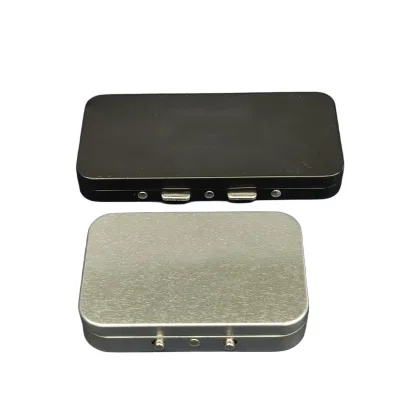
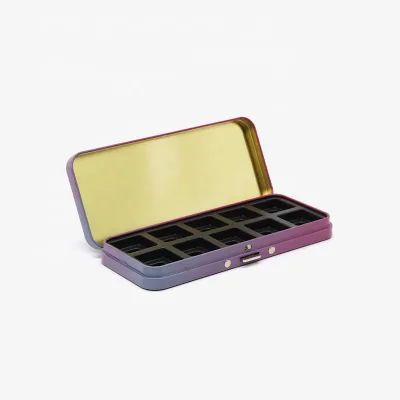


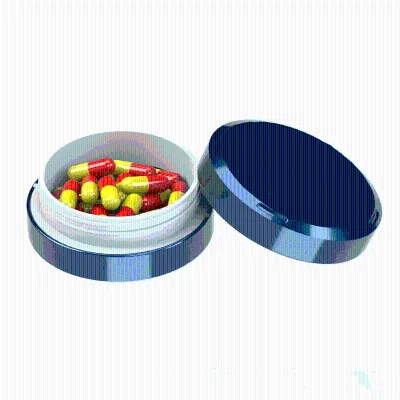
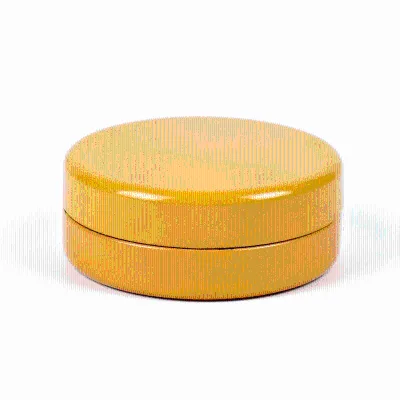


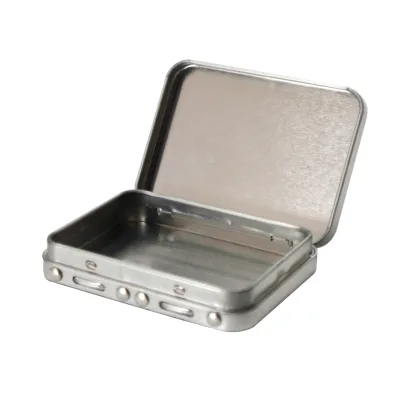
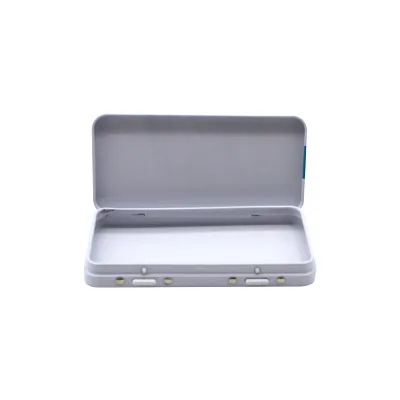
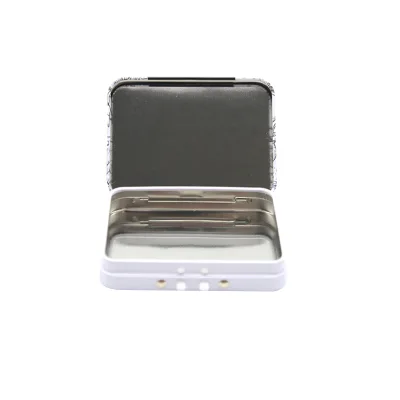

Factory Supply Child Resistant Metal Tin Mini Hinged-Lid Tinplate Preroll Box
$0.46 - $0.66
MOQ: 5000 Pieces
Comprehensive Sourcing Guide
Strategic Sourcing Guide for Child-Resistant Powder-Coated Tinplate Boxes
Understanding the Product Category and Material Composition
When sourcing child-resistant powder-coated tinplate boxes, buyers must first distinguish between the primary material families available in the current market. The core keyword specifically points to metal construction, yet the broader category of child-resistant packaging often includes glass alternatives. In the context of tinplate, the material is defined as metal, specifically tinplate, which offers a robust barrier against moisture and light while providing the structural rigidity required for child-resistant mechanisms. The product attributes observed in the market indicate that these containers are frequently shaped as bottles or rectangular tins, with specific models such as XT-040 and XT-041 appearing in listings.
The surface finish is a critical differentiator. The "powder-coated" descriptor implies a specific surface handling process, often involving screen printing or embossing to achieve a durable, non-toxic, and aesthetically pleasing exterior. While some listings mention silk screen, hot stamping, or decal applications, the powder coating serves as a protective layer that enhances the box's resistance to corrosion and wear. The shape of the container varies significantly; while some products are described as "shaped bottles," others are explicitly rectangular, with dimensions ranging from small formats like 967515mm to larger pallet-ready configurations. This variation in shape directly impacts the internal volume and the specific child-resistant locking mechanism required, which is typically a screw cap or a specialized child-resistant cap.
Technical Specifications and Functional Requirements
The technical specifications of a child-resistant tinplate box are governed by the intended usage and the physical constraints of the packaging. The observed product models indicate a wide range of capacities, with standards ranging from 1oz to 18oz, and specific dimensions such as 1208030mm or 805815cm. The weight of these units is generally under 0.5 kg, making them suitable for shipping via sea, air, or express couriers. The sealing type is a paramount technical feature; the market data confirms the prevalence of screw caps and child-resistant caps, which are essential for meeting safety regulations.
Functionality extends beyond simple containment. These boxes are designed for the storage of dry flowers, food, beverages, cosmetics, and in some cases, specific quantities of flower products like 1g or 3.5g units. The application scope is broad, covering farm, factory, and household environments. The printing capabilities are highly customizable, with options for two-sided printing and various logo application methods including metal stamping and 3D printing. Buyers must verify that the specific model they select supports the required volume and sealing mechanism. For instance, a model designed for 1oz might not be suitable for 18oz applications without a redesign of the locking mechanism. The standardization of these products varies, with some listings offering customizable standards while others adhere to specific model numbers like XT-040.
Compliance, Certification, and Safety Verification
Ensuring compliance with safety standards is the most critical aspect of sourcing child-resistant packaging. While the provided data mentions ISO 8317 as a background standard, it is not explicitly confirmed as a mandatory requirement for all listed products. Therefore, buyers must not assume that a product is compliant based solely on its listing description. The term "child-resistant" implies a specific mechanical resistance to opening by children under five years of age, which is a regulated requirement in many jurisdictions.
Buyers should request specific test reports or certification documents from suppliers to verify that the child-resistant cap mechanism meets the relevant regional standards, such as those set by the Consumer Product Safety Commission (CPSC) in the United States or equivalent bodies in the European Union. The data indicates that some products are labeled as "Customized" regarding their standards, suggesting that the safety mechanism may need to be tailored to specific regulatory environments. It is essential to confirm that the powder coating and the metal composition do not leach harmful substances into the contents, especially when the usage includes food or medicine. The absence of explicit certification claims in the general product descriptions necessitates a proactive verification process where the buyer demands proof of compliance before placing an order.
Cost Drivers and Pricing Dynamics
The cost of sourcing child-resistant powder-coated tinplate boxes is influenced by several variable factors, primarily driven by material costs, customization levels, and order volume. The observed price range in the market spans from $0.12 to $8.00 per unit, a significant variance that reflects differences in size, complexity, and finish. The Minimum Order Quantity (MOQ) is another major cost driver, with observed ranges from 2 units to 5000 units. Specific models like the 3.5g glass tube or the XT-040 metal tin box have MOQs of 500 or 5000 pieces, respectively, which can significantly impact the unit price for smaller buyers.
Customization is a primary factor increasing costs. The availability of custom printing, logo application via silk screen or metal stamping, and tailored dimensions adds to the production complexity. The standard packaging is typically carton-based, but the need for palletized shipping for large orders can alter logistics costs. Buyers should note that while the base price for a standard tinplate box may be low, the addition of child-resistant mechanisms and specialized powder coatings will push the price toward the higher end of the observed range. Furthermore, the origin of the product, primarily from China and specifically Shandong, influences shipping costs and lead times, which are indirect but significant cost components.
Typical Applications and Usage Scenarios
The versatility of child-resistant powder-coated tinplate boxes makes them suitable for a diverse array of industries. The primary applications identified include food and beverage packaging, where the metal construction provides an excellent barrier against spoilage. The boxes are also widely used for storing dry flowers, a market segment that values both the aesthetic appeal of the powder coating and the security of the child-resistant seal. In the cosmetics industry, these containers are used for creams, powders, and other personal care products, leveraging the ability to print high-quality logos and branding on the metal surface.
Beyond consumer goods, the application extends to the storage of jewelry, electronics, gifts, toys, and health care products. The rectangular and bottle shapes allow for efficient stacking and display in retail environments. The specific mention of "1g Flower" and "3.5g Child Resistant Glass Tube" in the data suggests a niche market for pre-portioned or small-quantity packaging, likely in the context of regulated substances or premium herbal products. The ability to customize the standard and the printing page (two-sided) allows manufacturers to create unique branding experiences for these varied applications. The usage in farm, factory, and household settings further underscores the durability and utility of these containers in both commercial and domestic contexts.
Supplier Evaluation and Quality Control Protocols
Evaluating suppliers for child-resistant packaging requires a rigorous approach to quality control. Given the safety implications, buyers must verify the supplier's production capabilities regarding the child-resistant mechanism. The data shows that suppliers offer various surface handling techniques, including embossing and screen printing, which must be consistent and defect-free. A key evaluation metric is the consistency of the sealing type; a screw cap that does not engage the child-resistant lock properly renders the product unsafe.
Buyers should request samples to test the opening mechanism personally, ensuring it meets the required safety standards without being overly difficult for adults to open. The production origin, specifically noted as China and Shandong, should be cross-referenced with the supplier's ability to provide detailed quality assurance documentation. The packaging method, described as carton and pallet, should be inspected to ensure the products arrive without damage. Additionally, the customization process, including logo printing and standard adjustments, must be reviewed to ensure the final product matches the design specifications. The presence of multiple MOQs suggests that suppliers may have different production lines for small and large orders, and buyers should confirm which line will be used for their specific order size to ensure quality consistency.
Long-Term Procurement and Supply Chain Considerations
Long-term procurement of child-resistant tinplate boxes involves more than just the initial purchase; it requires a strategic approach to supply chain management. The observed MOQs, ranging from 500 to 5000 pieces, indicate that buyers need to plan their inventory carefully to balance storage costs with the risk of stockouts. The lead times and shipping methods (sea, air, or express) are critical factors in maintaining a steady supply. Given the customization options, buyers should establish a long-term relationship with a supplier who can consistently deliver the required specifications, including the specific model numbers like XT-040 or XT-041.
Sustainability and material availability are also long-term considerations. As the market for metal packaging grows, buyers should monitor the availability of tinplate and the environmental impact of the powder coating process. The ability to customize the standard and the printing process allows for future adaptability as regulations change or branding strategies evolve. Buyers should also consider the scalability of the supplier; a partner capable of handling orders from 500 to 5000 pieces can support business growth without the need to switch vendors. Finally, maintaining open communication regarding quality control and compliance updates ensures that the supply chain remains robust and responsive to market demands.
Comparative Analysis of Product Attributes
To assist in decision-making, the following table summarizes the key attributes observed in the market for child-resistant powder-coated tinplate boxes. This comparison highlights the diversity in specifications and helps buyers identify the product that best fits their specific needs.
| Attribute | Option A: Metal Tin Box (XT-040) | Option B: Glass Tube (3.5g) | Option C: Rectangular Tin (XT-041) | Option D: Custom Metal Box |
|---|---|---|---|---|
| Material | Metal (Tinplate) | Glass | Metal (Tinplate) | Metal (Tinplate) |
| Shape | Shaped Bottle | Tube | Rectangle | Customizable |
| Sealing Type | Screw Cap | Child Resistant Cap | Screw Cap | Child Resistant Cap |
| MOQ | 500 PCS | 5000 PCS | 1000 PCS | 5000 PCS |
| Usage | Food, Dry Flowers | Food, 1g Flower | Food, Jewelry, Electronics | Food, Cosmetics, Gifts |
| Printing | Customized | Silk Screen/Metal Stamping | With Logo Printing | Silk Screen/Hot Stamping |
| Dimensions | 967515mm | 1oz/2oz/3oz/etc | 1208030mm | 805815cm to 1205815mm |
| Origin | China | China | Shandong, China | China |
This table illustrates that while the core function remains consistent, the specific material, shape, and MOQ requirements vary significantly. Buyers must align their product requirements with these attributes to ensure a successful procurement outcome. The diversity in options allows for tailored solutions across different industries, from food storage to cosmetic packaging, provided that the child-resistant safety mechanisms are verified for each specific model.
FAQs
What customization options are available for these boxes?
Customization is available for printing, logo application, and dimensions. Buyers can choose from silk screen, metal stamping, or 3D printing methods to apply logos on the powder-coated surface. Specific models like XT-040 support customized standards and two-sided printing to meet unique branding needs.
Which sealing types are used for child-resistant safety?
The primary sealing types observed are screw caps and specialized child-resistant caps. These mechanisms are designed to prevent accidental opening by children while remaining accessible to adults. The specific cap type depends on the model, such as the 3.5g glass tube or the metal tin box variants.
How is the minimum order quantity determined for these products?
Minimum order quantities vary significantly by product type and material. Metal tin boxes often require an MOQ of 500 pieces, while glass tubes may require 5000 pieces. Some standard listings indicate an MOQ of 1000 pieces, so buyers must check the specific model requirements before placing an order.
Can these boxes be used for food and beverage packaging?
Yes, these containers are explicitly designed for food, beverage, and medicine usage. The metal construction provides a robust barrier against moisture and light, ensuring product safety. They are also suitable for storing dry flowers, cosmetics, and health care products in farm, factory, or household settings.
What are the standard dimensions and weight limits for these boxes?
Dimensions vary by model, with examples including 96*75*15mm and 120*80*30mm. The weight of individual units is generally under 0.5 kg, making them lightweight for shipping. Specific models like XT-040 and XT-041 offer different size options to accommodate various volume requirements from 1oz to 18oz.
Which printing methods are supported for logo application?
Supported printing methods include silk screen, hot stamping, decal, and metal stamping. Some products also offer 3D printing capabilities for unique branding effects. The surface handling can involve embossing or screen printing, allowing for two-sided customization on the powder-coated metal or glass surfaces.
Where are these child-resistant boxes typically manufactured?
These products are primarily manufactured in China, with specific origins noted in Shandong. The location influences shipping logistics and lead times, which can be arranged via sea, air, or express couriers. Buyers should verify the specific factory location when sourcing to ensure compliance with regional standards.