Source China Bias Tires for Trucks, Off-Road, and Industrial Use
Find 30 listings for China Bias Tire options suitable for light trucks, heavy-duty applications, and industrial machinery. Compare specifications including sizes like 295/80R22.5 and 195/55R16, materials such as butyl and natural rubber, and certifications like DOT and ISO9001 to identify the right supplier for your fleet needs.
Updated
Key considerations
Products List


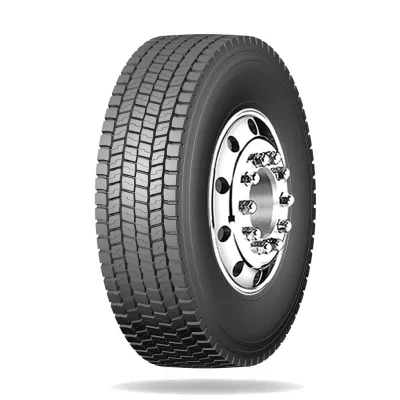
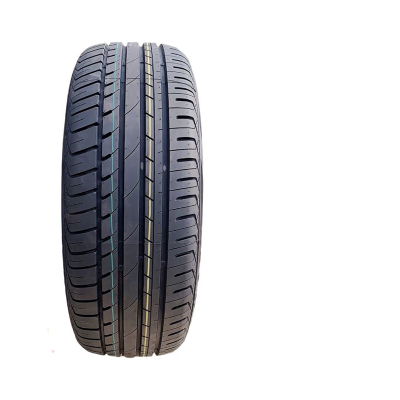
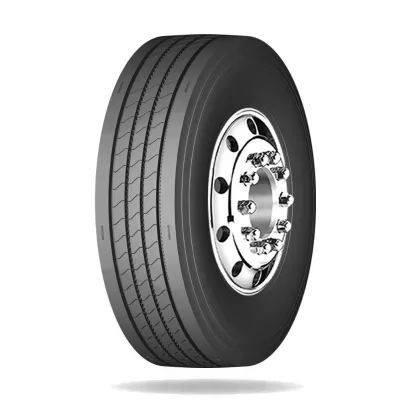


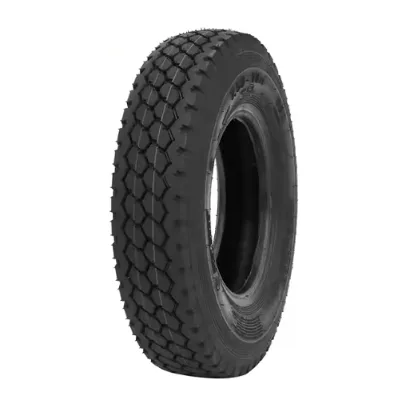
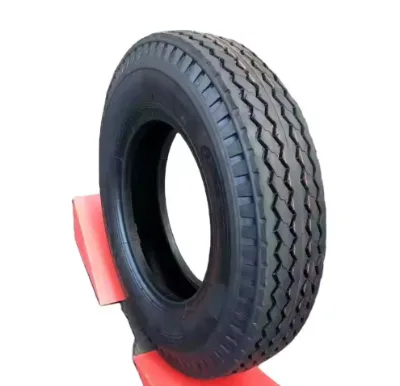
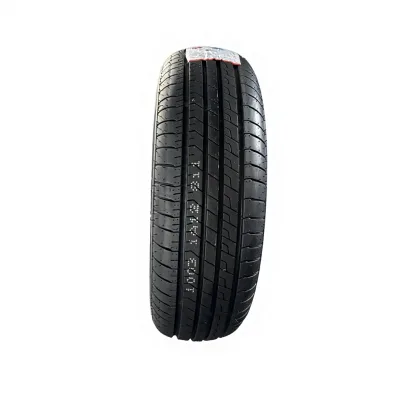
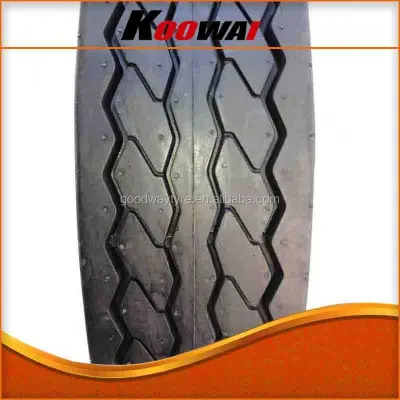
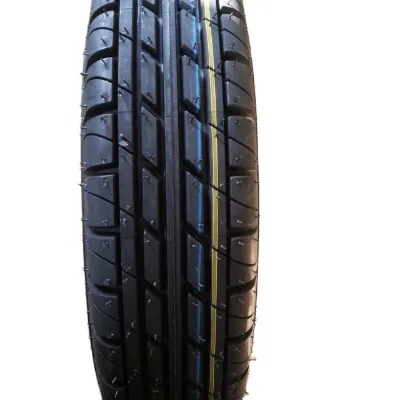
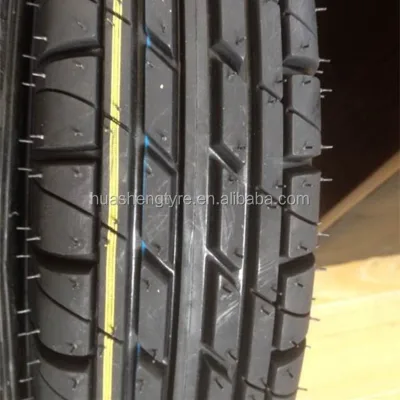
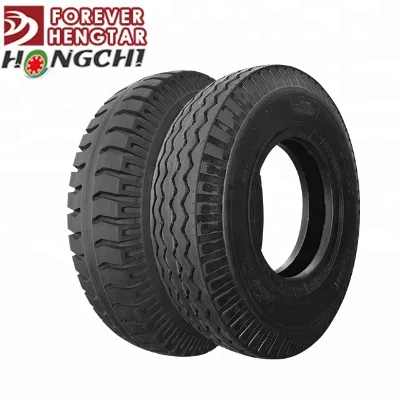


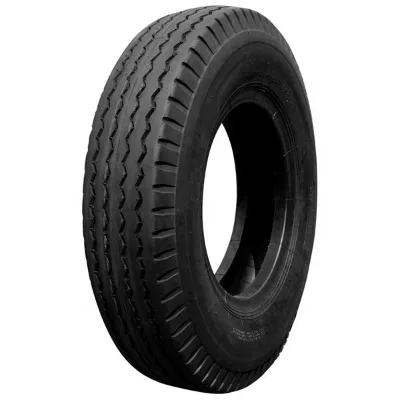
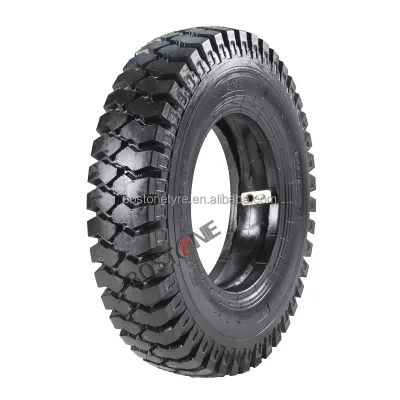
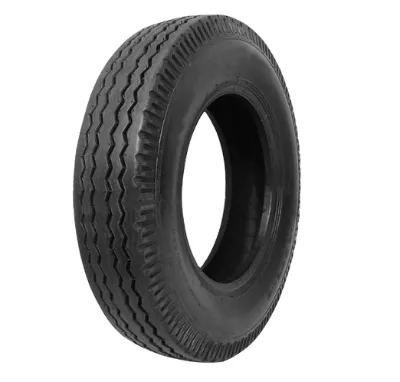
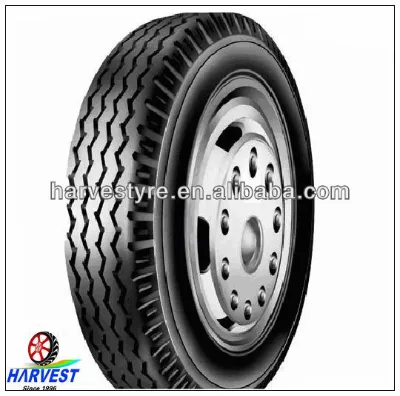

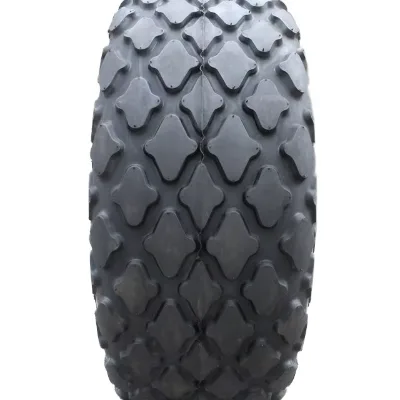
Chinese Top Tyre Brand Aulice Top Quality Bias Tire with Long Life Time
$30.00 - $50.00
MOQ: 100 Pieces

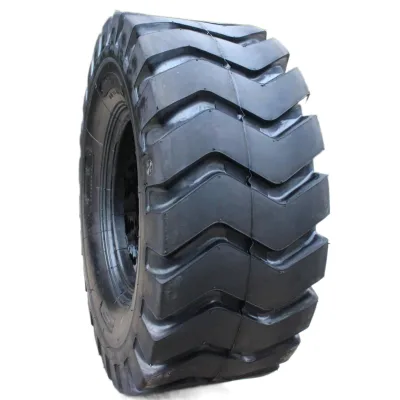
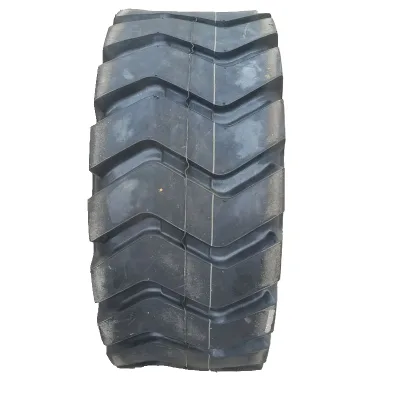
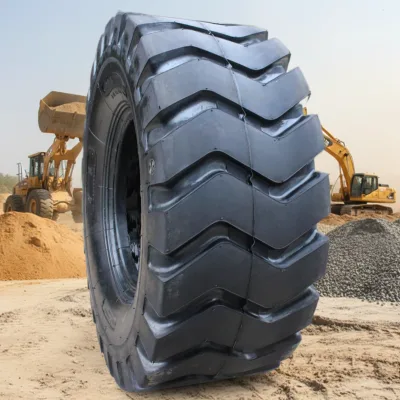
Wholesale Best Tyres 7.00-16 Durable Quality Bias Tyre Used in Mining Area
$55.00 - $65.00
MOQ: 100 Pieces
Comprehensive Sourcing Guide
China Bias Tire Sourcing Guide
Sourcing bias tires from China requires a disciplined approach to verifying construction integrity and supply chain reliability. Buyers must distinguish between genuine bias-ply designs and radial alternatives, as the structural differences impact load distribution and heat dissipation significantly. The observed market signals indicate a diverse range of offerings, from light truck applications to heavy-duty commercial vehicles, necessitating precise specification alignment. Procurement teams should prioritize suppliers who provide transparent material breakdowns, specifically noting the use of butyl and natural rubber blends, which are critical for maintaining air retention and structural durability under heavy loads.
Commercial negotiations must account for the variability in minimum order quantities and packaging standards observed across listings. Some suppliers offer flexible MOQs starting at just four pieces, while others require full container loads, influencing inventory turnover and cash flow management. Buyers should evaluate the customization options available, including tread pattern selection and packaging requirements, to ensure the product aligns with local market expectations and logistical constraints. Understanding these commercial nuances is essential for establishing a sustainable supply relationship that balances cost efficiency with operational flexibility.
Product Scope and Observed Listing Signals
The current market landscape for Chinese bias tires encompasses a wide spectrum of vehicle types, ranging from light trucks to heavy-duty commercial transport. Listings frequently highlight specific tire models such as 295/80R22.5 and various bias-ply sizes like 9.00-20 and 8.25-16, indicating a robust inventory for diverse fleet needs. Buyers should note that while some products are explicitly labeled as bias tires, others may list radial specifications, requiring careful scrutiny of the product description to confirm the ply structure. The presence of customization options suggests that manufacturers are adaptable to specific customer requirements, allowing for tailored solutions in tread design and branding.
Packaging and shipping details provide additional insights into supplier professionalism and logistical capabilities. Observed packing methods vary from individual color packaging wrappers to nude packing or custom requirements, reflecting different approaches to product protection and handling. Single package dimensions and gross weights, such as 113x113x25 cm with a weight of 58.0 kg, help buyers calculate freight costs and warehouse storage needs accurately. These physical attributes are crucial for planning the last-mile delivery and ensuring that the tires arrive in optimal condition, minimizing the risk of damage during transit and storage.
Technical Specifications to Verify
Verifying technical specifications is paramount to ensuring that the purchased tires meet the operational demands of the intended application. Buyers must confirm the exact tire size, width, and diameter, as discrepancies can lead to compatibility issues with existing wheel rims and vehicle suspension systems. The observed range of sizes, from narrow widths under 165mm to broader profiles, underscores the importance of matching the tire to the specific load index and speed rating required. Additionally, the distinction between tubeless and tube-type constructions must be clearly established, as this affects the installation process and the type of valve stems needed for proper inflation and maintenance.
Material composition and construction details are critical factors that influence the tire's performance and longevity. The use of natural rubber and butyl rubber blends is a common feature in high-quality bias tires, offering a balance of flexibility and air retention. Buyers should request detailed material safety data sheets and construction diagrams to verify the ply arrangement and belt structure. Furthermore, understanding the equipment compatibility, such as suitability for vehicles from USA, Germany, Japan, or Italy, ensures that the tires meet the regional standards for fitment and performance. This technical due diligence helps prevent costly mismatches and ensures optimal vehicle handling and safety.
Compliance and Safety Documentation
Compliance with international and regional safety standards is a non-negotiable aspect of tire procurement. Buyers must verify that the tires hold necessary certifications such as CCC, ISO9001, RoHS, CE, and DOT, depending on the target market. These certifications indicate that the manufacturer adheres to rigorous quality management systems and safety regulations, providing a baseline assurance of product reliability. It is essential to request valid certification documents and verify their authenticity with the issuing bodies, as counterfeit certificates are a risk in the global trade of automotive components.
Beyond certifications, buyers should inquire about the testing protocols employed by the manufacturer to validate tire performance. While specific test results may not be publicly listed, understanding the internal quality control processes, such as uniformity testing and balance checks, is crucial. Documentation regarding the tire's origin, specifically from regions like Shandong, China, can also provide context regarding the manufacturing environment and supply chain transparency. Ensuring that all safety and compliance documentation is complete and up-to-date protects the buyer from legal liabilities and enhances the credibility of the final product in the end-market.
Cost Drivers and Commercial Terms
Understanding the cost drivers associated with bias tire procurement helps buyers negotiate better commercial terms and manage their budgets effectively. Factors such as raw material prices, particularly for natural rubber, significantly influence the final cost of the tires. Buyers should be aware that prices can vary widely, from affordable options around $4.25 to premium products exceeding $3000, depending on the size, brand, and specifications. Establishing a clear understanding of these price ranges allows for more accurate cost forecasting and comparison shopping among different suppliers.
Commercial terms, including minimum order quantities and delivery times, play a significant role in the overall procurement strategy. Some suppliers offer flexible MOQs, while others require larger commitments, impacting inventory holding costs and cash flow. Delivery times, typically ranging from 15 to 30 days, must be factored into the supply chain planning to avoid stockouts. Additionally, shipping methods, such as 20gp or 40hc containers, affect logistics costs and lead times. Buyers should negotiate clear terms regarding payment, shipping, and liability to mitigate risks and ensure a smooth transaction process.
Supplier Qualification and Quality Control
Supplier qualification is a critical step in mitigating risks associated with international sourcing. Buyers should conduct thorough due diligence on potential suppliers, verifying their business licenses, manufacturing capabilities, and export history. Suppliers located in key industrial regions like Shandong Qingdao often have established supply chains and logistical advantages, which can be beneficial for timely delivery. It is advisable to request samples for quality inspection before placing large orders, allowing buyers to assess the physical quality, packaging, and labeling of the tires firsthand.
Quality control measures implemented by the supplier are equally important to ensure consistent product quality. Buyers should inquire about the supplier's quality management systems, including ISO9001 certification, and their procedures for handling defects and returns. Establishing a clear communication channel for addressing quality issues is essential for maintaining a productive relationship. Additionally, verifying the supplier's ability to provide customization, such as specific tread patterns or branding, can add value to the procurement process. A robust supplier qualification process helps ensure that the buyer receives high-quality products that meet their specifications and expectations.
Long-Term Procurement Checks
Establishing long-term procurement checks ensures the sustainability and reliability of the tire supply chain. Buyers should regularly review supplier performance metrics, including on-time delivery rates, product quality consistency, and responsiveness to issues. Continuous monitoring helps identify potential problems early, allowing for proactive measures to mitigate disruptions. Building a strong relationship with the supplier, including regular communication and feedback, can lead to improved service levels and better pricing over time.
Market protection and exclusive agent arrangements, as mentioned in some listings, offer additional benefits for long-term partnerships. Buyers should evaluate the supplier's commitment to protecting their market interests, which can enhance brand loyalty and competitive advantage. Additionally, staying informed about changes in industry standards, regulations, and technological advancements is crucial for adapting procurement strategies. By maintaining a vigilant and strategic approach to supplier management, buyers can secure a stable supply of high-quality bias tires that support their business objectives and customer satisfaction.
FAQs
What certifications do these tires hold?
These tires hold CCC, ISO9001, RoHS, CE, and DOT certifications. This ensures compliance with international safety and quality standards for various global markets. Buyers can verify these credentials to ensure regulatory adherence for their specific regional requirements and operational safety protocols.
Can I customize the tire packaging?
Yes, customization is available for tire packaging. Options include nude packing or specific requirements per customer request. Standard packing may involve individual color wrappers with bulk quantities of 10, 15, or 20 pieces, allowing flexible logistics solutions for diverse supply chain needs.
What is the typical delivery time?
The typical delivery time is within 15 to 30 days. This range depends on order volume and specific production schedules. Buyers should confirm exact timelines with suppliers to align with their inventory planning and ensure timely receipt of goods for their operational requirements.
Which tire sizes are available?
Available sizes include 295/80R22.5, 60/70-17, 70/80-17, 80/80-17, 90/80-17, and LT285/75R16-10PR. Other models like 9.00-20 and 8.25-20 are also listed. Sizes are available to meet various vehicle specifications, ensuring compatibility with different truck and light truck applications.
What is the minimum order quantity?
The minimum order quantity varies, with some listings requiring 4 pieces and others 1x20gp container mixed sizes. This flexibility allows buyers to start with smaller trial orders or bulk purchases. Specific MOQs depend on the supplier and tire type selected for the transaction.
Where are these tires manufactured?
These tires are manufactured in Shandong, China, specifically in Qingdao. This region is a known hub for tire production. Buyers can expect products originating from this location, which may influence shipping logistics and lead times depending on the final destination port.