Radial Commercial Truck Tires Suppliers and Manufacturers
Compare 22 verified suppliers of Radial Commercial Truck Tires by location, response time, and lead time. Review product specifications like tire size and material before contacting vendors for quotes; review the available evidence before requesting comparable quotations from suitable candidates.
Updated
Suppliers List

Hubei Yongsin International Trade Co., Ltd.
- Trading Company
- Hubei, China
- Lead time30 days
- Avg. response≤ 4h
Main productsTBR,OTR,TBB
Main marketsSoutheast Asia(30.00%), South Asia(20.00%), Africa(10.00%), South America(10.00%), Oceania(10.00%), North America(5.00%), Central America(5.00%), Northern Europe(2.00%), Eastern Europe(2.00%), Mid East(2.00%), Western Europe(2.00%), Eastern Asia(2.00%)
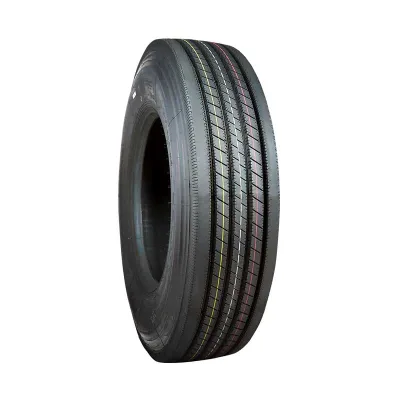
Commercial Truck Tires 11R22.5 Tires for Truck Truck Tires
$109.00 - $112.00
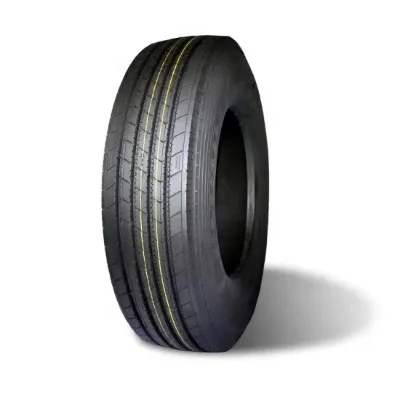
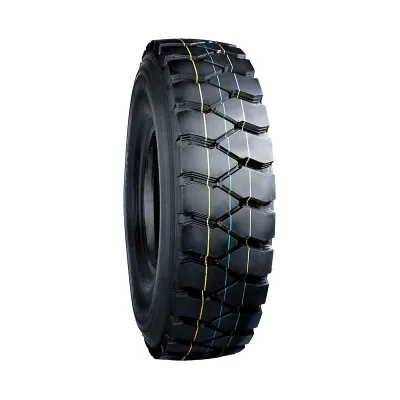
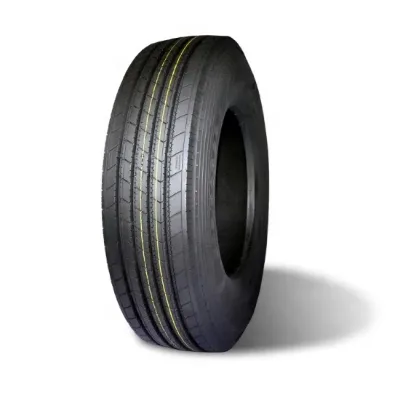
New 315/80R22.5 Radial Design Truck Tire for Heavy Trucks TBR Type for Export
$107.2961 - $122.6241
MOQ: 120 pieces
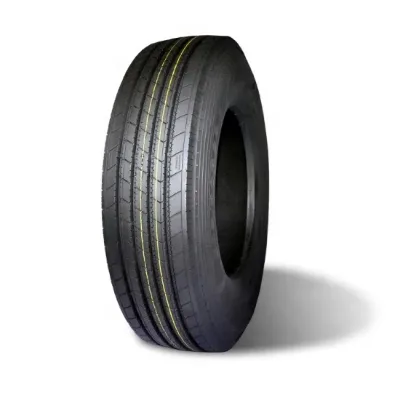
$107.5893 - $122.9592
MOQ: 120 pieces
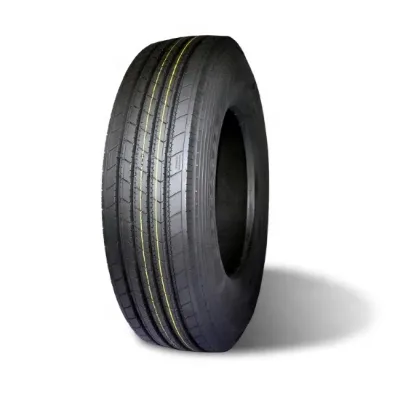
$108.4061 - $123.8927
MOQ: 120 pieces
Jielun (wuhan) International Trade Co., Ltd.
- Manufacturer, Trading Company
- Hubei, China
- Lead time30 days
- Avg. response≤ 2h
Main productsPassenger Car tyre,Truck & Bus tyre,Off--The-Road tire,Agricultural tyre,Forklift tyre
Main marketsSouth America(40.00%), Africa(20.00%), Mid East(20.00%), South Asia(10.00%), North America(10.00%)
Qingdao Amberroad Trade Co., Ltd.
- Verified by SGS Group
- Trading Company
- Lead time0 days
Main productsTruck Tire, Car Tire, Off Road Tire, Wheels, Agricultural Tire
Main marketsAfrica(20%), South America(15%), Southeast Asia(15%)
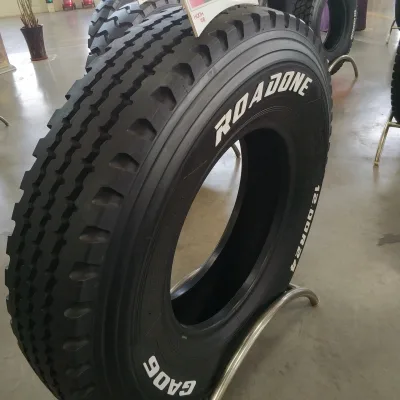
Commercial Truck Tires 12.00R24 All-Steel Truck Tyres
$151.00 - $165.00
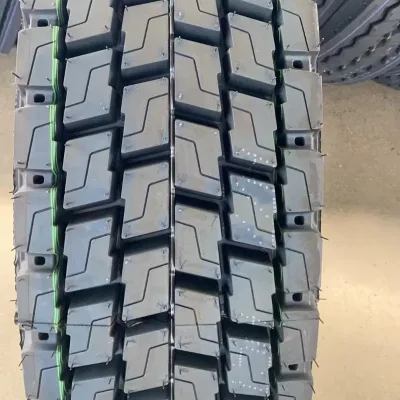
Wholesale Truck Tire Factory Commercial Truck Bus Tires Tyres Tires with Super Traction 315/70R22.5
$97.3432 - $102.4655
MOQ: 1 pieces
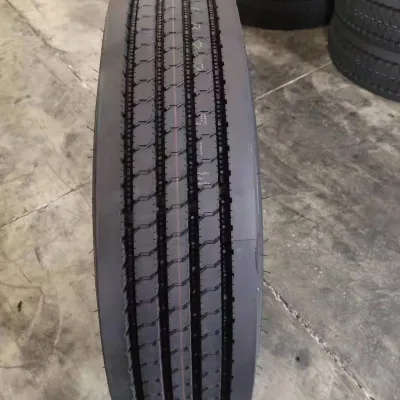
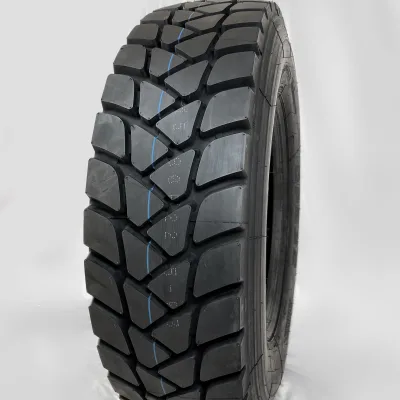
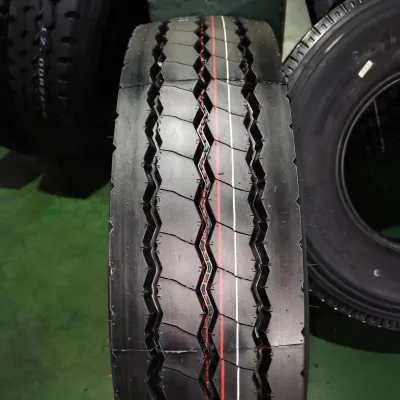
$94.984 - $101.179
MOQ: 1 pieces
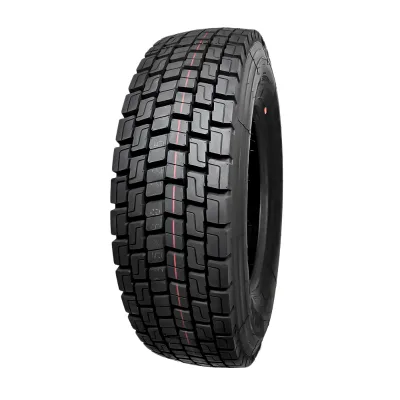
1200x24 Truck Tire Truck Tire Regroving Equipment Chinese Truck Tires for Sale
$138.00 - $142.00
MOQ: 1 pieces

Weifang Yuelong Rubber Co., Ltd.
- Combined
- China Shandong
- Lead time23 days
- Avg. response≤ 15h
Main productsTire, Tyre, TBR, PCR, Radial Tyre, OTR, Truck Tyre, Car Tyre
Main marketsAfrica,Southeast Asia/ Mideast
Qingdao Foremaster Rubber Co., Ltd.
- Trading Company
- Shandong, China
- Lead time10 days
- Avg. response≤ 13h
Main productsTruck& Bus Tires/Off-The-Road Tires/Agricultural Tires/Industrial Tires and Others 1
Main marketsEastern Europe(25.00%), South America(20.00%), Africa(20.00%), Southeast Asia(15.00%), North America(13.00%), Mid East(5.00%), Central America(2.00%)
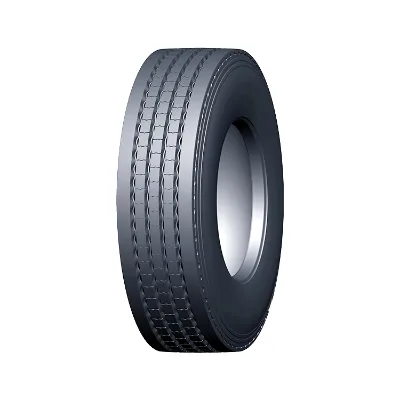
KUNLUN Commercial Truck Tires 11r22.5 315 80R22.5 22PR
$89.00 - $149.00
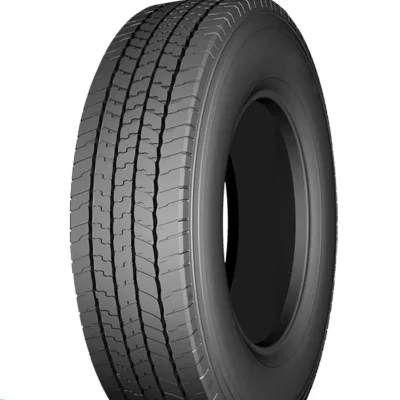
Nanjing Carim Wheels Technology Co., Ltd.
- Trading Company
- Jiangsu, China
- Lead time45 days
- Avg. response≤ 1h
Main productsAlloy Wheels,Rims,Forged Wheels,Flow Forming Wheels,Wire Wheels
Main marketsNorth America(18.00%), Southeast Asia(15.00%), Western Europe(9.00%), Eastern Europe(8.00%), Oceania(8.00%), South Asia(5.00%), Southern Europe(5.00%), Northern Europe(5.00%), Central America(5.00%), Africa(5.00%), Eastern Asia(5.00%), Mid East(5.00%), South America(5.00%), Domestic Market(2.00%)
Qingdao Atera Industrial Co., Ltd.
- Manufacturer, Trading Company
- Shandong, China
- Lead time0 days
- Avg. response≤ 2h
Main productsPCR Tires,TBR Tires,Motorcycle Tires,Bicycle Tires,Tire Studs
Main marketsSouth Asia(10.00%), Southern Europe(10.00%), Central America(10.00%), Eastern Asia(10.00%), Mid East(10.00%), Oceania(10.00%), Africa(10.00%), Southeast Asia(10.00%), Eastern Europe(10.00%), South America(10.00%)
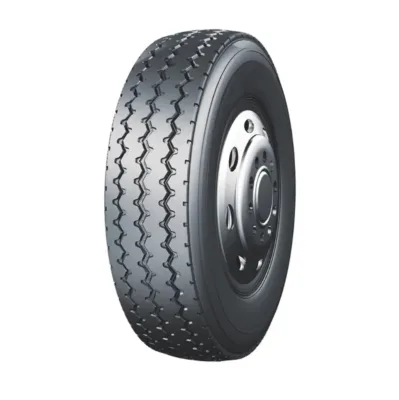
Wholesale 315 80 22.5 Radial Truck Tires New Semi Truck Radial Tyres for Trucks
$100.00 - $110.20
MOQ: 10 pieces
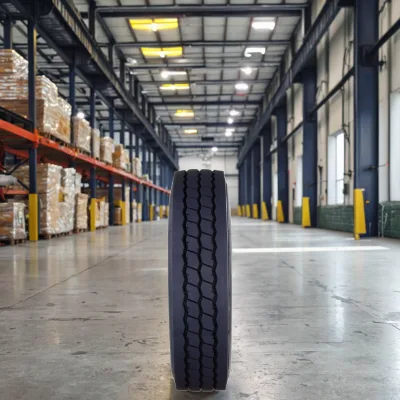
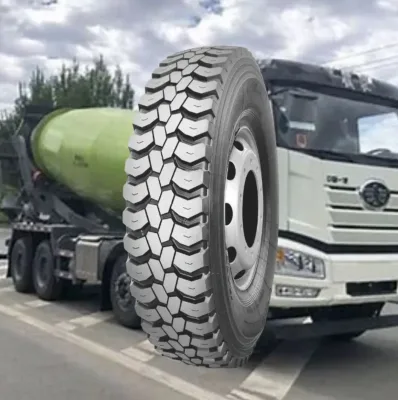
High-Performance Radial Truck Tires for Urban Deliveries Light Duty and Load-Bearing New Condition
$102.0466 - $112.7834
MOQ: 10 pieces
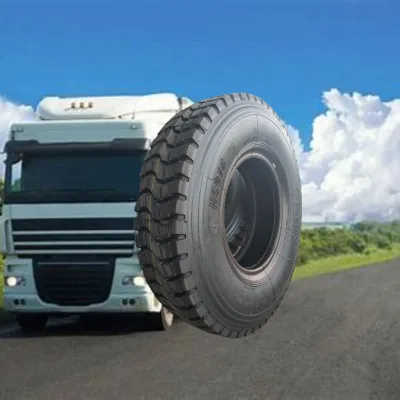
Wholesale ISO Certified 315/80R22.5 8.25R16 for Commercial Vehicles Truck Tires
$100.00 - $104.00
MOQ: 100 pieces
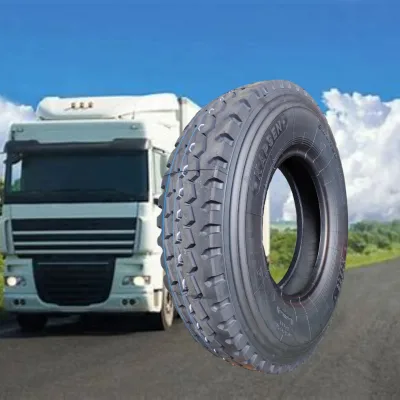
Fuel-Efficient 12R22.5 9.00R20 Longevity for Cost-Effective Operations Radial Truck Tires
$100.00 - $107.80
MOQ: 100
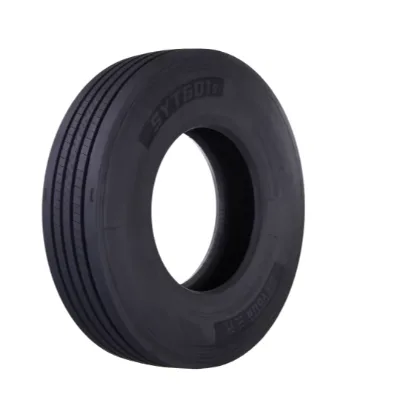
Wholesale New 275/80R22.5 Semi-Commercial Truck Tires Low for Fuel Consumption for Heavy Trucks
$94.5278 - $106.8578
MOQ: 100 pieces
Qingdao Crossmaxx Tyre Co., Ltd.
- Trading Company
- Shandong, China
- Lead time10 days
- Avg. response≤ 10h
Main productsCar tire,Truck tire,tube,wheel,OTR
Main marketsSoutheast Asia(20.00%), Africa(20.00%), Western Europe(15.00%), Central America(10.00%), South America(10.00%), South Asia(5.00%), Southern Europe(5.00%), Mid East(5.00%), Oceania(5.00%), Eastern Asia(5.00%)
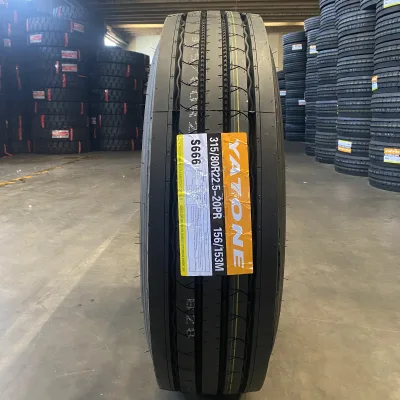
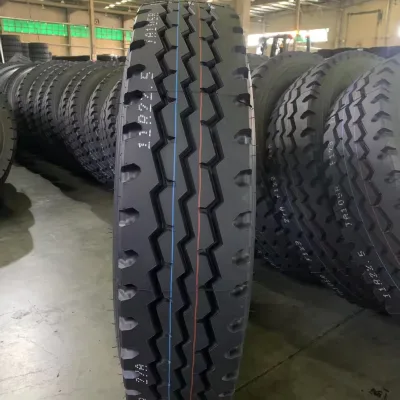
Radial Commercial Truck Tire 315/80R22.5 Truck Tires Not Used for American and Canada Market
$110.00 - $115.00
MOQ: 1 pieces
Weifang Greenway Rubber Co., Ltd.
- Trading Company
- Shandong, China
- Lead time10 days
- Avg. response≤ 12h
Main productslight truck tyres,TBR tyres,PCR,OTR tyres,industrial tyres
Main marketsMid East(30.00%), South Asia(10.00%), Africa(10.00%), Domestic Market(8.00%), Central America(5.00%), Eastern Asia(5.00%), Southeast Asia(5.00%), North America(4.00%), Oceania(4.00%), Eastern Europe(3.00%), Southern Europe(3.00%), Northern Europe(3.00%), Western Europe(3.00%), South America(2.00%)
Gaomi Luyuan Tyre Sales Co., Ltd.
- Verified by TüVRheinland
- Trading Company
- Lead time30 days
- Avg. response≤ 9h
Main productsTire
Main marketsSouth America(10%), Eastern Asia(10%), North America(8%)
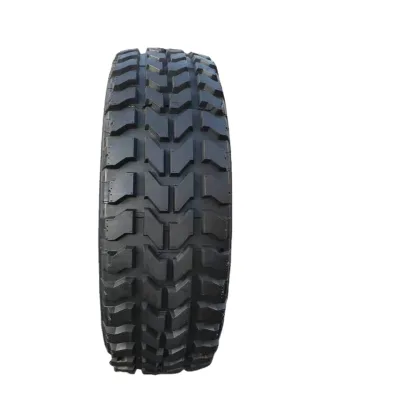
Truck Tires 37*12.5R16.5 Radial Off-the-highway Tire
$253.00 - $273.00
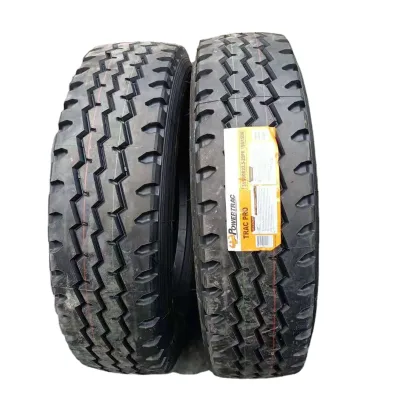
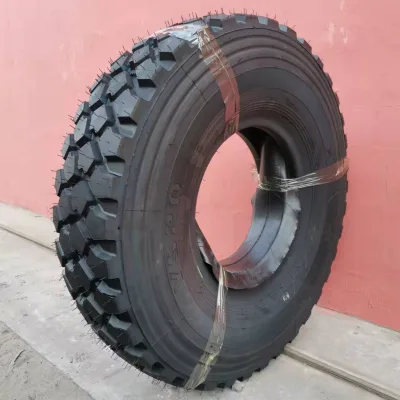
Top Quality New Radial Commercial Truck Tire 255/100R16 Off-road Tires Used for All Buyers
$720.00 - $735.00
MOQ: 30 sets
Camc International Trading Co., Ltd.
- Verified by Intertek
- Trading Company
- Anhui, China
- Lead time35 days
- Avg. response≤ 4h
Main productsDiesel Truck, Electric Truck, Engine, Charging Pile, Compressor
Main marketsSouth America(40%), Mid East(20%), Eastern Asia(20%)
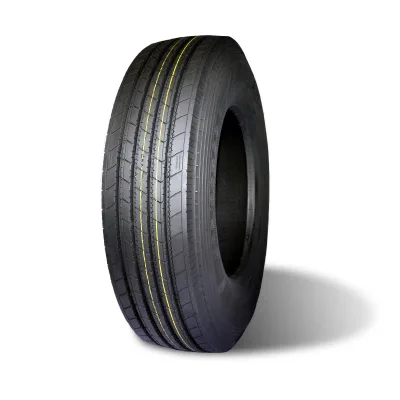
Chinese Tire Brand 315/80 R22.5 Quality Tires AW767 Commercial Trailer Truck Tire
$168.3778 - $183.6849
MOQ: 2 units
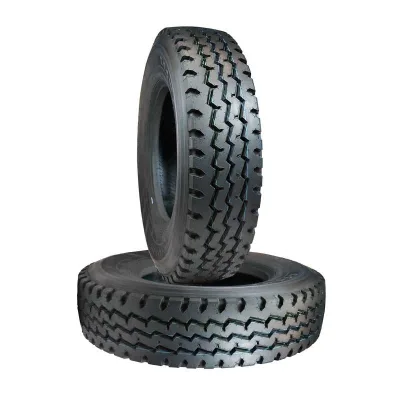
$164.2832 - $174.5503
MOQ: 2 units
Joyway Industrial Company Limited
- Verified by Intertek
- Trading Company
- Lead time7 days
- Avg. response≤ 4h
Main productsTruck Tires, Passenger Car Tires
Main marketsAfrica(30%), Southeast Asia(24%), South America(15%)
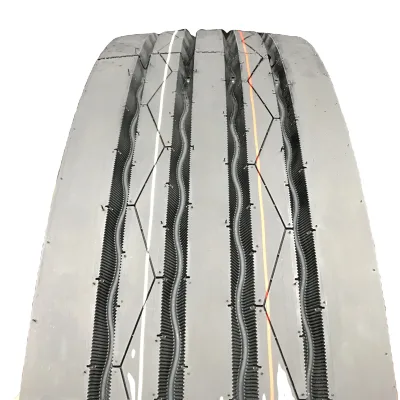
$140.5716 - $146.7277
MOQ: 240 pieces
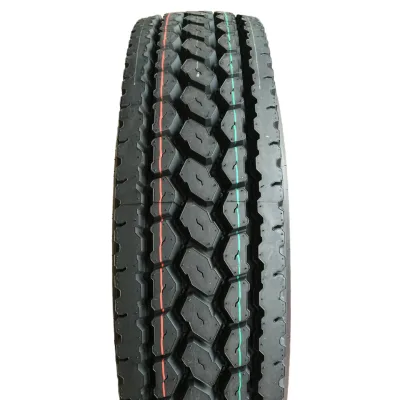
- Manufacturer
- Guizhou, China
- Lead time30 days
- Avg. response≤ 8h
Main productsTire
Main marketsDomestic Market(79.00%), North America(4.00%), South America(2.00%), Western Europe(2.00%), Africa(2.00%), Eastern Europe(2.00%), Southeast Asia(2.00%), South Asia(1.00%), Eastern Asia(1.00%), Oceania(1.00%), Southern Europe(1.00%), Central America(1.00%), Northern Europe(1.00%), Mid East(1.00%)
- Trading Company
- Shandong, China
- Lead time15 days
- Avg. response≤ 6h
Main productsTruck & Bus Tyre,Passenger Car tyre,OTR,AGRI TYRE,IND TYRE
Main marketsAfrica(45.00%), Eastern Asia(15.00%), North America(10.00%), Southeast Asia(10.00%), Central America(6.00%), Mid East(5.00%), Eastern Europe(4.00%), Northern Europe(2.00%), Oceania(1.00%), Western Europe(1.00%), Southern Europe(1.00%)
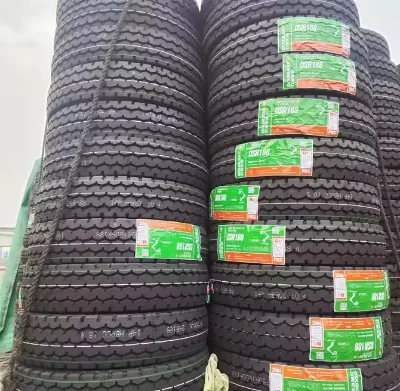
China Truck Tires Doublestar/Longmarch Radial Truck Tire 305/70r19.5
$107.61 - $108.12
MOQ: 200 pieces
$90.1699 - $91.1947
MOQ: 120 pieces

- Trading Company
- SHANDONG, China
- Lead time10 days
- Avg. response≤ 4h
Main productsTyre
Main marketsAfrica(25.00%), South America(19.00%), Western Europe(15.00%), North America(11.00%), Southeast Asia(10.00%), Mid East(5.00%), Eastern Europe(3.00%), South Asia(2.00%), Southern Europe(2.00%), Northern Europe(2.00%), Central America(2.00%), Eastern Asia(2.00%), Oceania(2.00%)
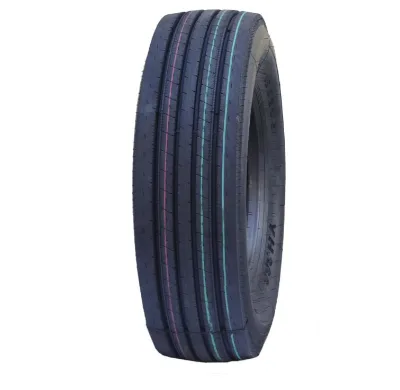
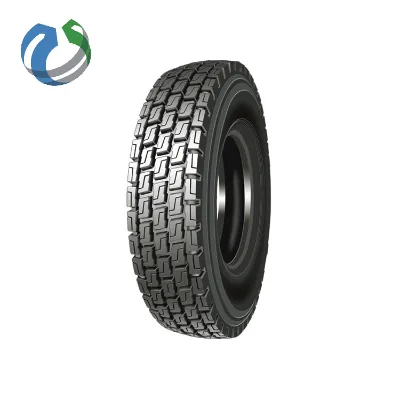
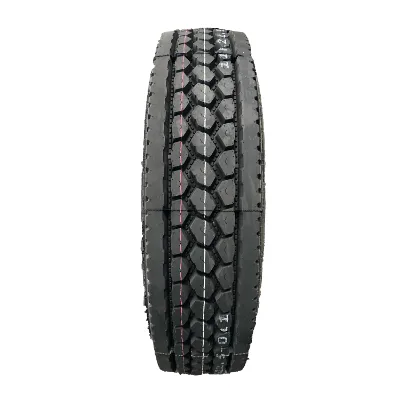
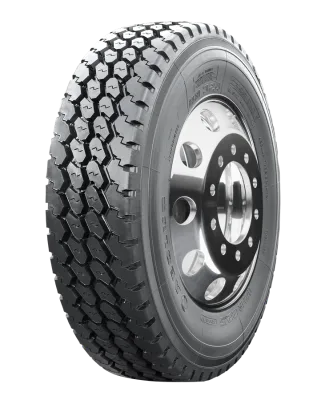
MAXWIND TBR Truck Tire All Position Commercial 8.25R20
$95.00 - $100.00
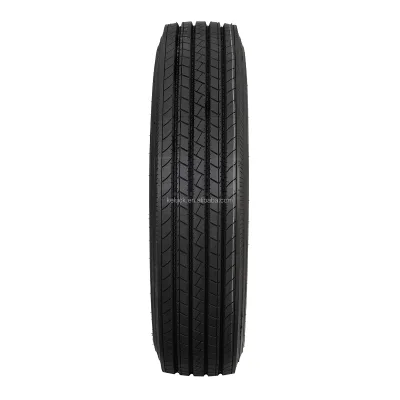
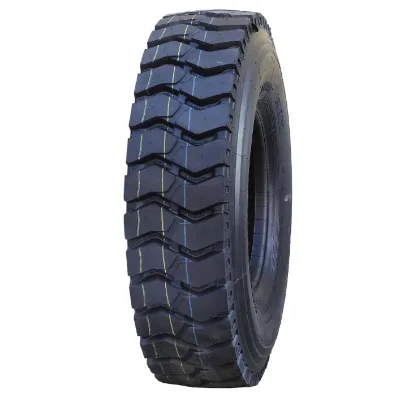
- Verified by TüVRheinland
- Trading Company
- Lead time0 days
Main productsCar Tyre, Truck Tyre, OTR, Motocycle Tyre, ATV
Main marketsAfrica(40%), Southeast Asia(30%), South America(10%)
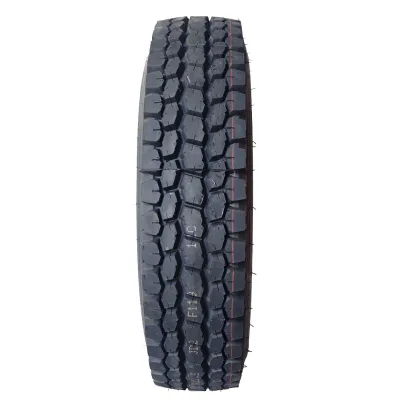
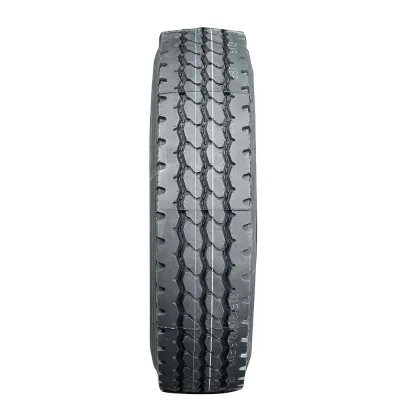
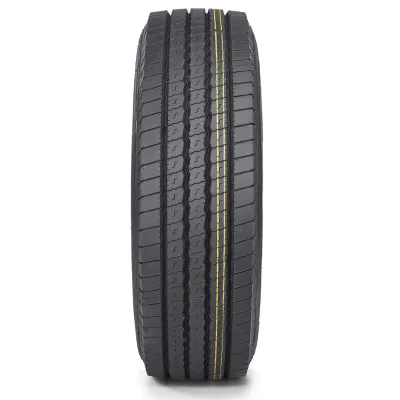
Light Truck Tyre 295/80r22.5 315/80R22.5 radial Overloaded Truck Tires Tire for Sale
$98.00 - $100.00
MOQ: 1
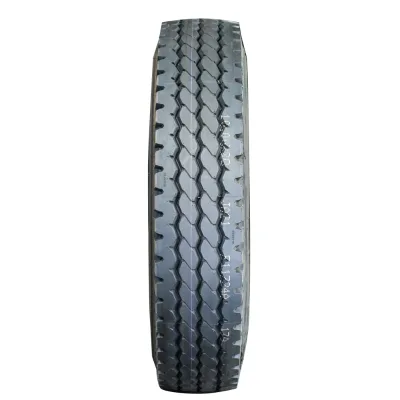
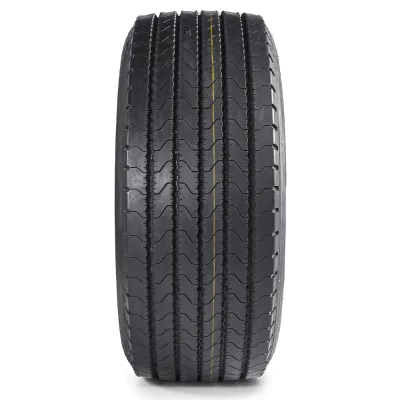
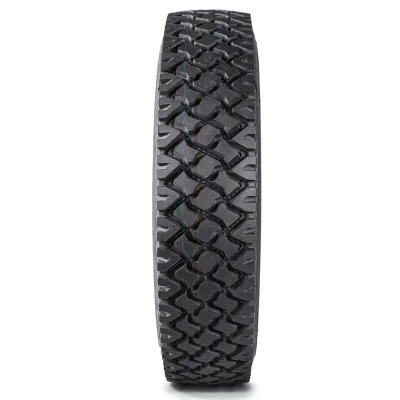
- Trading Company
- Hong Kong S.A.R.
- Lead time7 days
- Avg. response≤ 4h
Main productsTruck Tire, Car Tire, OTR Tire, MCT Tire
Main marketsMid East(30.00%), Africa(20.00%), Southeast Asia(15.00%), North America(10.00%), South America(8.00%), Eastern Europe(5.00%), Eastern Asia(2.00%), Oceania(2.00%), Western Europe(2.00%), Southern Europe(2.00%), Central America(2.00%), South Asia(1.00%), Northern Europe(1.00%)
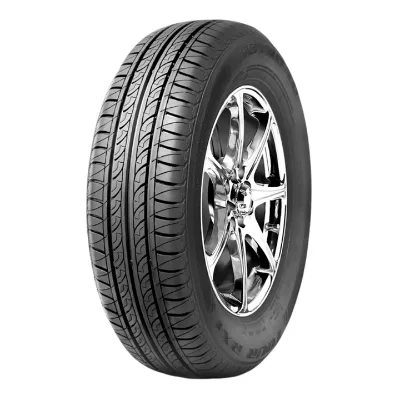
Truck Tires Chinese Very Good Quality Truck Tyre Manufacturer Anti-Overload Radial Truck Tires
$10.3972 - $19.7532
MOQ: 400 pieces
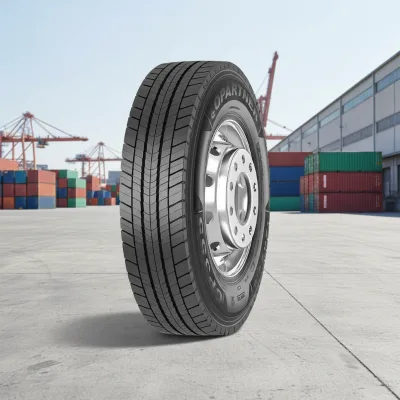
Commercial Vehicle Fuel-Saving Radial Inner Tube Truck Tire All-Position 1000R20 Size 1000R20
$100.3696 - $103.052
MOQ: 99 pieces

Qingdao Aosheng Tire Co., Ltd.
- Verified by TüVRheinland
- Trading Company
- Lead time15 days
- Avg. response≤ 3h
Main productsTires, Tubes, Rims
Main marketsNorth America(15%), Africa(15%), Mid East(15%)
Qingdao Marris Rubber Co., Ltd.
- Verified by SGS Group
- Trading Company
- Lead time15 days
- Avg. response≤ 3h
Main productsOff-The-Road Tire, Construction and Industrial Tyre, Agricultural Tyre/Car Tyre, Truck Tyre/Inner Tube, Wheel Rim
Main marketsNorth America(20%), South America(10%), Eastern Europe(10%)
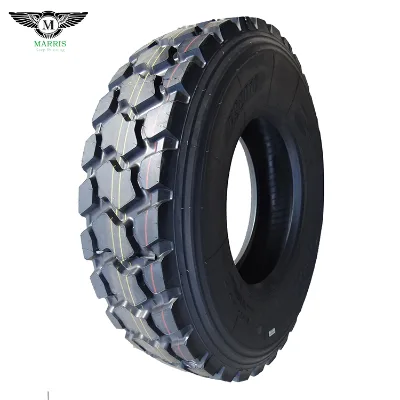
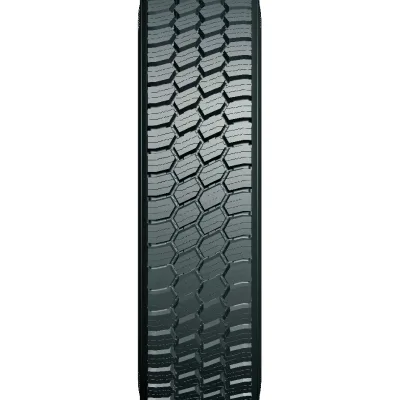
9.00R20 Value-Oriented Radial Truck Tire a Smart Choice for Cost-Conscious Business Owners
$92.00 - $98.00
MOQ: 1 units
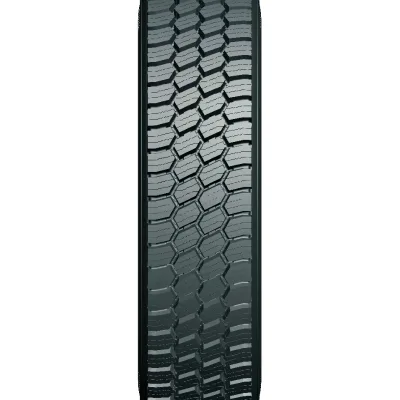
$92.00 - $98.00
MOQ: 1 units
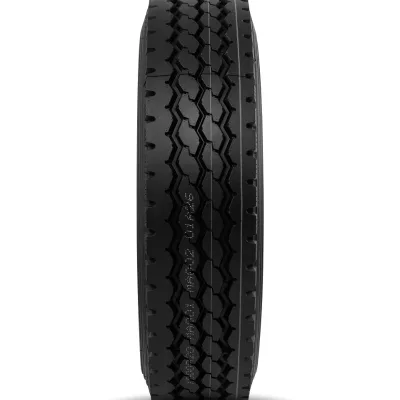
Hot Selling 215/75R17.5 225/75R17.5 245/70R17.5 265/70R19.5 Commercial Truck Tires Set 12.00R20
$92.8567 - $103.1731
MOQ: 1 sets
$92.00 - $98.00
MOQ: 1 units
Tires 11R22.5,215/85R16, High-quality Tires of Various Sizes in a Affordable Prices
$92.00 - $98.00
MOQ: 1 units
Cantop International (qingdao) Co., Ltd
- Trading Company
- Shandong, China
- Lead time10 days
- Avg. response≤ 17h
Main productsTires,TYRES
Main marketsSouth Asia(40.00%), Southeast Asia(23.00%), Mid East(15.00%), South America(10.00%), Central America(5.00%), North America(5.00%), Oceania(5.00%), Africa(2.00%)
Shandong Meizhilun Tech Industrial Co., Ltd.
- Trading Company
- Shadong, China
- Lead time15 days
- Avg. response≤ 6h
Main productsMotorcycle Tyre,Truck Tyre,OTR Tyre,SUV Tyre,4*4 Tyre
Main marketsSoutheast Asia(20.00%), South America(15.00%), Central America(10.00%), Western Europe(10.00%), South Asia(5.00%), Southern Europe(5.00%), Northern Europe(5.00%), North America(5.00%), Eastern Europe(5.00%), Eastern Asia(5.00%), Mid East(5.00%), Oceania(5.00%), Africa(5.00%)

- Trading Company
- China Shandong
- Lead time15 days
- Avg. response≤ 5h
Main productsTruck Tyre, Bus Tyre, Light Truck Tyre, TBR, PCR, Tires, Tire, Radial Car Tyre, Radial Truck Tyre, Radial Tyre
Main marketsSouth America,Southeast Asia/ Mideast,Europe


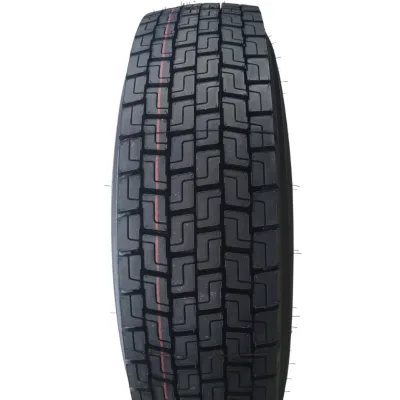
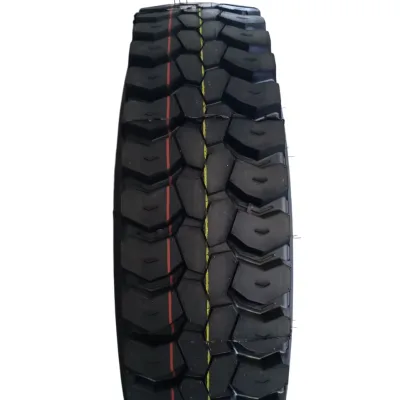


Comprehensive Sourcing Guide
Radial Commercial Truck Tires Supplier Concentration and Factory Types
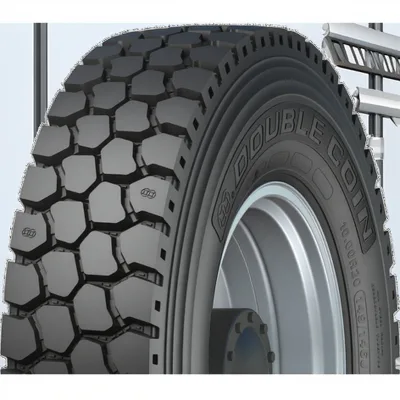
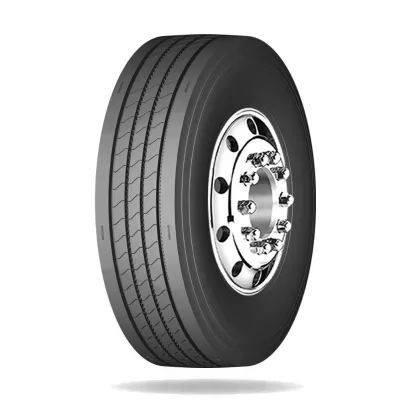
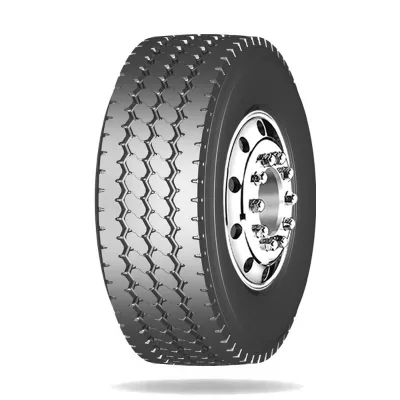
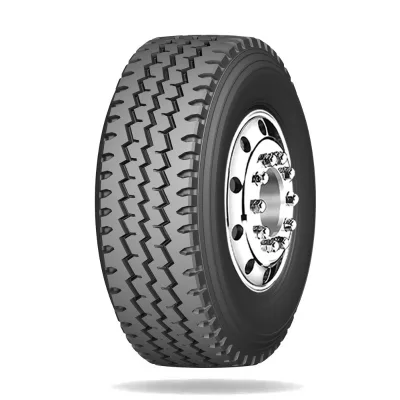
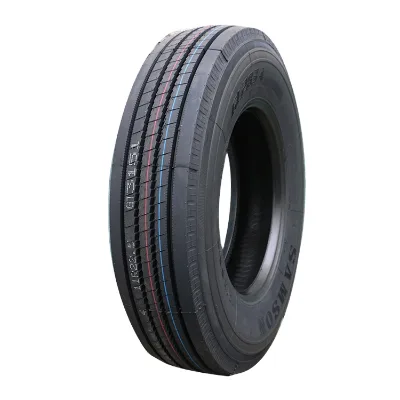
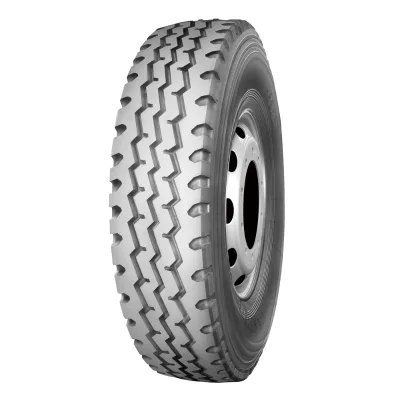
The landscape for sourcing Radial Commercial Truck Tires reveals a distinct concentration of manufacturing and trading entities within specific Chinese provinces, with Hubei emerging as a notable hub for this category. Suppliers located in Hubei often list their place of origin explicitly, indicating a regional cluster that may offer logistical advantages for bulk shipments. These suppliers frequently operate as either pure trading companies or as combined manufacturer-trading entities, a distinction that significantly impacts pricing structures and communication efficiency. Trading companies typically aggregate products from multiple factories, offering a wider variety of tire models and sizes, such as the 11R22.5 and 315/80R22.5 specifications commonly seen in current listings. In contrast, manufacturer-trading hybrids may provide more direct access to production lines, potentially allowing for greater customization of tire designs, such as bias versus radial configurations, and more flexible negotiation on technical specifications. Understanding this structural difference is crucial for buyers who need to balance the breadth of inventory against the depth of technical support and production control.
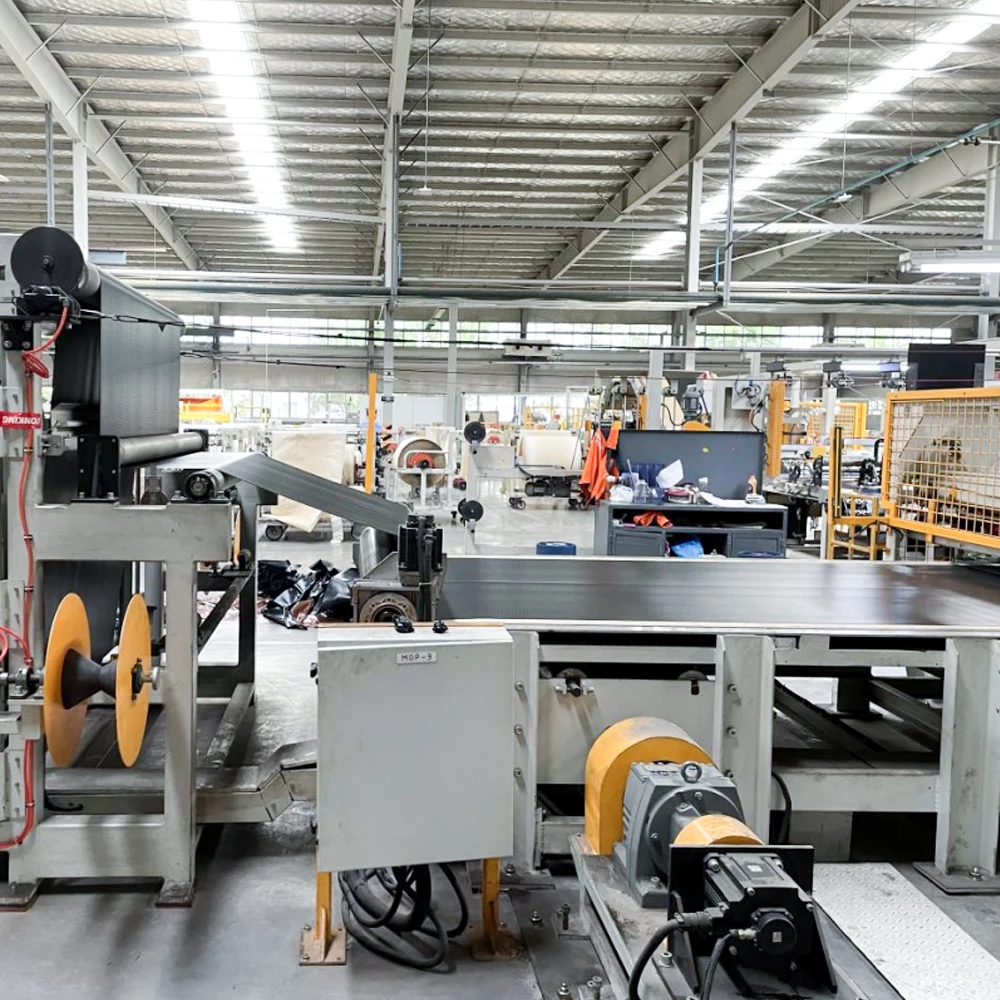
Beyond the specific location of Hubei, buyers must recognize that supplier types vary widely in their operational focus and product evidence. Some suppliers specialize exclusively in heavy-duty truck tires, while others offer a broader range including passenger car, agricultural, and off-road tires, which may indicate a larger, more diversified manufacturing capability. The presence of specific product attributes, such as the use of natural rubber from Malaysia and Thailand or advanced heat dissipation technologies, often correlates with the supplier's type and their investment in material quality. Buyers should carefully review the company type designation to determine if they are dealing with a direct factory or an intermediary, as this affects the transparency of the supply chain. Additionally, the evidence of equipment, such as Germany-imported machinery, can serve as a proxy for manufacturing capability, though it should be verified through direct inquiry. This diversity in supplier types requires buyers to conduct thorough due diligence to ensure that the claimed capabilities align with their specific quality and volume requirements for Radial Commercial Truck Tires.
How to Verify Radial Commercial Truck Tires Suppliers
Verifying the authenticity and capability of radial commercial truck tire suppliers requires a multi-layered approach that goes beyond surface-level product listings. Buyers should prioritize suppliers who provide detailed product attributes, such as specific model numbers like 315/80R22.5 or 12.00R20, and clear indications of their manufacturing status. The presence of a "Manufacturer: Yes" attribute or a dual designation of "Manufacturer, Trading Company" suggests a higher level of operational transparency, but this must be cross-referenced with other verification metrics. One critical step is to assess the supplier's response time, as faster response rates, such as those under four hours, often indicate a more active and professional sales team capable of handling complex inquiries and technical questions. Additionally, buyers should look for evidence of established business practices, such as clear warranty terms, which may range from one year to extensive mileage guarantees like 150,000 to 200,000 kilometers, reflecting confidence in product durability.
Another essential verification method involves examining the consistency of product evidence across different listings from the same supplier. Suppliers who offer a wide range of tire sizes, from 11R22.5 to 12.00R20, and provide detailed specifications on materials, such as natural rubber blends, demonstrate a robust product catalog. Buyers should also verify the port of loading, with Wuhan being a common departure point for Hubei-based suppliers, which can impact shipping logistics and costs. It is advisable to request samples or third-party test reports to validate claims about tire design, such as radial construction or specific tread patterns for heavy loads. Furthermore, checking for certifications like DOT or GCC, which are mentioned in some product descriptions, can provide assurance of compliance with international standards. By combining these verification steps, buyers can build a reliable profile of each supplier, ensuring that they partner with entities that have the genuine capacity to deliver high-quality Radial Commercial Truck Tires consistently.
What to Compare Across Radial Commercial Truck Tires Suppliers
When evaluating multiple suppliers for Radial Commercial Truck Tires, buyers must systematically compare key operational metrics to identify the most suitable partner for their specific needs. Lead time is a critical factor, with many suppliers indicating a production window of approximately 30 days after receiving a deposit, which allows for adequate planning in supply chain logistics. Buyers should also compare the minimum order quantity (MOQ), as some suppliers may require a baseline of 120 units, which can influence inventory management and cash flow. Response time is another vital metric, with suppliers offering responses within two to four hours demonstrating a higher level of customer service readiness. These operational differences can significantly impact the overall sourcing experience, making it essential to align supplier capabilities with the buyer's urgency and volume requirements. By creating a comparison matrix of these metrics, buyers can objectively assess which suppliers offer the best balance of speed, flexibility, and service quality.
In addition to operational metrics, buyers should compare the technical specifications and pricing structures offered by different suppliers. Product attributes such as tire diameter, width, and speed symbol, along with the specific tire design (bias vs. radial), should be closely examined to ensure they meet the intended application requirements. Pricing should be analyzed not just as a single figure but as a range, with some suppliers offering prices between $105 and $123 per unit, depending on the size and quantity. Buyers should also consider the warranty terms, which can vary from standard one-year coverage to extensive mileage warranties, indicating the supplier's confidence in their product's longevity. Furthermore, comparing the main products listed by each supplier can reveal their area of expertise, with some focusing heavily on TBR (Truck Bus Radial) tires while others offer a broader mix. This comprehensive comparison allows buyers to make informed decisions based on a holistic view of cost, quality, and service, ensuring they select a supplier that best fits their strategic sourcing goals.
Common Radial Commercial Truck Tires Sourcing Risks
Sourcing Radial Commercial Truck Tires from international suppliers introduces several risks that buyers must proactively manage to ensure a smooth procurement process. One significant risk is the potential discrepancy between the advertised product specifications and the actual goods received, particularly regarding tire design and material quality. For instance, while some listings claim advanced radial designs with deep treads for heavy loads, the actual product may differ in terms of durability or performance under specific conditions. Buyers should be cautious of suppliers who provide vague product descriptions or lack detailed technical attributes, as this can lead to mismatches in fleet requirements. Additionally, the risk of delayed shipments is prevalent, especially if the supplier's lead time estimates are not strictly adhered to. Buyers must establish clear communication channels and set realistic expectations regarding delivery schedules, as factors such as production capacity and logistics bottlenecks can impact the final delivery date.
Another common risk involves the variability in supplier reliability and after-sales support. While some suppliers offer comprehensive warranties and responsive customer service, others may have limited support structures, making it difficult to resolve issues such as defective tires or incorrect shipments. Buyers should also be aware of the potential for price fluctuations, as raw material costs and market demand can influence the final price of tires. It is crucial to verify the supplier's payment terms, as some may require full payment in advance, which increases financial risk if the supplier fails to deliver. Furthermore, the risk of non-compliance with international standards or certifications, such as DOT or GCC, can lead to regulatory issues in the buyer's home market. To mitigate these risks, buyers should conduct thorough due diligence, request samples for testing, and consider using secure payment methods or escrow services. By anticipating these potential challenges, buyers can implement effective risk management strategies to protect their interests and ensure a successful sourcing outcome.
Radial Commercial Truck Tires Regional Sourcing and Logistics
Regional sourcing plays a pivotal role in determining the logistics and cost efficiency of procuring Radial Commercial Truck Tires. Suppliers located in Hubei, China, often utilize Wuhan as their primary port of loading, which can offer streamlined shipping routes to various global destinations. Buyers should consider the logistical advantages of sourcing from this region, including the proximity to major transportation networks and the availability of experienced freight forwarders familiar with tire exports. However, it is essential to account for the transit time and associated costs, which can vary depending on the destination port and the chosen shipping method. Buyers should also evaluate the supplier's packaging standards, as proper packaging is crucial to prevent damage during transit, especially for large tires like the 12.00R20 or 315/80R22.5 sizes. Understanding the regional logistics landscape allows buyers to optimize their supply chain and reduce overall procurement costs.
In addition to regional logistics, buyers must consider the impact of customs regulations and import duties on the final cost of tires. Different countries have varying requirements for tire imports, including safety standards and labeling regulations, which can affect the clearance process. Buyers should ensure that their suppliers are familiar with these requirements and can provide the necessary documentation, such as certificates of origin and compliance certificates. Furthermore, the choice of shipping method, whether by sea or air, will significantly impact the delivery timeline and cost. Sea freight is generally more cost-effective for large volumes but takes longer, while air freight offers faster delivery at a higher price. Buyers should align their shipping strategy with their inventory needs and budget constraints, ensuring that they can maintain a steady supply of tires without excessive stockpiling or stockouts. By carefully planning the logistics and regulatory aspects, buyers can enhance the efficiency and reliability of their sourcing operations.
Radial Commercial Truck Tires Commercial Terms and Order Planning
Effective order planning for Radial Commercial Truck Tires requires a thorough understanding of the commercial terms offered by suppliers. Payment terms are a critical component of this planning, with some suppliers requiring full payment in advance, while others may offer more flexible options such as partial deposits. Buyers should negotiate terms that align with their cash flow management strategies and risk tolerance, ensuring that they have adequate protection against non-delivery. Additionally, buyers must consider the impact of order quantity on pricing, as larger orders may qualify for discounts or more favorable terms. It is essential to clarify the delivery timeframes and any penalties for late delivery, as these factors can affect the overall cost and reliability of the supply chain. By establishing clear commercial terms, buyers can minimize financial risks and ensure a smooth transaction process.
Furthermore, buyers should plan for the long-term relationship with their suppliers, considering factors such as warranty support and after-sales service. A comprehensive warranty, such as one covering 150,000 to 200,000 kilometers, can provide significant value and reduce the total cost of ownership. Buyers should also evaluate the supplier's ability to handle custom orders or special requests, such as specific tire sizes or branding requirements. This flexibility can be crucial for maintaining a competitive edge in the market. Additionally, buyers should monitor market trends and raw material prices to anticipate potential cost fluctuations and adjust their ordering strategies accordingly. By integrating these commercial considerations into their order planning, buyers can build a resilient and cost-effective sourcing strategy for Radial Commercial Truck Tires, ensuring they meet their operational needs while maximizing value.
FAQs
What is the typical lead time for radial truck tires?
The standard delivery window is within 30 days after receiving the deposit. This timeframe applies to most factory-direct orders for commercial truck tires. Buyers should confirm specific schedules with suppliers to ensure timely arrival for fleet operations.
What is the minimum order quantity for these tires?
The minimum order quantity is 120 units for standard radial truck tire orders. This baseline ensures efficient production and shipping logistics for international buyers. Smaller quantities may require different pricing or availability checks with specific manufacturers.
How quickly do suppliers respond to inquiries?
Response times are typically two to four hours for active suppliers. This rapid communication helps buyers clarify specifications and negotiate terms efficiently. Quick responses indicate a supplier's readiness to handle international trade inquiries and support procurement processes.
What warranty is provided for commercial truck tires?
Warranty coverage ranges from one year to 150,000-200,000 kilometers depending on the product type. Buyers should verify specific mileage guarantees and terms with the supplier. This ensures protection against defects and aligns with fleet maintenance expectations.
Where are these truck tires manufactured?
Manufacturing locations include Hubei and Shandong provinces in China. These regions are known for producing high-quality radial and bias truck tires. Buyers can verify specific factory locations to assess logistics costs and supply chain reliability for their orders.
What is the price range for 315/80R22.5 tires?
Prices for 315/80R22.5 radial truck tires range from approximately $105 to $123 per unit. Costs vary based on order volume, specifications, and supplier terms. Buyers should request detailed quotes to understand final pricing including shipping and taxes.