Truck Aluminum Alloy Wheel Rim Suppliers and Manufacturers
Compare 24 verified suppliers of Truck Aluminum Alloy Wheel Rim based on location, lead time, and certifications. Review product specs like ISO and DOT standards, then request quotes for specific models; review the available evidence before requesting comparable quotations from suitable candidates.
Updated
Suppliers List

Guangzhou Xuanpao Auto Parts Co., Ltd.
- Verified by SGS
- Trading Company
- China Guangdong
- Lead time30 days
- Avg. response≤ 23h
Main productsAlloy Wheel, Wheel Rims, Wheel Center Cap, Wheel Nuts, Tires, Wheel Tools, Car out Accessories
Main marketsSoutheast Asia/ Mideast,Europe

Jillion International Co., Ltd.
- Verified by TUVRHEINLAND
- Trading Company
- China Shandong
- Lead time15 days
- Avg. response≤ 16h
Main marketsSoutheast Asia/ Mideast,Europe

Truck Trailer Aluminum Wheel Alloy Wheel Rim Alloy Wheels for Trucks Truck Alloy Wheel 22.5*9.0
$98.00 - $133.00
MOQ: 20 Pieces

Hot Sale Aluminum Alloy Truck Wheel 22.5*8.25 22.5*7.5 17.5*6.75 19.5*6.75 Alloy Rim
$98.00 - $133.00
MOQ: 20 Pieces


SHANDONG MEIKA WHEEL CO., LTD.
- Verified by TUVRHEINLAND
- Combined
- China Shandong
- Lead time15 days
- Avg. response≤ 13h
Main productsTruck Wheel, Forged Aluminum Wheel
Main marketsSouth America,Africa,Australia

22.5X11.75 Aluminum Alloy Truck Wheels/Alloy Truck Wheel/Alloy Truck Rim
$120.00 - $170.00
MOQ: 10 Pieces


22.5*11.75 22.5*8.25 22.5*9.0 Aluminum Alloy Truck Wheels, Steel Truck Wheel, Steel Truck Rim
$120.00 - $170.00
MOQ: 100 Pieces


QINGDAO CIMCECO VEHICLE CO., LTD
- Verified by SGS Group
- Trading Company
- Lead time35 days
- Avg. response≤ 1h
Main productsContainer Chassis, Flatbed Trailer, Tipping Trailer, Fuel Tank Trailer, Reefer Trailer
Main marketsAfrica(50%), Southeast Asia(15%), South America(10%)
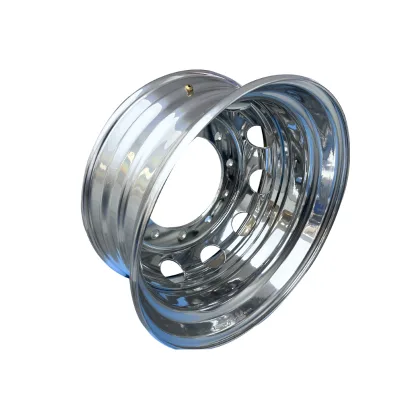
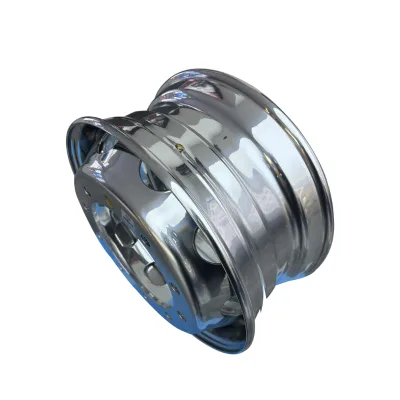
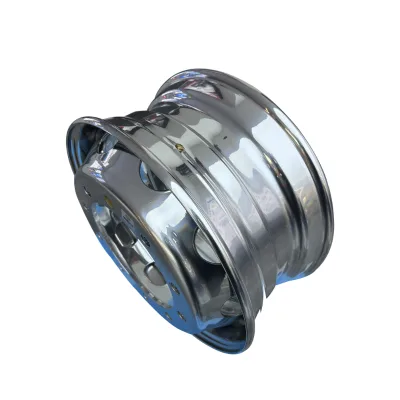
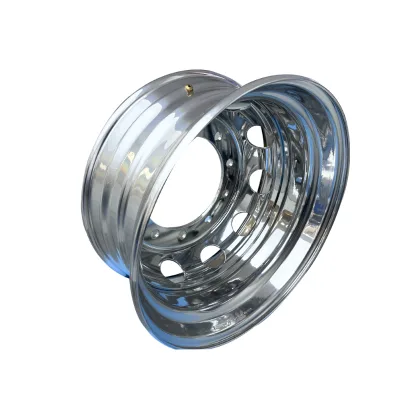
New Design Alloy Wheel for Sale Aftermarket Aluminum Wheels Rims Disk Rims Truck Trailer Wheel Rims
$30.00 - $50.00
MOQ: 1 units

Dongying Joyo Auto Parts Co., Ltd.
- Trading Company
- China Shandong
- Lead time30 days
- Avg. response≤ 5h
Main productsAuto Parts
Main marketsSouth America,Southeast Asia/ Mideast

Truck Trailer Wheel Rim Alloy Wheels for Trucks Truck Alloy Wheel 22.5*9.0
$135.00 - $140.00
MOQ: 100 Pieces


22.5 Inch Aluminum-Magnesium Alloy Truck Wheels Truck Alloy Wheel Steel Wheel Rim 22.5*9.0
$135.00 - $140.00
MOQ: 100 Pieces


Xiamen Wondee Autoparts Co., Ltd.
- Verified by CTI
- Trading Company
- China Fujian
- Lead time23 days
- Avg. response≤ 7h
Main productsLeaf Spring, Semi Trailer Axle, Casting Turntable, Steel Wheel Rim, Mechanical Suspension, Landing Gear, Brake Drum, Air Suspension, Semi Trailers, Fifth Wheel
Main marketsSouth America,North America


Wholesales 22.5X11.75 Inch Aluminum Alloy Wheel Rim for Silver Truck Rims
$150.00 - $200.00
MOQ: 280 Pieces
Qingdao D & E International Trade Co., Ltd.
- Verified by TüVRheinland
- Trading Company
- Lead time20 days
- Avg. response≤ 2h
Main productsTruck Air Conditioners, Parking Diesel Heaters, Heater Parts, Portable Generator, Truck/Car Parts
Main marketsEastern Europe(30%), North America(29%), Oceania(10%)
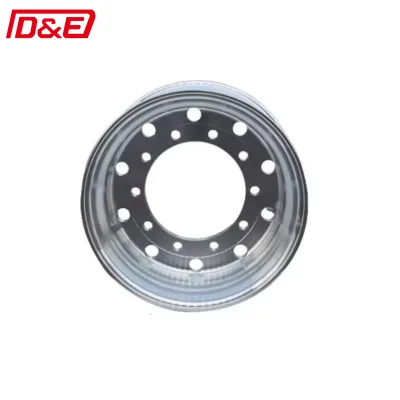
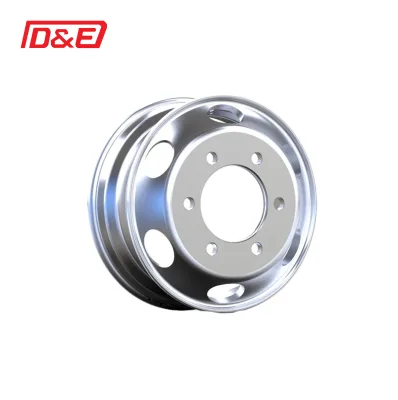
17.5Inch Alloy Wheel Rims 17.50inchX6.0 Aluminium Truck Wheels 6 Holes Forged Truck Wheel Rim
$207.9201 - $218.0629
MOQ: 200 pieces
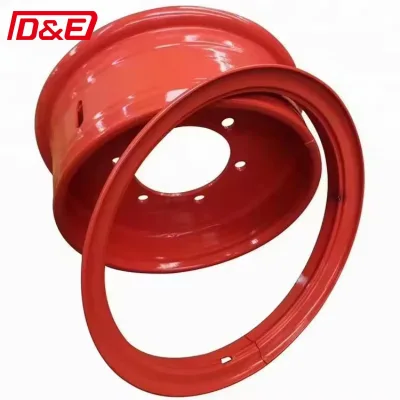
$104.8232 - $138.0943
MOQ: 200 sets
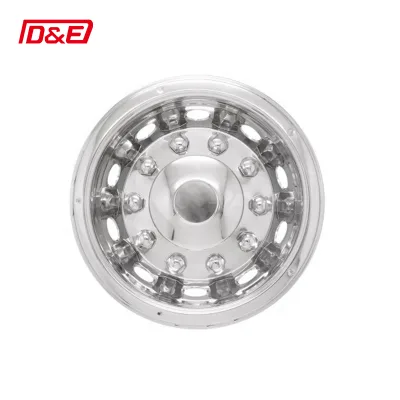
Factory Wholesale air Hole Aluminum Wheel Rims 17.5*6.75 Truck Rims for Sale Heavy Duty Wheels
$209.7661 - $219.9988
MOQ: 200 pieces
Cori Chemical S&T (Shanghai) Co., Ltd.
- Verified by Intertek
- Trading Company
- Lead time15 days
- Avg. response≤ 2h
Main productsTires, Wheels
Main marketsAfrica(20%), North America(20%), South America(15%)
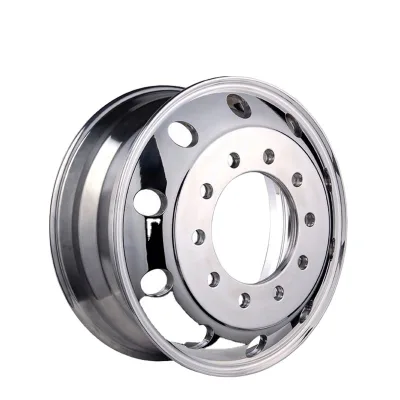
Aluminum Alloy Wheel Rim for Foton Trucks and Cars Made in China
$132.00 - $138.00
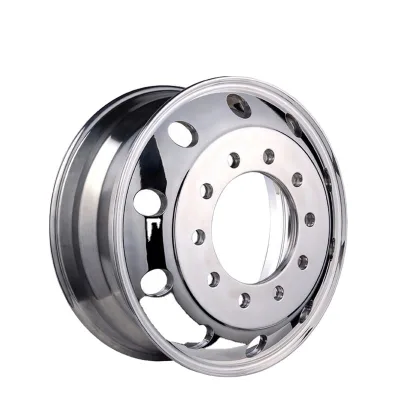
17 Inch 11r22.5 Aluminum Truck Wheel Rims
$132.00 - $138.00

Qingdao Ruilaier Technology Co., Ltd.
- Verified by SGS
- Manufacturer/Factory
- China Shandong
- Lead time0 days
- Avg. response≤ 8h
Main productsAgricultural Vehicles Wheel Hub Rim, Commercial Vehicles Wheel Hub Rim, Engineering Vehicles Wheel Hub Rim, Tractors Wheels Hubs Rims, Harvesters Wheels Hubs Rims, Forged Aluminum Alloy Wheels Hub Rim, Steel Wheel Hub Rim, Truck Wheel Hub Rim
Main marketsSouth America,Eastern Europe,Mid East,North America,Southeast Asia,Eastern Asia,Oceania,Western Europe,Africa


High-Quality Aluminum Wheel Rim for Trucks with Adjustable Specifications
$130.00 - $135.00
MOQ: 50 Pieces
Liangshan Hengxiang Automobile Technology Co., Ltd.
- Manufacturer, Trading Company
- Shandong, China
- Lead time0 days
- Avg. response≤ 5h
Main productsABS gear ring
Main marketsNorth America(50.00%), Eastern Europe(20.00%), South America(20.00%), South Asia(10.00%)
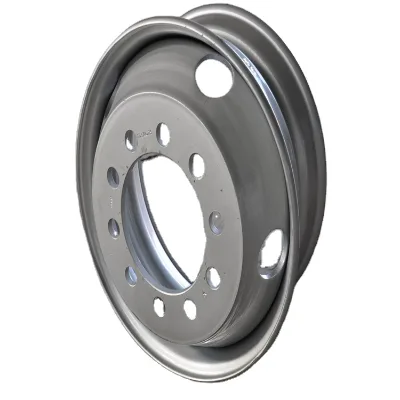
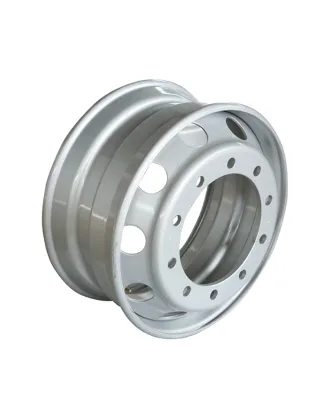
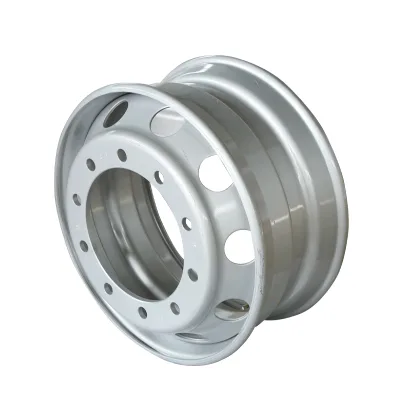
Aluminum Alloy Semi Trailer Wheels 22.5*8.25 Demountable Steel Truck Wheel Rims
$30.00 - $80.00
MOQ: 1
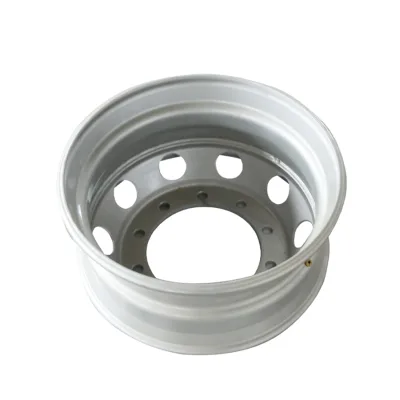
OEM 19.5*7.5 Wheel Rims 8 Lugs Forged Aluminum Truck Wheels Rim Dually Wheel
$30.00 - $80.00
MOQ: 1 pieces
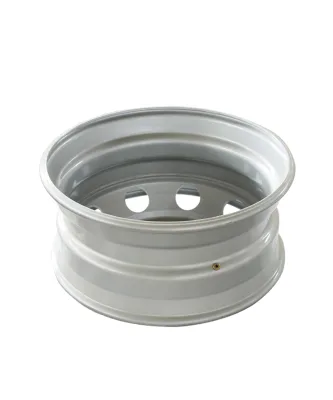
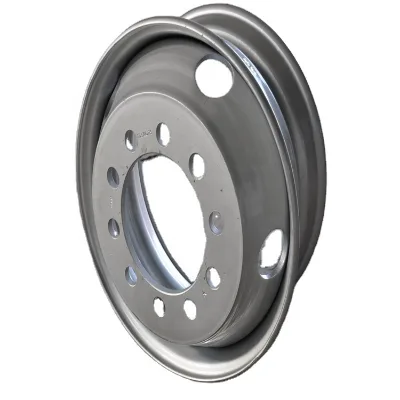
Hot Selling 8 and 10 Holes Heavy Truck Wheel 8.50-20 Tube Wheel Rims for Truck Tires
$3.0743
MOQ: 1 Minimum
Henan Kelun Auto Parts Co., Ltd.
- Verified by TüVRheinland
- Manufacturer, Trading Company
- Lead time25 days
- Avg. response≤ 2h
Main productsSpoke Wire Wheel, Forged Wheel, Tire, Steering Wheel, Truck Wheel
Main marketsNorth America(21%), Domestic Market(20%), Southeast Asia(14%)
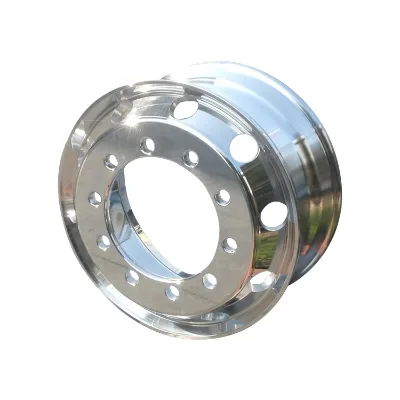
Chrome Rims 22.5*8.25 22.5*9.0 Aluminum Alloy Truck Wheels,Steel Truck Wheel
$117.8354 - $158.8228
MOQ: 12 pieces
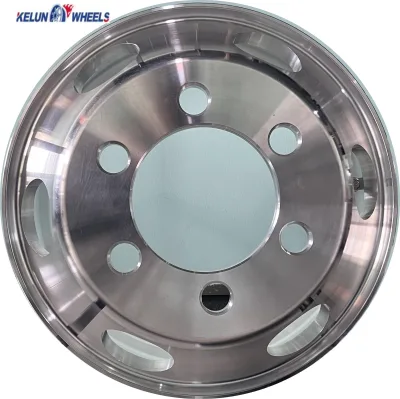
Hot Sales 17.5x6.75 Wheel Rim Alloy Aluminum Polish Truck Wheel 22.5 Wheels
$119.885 - $135.563
MOQ: 12 pieces
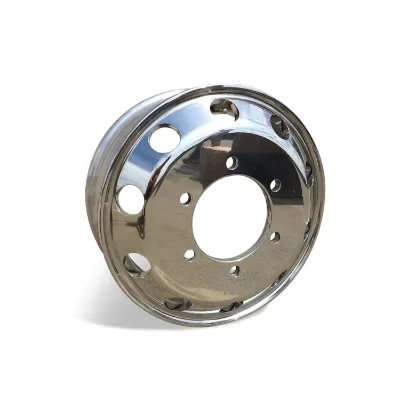
$81.9733 - $122.9592
MOQ: 12 pieces
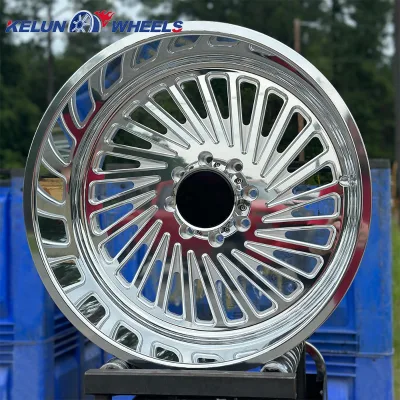
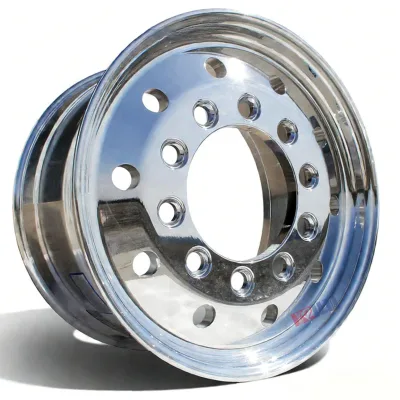
Truck Wheels Forged 22.5x7.5/8.25/9 Aluminum Alloy Wheels 16 Wheels
$115.00 - $155.00
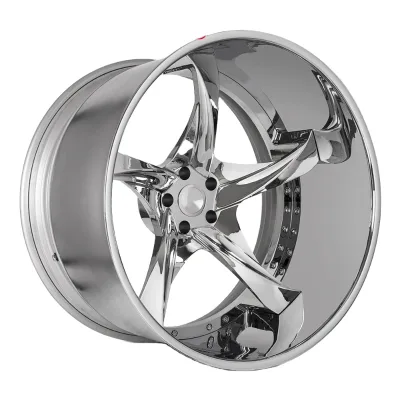

QingDao TP Range Int'L Co., Ltd.
- Verified by SGS
- Trading Company,Manufacturer/Factory,Other
- China Shandong
- Lead time15 days
- Avg. response≤ 8h
Main productsPCR Tire, OTR Tyre, TBR Radial Truck Tires, Agr Agricultural Tire, Spacer Bands Producing, Forestry Tire, Mobile Home Tailer Rim Producing, 4X4 Tires, Trucks Machinery, Forged Aluminum Wheels
Main marketsSouth America,Eastern Europe,Mid East,North America,Southeast Asia,Eastern Asia,Oceania,Western Europe,Africa

Light Aluminum Wheel / Alloyrims / Alloy Wheel / Aluminum Wheels for Truck and Trailers
$130.00
MOQ: 100 Pieces

Polished Aluminum Wheel, Heavy Duty Aluminum Truck Wheel/ Alloy Rims (22.5X11.75)
$130.00
MOQ: 100 Pieces


Qhd Light Wheel Trading Co., Ltd.
- Trading Company
- Hebei, China
- Lead time0 days
- Avg. response≤ 4h
Main productsForged wheel,Car accessories,Truck wheel,motorcycle wheel,car wheel
Main marketsNorth America(55.00%), Western Europe(5.00%), Eastern Asia(5.00%), Mid East(5.00%), Oceania(5.00%), Southern Europe(5.00%), Eastern Europe(5.00%), Northern Europe(5.00%), Domestic Market(2.00%), South Asia(2.00%), Southeast Asia(2.00%), South America(2.00%), Central America(2.00%)
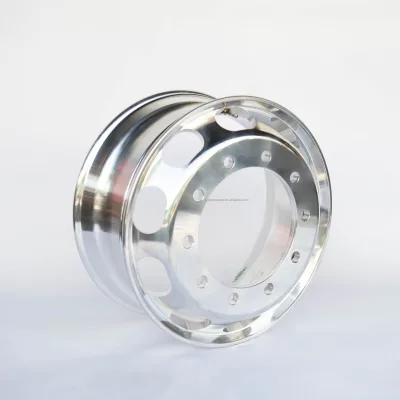
$179.5619 - $189.8215
MOQ: 4 pieces
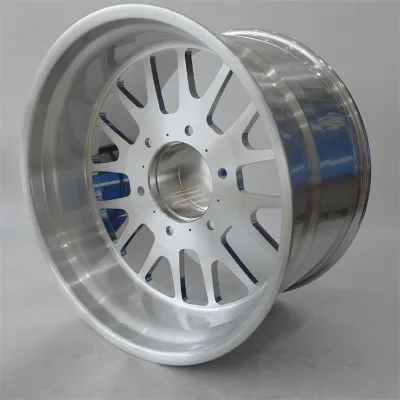
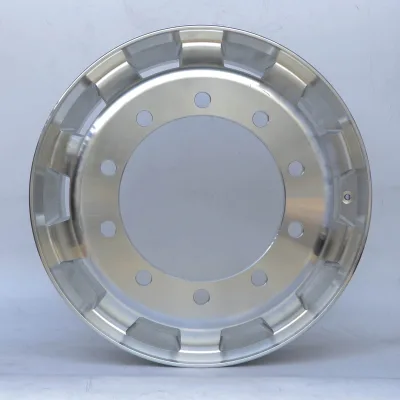
$172.3796 - $182.6392
MOQ: 4 pieces
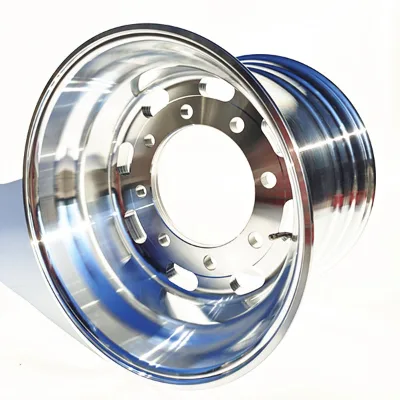
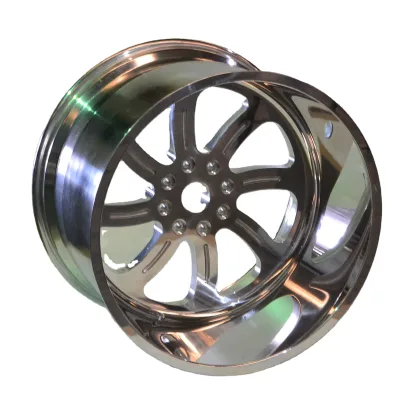
OEM 20''22''24''26'' Forged Aluminum Alloy Wheels for Pickup Truck and Off-road Vehicle
$492.5101 - $513.0308
MOQ: 4 pieces
Shandong Yijia Import And Export Co., Ltd.
- Trading Company
- Shandong, China
- Lead time15 days
- Avg. response≤ 3h
Main productsHand Tools, Industrial Machinery, Welding and Cutting Equipment, Power Generation Equipment, Lifting Equipment
Main marketsDomestic Market(10.00%), South Asia(10.00%), Northern Europe(10.00%), Central America(10.00%), Eastern Asia(10.00%), Mid East(10.00%), Africa(10.00%), Southeast Asia(10.00%), South America(10.00%), North America(10.00%)
Dongying Landcrown Autoparts Co., Ltd.
- Manufacturer, Trading Company
- Shandong, China
- Lead time20 days
- Avg. response≤ 3h
Main productstruck wheels,truck aluminum wheel,agriculture wheel,forlikft wheel,solid tyre
Main marketsSouth Asia(30.00%), Mid East(20.00%), South America(20.00%), Northern Europe(10.00%), Southeast Asia(10.00%), Western Europe(9.00%), North America(1.00%)
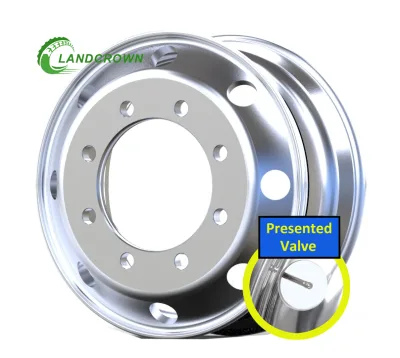
$98.0822 - $134.2166
MOQ: 20 pieces
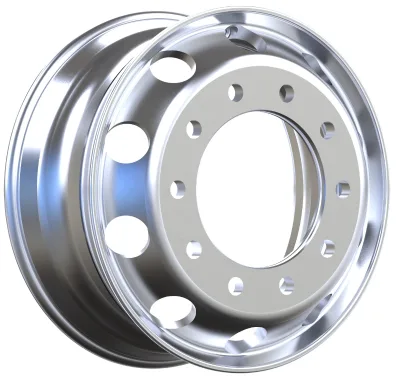
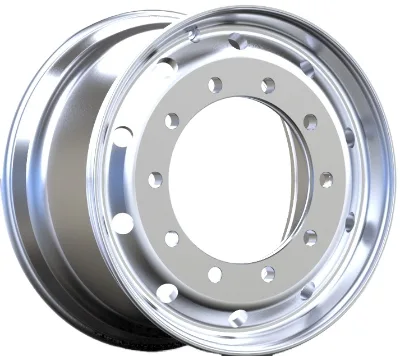
22.5 American Truck Aluminum Alloy Wheels Silver 22.5*11.75 for Truck
$110.00 - $145.00
MOQ: 20 pieces
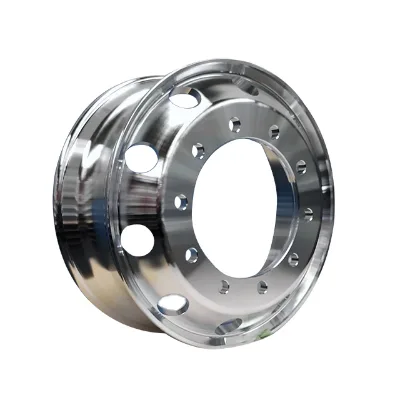
Forged Alloy Rims of Factory Top Chinese Wheels Manufacturer Made 22.5 Rs159 with Wholesale Rims
$109.1601 - $150.7444
MOQ: 20 pieces
Shenzhen Antelun Intelligent Technology Co., Ltd.
- Trading Company
- Guangdong, China
- Lead time60 days
- Avg. response≤ 1h
Main productsRun-flat Safety Rim,Cast Alloy Rim
Main marketsNorth America(40.00%), Western Europe(15.00%), Southeast Asia(13.00%), Mid East(10.00%), Eastern Asia(10.00%), Northern Europe(5.00%), Eastern Europe(3.00%), Central America(2.00%), Oceania(1.00%), Africa(1.00%)
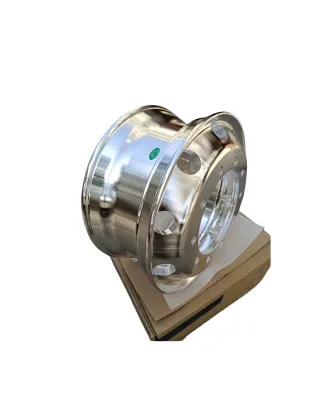
11.75x22.5 Aluminum Rims 22.5 Commercial Truck Wheels Customize Factory Price Truck Rims Wheels
$137.9521 - $144.0828
MOQ: 4 boxes
Darong (shandong) International Trade Co., Ltd.
- Verified by SGS Group
- Manufacturer, Trading Company
- Lead time15 days
- Avg. response≤ 3h
Main productsAxles, Suspension Systems, Fifth Wheel Couplings, Landing Gear, Leaf Spring
Main marketsEastern Europe(40%), Mid East(20%), North America(20%)
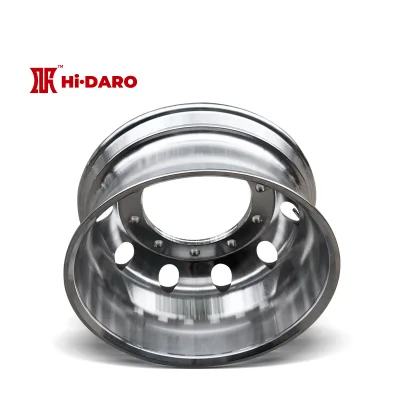
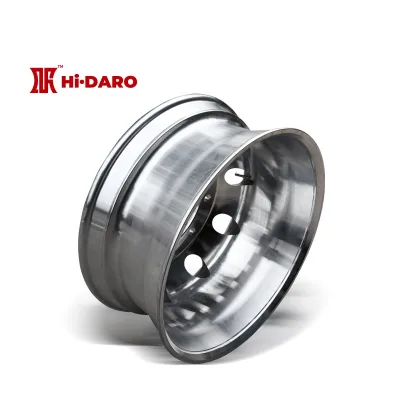
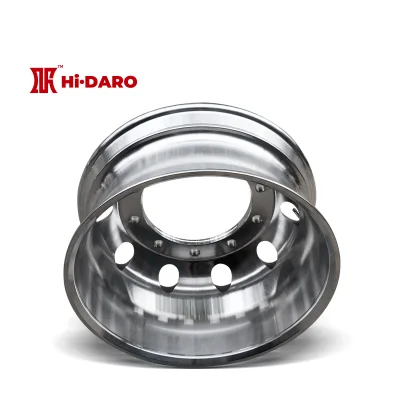
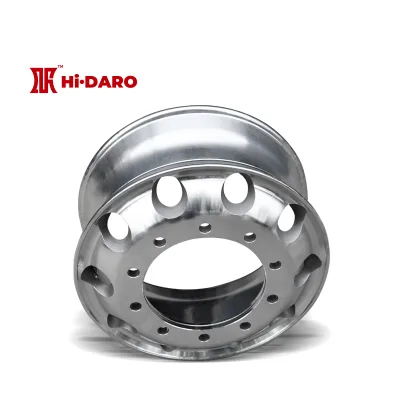
High Quality Strength Factory.24.5 22.5aluminum Rim
$55.00 - $70.00
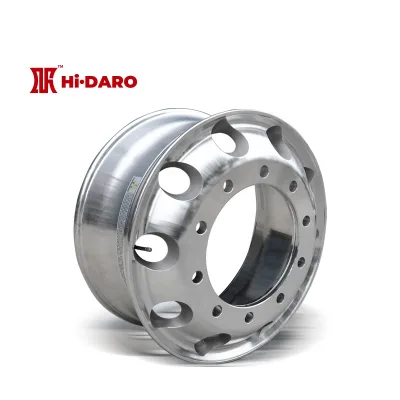
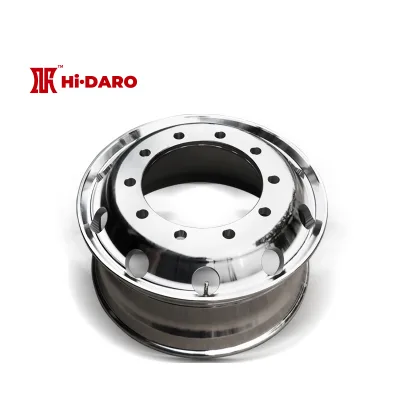
22.5X9.0 rare Wheel Forged Alloy Wheel or Hubs or Rims for Truck
$93.00 - $100.00
Liangshan Lq Auto Parts Co., Ltd.
- Trading Company
- Shandong Province, China
- Lead time30 days
- Avg. response≤ 2h
Main productsTrailer Parts,Trailer
Main marketsAfrica(20.00%), South Asia(5.00%), Southeast Asia(5.00%)

Liangshan Jiuzhou Machinery Manufacturing Co., Ltd.
- Verified by SGS
- Combined
- China Shandong
- Lead time15 days
- Avg. response≤ 10h
Main productsAxle, Trailer Leg, Trailer Part, Suspension, Trailer Axle, Trailer Air Suspension, Auto Accessory, Trailer Spring, Brake Chamber, Air Suspension
Main marketsDomestic

Truck Wheels for 16*6.0 Alloy Truck Wheels Rims Aluminum Rims Tubeless Wheels
$90.00 - $95.00
MOQ: 10 Pieces


Shandong Oasisland Wheel Systems Co., Ltd.
- Trading Company,Manufacturer/Factory
- China Shandong
- Lead time23 days
- Avg. response≤ 23h
Main productsTyre, Wheel Rim, Agricultural Tyre, Flotation Implement Tyre, OTR Tyre, Industrial Tyre, Tractor Tyre, OTR Wheel Rim, Agricultural Wheel Rim, Truck Wheel Rim
Main marketsSouth America,Eastern Europe,Mid East,North America,Southeast Asia,Eastern Asia,Oceania,Western Europe,Africa
- Verified by Intertek
- Manufacturer, Trading Company
- Lead time20 days
- Avg. response≤ 1h
Main productsTruck Wheel Rim, Engineering Wheel Rim, Agricultural Wheel Rim, Forklift Wheel Rim
Main marketsSouth America(20%), Africa(20%), Southeast Asia(15%)
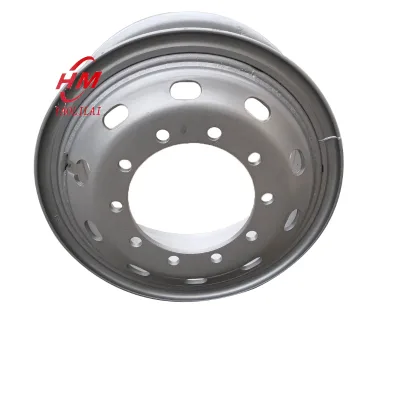
$87.0373 - $98.3007
MOQ: 50 pieces
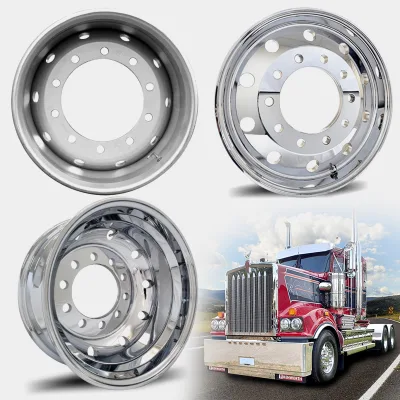
$39.00 - $45.00
MOQ: 50 pieces
Hebei Iruijin Auto Parts Co., Ltd.
- Manufacturer, Trading Company
- Hebei, China
- Lead time20 days
- Avg. response≤ 3h
Main productsBrake Chamber,Slack Adjuster,Clutch Plate,Brake Shoe,Brake Drum
Main marketsNorth America(30.00%), South America(20.00%), Southeast Asia(15.00%), Central America(10.00%), Mid East(10.00%), Africa(10.00%), South Asia(2.50%), Eastern Asia(2.50%)

Shandong UT Trailer Parts Co., Ltd.
- Verified by BV
- Trading Company
- China Shandong
- Lead time30 days
- Avg. response≤ 3h
Main productsTrailer Parts, Turntable, Trailer Axle, Trailer Suspension, Landing Gear, Fifth Wheel, King Pin, Twist Lock, Wheel Rim, Axle and Suspension Parts
Main marketsSouth America,Africa,Southeast Asia/ Mideast,East Asia(Japan/ South Korea),Europe,Australia,North America

Ningbo Baotong Wheel Industry Co., Ltd
- Verified by CTI
- Combined
- China Zhejiang
- Lead time45 days
- Avg. response≤ 8h
Main productsForged Alumminium Alloy Wheels, Aluminum Alloy Wheel, Anotehr Aluminum Auto Parts, Aluminum Center Caps of Wheel, Bolts & Nuts, Steering Wheel, Casted Wheel, off-Road Wheel
Main marketsEast Asia(Japan/ South Korea),Domestic,Europe,North America






Comprehensive Sourcing Guide
Truck Aluminum Alloy Wheel Rim Supplier Concentration and Factory Types
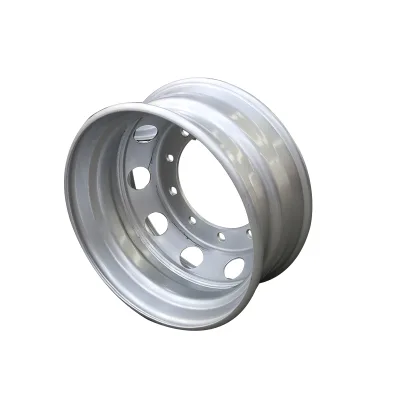
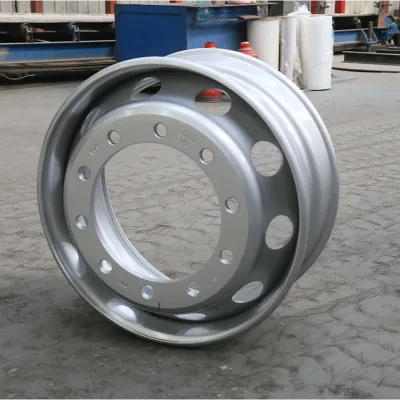
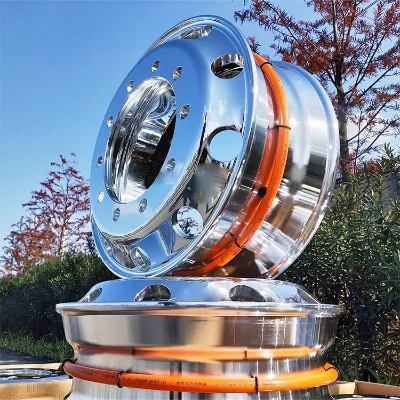
The current supplier landscape for truck aluminum alloy wheel rims reveals a distinct geographic concentration in China, with specific manufacturing hubs identified in Guangdong and Shandong provinces. Buyers evaluating these suppliers will encounter a mix of company types, primarily trading companies and combined entities that may offer both manufacturing and trading services. The presence of trading companies suggests that some suppliers act as intermediaries, potentially offering a broader range of accessories or complementary products like wheel nuts and center caps, while combined entities might provide more direct access to production capabilities. This structural diversity allows buyers to choose between suppliers who specialize in specific product lines, such as forged aluminum wheels, and those who offer a wider array of vehicle parts and accessories. Understanding this concentration helps in assessing the logistical ease of sourcing and the potential for establishing long-term relationships with manufacturers in established industrial clusters.
Factory types also vary, with some suppliers listing themselves as trading companies while others identify as combined entities capable of ODM, OEM, and own brand services. This distinction is crucial for buyers seeking custom designs or private labeling, as combined entities often have the internal capacity to handle complex customization requests. The main products listed by these suppliers frequently include alloy wheels, truck rims, and related accessories, indicating a specialized focus within the broader vehicle parts market. Buyers should note that while some suppliers may appear to be general traders, their specific product evidence often points to a deep inventory or direct relationship with factories producing aluminum and steel wheels. This specialization can be a positive indicator of expertise and reliability, particularly when sourcing high-volume orders for commercial vehicles. The geographic spread between Guangdong and Shandong may also influence shipping costs and lead times, making it important for buyers to consider the origin of their specific order when evaluating supplier options.
How to Verify Truck Aluminum Alloy Wheel Rim Suppliers
Verification is a critical step in ensuring the reliability and quality of Truck Aluminum Alloy Wheel Rim suppliers, particularly given the safety implications of these components. Buyers should prioritize suppliers who have undergone third-party verification processes, such as those conducted by SGS or TÜV Rheinland, as these provide an additional layer of confidence in the supplier's operational integrity. The presence of such verifications indicates that the supplier has met specific standards for business legitimacy and potentially for product quality. In addition to general company verification, buyers should closely examine the certifications listed for specific products, such as ISO, TUV, CE, VIA, and DOT. These certifications are not merely decorative; they signify that the wheels have been tested and approved for use in various markets, including Europe and North America. Buyers must ensure that the certifications listed for the specific wheel model match the regulatory requirements of their target market, as non-compliance can lead to significant legal and logistical issues.
Beyond certifications, buyers should assess the supplier's response time and communication efficiency, as these factors can impact the smooth execution of an order. Suppliers with faster response times, such as those averaging under 16 hours, may be more agile in addressing queries and resolving issues during the procurement process. It is also important to verify the supplier's ability to provide detailed product specifications, including material composition, wheel hub diameter, and drive wheel compatibility. The product evidence provided by suppliers often includes detailed attributes such as spoke type, offset, and load capacity, which are essential for ensuring the wheels fit the intended vehicle application. Buyers should request additional documentation, such as test reports or material certificates, to further validate the claims made in the product listings. This due diligence helps mitigate the risk of receiving substandard products and ensures that the supplier is transparent and professional in their dealings.
What to Compare Across Truck Aluminum Alloy Wheel Rim Suppliers
When comparing suppliers, buyers should focus on key operational metrics such as lead time, minimum order quantity (MOQ), and price ranges to determine the best fit for their business needs. Lead times can vary significantly, with some suppliers offering production times as short as 15 days, while others may require up to 30 days. This difference can be critical for buyers with tight inventory requirements or urgent project deadlines. Similarly, MOQs can range from as low as 10 units to as high as 80 units, allowing buyers to choose suppliers that align with their order volume capabilities. Smaller MOQs are particularly beneficial for new buyers or those testing the market, while larger MOQs may offer better economies of scale for established businesses. Price ranges also vary, with some suppliers offering competitive rates for standard models, while others may charge a premium for specialized or customized designs. Buyers should compare these metrics across multiple suppliers to identify the most cost-effective and efficient options.
In addition to operational metrics, buyers should evaluate the range of products and customization options offered by each supplier. Some suppliers specialize in specific wheel sizes, such as 22.5-inch rims for heavy-duty trucks, while others offer a broader range of sizes and styles. The availability of customization options, such as different spoke types, offsets, and finishes, can be a significant differentiator for buyers seeking unique or branded products. Buyers should also consider the supplier's main products and whether they align with their broader sourcing needs. For example, a supplier that also offers wheel accessories or tires may provide a more convenient one-stop solution. By comparing these factors, buyers can build a shortlist of suppliers that meet their specific requirements for quality, cost, and service. This comparative approach helps ensure that the final selection is based on a comprehensive assessment of each supplier's capabilities and offerings.
Common Truck Aluminum Alloy Wheel Rim Sourcing Risks
Sourcing truck aluminum alloy wheel rims involves several potential risks that buyers must actively manage to ensure a successful procurement process. One significant risk is the mismatch between product specifications and actual delivery, particularly when dealing with customized orders. Buyers must ensure that all technical details, such as wheel hub diameter, PCD, and offset, are clearly defined and agreed upon before production begins. Any ambiguity in these specifications can lead to wheels that do not fit the intended vehicles, resulting in costly returns and delays. Another risk is the variability in product quality, which can be influenced by the manufacturing process and material sourcing. Buyers should rely on suppliers with robust quality control systems and relevant certifications to mitigate this risk. Additionally, the risk of non-compliance with international standards is a concern, especially when exporting to markets with strict regulatory requirements. Buyers must verify that the wheels meet the necessary safety and performance standards for their target markets.
Logistical risks are also prevalent in the sourcing of heavy and bulky items like truck wheels. Shipping costs can be substantial, and delays in transit can disrupt supply chains. Buyers should work with suppliers who have experience in international shipping and can provide reliable logistics solutions. The choice of packaging, such as box or sea shipping, can also impact the condition of the wheels upon arrival. Buyers should ensure that the packaging is adequate to protect the wheels from damage during transit. Furthermore, there is a risk of communication breakdowns, particularly when dealing with suppliers in different time zones or language backgrounds. Buyers should establish clear communication channels and regular check-ins to monitor progress and address any issues promptly. By identifying and addressing these risks early in the sourcing process, buyers can minimize disruptions and ensure a smoother procurement experience.
Truck Aluminum Alloy Wheel Rim Regional Sourcing and Logistics
Regional sourcing plays a crucial role in determining the overall cost and efficiency of procuring truck aluminum alloy wheel rims. Suppliers located in China, particularly in Guangdong and Shandong provinces, offer distinct advantages in terms of manufacturing capacity and supply chain maturity. Guangdong is known for its robust manufacturing ecosystem, which can support a wide range of product variations and customization options. Shandong, on the other hand, may offer competitive pricing and specialized expertise in heavy-duty vehicle components. Buyers should consider the geographic location of their chosen supplier when evaluating shipping options and lead times. Proximity to major ports can facilitate faster and more cost-effective shipping, reducing the overall time to market. Additionally, buyers should be aware of the logistical challenges associated with shipping heavy items, such as the need for specialized containers and handling equipment.
Logistics planning is essential to ensure that the wheels arrive in good condition and on time. Buyers should work with suppliers who have experience in international shipping and can provide reliable logistics solutions. The choice of shipping method, such as by freight or box shipping, can impact the cost and speed of delivery. Buyers should also consider the impact of customs regulations and duties on the final cost of the goods. Working with suppliers who are familiar with export procedures can help streamline the clearance process and reduce delays. Furthermore, buyers should establish clear expectations regarding packaging and labeling to ensure that the goods are handled correctly throughout the supply chain. By carefully planning the logistics of their sourcing strategy, buyers can optimize costs and ensure a reliable supply of truck aluminum alloy wheel rims.
Truck Aluminum Alloy Wheel Rim Commercial Terms and Order Planning
Commercial terms and order planning are critical components of a successful sourcing strategy for truck aluminum alloy wheel rims. Buyers should negotiate clear payment terms, such as escrow or letter of credit, to protect their financial interests and ensure that the supplier fulfills their obligations. The availability of escrow services can provide an additional layer of security, holding funds until the goods are received and verified. Buyers should also clarify the terms of delivery, such as Incoterms, to determine who is responsible for shipping costs and risks. Understanding these terms helps in budgeting accurately and avoiding unexpected expenses. Additionally, buyers should plan their orders well in advance, considering the lead times and production schedules of their chosen suppliers. This proactive approach helps in managing inventory levels and avoiding stockouts.
Order planning also involves coordinating with the supplier to ensure that all customization requirements are met. Buyers should provide detailed specifications and design files early in the process to allow for adequate production time. Regular communication with the supplier is essential to monitor progress and address any issues that may arise. Buyers should also plan for quality inspections, either through third-party agencies or by visiting the factory, to ensure that the products meet their standards. By establishing clear commercial terms and a robust order planning process, buyers can minimize risks and ensure a smooth procurement experience. This structured approach helps in building a reliable supply chain and fostering long-term relationships with suppliers.
FAQs
What is the price range for truck aluminum alloy wheels?
Prices typically range from $60 to $170 per unit depending on specifications. Smaller rims start around $60, while larger 22.5-inch forged options cost between $98 and $170. Buyers should verify exact costs based on quantity and customization needs.
What certifications are available for these truck wheels?
Common certifications include ISO, TUV, CE, VIA, and DOT. Some suppliers offer ISO14001:2015 for environmental management. Buyers must confirm specific compliance requirements with the supplier to ensure the wheels meet regional safety and quality standards for their intended market.
What is the minimum order quantity for alloy truck rims?
MOQs vary significantly by product type and size. Smaller 17-inch rims may require 40 units, while larger 22.5-inch commercial wheels often have an MOQ of 10 to 20 units. Buyers should check specific product listings for exact minimum order requirements.
How long does production take for custom truck wheels?
Lead times generally range from 15 to 30 days. Suppliers in Shandong often offer faster turnaround times around 15 days, while those in Guangdong may take up to 30 days. Buyers should confirm production schedules with the supplier before placing orders.
Are customization options available for aluminum truck wheels?
Yes, customization is widely available for material, spoke type, and hub diameter. Suppliers offer ODM and OEM services, allowing buyers to specify wheel hub diameters from 16 to 24 inches. Buyers should discuss specific design requirements directly with the supplier.
What materials are used for these truck alloy wheels?
Most truck alloy wheels are made from aluminum. Some listings also mention steel wheels for heavy-duty applications. Aluminum wheels are preferred for their lighter weight and corrosion resistance. Buyers should verify material specifications to ensure suitability for their vehicle type.