Source China Razor Barbed Wire for Fence, Security, and Perimeter Protection
Find 30 verified options for China Razor Barbed Wire from Chinese manufacturers. Compare specifications like wire gauge, barb length, and coating types including PVC and hot-dipped galvanized finishes to secure your perimeter; compare the available evidence and request quotations based on your requirements.
Updated
Key considerations
Products List


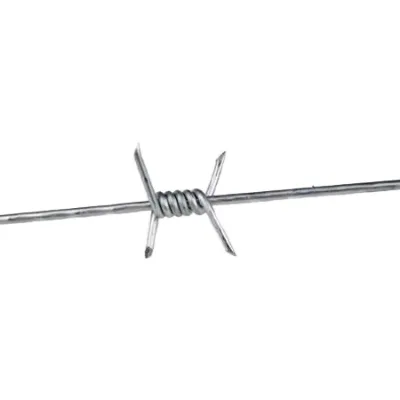
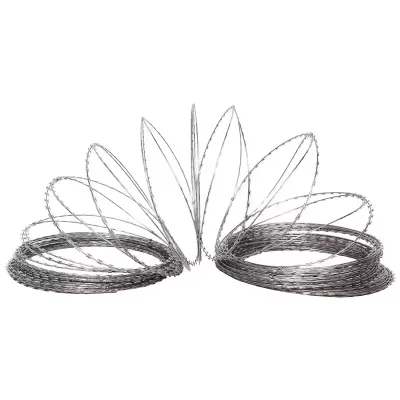
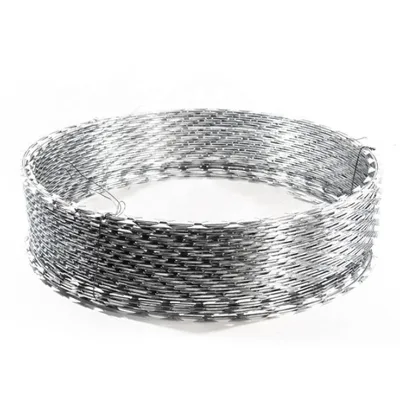


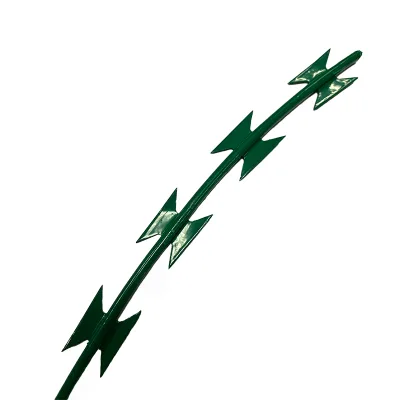
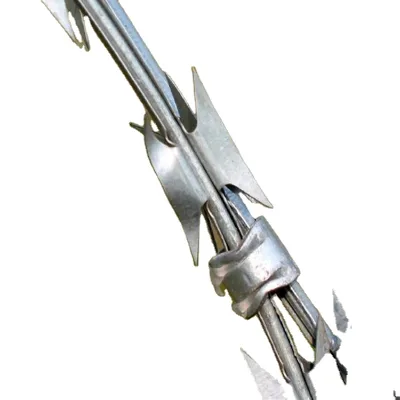
Comprehensive Sourcing Guide
China Razor Barbed Wire Sourcing Guide
Procuring razor barbed wire from China requires careful evaluation of material composition and surface treatments to ensure long-term security performance. Buyers must distinguish between galvanized steel wire and stainless steel options, as the latter offers superior corrosion resistance for coastal or high-humidity environments. The observed product range includes double twist and single twist methods, which directly impact the structural integrity and difficulty of climbing the barrier. Understanding these fundamental material differences is the first step in selecting a product that matches the specific security requirements of the installation site.
Commercial listings often highlight customization capabilities, allowing buyers to specify wire gauges, barb lengths, and coil diameters to fit unique perimeter needs. The market provides a wide array of models, such as BTO-22 and WWM010, alongside various barb spacings ranging from 26mm to 102mm. While some suppliers offer free samples, verifying the actual physical properties of these samples against the ordered specifications is critical before committing to a bulk order. This initial verification ensures that the final delivered product meets the exact tensile strength and coating thickness required for the intended application.
Product Scope and Observed Listing Signals
The observed product listings indicate a broad spectrum of razor wire configurations, including cross razor types and conventional barbed variants. Buyers should note that the coil outside diameter typically ranges from 450mm to 980mm, with specific models like BTO-10 through BTO-28 available for different security levels. The surface treatment options vary significantly, with hot-dipped galvanized finishes offering zinc coatings between 40 and 260g per square meter, while PVC-coated options provide additional color and weather protection. These variations allow for tailored solutions but require precise specification to avoid receiving a product that does not meet the environmental demands of the project.
Listing signals also reveal that suppliers frequently advertise high-quality claims and competitive pricing, yet these assertions must be validated through independent testing. The wire gauge is commonly listed as 12x14 BWG or 12x12 BWG, with barb lengths extending up to 65mm depending on the model. It is essential to scrutinize the "High Quality" and "Best Price" marketing language against the actual technical data provided in the product specifications. Buyers should focus on the tangible attributes like tensile strength, which is observed between 350 and 550MPa, rather than relying solely on promotional descriptions to gauge product value.
Technical Specifications to Verify
Technical verification must begin with the wire diameter and plate thickness, which are critical for determining the overall durability and resistance to cutting tools. The observed specifications include wire diameters of 2.7mm and plate thicknesses of 0.5mm, though these values can vary based on the customized order. Buyers should explicitly confirm the barb width and length, as these dimensions dictate the effectiveness of the deterrent against intruders. Ensuring that the barb spacing aligns with the intended security level is equally important, as wider spacings may reduce the barrier's effectiveness in high-risk zones.
The twist method and coil type are equally vital technical parameters that influence the installation process and final structural stability. Double twist methods are often preferred for their enhanced strength, while single twist options may be suitable for less demanding applications. The coil type, whether single or cross, affects how the wire is deployed and secured along the fence line. Buyers must verify that the selected twist method and coil configuration match the mechanical requirements of the installation, ensuring that the wire maintains its shape and tension under various environmental stresses and physical loads.
Compliance and Safety Documentation
Compliance documentation is a non-negotiable aspect of sourcing razor barbed wire, particularly when importing into regions with strict safety and environmental regulations. The observed certifications include CE, SGS, and BV, which indicate that the manufacturer has undergone third-party assessments for quality and safety. However, buyers should request specific test reports that validate these certifications for the exact batch of products being ordered, as certification status can vary between production runs. Relying on general certification claims without verifying the specific test data for the current order can lead to significant compliance risks at the destination port.
Safety standards regarding the physical properties of the wire, such as tensile strength and coating adhesion, must also be documented to ensure operational safety. The observed tensile strength range of 350-550MPa provides a baseline, but buyers should require proof that the specific product meets or exceeds these values. Additionally, surface treatment processes like hot-dipping or PVC painting must be verified to ensure they meet environmental standards for zinc and chemical emissions. Proper documentation of these safety and environmental attributes is essential for passing customs inspections and ensuring the product is safe for use in public or private security applications.
Cost Drivers and Commercial Terms
Cost drivers for razor barbed wire are primarily influenced by the raw material costs, specifically the price fluctuations of steel and zinc, as well as the complexity of the surface treatment. The choice between galvanized steel and stainless steel wire significantly impacts the final price, with stainless steel commanding a premium due to its superior corrosion resistance. Furthermore, the thickness of the zinc coating and the application of PVC layers add to the manufacturing cost, making it essential for buyers to understand the cost breakdown before negotiating. Customization requests, such as specific barb lengths or coil diameters, can also increase production costs and affect the overall unit price.
Commercial terms and payment structures play a crucial role in managing financial risk and ensuring smooth transaction execution. The observed payment terms include T/T, D/A, D/P, L/C, Western Union, and Moneygram, offering flexibility but also varying levels of security for both parties. Buyers should carefully evaluate the risks associated with each payment method, particularly when dealing with new suppliers or large order volumes. Additionally, the minimum order quantity (MOQ) ranges from 1 to 200 units, which can influence the unit cost and the feasibility of small-scale procurement projects. Understanding these commercial terms is vital for budgeting and securing favorable trade conditions.
Supplier Qualification and Quality Control
Supplier qualification involves verifying the business type and manufacturing capabilities to ensure the vendor is a legitimate manufacturer rather than a trading company. The observed data indicates that many suppliers identify as manufacturers, which can offer better control over production quality and pricing. However, buyers should conduct due diligence to confirm the supplier's actual production capacity and history, as this directly impacts the ability to meet delivery schedules and maintain consistent quality. Requesting references from previous clients and visiting the facility, if possible, can provide valuable insights into the supplier's operational reliability and commitment to quality.
Quality control measures must be established early in the procurement process to prevent defects and ensure the product meets the agreed specifications. Buyers should implement a rigorous inspection protocol that includes checking the wire gauge, barb dimensions, and coating thickness upon receipt of samples and before final shipment. The use of third-party inspection services can provide an objective assessment of the product quality, ensuring that the tensile strength and corrosion resistance meet the required standards. Establishing clear quality control checkpoints and defining acceptance criteria in the purchase agreement is essential for mitigating the risk of receiving substandard products.
Long-Term Procurement Checks
Long-term procurement checks focus on the durability and performance of the razor barbed wire over extended periods of exposure to environmental elements. Buyers should monitor the corrosion resistance of the zinc coating and the integrity of the PVC layer to ensure the product maintains its protective qualities over time. Regular inspections of installed wire can help identify early signs of degradation, allowing for timely maintenance or replacement before security is compromised. Tracking the performance of the wire in different weather conditions provides valuable data for future procurement decisions and helps refine the selection criteria for subsequent orders.
Building a sustainable relationship with the supplier is another critical aspect of long-term procurement success. Consistent communication and feedback loops can help address any quality issues promptly and foster a collaborative environment for continuous improvement. Buyers should also stay informed about changes in industry standards and technological advancements that could impact the performance of razor barbed wire. By maintaining a proactive approach to supplier management and product evaluation, buyers can ensure a reliable supply chain and secure their perimeter assets effectively over the long term.
FAQs
What materials are used for China Razor Barbed Wire?
Manufacturers typically use galvanized steel wire, stainless steel wire, or galvanized iron wire as the base material. These materials provide the necessary tensile strength and durability required for security fencing applications. The choice of material depends on the specific environmental conditions and corrosion resistance needs of the installation site.
What surface treatments are available for these products?
Common surface treatments include hot-dipped galvanized, PVC coating, and PVC painting. The zinc coating weight can range from 40 to 260 grams per square meter to enhance corrosion resistance. Customized surface treatments are also available to meet specific project requirements and environmental durability standards.
What certifications do these products typically hold?
Products often hold CE, SGS, and BV certifications to ensure quality and safety standards. Some manufacturers also provide ISO9001 certification for their production processes. These certifications verify that the manufacturing processes and final products meet international quality and safety requirements for security mesh and fencing materials.
Can I get free samples before placing an order?
Yes, manufacturers generally provide free samples for evaluation purposes. This allows buyers to verify the material quality, coating thickness, and razor blade specifications before committing to a bulk purchase. Samples help ensure the product meets the specific technical requirements and quality expectations of the project.
What are the standard razor barbed wire models?
Standard models include BTO-10, BTO-12, BTO-18, BTO-22, and BTO-28. The BTO-22 model is a popular cross-razor type with specific barb dimensions. Customized models and sizes are also welcome to accommodate unique security fencing designs and specific installation requirements for different projects.
What is the typical packaging method for shipping?
Products are usually packed in seaworthy packing to ensure safe transit. Common methods include bundling with pallets to prevent damage during handling and transportation. This packaging approach protects the wire coils and razor blades from moisture and physical impact, ensuring the product arrives in optimal condition for installation.