Source Chinese Car Engine Hood Hinge for Repair and Replacement
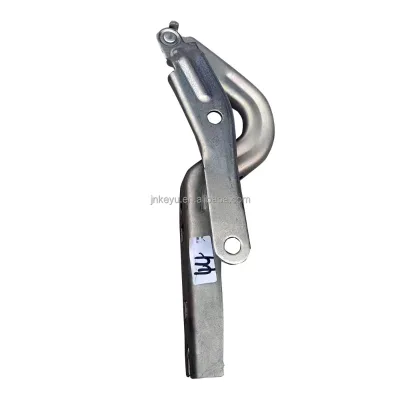
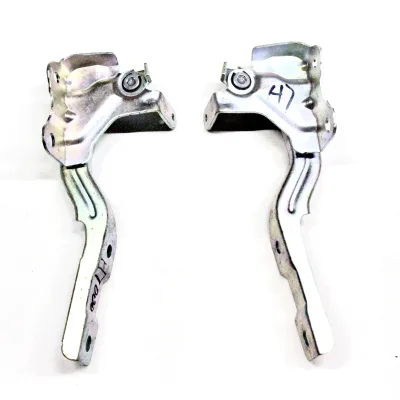
Find 30 listings for the Chinese Car Engine Hood Hinge, featuring options from China and Taiwan. Compare specifications such as OEM fitment, material types like iron, and warranty terms to identify suitable spare parts for automotive repair and replacement needs.
Updated
Key considerations
Products List
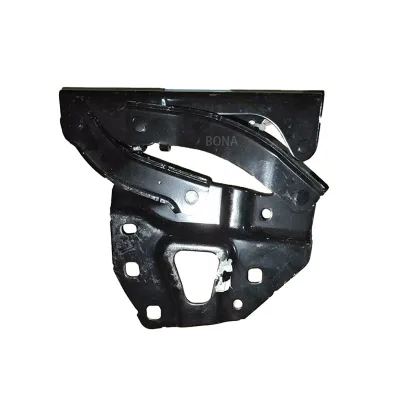
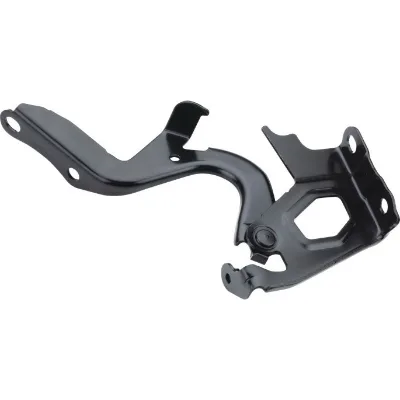
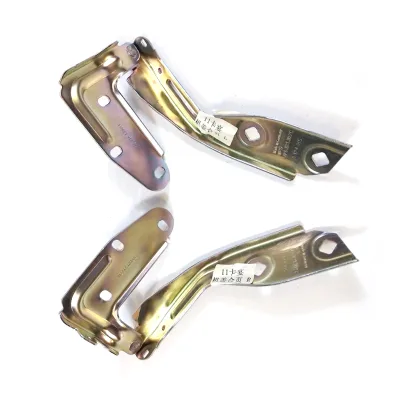


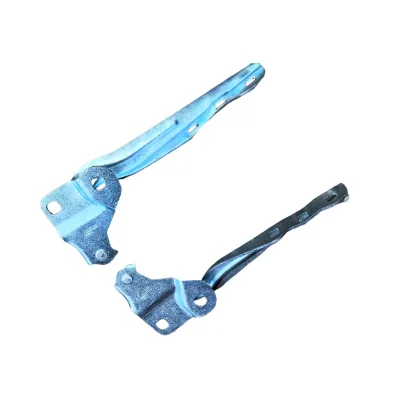
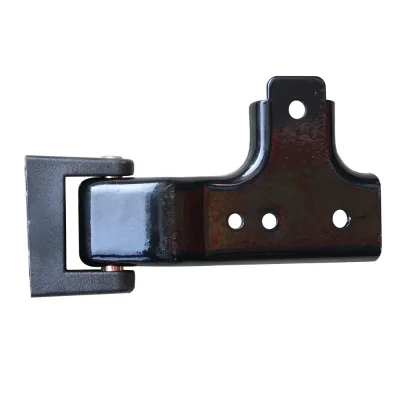


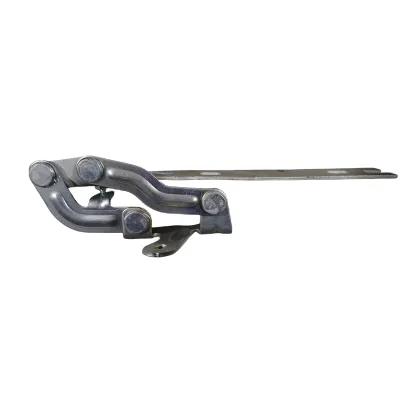
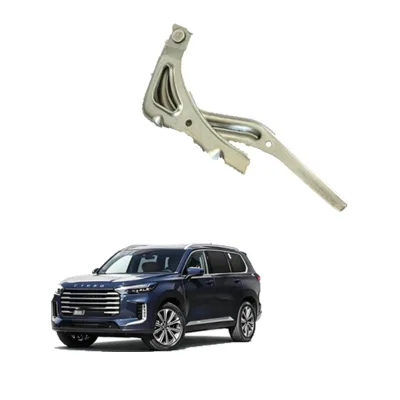

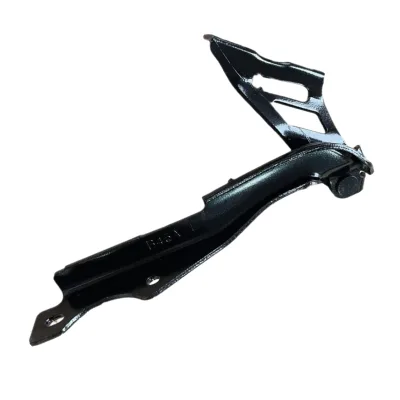
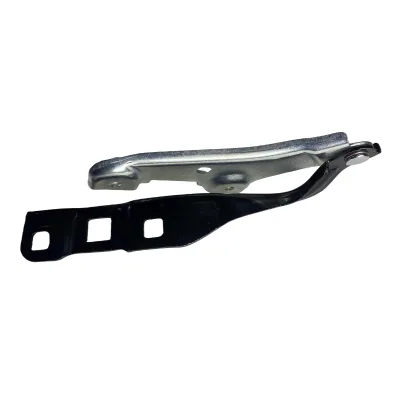

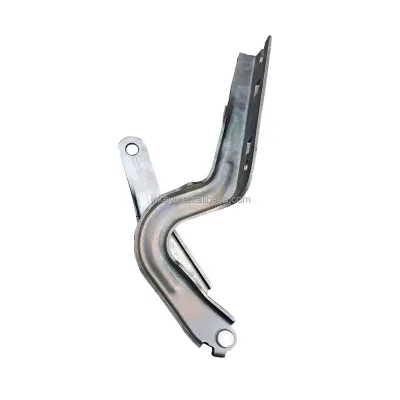
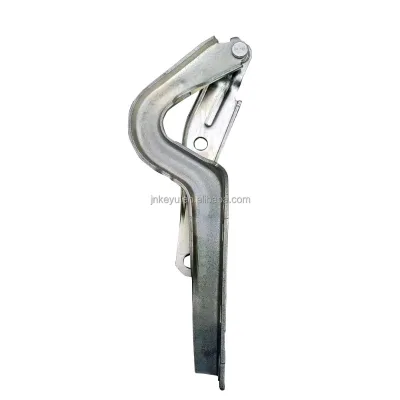
Comprehensive Sourcing Guide
Chinese Car Engine Hood Hinge Sourcing Guide
Sourcing engine hood hinges from Chinese manufacturers requires a disciplined approach to verifying fitment and structural integrity. These components are critical for vehicle safety, serving as the primary pivot point for the hood assembly. Buyers must prioritize suppliers who demonstrate a clear understanding of OEM specifications, as even minor deviations can lead to improper closure or safety hazards. The market offers a wide variety of options, ranging from generic replacements to high-quality, brand-specific parts. Understanding the distinction between these categories is essential for making informed procurement decisions that balance cost with reliability.
The supply chain for these automotive parts is heavily concentrated in specific industrial regions within China, including Beijing, Jiangsu, and Taiwan. This geographic concentration often correlates with established manufacturing ecosystems and specialized tooling capabilities. Procurement teams should leverage this regional expertise by targeting suppliers with documented experience in automotive hinge production. It is also crucial to verify the condition of the products, as the market predominantly lists new items rather than refurbished units. Ensuring that the supply chain is transparent and that the origin of materials is clearly stated helps mitigate risks associated with counterfeit or substandard components.
Product Scope and Observed Listing Signals
The current market landscape for engine hood hinges presents a diverse array of product listings, with observed prices ranging from $0.10 to $62.80 USD. This wide variance reflects differences in material quality, brand reputation, and specific vehicle compatibility. Minimum order quantities (MOQs) typically start at just one piece, allowing for flexible sampling and small-batch testing before committing to larger orders. Buyers should carefully analyze these listing signals to identify suppliers who offer competitive pricing without compromising on essential quality indicators. The presence of OEM service acceptance is a positive signal, indicating that the supplier is willing to work with original equipment manufacturer specifications.
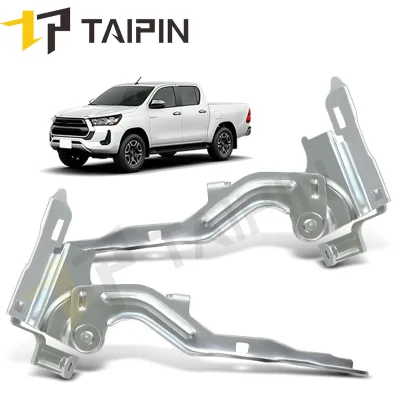
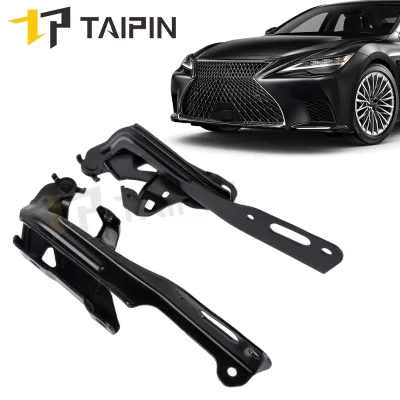
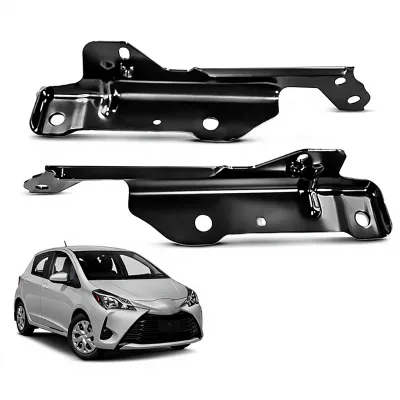
Product attributes such as fitment and application provide critical context for buyers. Many listings explicitly state excellent fitment for specific automotive engine systems, particularly for brands like Toyota and Porsche. For instance, specific models are designed for the Porsche Cayenne 2011-2017, with OE numbers such as 95851130102 and 95851130202 clearly documented. Other listings cater to general auto spare parts needs, including door hinges and hood hinges for various vehicles. Buyers must cross-reference these application details with their own vehicle requirements to ensure compatibility. The emphasis on professional testing and high-quality standards in product descriptions suggests a market segment focused on reliability and performance.
Technical Specifications to Verify
Verifying technical specifications is paramount when sourcing engine hood hinges to ensure proper installation and function. Key attributes to confirm include the material composition, with iron being a common material cited in listings. Buyers should also pay close attention to the model numbers and size specifications, such as the CD569F270101-0800 model or OEM standard sizes. The single package dimensions and gross weight are also important for logistics planning, with variations ranging from compact packages to larger boxes weighing up to 50 kg. These physical attributes directly impact shipping costs and handling requirements, so accurate data is essential for budgeting and warehouse management.
In addition to physical dimensions, buyers must verify the warranty terms and condition of the products. Most listings offer a 12-month warranty, although some specific items may have shorter coverage periods, such as six months. The condition is consistently listed as new, which is a baseline expectation for replacement parts. It is also important to confirm the color and finish, as some hinges are specified as black, which may be relevant for aesthetic matching or corrosion resistance. The supply ability, often cited as 1000 pieces per week, indicates the production capacity of the supplier, which is crucial for maintaining consistent inventory levels and meeting demand fluctuations.
Compliance and Safety Documentation
Compliance with international standards is a critical factor in the procurement of automotive components. Many suppliers list ISO9001 certification, which indicates adherence to quality management systems. This certification is a strong indicator of a supplier's commitment to consistent product quality and process control. Buyers should request copies of these certificates to verify their validity and ensure they are current. While some background information mentions REACH compliance, this should be treated as a general indicator rather than a confirmed status for every product. It is essential to clarify specific regulatory requirements with the supplier to ensure that the parts meet the safety and environmental standards of the destination market.
Safety documentation also includes detailed product descriptions and fitment guides that help prevent installation errors. Suppliers who provide comprehensive product descriptions, including OE numbers and specific vehicle models, demonstrate a higher level of professionalism and attention to detail. Buyers should look for suppliers who offer clear packaging details and dispatch ports, such as Taiwan, which can provide insights into the supply chain logistics. The acceptance of OEM service is another positive sign, suggesting that the supplier is capable of producing parts that meet original equipment specifications. This level of documentation reduces the risk of receiving incorrect or non-compliant parts, thereby protecting the buyer from potential liability and customer dissatisfaction.
Cost Drivers and Commercial Terms
Several factors influence the final cost of engine hood hinges, including material costs, manufacturing complexity, and order volume. The observed price range of $0.10 to $62.80 USD reflects these variations, with higher prices typically associated with brand-specific or high-quality parts. Buyers should consider the total cost of ownership, which includes shipping, tariffs, and potential returns due to fitment issues. The MOQ of 1-100 pieces allows for flexible purchasing, but larger orders may offer better unit prices. It is important to negotiate clear commercial terms, including payment methods and delivery schedules, to avoid unexpected costs or delays.
Delivery times are another significant commercial term, with most suppliers offering a lead time of 7-15 days. This timeframe is relatively standard for automotive parts but can vary based on production capacity and inventory levels. Buyers should confirm the delivery time with the supplier before placing an order to ensure it aligns with their operational needs. The port of dispatch, such as Taiwan or other Chinese ports, also affects shipping costs and transit times. Understanding these commercial terms helps buyers plan their inventory and cash flow more effectively. Additionally, the warranty period, typically 12 months, provides a safety net against defects, reducing the financial risk associated with the purchase.
Supplier Qualification and Quality Control
Qualifying suppliers is a crucial step in ensuring the reliability of the sourced engine hood hinges. Buyers should assess the supplier's production capabilities, quality control processes, and customer service responsiveness. The presence of ISO9001 certification and claims of 100% professional testing are positive indicators of a supplier's commitment to quality. However, buyers should also request samples to verify the physical quality and fitment of the parts before committing to larger orders. The brand name, such as JINBAO or JMC TAIWAN, can provide insights into the supplier's market position and reputation. It is important to verify these brand claims and ensure that the supplier is authorized to use them.
Quality control should extend beyond the initial sample phase to include ongoing monitoring of production batches. Buyers should establish clear quality acceptance criteria and communicate them to the supplier. Regular audits or third-party inspections can help ensure that the supplier maintains consistent quality standards. The supply ability of 1000 pieces per week suggests that the supplier has the capacity to handle larger orders, but buyers should confirm this capacity during the qualification process. Additionally, the warranty terms, such as the 12-month coverage, provide a mechanism for addressing any quality issues that arise after delivery. A robust supplier qualification process helps mitigate risks and ensures a reliable supply chain.
Long-Term Procurement Checks
Long-term procurement success depends on continuous monitoring of supplier performance and market trends. Buyers should regularly review supplier metrics, such as on-time delivery rates, defect rates, and responsiveness to issues. The automotive parts market is dynamic, with new models and technologies emerging frequently. Buyers must stay informed about these changes to ensure that their sourced parts remain relevant and compatible. The observed supply ability of 1000 pieces per week is a good baseline, but buyers should monitor this capacity to ensure it can scale with demand. Regular communication with suppliers helps maintain a strong partnership and facilitates problem-solving.
It is also important to periodically re-evaluate the cost structure and commercial terms. Market fluctuations in material costs and shipping rates can impact the final price of the parts. Buyers should negotiate long-term contracts or volume discounts to secure better pricing and stability. The warranty period, typically 12 months, should be reviewed to ensure it remains competitive and adequate for the product's expected lifespan. Additionally, buyers should stay updated on regulatory changes and compliance requirements in their target markets. By maintaining a proactive approach to procurement, buyers can ensure a reliable and cost-effective supply of engine hood hinges for their operations.
FAQs
What is the typical lead time for ordering engine hood hinges?
The typical delivery time for these automotive parts is 7-15 days. This timeframe applies to standard orders placed with suppliers in China. Buyers should account for this window when planning inventory replenishment or repair schedules to ensure timely installation.
Which certifications are commonly provided with these auto spare parts?
ISO9001 is a documented certification for these products. This quality management standard indicates that the manufacturing process meets specific international requirements. Buyers can verify this credential to ensure consistent quality and professional testing standards for their automotive engine system components.
Can I find engine hood hinges with a specific warranty period?
Yes, warranties of 12 months are available for new condition parts. Some specific items may offer a 6-month warranty. These guarantees cover replacement or repair purposes, providing buyers with confidence in the durability and fitment of the purchased automotive spare parts.
What is the minimum order quantity for these automotive components?
The minimum order quantity ranges from 1 to 100 pieces. This flexibility allows buyers to purchase single items for immediate repair needs or larger batches for inventory. Suppliers accept OEM service, accommodating various order sizes for different automotive applications.
How are these spare parts packaged for safe shipping?
Parts are typically packed in carton boxes for protection. Packaging dimensions vary, with some items measuring 45x45x45 cm or 210x80x60 cm. This secure packaging ensures the hinges arrive in new condition, ready for installation in automotive engine systems without damage.
Which car models are compatible with these hood hinges?
These hinges fit various models, including Toyota and Porsche Cayenne 2011-2017. Specific OE numbers like 95851130102 are supported. Buyers should verify the model number and size against their vehicle requirements to ensure excellent fitment and proper function in their automotive systems.