Source CJX1 AC Contactor for Household Appliances, Industrial, and Communication
Find 30 CJX1 AC Contactor options from verified manufacturers in China. Compare specifications like voltage, current rating, and certifications to select the right component for household appliances, industrial machinery, and communication systems; compare the available evidence and request quotations based on your requirements.
Updated
Key considerations
Products List


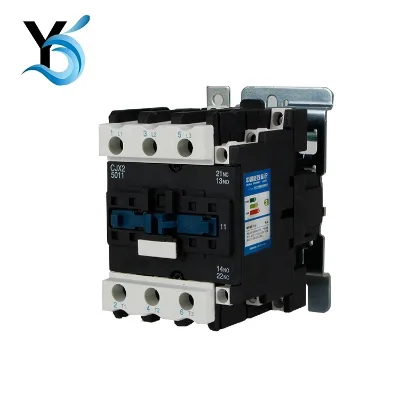
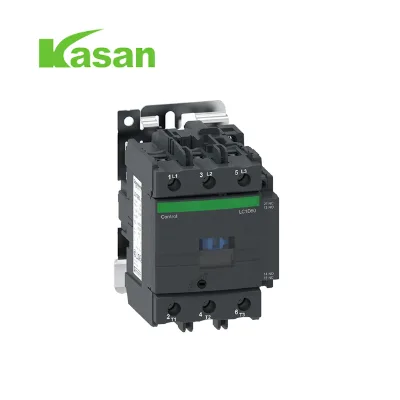
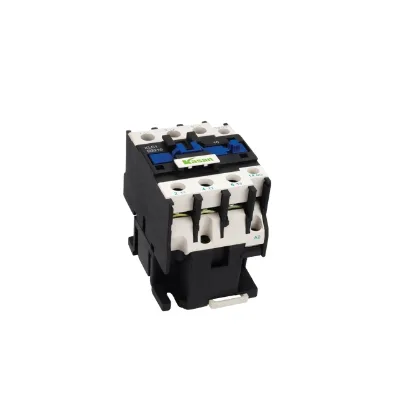
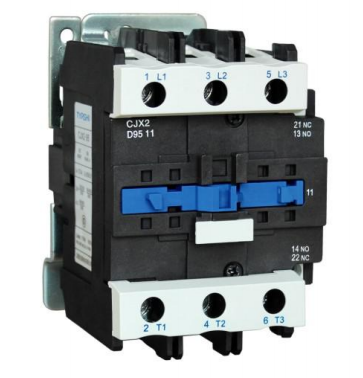
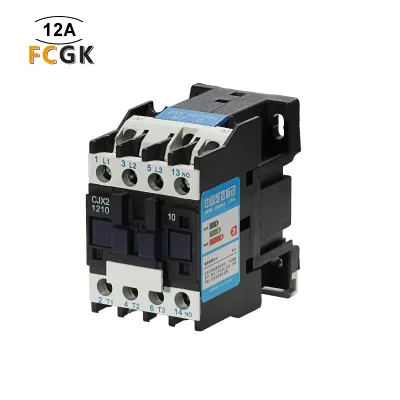
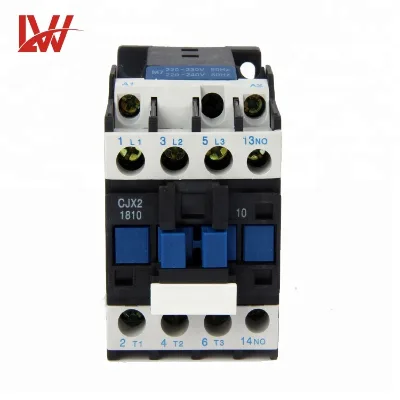
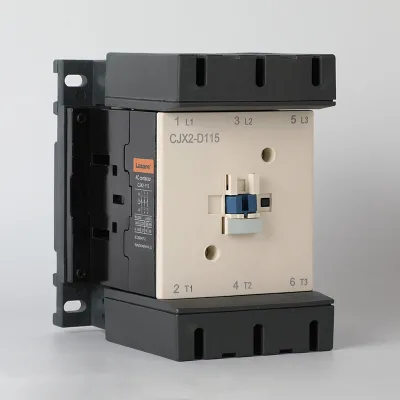
CJX2-5011 AC Connector Three Phase 220V 380V Ac Contactor Universal AC Contactor
$9.4437 - $9.7435
MOQ: 10 Minimum
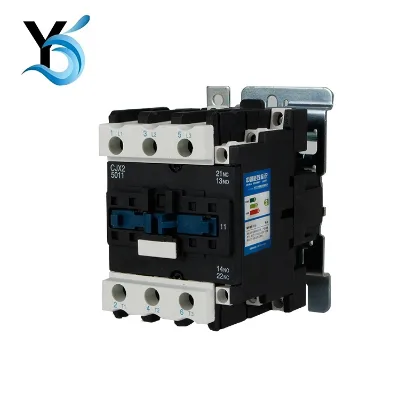
CJX2-5011 ac connect Three phase 220V 380V ac contactor Universal ac contactor
$9.4437 - $9.7435
MOQ: 10 Minimum
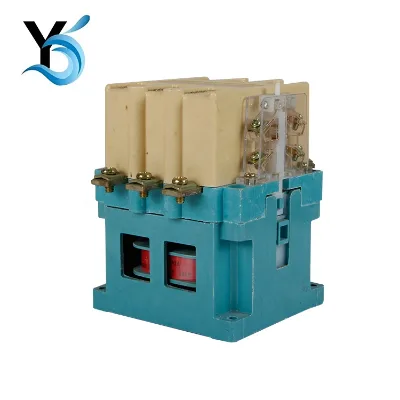





Comprehensive Sourcing Guide
CJX1 AC Contactor Sourcing Guide
Procuring CJX1 AC contactors requires a disciplined approach to verifying component compatibility and operational reliability within industrial control circuits. These devices function as electromagnetic relays designed for switching alternating current loads, often serving as the primary interface between low-power control signals and high-power machinery. Buyers must recognize that the CJX1 series represents a specific lineage of contactor technology, distinct from newer CJX2 or LC1-D models, which may offer different form factors or auxiliary configurations. Understanding this distinction is critical when replacing legacy equipment or designing new panels that require backward compatibility with existing wiring diagrams and mounting standards.
The sourcing landscape for these components is dominated by manufacturers based in Zhejiang, China, particularly in the Wenzhou region, which is a known hub for electrical component production. Suppliers in this area typically offer customization options and export-standard packing, ensuring that goods arrive in condition suitable for immediate integration into assembly lines. However, the presence of multiple model variants, such as CJX1-75, necessitates careful cross-referencing of technical datasheets to ensure that the specific coil voltage, pole configuration, and current rating match the exact requirements of the end application.
Product Scope and Observed Listing Signals
Market listings for CJX1 AC contactors reveal a diverse range of product attributes that buyers must navigate to identify the correct unit for their specific needs. The observed product scope includes miniature-sized contactors with a three-pole or four-pole configuration, catering to various phase requirements in household appliances and industrial communication systems. Listings frequently highlight the action principle as electronic type, although the underlying theory remains electromagnetic relay operation, which is essential for understanding the switching mechanism and potential arc suppression requirements in high-inductive load scenarios.
Price observations indicate a wide variance, with some listings showing negotiable terms and others suggesting a broad range from low-cost units to higher-end specialized models. The minimum order quantity (MOQ) can range from single items to five hundred units, reflecting the flexibility of suppliers to accommodate both prototype development and bulk production runs. Buyers should note that while some products are listed with specific price points, many are marked as negotiable, indicating that final costs will depend on volume commitments, customization requests, and the specific auxiliary contact types required, such as the 1+1 configuration observed in certain brand offerings.
Technical Specifications to Verify
When evaluating CJX1 AC contactors, verifying the main circuit rating current and voltage is paramount to ensuring safe and efficient operation. The observed specifications indicate a main circuit rating current of up to 100A and a voltage rating of 380V, which are typical for heavy-duty industrial applications. However, buyers must also scrutinize the coil voltage options, which can range from 12V to 690V, to ensure compatibility with the control system’s power supply. Mismatching the coil voltage can lead to immediate failure or reduced lifespan of the contactor, making precise verification of the control circuit parameters a critical step in the selection process.
Additionally, the pole configuration and auxiliary contact types must be aligned with the control logic of the machinery. The CJX1 series often features a 3P or 4P main pole setup, with auxiliary contacts available in configurations like 1+1, which are essential for interlocking and feedback signals. The coil frequency is typically specified at 50Hz, which is standard for many international markets, but buyers in regions with 60Hz power systems should confirm compatibility to avoid overheating or chattering issues. Ensuring that the physical size and mounting dimensions match the existing panel layout is also necessary to avoid costly retrofitting or redesign efforts.
Compliance and Safety Documentation
Compliance with international and regional safety standards is a non-negotiable aspect of sourcing CJX1 AC contactors for global distribution or installation. The observed product data indicates adherence to standards such as CE, IEC 60947-4-4, and IEC 947-4, which govern the performance and safety of low-voltage switchgear and controlgear assemblies. Buyers must request valid certification documents to verify that the specific batch or model meets these regulatory requirements, particularly if the equipment is destined for markets with strict electrical safety laws. The presence of CCC certification is also noted for some products, which is mandatory for sale within China and serves as a strong indicator of quality control for domestic manufacturing.
Beyond regulatory compliance, buyers should assess the manufacturer’s quality management systems, with ISO 9000 certification being a common benchmark for production consistency. Documentation should include detailed test reports and material safety data sheets, especially if the contactors are used in sensitive environments. It is crucial to verify that the packaging, often described as export carton packing, protects the components from moisture and physical damage during transit, as compromised insulation can lead to safety hazards. Ensuring that all compliance labels are permanently affixed and legible is also a key verification step during incoming quality inspection.
Cost Drivers and Commercial Terms
The total cost of ownership for CJX1 AC contactors is influenced by several commercial factors beyond the unit price, including customization, packaging, and logistics. Customization availability allows buyers to tailor auxiliary contacts or coil voltages to specific needs, but this often incurs additional setup fees or higher per-unit costs due to reduced production economies of scale. The choice of packaging, whether standard carton or export-standard packing, can also impact shipping costs and insurance premiums, particularly for large volume orders where weight and volume are significant variables in freight calculations.
Negotiable pricing structures are common in this sector, offering opportunities for buyers to secure better rates through volume commitments or long-term supply agreements. However, buyers must be cautious of unusually low prices that may indicate compromised quality or lack of proper certification. It is advisable to request a detailed breakdown of costs, including tooling fees for customizations and shipping terms, to avoid hidden expenses. Understanding the payment terms and lead times is equally important, as delays in production can disrupt manufacturing schedules, making reliable supplier communication a key component of cost management.
Supplier Qualification and Quality Control
Selecting a qualified supplier for CJX1 AC contactors requires a thorough assessment of their manufacturing capabilities and quality assurance processes. Buyers should prioritize suppliers who are direct manufacturers rather than trading companies, as this often ensures better control over production quality and technical support. The observation that many suppliers are located in Zhejiang, China, suggests a mature supply chain with access to raw materials and skilled labor, but buyers must verify the supplier’s track record through references or third-party audits. Checking for consistent production of the CJX1 model, rather than a wide array of unrelated products, can indicate specialized expertise and reliability.
Quality control measures should include incoming material inspections, in-process testing, and final outgoing quality assurance checks. Buyers should inquire about the supplier’s defect rate and return policy, as well as their ability to provide traceability for each batch of contactors. It is also beneficial to request samples for preliminary testing before committing to large orders, allowing for verification of electrical performance and mechanical durability. Establishing a clear communication channel for technical queries and after-sales support is essential, as any issues with contactor performance can have significant downstream impacts on operational efficiency.
Long-Term Procurement Checks
Long-term procurement of CJX1 AC contactors involves ongoing monitoring of product performance and supplier reliability to ensure sustained operational success. Buyers should implement a system for tracking field failures and warranty claims, using this data to evaluate the consistency of quality over time. Regular audits of supplier production facilities, if feasible, can help identify potential issues before they impact supply continuity. Additionally, staying informed about updates to relevant standards, such as IEC 60947-4-1, is crucial to ensure that existing inventory and future purchases remain compliant with evolving regulatory requirements.
Supply chain resilience is another key consideration, with buyers should diversify their supplier base to mitigate risks associated with geopolitical or logistical disruptions. Maintaining a buffer stock of critical components, such as specific coil voltages or auxiliary contact configurations, can prevent production stoppages due to sudden demand spikes or supply delays. Finally, fostering a collaborative relationship with suppliers can lead to early notification of product discontinuations or upgrades, allowing buyers to plan transitions smoothly and avoid last-minute sourcing challenges.
FAQs
What is the main circuit rating for CJX1 AC contactors?
The main circuit rating current is typically 100A with a voltage of 380V. These specifications ensure reliable operation in standard industrial applications. The device functions as an AC contactor using electromagnetic relay theory. This configuration supports heavy-duty switching tasks while maintaining electrical safety standards for continuous use in demanding environments.
Which certifications apply to CJX1 AC Contactor products?
Products often carry CE, CCC, and ISO9000 certifications alongside IEC60947-4-4 standards. These marks verify compliance with international safety and quality requirements. The CJX1 series meets rigorous testing protocols for electrical components. Buyers can rely on these documented standards to ensure regulatory adherence for global distribution and industrial installation projects.
Can CJX1 AC contactors be customized for specific needs?
Yes, customization is available for various CJX1 AC Contactor models. Manufacturers offer tailored solutions to meet unique operational requirements. This flexibility allows for specific pole configurations and auxiliary contact types. Buyers seeking specialized electrical control components can request modifications to standard designs to fit precise application parameters.
What is the packaging method for CJX1 AC contactors?
Products are typically packed in export cartons or standard carton packing. This method ensures safe transit and protection during shipping. The packaging is designed to withstand logistical handling while preserving product integrity. Buyers receive goods in secure containers that facilitate easy storage and inventory management upon delivery to the destination site.
Where are CJX1 AC contactors manufactured?
These contactors originate from Zhejiang, China, specifically in regions like Wenzhou. This location is a known hub for electrical component manufacturing. The production facilities adhere to established industrial standards for quality control. Buyers sourcing from this region benefit from established supply chains and experienced manufacturing expertise in electrical automation components.
What voltage options are available for CJX1 AC Contactor coils?
Coil voltages include 12V, 110V, 220V, 440V, and 690V options. This range allows compatibility with diverse control circuit requirements. The 50Hz coil frequency supports standard AC power systems. Buyers can select the appropriate voltage rating to match their existing electrical infrastructure and control panel specifications effectively.