Source Clam Shell Blister Packaging for Gifts, Food, and Crafts
Source 30 Clam Shell Blister Packaging options from Guangdong suppliers. Compare PVC and PET materials, custom sizes, and transparent designs for gift, craft, and food applications. View pricing, MOQs, and lead times to find the right fit for your needs.
Updated
Key considerations
Products List
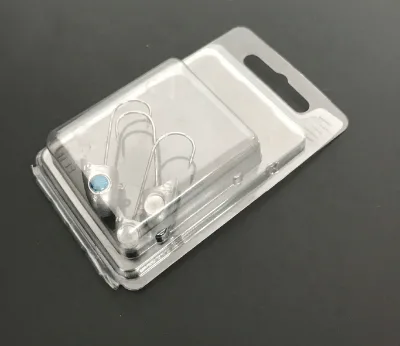
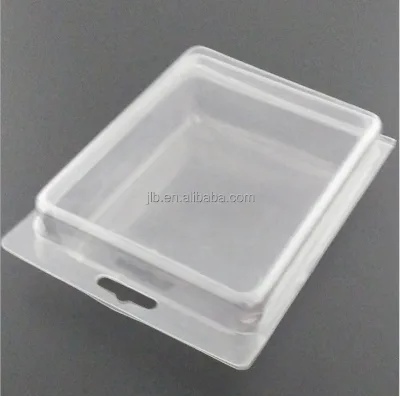
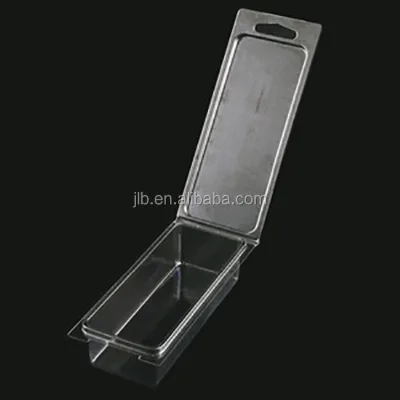
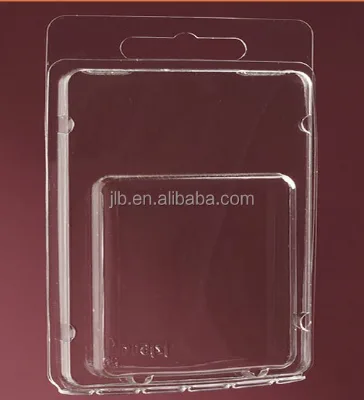
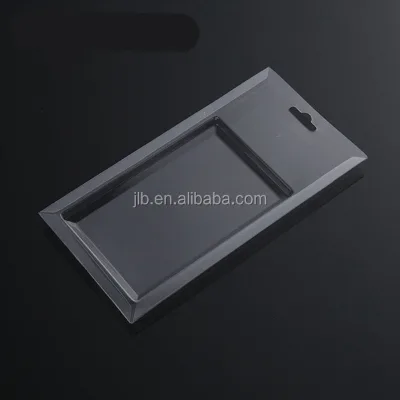
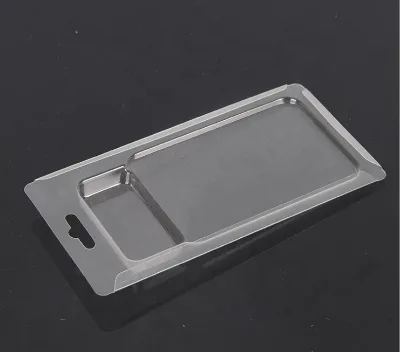
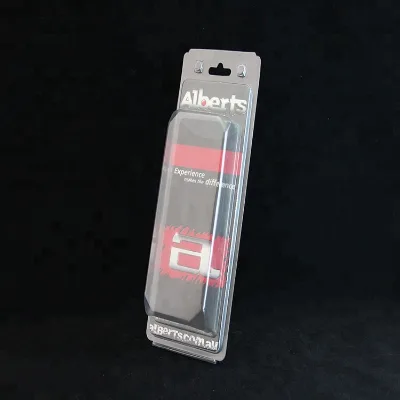
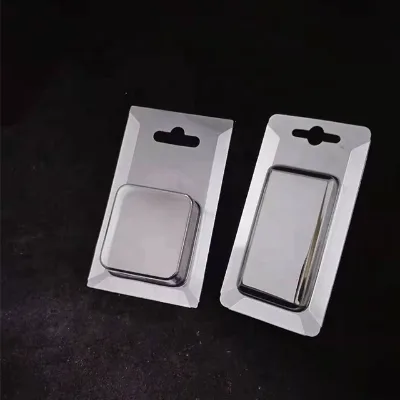


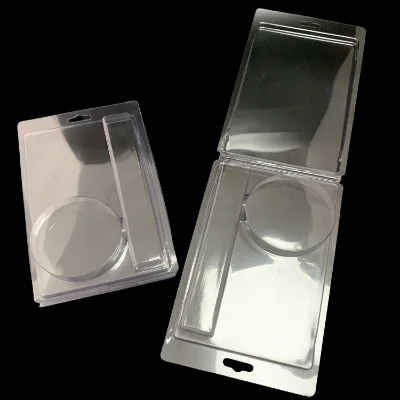
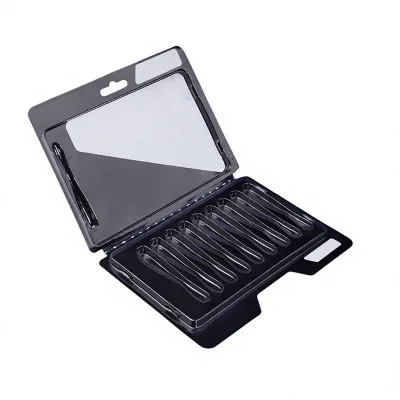
Custom Transparent Blister Packing Clear Clamshell Plastic Blister Packaging
$0.10 - $0.20
MOQ: 2000 Pieces
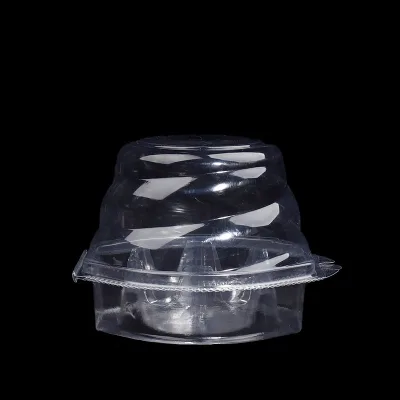
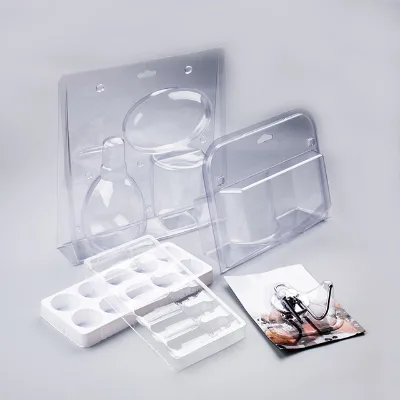
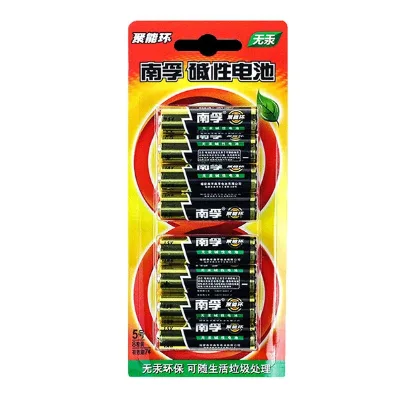
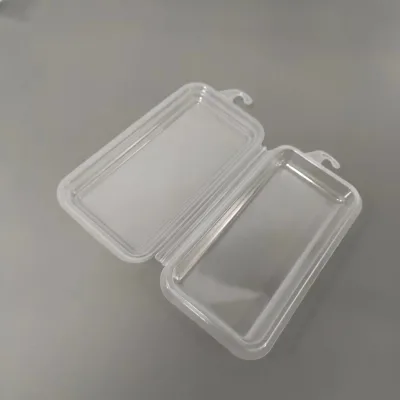


Disposable Fruit Salad Clamshell Container Plastic Blister Food Packaging
$0.112 - $0.12
MOQ: 100000 Pieces

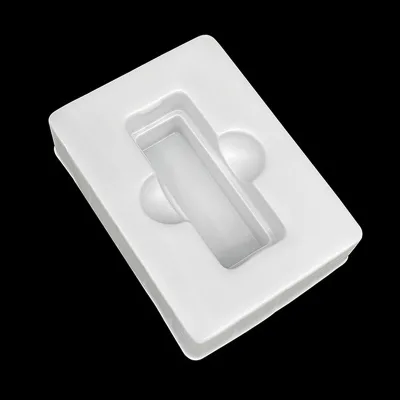


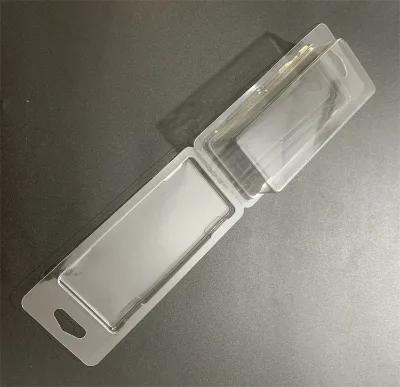
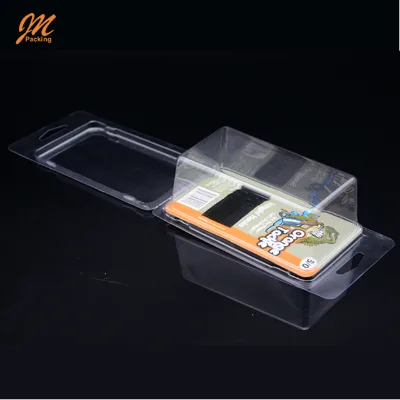
Transparent Clamshell Blister Packaging with Paper Card for Mobile Case
$0.07 - $0.10
MOQ: 3600 Pieces
Comprehensive Sourcing Guide
Clam Shell Blister Packaging Sourcing Guide
Buyers evaluating Clam Shell Blister Packaging must first distinguish between general plastic boxes and specialized transparent blister solutions designed for visibility. The observed market data indicates a strong preference for clear materials like PVC, PET, and PP, which allow end-users to inspect inner products without opening the package. This transparency is a critical functional attribute for gift, craft, and food applications where visual appeal drives purchasing decisions. Procurement teams should prioritize suppliers who explicitly list "clear to see the inner products" as a core advantage rather than generic opaque containers.
Commercial listings reveal a diverse range of customization capabilities, from standard rectangular shapes to fully bespoke dimensions. While some suppliers offer fixed sizes like 20x18x3cm, others emphasize that all sizes can be manufactured to specific client requirements. This flexibility is essential for brands needing unique packaging geometries that fit irregular product shapes. Buyers should verify if the supplier utilizes mold cutting and gluing technologies to ensure the structural integrity of these custom-formed plastic boxes meets their specific product protection needs.
Product Scope and Observed Listing Signals
The product scope for Clam Shell Blister Packaging spans multiple industrial uses, including food, gift, and craft sectors. Listings frequently highlight the material composition as PVC, PET, or PP, with specific mentions of disposable and recyclable features depending on the polymer type selected. The observed color options range from standard white and mixed colors to fully transparent finishes, allowing buyers to align packaging aesthetics with brand identity. It is crucial to confirm whether the specific listing supports the intended industrial use, as food-grade requirements differ significantly from general gift packaging standards.
Listing signals also indicate a high degree of customization in terms of printing and branding. Suppliers offer colorful offset printing and transparent printing options, enabling detailed graphics on the packaging surface. The brand names observed, such as Jia Li Bao and JLB, suggest established manufacturers capable of handling both single-item sales and bulk orders. Buyers should scrutinize the "Style" and "Product" descriptions to ensure the listing matches the desired clamshell format, as some entries may refer to generic plastic boxes rather than the specific hinged or snap-close blister designs required for certain applications.
Technical Specifications to Verify
Thickness is a primary technical specification that directly impacts the durability and rigidity of the blister packaging. Observed data points to a thickness range of 0.3mm to 0.8mm, with specific listings citing 0.3mm to 0.5mm for standard applications. Buyers must verify the exact thickness required for their product weight and shipping conditions, as thinner gauges may compromise protection while thicker ones increase material costs. The choice between PVC, PET, and PP also influences the final thickness performance, requiring a technical review to match the material properties with the product's fragility and storage environment.
Dimensional accuracy and shape consistency are equally critical for automated filling lines and retail display compatibility. While some listings specify a rectangular shape and fixed dimensions like 20x18x3cm, others claim the ability to produce all sizes and shapes. Procurement teams should request detailed technical drawings or samples to confirm that the mold cutting and gluing processes maintain precise tolerances. Additionally, verifying the single volume and gross weight data is essential for calculating shipping logistics and storage efficiency, ensuring the packaging does not introduce unnecessary bulk to the supply chain.
Compliance and Safety Documentation
Safety documentation is paramount when sourcing packaging for food applications, as the material must meet specific hygiene and migration standards. Although general listings mention recyclable features and various plastic types, explicit certification status for food contact safety is not universally detailed in the provided context. Buyers should request proof of compliance with relevant food safety regulations, such as FDA or EU standards, before finalizing orders for fruit or other consumable goods. Relying on general claims of safety without verified documentation poses a significant risk to brand reputation and consumer health.
Environmental compliance is another critical area where buyers must exercise due diligence. While some product attributes list recyclability, the actual disposal and recycling capabilities depend heavily on the specific polymer used, such as PVC or PET. Procurement teams should verify if the supplier adheres to recognized environmental standards like RoHS, even if this certification is currently listed as low-confidence background information. Ensuring that the packaging materials do not contain prohibited substances is essential for meeting international trade requirements and corporate sustainability goals.
Cost Drivers and Commercial Terms
Cost drivers for Clam Shell Blister Packaging are heavily influenced by material selection, thickness, and the complexity of the mold required. The observed price range of 0.01 to 0.51 USD per unit suggests significant variability based on order volume and customization levels. Buyers should anticipate that thicker gauges, custom colors, and complex printing processes will increase the unit cost. Understanding the relationship between material type, such as PVC versus PET, and the final price is essential for budgeting and negotiating effective commercial terms with potential suppliers.
Commercial terms and payment structures vary widely among suppliers, with options including EXW, FOB, and CIF pricing models. Payment methods observed range from TT and West Union to PayPal, offering flexibility but also requiring careful risk assessment. Lead times are another critical factor, with sample times ranging from within a day to 2-5 days, and mass order delivery typically within 2 weeks or 5 working days. Buyers must align these timelines with their production schedules and ensure that the agreed-upon delivery terms, such as sea or air express shipment, match their logistical capabilities and urgency requirements.
Supplier Qualification and Quality Control
Supplier qualification should focus on verifying the manufacturing capabilities and the specific mold types available for production. The observed data mentions gypsum, copper, and aluminum molds, indicating a range of tooling options that affect precision and durability. Buyers should assess whether the supplier has the capacity to produce the required mold type for their specific design needs and if they can maintain consistent quality across large production runs. A supplier's ability to handle both small sample orders and large mass orders is a key indicator of their operational flexibility and reliability.
Quality control processes must be rigorously evaluated to ensure the final product meets the specified thickness, shape, and printing standards. Buyers should request samples to verify the clarity, structural integrity, and print quality before committing to a large order. The observation of features like "clear to see the inner products" and "disposable" nature requires physical inspection to confirm that the packaging performs as advertised. Establishing clear quality acceptance criteria and conducting pre-shipment inspections are essential steps to mitigate the risk of receiving substandard blister packaging that could damage the product or fail in the market.
Long-Term Procurement Checks
Long-term procurement success depends on maintaining consistent communication regarding lead times and production capacity. The observed lead times of within 5 working days for samples and 2 weeks for mass orders provide a baseline, but buyers must verify if these timelines remain stable during peak seasons or supply chain disruptions. Regularly reviewing the supplier's ability to meet these deadlines ensures that inventory levels are maintained without interruption. Establishing a reliable supply chain requires ongoing monitoring of the supplier's performance against these initial commitments.
Sustainability and material availability are critical factors for long-term planning in the packaging industry. As regulations evolve and consumer preferences shift towards more eco-friendly options, buyers must ensure their suppliers can adapt their material offerings, such as transitioning to more recyclable PET or PP variants. Continuous dialogue with suppliers about material sourcing and potential regulatory changes will help mitigate future risks. Proactively planning for these shifts ensures that the Clam Shell Blister Packaging remains compliant and competitive in the marketplace over the long term.
FAQs
What materials are used for Clam Shell Blister Packaging?
Clam Shell Blister Packaging is primarily manufactured using plastic materials such as PVC, PET, and PP. These materials offer clarity to see inner products and can be customized for specific industrial uses like gifts, crafts, or food. The material choice ensures durability while maintaining the transparent or colored aesthetic required for retail display and protection.
Can custom orders be accepted for plastic clamshell boxes?
Yes, custom orders are accepted for plastic clamshell boxes. Manufacturers offer customized model numbers and sizes, allowing for specific dimensions like 20x18x3cm or other shapes. The process involves mold cutting and gluing, with options for gypsum, copper, or aluminum molds to meet unique design requirements and branding needs for various product types.
What is the typical lead time for mass production?
The typical lead time for mass production is within two weeks. Sample preparation is faster, often completed within one to five days depending on the complexity. This efficient timeline ensures that buyers can receive prototypes quickly for approval before proceeding with larger orders, maintaining a steady supply chain for retail and industrial packaging needs.
What are the shipping options for blister packaging orders?
Shipping options include delivery by sea, air, or express courier services. These flexible methods accommodate different order volumes and urgency levels. Products are typically packed in shipping cartons to ensure safety during transit. Buyers can choose the most cost-effective or time-sensitive logistics method based on their specific distribution requirements and destination markets.
What is the minimum order quantity for these packages?
The minimum order quantity varies, with some listings starting at 1000 pieces. However, other options allow for lower MOQs down to 1 piece, catering to both bulk industrial buyers and small-scale craft projects. This flexibility supports diverse procurement needs, ensuring that businesses of all sizes can access high-quality plastic clamshell packaging solutions.
What printing and color options are available?
Printing options include colorful offset printing or transparent finishes. Colors can be white, clear, or mixed, depending on the material and design requirements. The packaging style supports various aesthetic preferences, allowing for clear visibility of inner products or branded appearances. These options ensure that the final packaging aligns with the product's visual identity and market appeal.