Source Coffee Bean Pouch for Food, Coffee, and Daily Needs
Compare 30 verified options for coffee bean pouches featuring waterproof, recyclable, and bio-degradable materials. Buyers can evaluate customization, printing, and sealing methods for food, cosmetic, and gift packaging applications from Wenzhou manufacturers.
Key considerations
Products List


Coffee Beans Storage Pouch with Handle Large Size Takeaway Packing Plastic Bag
$0.01 - $0.05
MOQ: 30000 Pieces


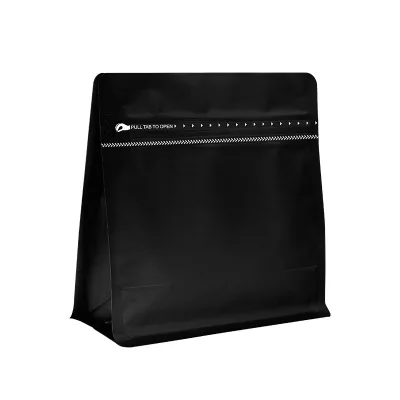


Custom Stand up Pouch Flat Bottom Coffee Bean Bag Valve Coffee Bag Zipper
$0.05 - $0.11
MOQ: 100 Pieces


Plastic Packaging Flat Bottom Pouch with Valve Ziplock Coffee Bean Powder Bags
$0.04 - $0.08
MOQ: 10000 Pieces

Comprehensive Sourcing Guide
Strategic Sourcing Guide for Coffee Bean Pouches
The global demand for specialty coffee has driven a parallel surge in the need for high-performance packaging solutions that preserve aroma, flavor, and freshness. For procurement professionals, the Coffee Bean Pouch represents a critical component of the supply chain, requiring a balance between technical functionality, regulatory compliance, and cost efficiency. This guide synthesizes available market data to provide a structured approach for sourcing coffee bean pouches, focusing on material integrity, customization capabilities, and supplier evaluation criteria.
Technical Specifications and Material Composition
The foundation of a successful coffee pouch lies in its material composition and structural design. Based on current market offerings, the raw materials for these packaging solutions typically include a combination of PET (Polyethylene Terephthalate), Aluminum (Al), and PE (Polyethylene). This multi-layer structure is essential for creating a high-barrier environment that protects coffee beans from oxygen, moisture, and light, which are the primary enemies of coffee quality. The inclusion of aluminum layers specifically enhances the barrier properties, ensuring that the volatile aromatic compounds within the beans remain intact during transit and storage.
In terms of physical specifications, the industry offers significant flexibility. Buyers should expect to find products with customized thicknesses and dimensions to suit various bean volumes. Standard models observed in the market include specific designations such as XH6601 and 801, which often correspond to specific bag styles like square bottom bags or upright bags. The square bottom configuration is particularly notable for its ability to stand upright on retail shelves, maximizing display space and providing a premium aesthetic. Conversely, the upright bag style offers a modern look with a convenient resealable feature, often utilizing a zipper or heat-sealing mechanism.
The sealing method is another critical technical parameter. Heat-sealing is the predominant process used to ensure an airtight closure, which is vital for maintaining the freshness of the product. Some suppliers also offer gravure printing capabilities, allowing for high-quality branding with up to 10 colors. This printing method ensures that the vibrant designs required for coffee marketing are reproduced with high fidelity. Furthermore, the transparency of the bag can be a key differentiator; while some pouches are fully opaque to block light, others offer transparent windows to allow customers to inspect the bean quality before purchase.
Compliance, Certification, and Food Safety Standards
When sourcing packaging for food products, particularly those intended for human consumption like coffee, regulatory compliance is non-negotiable. The primary concern is ensuring that the materials used are food-grade and do not leach harmful substances into the product. Market data indicates that many suppliers explicitly state their products meet food-grade standards, a prerequisite for any serious procurement operation.
Certification verification is a crucial step in the supplier evaluation process. Buyers should look for suppliers who hold recognized international certifications such as ISO (International Organization for Standardization) and BRC (British Retail Consortium). These certifications demonstrate that the manufacturer adheres to rigorous quality management systems and food safety protocols. The presence of these certifications reduces the risk of supply chain disruptions due to regulatory non-compliance and provides assurance to end consumers regarding the safety of the packaging.
Additionally, the environmental impact of the packaging is increasingly a compliance factor in many regions. Features such as recyclability and bio-degradability are becoming standard expectations. While the core material often involves plastic layers for barrier protection, suppliers are increasingly offering options that are bio-degradable or recyclable. Buyers must verify these claims through documentation, as "bio-degradable" can refer to various standards depending on the region. It is essential to confirm that the specific pouch model meets the local disposal regulations of the target market.
Cost Drivers and Pricing Dynamics
Understanding the cost structure of coffee bean pouches is essential for budgeting and negotiating effectively. The price of these packaging solutions is influenced by several variables, including material costs, customization complexity, and order volume. The observed price range in the market varies significantly, with unit costs ranging from $0.01 to $0.35. This wide disparity is largely driven by the thickness of the material, the number of layers, and the complexity of the printing process.
Order Volume is perhaps the most significant cost driver. Minimum Order Quantities (MOQ) typically range from 100 to 30,000 units, with a common baseline of 10,000 pieces for many standard configurations. Higher volumes generally result in lower per-unit costs due to economies of scale in production and material purchasing. However, buyers must balance the need for lower unit costs with inventory holding costs. For startups or those testing new blends, suppliers offering lower MOQs are preferable, even if the per-unit cost is slightly higher.
Customization is another major factor affecting price. While standard pouches are available at lower price points, custom designs involving specific shapes, sizes, and multi-color gravure printing will incur additional tooling and setup costs. The inclusion of features like zippers, degassing valves, or specific sealing mechanisms also adds to the overall cost. Buyers should request detailed quotations that break down these variables to understand the true cost drivers. Additionally, the price term, such as CIF (Cost, Insurance, and Freight) or FOB (Free on Board) Jiangmen, will impact the final landed cost, depending on the buyer's location and logistics capabilities.
Typical Applications and Functional Versatility
Coffee bean pouches are designed to serve a wide array of applications beyond just retail coffee sales. The versatility of these packaging solutions allows them to be adapted for various product categories. While the primary application is clearly identified as coffee packaging, the same pouch structures are frequently utilized for food packaging, cosmetic packaging, and gift packaging. The material properties, such as moisture proofing and shock resistance, make them suitable for a broad spectrum of dry goods.
The functional versatility extends to the bag variety. Options include plastic bags, square bottom bags, and upright bags, each serving different logistical and aesthetic needs. For instance, square bottom bags are ideal for heavy beans and retail display, while upright bags with resealable features are perfect for consumer convenience and repeated use. Some suppliers even offer "Your Bag" variety options, allowing for highly specific customizations that cater to unique brand identities.
Furthermore, the application extends to daily necessities packaging, indicating that the robust nature of these pouches can support a variety of dry food items. The ability to customize the design and size means that a single supplier can often provide packaging for multiple product lines, streamlining the procurement process. This flexibility is particularly valuable for companies expanding their product portfolios or those looking to consolidate their packaging suppliers.
Supplier Evaluation and Quality Control
Selecting the right supplier requires a rigorous evaluation process that goes beyond price comparisons. Buyers should prioritize suppliers with a proven track record in the specific niche of coffee packaging. Key indicators of a reliable supplier include their location, production capacity, and adherence to delivery timelines. Many top-tier suppliers are located in manufacturing hubs such as Wenzhou, China, which is known for its robust packaging industry infrastructure.
Quality control is paramount. Buyers must verify that the supplier implements strict quality assurance measures throughout the production process. This includes checking for consistent sealing integrity, accurate printing registration, and the absence of defects such as pinholes or weak seals. The supplier should be able to provide test results or quality reports that confirm the bag's ability to withstand handling, shipping, and storage conditions. Features like antistatic properties and shock resistance are critical for preventing damage during transit, especially for fragile coffee beans.
Communication and service capabilities are also vital. A good supplier should offer design services, allowing buyers to bring their custom requirements to life. The ability to provide samples before mass production is a strong indicator of a supplier's confidence in their quality and their commitment to customer satisfaction. Additionally, the supplier's responsiveness to inquiries and their willingness to discuss technical specifications can be a proxy for their overall reliability.
Long-Term Procurement Considerations
Sourcing coffee bean pouches is not merely a transactional activity but a strategic partnership that impacts the brand's long-term success. Buyers should consider the scalability of the supplier's operations. As the business grows, the supplier must be able to increase production capacity without compromising quality or delivery times. The typical delivery time for these products is usually between 10 to 15 days, but this can vary based on order complexity and current demand.
Sustainability is a growing consideration for long-term procurement. Buyers should evaluate the supplier's commitment to environmental responsibility, including the use of recyclable and bio-degradable materials. The market is shifting towards more sustainable packaging solutions, and suppliers who can offer eco-friendly options without sacrificing performance will be better positioned for future success. Additionally, the ability to customize packaging for different markets, such as varying sizes or labeling requirements, is crucial for global expansion.
Finally, the logistics and packaging of the finished goods should be considered. Suppliers often use carton packing, sometimes with palletization, to ensure safe transport. Understanding the standard packing dimensions, such as 70cm30cm50cm, helps in planning warehouse space and shipping logistics. By focusing on these long-term factors, buyers can build a resilient supply chain that supports their brand's growth and adapts to changing market demands.
FAQs
What materials are used for coffee bean pouches?
Coffee bean pouches typically use a multi-layer structure of PET, Aluminum, and PE to ensure high barrier protection. This combination effectively blocks oxygen, moisture, and light to preserve coffee freshness. Some options also include PP or PE layers for specific customization needs.
Can I get custom sizes and shapes for these bags?
Yes, customization is available for thickness, dimensions, and bag styles like square bottom or upright pouches. Suppliers offer design services to meet specific demand, allowing for unique shapes and sizes tailored to your product volume and branding requirements.
What certifications do the manufacturers hold?
Manufacturers often hold ISO and BRC certifications to ensure compliance with food safety and quality management standards. These credentials verify that the materials are food-grade and suitable for packaging consumables like coffee beans without leaching harmful substances.
How long is the typical delivery time for orders?
The usual delivery time for these packaging solutions is between 10 to 15 days. This timeline applies to standard orders, though complex customizations or large volumes may require adjusted scheduling depending on the specific factory capacity and current demand.
What is the minimum order quantity for these bags?
The minimum order quantity typically starts at 10,000 pieces for standard configurations. However, market observations show a broader range from 100 to 30,000 units, allowing flexibility for different business sizes and inventory strategies.
Are these bags suitable for food packaging applications?
Yes, the materials used are explicitly stated as food-grade and suitable for food packaging applications. They also feature moisture-proof and shock-resistant properties, making them versatile for coffee, daily necessities, and other dry goods.
What printing methods are available for branding?
Gravure printing is the predominant method used, allowing for high-quality branding with up to 10 colors. This technique ensures vibrant designs are reproduced with fidelity, and suppliers can accept customized logo printing to meet specific marketing needs.