Source Color Preserving Four-leaf Clover Necklace for Gifts, Fashion, and Events
Find and compare 30 listings for the Color Preserving Four-leaf Clover Necklace, featuring options in gold, silver, and rhodium plating. Buyers can evaluate specifications such as brass or stainless steel materials, pendant shapes, and customization availability to select the best fit for their sourcing needs.
Key considerations
Products List


Four-Leaf Clover Necklace Pendant Clavicle Chain Stainless Steel Necklace
$1.58 - $2.10
MOQ: 499 Pieces


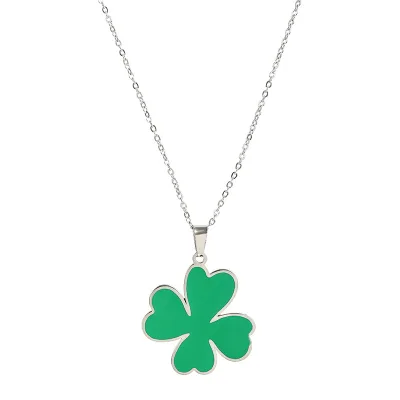
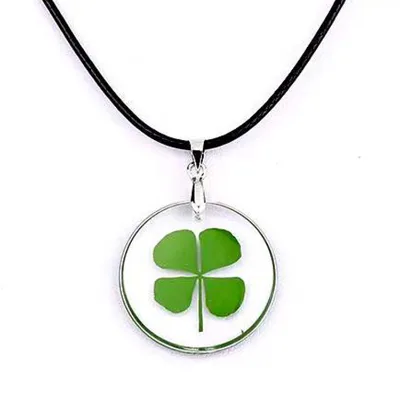


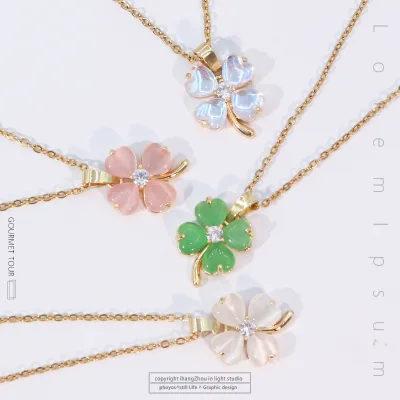


Fashionable and Sophisticated Four-Leaf Clover Titanium Steel Necklace for Women
$0.59 - $1.99
MOQ: 200 Pieces

New Style Smooth Four-Leaf Clover Pendant Titanium Steel Necklace for Women.
$0.59 - $1.99
MOQ: 200 Pieces


Best Selling Necklace Female Niche Design Ins Style Rotating Four-Leaf Clover Pendant
$0.80 - $0.90
MOQ: 1150 Pieces

Comprehensive Sourcing Guide
Color Preserving Four-leaf Clover Necklace Sourcing Guide
Sourcing a color-preserving four leaf clover necklace requires a nuanced understanding of materials science, plating durability, and supply chain transparency. The four-leaf clover is a widely recognized symbol of luck and fortune, making it a perennial favorite in the fashion jewelry sector. However, the term "color preserving" is not a standardized industry metric but rather a marketing descriptor that implies superior surface treatment and material integrity. Buyers must look beyond aesthetic appeal to verify the underlying metallurgy and coating processes that prevent tarnishing, fading, or skin irritation. This guide provides a structured approach to evaluating suppliers, verifying technical claims, and mitigating procurement risks associated with this specific jewelry category.
The procurement landscape for fashion jewelry is characterized by high volume, low unit cost, and rapid style turnover. Suppliers often operate in manufacturing hubs such as Guangzhou and Guangdong in China, leveraging established ecosystems for alloy casting, plating, and assembly. While the entry barrier for suppliers is low, the barrier for consistent quality is significantly higher. Buyers must distinguish between generic alloy pieces with thin gold plating and higher-end items that utilize stainless steel or brass with rhodium plating to achieve the desired longevity. Understanding these material distinctions is critical for aligning product offerings with target market expectations for durability and hypoallergenic properties.
Product Scope and Observed Listing Signals
The observed market signals indicate a diverse range of product attributes, with prices typically ranging from $0.35 to $20 USD and minimum order quantities (MOQs) varying from 1 to 1,150 units. This wide variance suggests a fragmented supplier base catering to both small-batch boutique orders and large-scale retail distribution. Listings frequently highlight customization options, including OEM/ODM services and customized logos, which are essential for brands seeking to differentiate their offerings. The presence of "competitive factory price" and "high quality" as standard attributes requires careful verification, as these terms are often used generically without substantive backing. Buyers should interpret these claims as starting points for negotiation and due diligence rather than guaranteed specifications.
Material composition is a primary differentiator in this category, with observed listings specifying materials such as stainless steel, alloy, and brass with rhodium plating. The plating options observed include gold, silver, and rhodium, each offering distinct aesthetic and protective qualities. For instance, rhodium plating is known for its hardness and resistance to tarnish, making it a superior choice for "color-preserving" claims compared to standard gold plating on base alloys. Additionally, pendant shapes observed include hearts, crosses, circles, flowers, stars, and rounds, indicating that the four-leaf clover design is part of a broader portfolio. Buyers must ensure that the specific clover design they intend to source is explicitly confirmed, as generic listings may not reflect the exact SKU required for their inventory.
Technical Specifications to Verify
Length and dimension specifications vary across listings, with observed lengths including 40cm, 45cm, 60cm, and 20 inches, as well as chain extensions like 50cm+6cm or 45cm+5cm. These variations cater to different neck sizes and style preferences, from chokers to longer pendant styles. The weight of items also varies, with some listings noting a weight of 32g, which may indicate a heavier, more substantial piece compared to lightweight alloy alternatives. Buyers must verify the exact chain length, pendant size, and total weight for each SKU to ensure consistency in their product catalog and to accurately calculate shipping costs. Discrepancies in these specifications can lead to customer dissatisfaction and increased return rates.
Model numbers such as MP0509, MP0391, and MP0390, along with B109, serve as unique identifiers for specific product configurations. These codes are essential for precise communication with suppliers and for tracking inventory. The standard packaging is often described as OPP bags packed into cartons, which is a cost-effective solution for bulk shipping but may require additional branding or protective packaging for retail-ready products. Buyers should confirm whether the packaging includes individual polybags, gift boxes, or hang tags, as these elements significantly impact the perceived value of the product. Additionally, sample times are noted as 3 days for stock items and 15 days for customized orders, which should be factored into lead time planning and launch schedules.
Compliance and Safety Documentation
Safety and regulatory compliance are paramount in the fashion jewelry industry, particularly when dealing with metals that come into direct contact with skin. While specific certification statuses are not provided in the observed data, buyers must proactively request documentation such as REACH compliance for the European market, CPSIA compliance for the United States, and RoHS certification to ensure the absence of hazardous substances like lead, cadmium, and nickel. The use of stainless steel or brass with rhodium plating generally offers better safety profiles than base alloys, but verification is still necessary. Buyers should insist on third-party test reports from accredited laboratories to confirm that the plating thickness and material composition meet international safety standards.
Hypoallergenic properties are a key selling point for many consumers, especially those with sensitive skin. The "high quality" and "high-end" attributes observed in listings suggest that some suppliers may offer nickel-free options, but this must be explicitly confirmed. Buyers should inquire about the specific alloy composition and plating process to ensure that the product does not contain common allergens. Additionally, the "color preserving" claim implies a durable finish that resists corrosion, which is also a safety consideration as flaking plating can cause skin irritation. Documentation should include material safety data sheets (MSDS) and declarations of conformity to provide legal protection and build consumer trust.
Cost Drivers and Commercial Terms
The cost of a color-preserving four leaf clover necklace is influenced by several factors, including the base material, plating thickness, and customization requirements. Stainless steel and brass with rhodium plating are typically more expensive than standard alloy pieces due to the higher cost of raw materials and the complexity of the plating process. Customization, such as adding a customized logo or specific packaging, adds to the unit cost and may increase the MOQ. Buyers should negotiate based on volume tiers, as observed MOQs range from 50 sets to 1,150 units, allowing for flexibility in order sizing. Understanding the cost structure helps in setting appropriate retail prices and maintaining healthy profit margins.
Payment terms and shipping methods are critical components of the commercial agreement. Observed payment options include T/T (Telegraphic Transfer) and PayPal, which offer different levels of security and convenience for both buyers and suppliers. T/T is commonly used for larger orders, while PayPal may be suitable for smaller sample orders or initial trials. Shipping methods mentioned include DHL and agents for other express services, which provide fast delivery but at a higher cost. Buyers should clarify who bears the shipping costs and whether duties and taxes are included in the quoted price. Clear commercial terms help avoid unexpected expenses and ensure a smooth transaction process.
Supplier Qualification and Quality Control
Supplier qualification involves assessing the manufacturer's capabilities, production capacity, and quality management systems. Buyers should verify the supplier's location, with Guangzhou and Guangdong being common hubs for jewelry manufacturing, and inquire about their factory size and workforce. The ability to handle OEM/ODM requests indicates a level of flexibility and technical expertise. Buyers should request references or case studies from previous clients to gauge the supplier's reliability and consistency. Additionally, understanding the sample time and production lead times is essential for planning inventory replenishment and meeting market demand.
Quality control measures should be established before placing large orders. Buyers should implement a pre-production sample approval process to verify material, color, and craftsmanship. During production, random inspections or third-party quality audits can help identify and rectify defects early. The observed "high quality" and "high-end" attributes should be validated through physical inspection of finished goods, checking for plating uniformity, clasp strength, and pendant attachment security. Establishing clear quality standards and acceptance criteria in the purchase agreement ensures that the supplier is accountable for delivering products that meet the buyer's expectations.
Long-Term Procurement Checks
Long-term procurement success depends on continuous monitoring of supplier performance and market trends. Buyers should regularly review supplier delivery times, product quality, and responsiveness to issues. Building a strong relationship with a reliable supplier can lead to better pricing, priority production, and access to new designs. Additionally, staying informed about changes in regulations and consumer preferences is crucial for maintaining compliance and relevance. The fashion jewelry market is dynamic, with trends shifting rapidly, so buyers must be agile in adjusting their product offerings and sourcing strategies.
Sustainability and ethical sourcing are increasingly important considerations for modern consumers. Buyers should inquire about the supplier's environmental practices, such as waste management and energy usage, and their commitment to ethical labor standards. While not explicitly detailed in the observed data, these factors can enhance brand reputation and appeal to a growing segment of conscious consumers. By integrating sustainability into their procurement strategy, buyers can differentiate their brand and build long-term loyalty. Regularly reassessing the supply chain for risks and opportunities ensures resilience and adaptability in a competitive market.
FAQs
What materials are used for the necklaces?
The necklaces are crafted from stainless steel and alloy materials. Some products feature brass with rhodium plating to ensure durability and a high-end finish suitable for fashion decoration.
Can I customize the logo on the jewelry?
Yes, customized logos are available for these fashion items. OEM and ODM services are acceptable, allowing buyers to personalize the product with their own branding for unique market offerings.
What is the minimum order quantity for these items?
The minimum order quantity varies by product, ranging from 50 sets to 1150 units. Specific listings show MOQs of 50 pieces or 50 sets depending on the specific model and customization requirements.
How long does it take to receive samples?
Sample time is three days for stock items and fifteen days for customized orders. This allows buyers to quickly verify quality before committing to larger production runs with competitive factory pricing.
Which pendant shapes are available for this collection?
Available pendant shapes include heart, cross, circle, flower, star, and round designs. These shapes are offered in silver and gold plating options to suit various fashion styles and customer preferences.
Where are these products manufactured?
The products originate from Guangzhou and Guangdong, China. This location supports efficient shipping methods including DHL and other express agents to ensure timely delivery for international buyers.