Source Comic Book for School, Gift, and Promotion
Compare 30 Comic Book options with hard and soft covers, various binding methods like thread stitching and perfect binding, and custom printing services. Buyers can evaluate different sizes, paper types, and surface finishes to find the right product for school, gift, or promotion needs.
Key considerations
Products List


Story Picture Book Comic Book Magazine Catalog Textbook Printing Factory
$0.50 - $0.90
MOQ: 500 pieces


Custom Hardcover New Design Children Board/Comic Book Printing Educational Book
$0.35 - $1.20
MOQ: 300 pieces


Factory Price Hardcover Book Printing Children Comic Story Book Baby Board Book
$0.50 - $2.50
MOQ: 500 Pieces


Publishing Cardboard Books Printing Service Children Book Printing Services
$0.50 - $2.50
MOQ: 500 Pieces
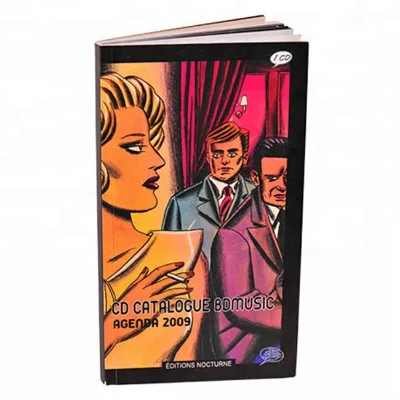
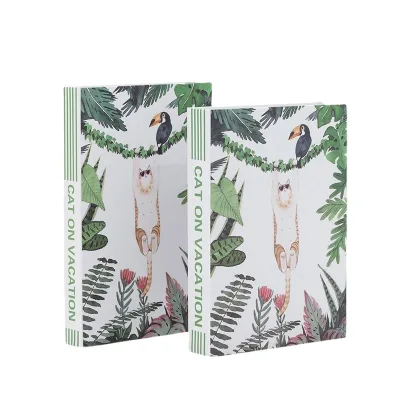
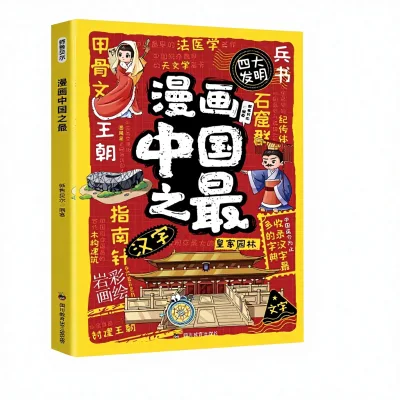


Comprehensive Sourcing Guide
Strategic Sourcing Guide for Comic Book Procurement
Navigating the global market for comic books requires a nuanced understanding of manufacturing variations, binding integrity, and finish specifications that directly impact the durability and aesthetic appeal of the final product. While the core keyword suggests a specific genre, the procurement landscape for comic books is defined by a complex matrix of paper types, binding methods, and surface treatments. Buyers must distinguish between standard paperback formats and hardcover editions, as the supply chain for each involves distinct material requirements and production processes. This guide synthesizes available product attributes and industry standards to provide a framework for evaluating potential suppliers and ensuring the delivery of high-quality Comic Book products that meet specific operational and retail requirements.
Technical Specifications and Material Selection
The foundation of a successful Comic Book procurement strategy lies in the precise definition of technical specifications. The physical attributes of the product, such as paper type, cover material, and binding method, are not merely aesthetic choices but critical determinants of the product's lifecycle. In the current market, comic books are frequently produced using offset paper or art paper, each offering distinct advantages regarding print fidelity and structural rigidity. Offset paper is often selected for its cost-effectiveness and smooth printing surface, while art paper provides a higher gloss and better color reproduction, which is essential for the vibrant artwork typical of the genre.
Cover construction varies significantly between hardcover and softcover editions. Hard cover options typically utilize hard paper or corrugated materials to ensure the book maintains its shape and protects the inner pages from wear. In contrast, soft cover variants rely on flexible materials that may be finished with film lamination or varnishing to enhance durability. The binding method is equally critical; thread stitching and sewing binding are preferred for high-quality comic books as they allow the book to lay flat and withstand repeated handling. Conversely, perfect binding is common for mass-market paperbacks but may compromise longevity if the adhesive quality is insufficient. Buyers should verify that the supplier offers a range of binding options, including thread stitching and sewing binding, to accommodate different quality tiers.
Furthermore, the dimensions of the Comic Book must be clearly defined. Standard sizes often align with industry norms such as 180x180mm or 297x210mm, though custom dimensions are increasingly available to meet specific branding needs. The number of inner pages also plays a role in the manufacturing process; products with fewer than 40 sheets may require different binding techniques compared to thicker volumes. The model numbers associated with these specifications, such as HC-64-05 or E056, serve as unique identifiers for specific product configurations, allowing buyers to track exact production runs and ensure consistency across orders.
Surface Finishes and Printing Technologies
The visual presentation of a Comic Book is paramount, and the choice of printing technology and surface finish directly influences the perceived value and marketability of the product. Offset printing remains the industry standard for large-volume runs, offering consistent color registration and high-speed production capabilities. However, digital printing has emerged as a viable alternative for smaller batches or customized editions, providing flexibility in design changes without the high setup costs associated with offset processes. Flexographic printing is another option, particularly suitable for specific packaging or specialized cover applications, though it is less common for the main content pages of comic books.
Surface finishes add a layer of protection and aesthetic appeal that can differentiate a product in a crowded marketplace. Film lamination is a widely used process that provides a durable, moisture-resistant coating, available in both matte and glossy finishes. Matte finishes offer a sophisticated, non-reflective look that reduces glare, while glossy finishes enhance color vibrancy and provide a premium feel. Additional finishing processes such as UV coating, gold stamping, embossing, debossing, and laser engraving can be applied to create tactile and visual highlights on the cover. These techniques are particularly effective for logos, titles, and key artwork elements, adding a sense of luxury and exclusivity to the Comic Book.
The color output is another critical specification. Standard production often utilizes a 4c/4c color configuration, ensuring full-color printing on both sides of the paper. For buyers seeking unique visual identities, customized patterns and logos are available, allowing for a high degree of personalization. The ability to apply customized logos and patterns is a key differentiator for promotional comic books or limited edition releases. Buyers must ensure that the supplier has the technical capability to execute these complex finishes without compromising the structural integrity of the book or the clarity of the printed images.
Compliance, Certification, and Quality Assurance
While the Comic Book industry does not always mandate specific regulatory certifications for the product itself, compliance with international standards for paper safety and printing inks is essential for global distribution. Buyers should verify that the paper types used, such as offset paper or art paper, meet relevant environmental and safety standards, particularly regarding the use of recycled materials and the absence of harmful chemicals. Although specific certification names are not universally mandated, the origin of the product, often from regions like China or Fujian, implies adherence to local manufacturing standards that should be cross-referenced with the buyer's target market regulations.
Quality assurance processes must be rigorous to ensure consistency across large production runs. The production standard, whether fixed at 180x180mm or customizable, must be strictly maintained to prevent size discrepancies that could affect packaging and retail display. The use of corrugated boxes for packing, either as a single layer or within a larger carton box, is a standard practice to protect the books during transit. Buyers should request evidence of quality control checks at various stages of production, including pre-press, during printing, and post-binding. The sample time, typically ranging from 5 to 7 days, offers an opportunity to evaluate the physical quality of the product before committing to a full order.
Additionally, the availability of free stocked samples allows buyers to assess the actual quality of the materials and finishes. This is a crucial step in the procurement process, as it enables a hands-on evaluation of the binding strength, paper texture, and print quality. Buyers should use these samples to test the durability of the Comic Book under simulated usage conditions, ensuring that the thread stitching or perfect binding holds up to repeated opening and closing. The absence of a lock mechanism in the product design is a standard feature for comic books, but the overall structural integrity must be verified to prevent pages from detaching.
Cost Drivers and Pricing Dynamics
Understanding the cost drivers in Comic Book manufacturing is essential for budgeting and negotiating effectively with suppliers. The primary factors influencing price include the type of paper used, the complexity of the binding method, and the extent of surface finishing. Hard cover editions with thread stitching and multiple finishing processes like gold stamping or embossing will naturally command a higher price point compared to soft cover editions with perfect binding and simple lamination. The observed price range in the market, spanning from $0.22 to $17.64, reflects the vast diversity in product specifications and order volumes.
Minimum Order Quantities (MOQ) also play a significant role in cost dynamics. The observed MOQ range of 1 to 1000 units indicates that suppliers cater to both small-scale custom orders and large-volume commercial runs. Lower MOQs are typically associated with digital printing and custom designs, while higher volumes allow for economies of scale in offset printing and binding. Buyers should carefully balance their order quantity against their budget constraints, considering that larger orders may reduce the unit cost but increase the total capital outlay. The packaging method, whether a simple box or a corrugated carton, also adds to the overall cost and should be factored into the total landed cost calculation.
Lead times and sample availability are additional cost considerations. A sample time of 5 to 7 days suggests a relatively efficient production cycle, but bulk orders may require longer lead times depending on the complexity of the customization and the supplier's current workload. Buyers should factor in these timelines when planning product launches or promotional campaigns to avoid delays. The origin of the product, often from China or Fujian, can influence shipping costs and import duties, which must be included in the total cost analysis.
Supplier Evaluation and Long-Term Procurement
Selecting the right supplier is a critical step in the procurement process, requiring a thorough evaluation of their capabilities, reliability, and commitment to quality. Buyers should prioritize suppliers who demonstrate flexibility in customization, offering options for different binding methods, paper types, and surface finishes. The ability to produce custom models, such as the HC-64-05 or E056, indicates a supplier's capacity to meet specific design requirements. Additionally, suppliers with a proven track record in producing comic books for various applications, including pocket, gift, promotion, and school use, are likely to have the necessary expertise and infrastructure.
Long-term procurement considerations involve building a sustainable relationship with suppliers who can scale production as demand grows. Buyers should assess the supplier's capacity to handle large orders while maintaining consistent quality and adhering to delivery schedules. The availability of different packing options, such as corrugated boxes or carton boxes, suggests a supplier's ability to adapt to different logistical needs. Furthermore, the supplier's location, whether in China or specific regions like Fuzhou, can impact shipping efficiency and communication.
To ensure long-term success, buyers should establish clear communication channels and define quality expectations upfront. Regular audits and quality checks during the production process can help identify and address issues before they escalate. The ability to provide free stocked samples and a reasonable sample time of 5 to 7 days indicates a supplier's confidence in their product quality and their willingness to engage with potential buyers. By focusing on these key factors, buyers can secure a reliable supply chain that supports their business objectives and delivers high-quality comic books that meet the expectations of their target audience.
Typical Applications and Market Segmentation
The versatility of comic books makes them suitable for a wide range of applications, from personal reading to corporate promotions and educational purposes. The observed usage categories, including pocket, gift, promotion, and school, highlight the diverse market segments that comic books can serve. Pocket-sized editions are ideal for casual readers and travelers, offering portability and convenience. Gift editions, often featuring hard covers and premium finishes, are designed for special occasions and collectors, emphasizing aesthetic appeal and durability.
Promotional comic books are increasingly popular as marketing tools, allowing brands to engage with audiences through storytelling and visual content. These editions often feature customized logos and patterns, making them effective for brand awareness and customer engagement. School editions, on the other hand, focus on educational content and durability, requiring robust binding and high-quality paper to withstand frequent handling by students. The ability to customize the product model, such as the ZTCP or JUHUI2481203, allows suppliers to tailor the Comic Book to the specific needs of each application.
Understanding the target market and its specific requirements is essential for successful procurement. Buyers should analyze the preferences of their intended audience, considering factors such as size, binding, and finish. For instance, a promotional campaign might benefit from a glossy finish and a custom logo, while a school edition might prioritize thread stitching and a matte finish for readability. By aligning the product specifications with the intended application, buyers can maximize the impact and effectiveness of their Comic Book procurement strategy.
FAQs
What binding methods are available for comic books?
Thread stitching and sewing binding are available options for comic books. These methods ensure durability and allow the book to lay flat. Some products also offer perfect binding for mass-market paperback styles.
Can I get free samples of Comic Book products?
Free stocked samples are available for evaluation. The sample time typically ranges from 5 to 7 days. This allows buyers to verify material quality and print fidelity before placing a larger order.
What paper types are used for Comic Book production?
Offset paper and art paper are commonly used for comic books. Offset paper offers cost-effectiveness while art paper provides better color reproduction. The choice depends on the desired print quality and budget constraints.
Which surface finishes can be applied to Comic Book covers?
Film lamination, UV coating, gold stamping, and embossing are available surface finishes. These can be applied in matte or glossy options. Additional processes like laser engraving enhance the visual appeal and durability of the cover.
What are the standard sizes for comic books?
Standard sizes include 180x180mm and 297x210mm formats. Custom dimensions are also available to meet specific branding needs. The size selection impacts the overall production process and packaging requirements.
How are comic books packed for shipping?
Products are packed in corrugated boxes or carton boxes. This packaging protects the books during transit. The packing method ensures the structural integrity of the comic books is maintained until they reach the buyer.
What customization options exist for Comic Book logos?
Customized logos and patterns are available for comic books. Buyers can specify unique designs to differentiate their products. This customization is suitable for promotional items or limited edition releases.