Source Commercial Electric Nut Chopper Machine for Chocolate, Biscuit, Vegetables
Explore 30 listings for the Commercial Electric Nut Chopper Machine suitable for chocolate, biscuit, and vegetable processing. Buyers can compare specifications like power, capacity, and dimensions to find the right sorter, cutter, or grinder for their needs.
Key considerations
Products List

Commercial Nut Peanut Almond Chopper Groundnut Particle Chopping Machine
$3500.00 - $5500.00
MOQ: 1 set


Commercial Walnut Almond Crusher Slicing Machine Nut Chopper Machine
$1550.00 - $1650.00
MOQ: 1 Pieces


Commercial Vegetable Cutting Machine Lettuce Chopper Parsley Chopping Machine
$200.00 - $1200.00
MOQ: 1 Pieces

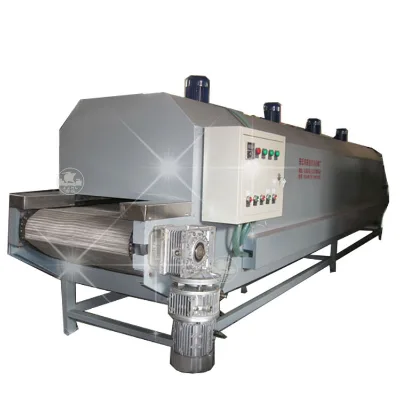


Nut Chopper / Hazelnut Powder Cutting Machine / Peanut Cutting Machine
$2265.00 - $2945.00
MOQ: 1 Sets


Electric Macadamia Nuts Chopper Machine Nut Cracker Machine Saw Machine for Nuts
$2800.00 - $2950.00
MOQ: 1 Pieces
Comprehensive Sourcing Guide
Strategic Sourcing Guide for Commercial Electric Nut Chopper Machines
Understanding the Technical Landscape of Nut Processing Equipment
When sourcing a Commercial Electric Nut Chopper Machine, buyers must first navigate a complex array of technical specifications that define operational capability. The market offers a diverse range of machinery, from high-capacity automatic grinders to specialized sorters and cutters. A primary observation in the current product landscape is the variation in power consumption, which directly correlates with throughput and motor durability. Available units in the sector demonstrate power ratings ranging from 1.5KW to 7.5KW, with specific models identified as having a 2.2KW rating. This variance suggests that procurement decisions should be driven by the specific volume requirements of the production line rather than a one-size-fits-all approach.
The physical dimensions of the machinery are equally critical for facility planning. Observed standard dimensions for these units vary significantly, with some models measuring approximately 1.6 meters by 0.8 meters by 1.5 meters, while others are compact at 0.7 meters by 1.25 meters by 0.9 meters. Larger industrial units may reach dimensions of 2.86 meters by 0.8 meters by 1.4 meters. Buyers must verify that their facility floor space can accommodate these specific footprints before finalizing a purchase. Furthermore, the weight of the equipment is a key logistical factor, with observed units ranging from 450kg to 650kg. This weight influences the need for reinforced flooring or specialized transport equipment during installation.
Material composition is another non-negotiable technical attribute for food processing equipment. The dominant material observed in this category is stainless steel, which is essential for maintaining hygiene standards and resisting corrosion in food environments. The automatic grade of the machinery also varies; while many commercial units are designed for automatic operation, some manual grades are still present in the market. Understanding the distinction between automatic and manual operation is vital, as it dictates the level of labor required and the consistency of the output. The voltage requirements typically align with standard industrial power supplies, with 220V being a common specification, though this must be verified against local grid standards.
Compliance, Certification, and Regulatory Verification
Navigating the compliance landscape for commercial nut processing equipment requires a rigorous approach to certification verification. While the market often references international standards, the specific certification status of individual units can vary. Some products are listed with "ISOCustomized" or "Non-Customized" certification statuses, indicating that compliance is often a variable attribute dependent on the specific configuration ordered. Buyers should not assume that a machine listed with a general certification label automatically meets the specific regulatory requirements of their target export market or local jurisdiction.
The presence of "CE" as a background reference in industry data suggests that European conformity is a common expectation, yet it should be treated as a verification point rather than a guaranteed attribute for every listed product. Procurement teams must request explicit documentation proving that the specific unit being purchased has undergone the necessary testing for electrical safety, mechanical integrity, and food contact material compliance. The "Customized" attribute frequently appearing in product descriptions implies that certification can be tailored to specific buyer needs, but this customization must be contractually binding.
In addition to electrical and mechanical certifications, the origin of the machinery plays a role in regulatory compliance. A significant portion of the observed supply originates from China, with specific manufacturing hubs identified in Zhengzhou. While this location is a major production center, it necessitates a thorough review of the supplier's ability to provide valid export documentation and adherence to the importing country's food safety regulations. Buyers should verify that the "Wooden Case" or "Wooden Packing Box" used for shipping meets international phytosanitary standards to prevent delays at customs.
Cost Drivers and Pricing Structure Analysis
The pricing structure for commercial electric nut chopper machines is highly dynamic, influenced by a wide spectrum of factors including power rating, material quality, and customization levels. The observed price range in the market spans from $8.6 to $5,500, a disparity that reflects the difference between small-scale manual units and large, fully automated industrial systems. This broad range indicates that cost is not merely a function of the machine's name but is deeply tied to its technical specifications and intended application.
Minimum Order Quantity (MOQ) is another significant cost driver. The market data shows an MOQ range from 1 to 800 units. For buyers seeking a single unit for a pilot line or small business, the lower end of this spectrum is accessible. However, for large-scale industrial procurement, the ability to negotiate lower per-unit costs often depends on meeting higher volume thresholds. The "Customized" nature of many units suggests that bespoke specifications may incur additional costs, potentially pushing the price toward the higher end of the observed range.
Capacity is a primary determinant of value. Units with a capacity of 500kg/Hour are distinct from those rated at 100-200kg/Hour. The higher capacity units, often associated with the 7.5KW power rating, naturally command a higher price point due to the increased material and engineering required to sustain such throughput. Buyers must calculate the cost per kilogram of processed nuts to determine the true economic efficiency of a machine, rather than focusing solely on the upfront purchase price. Additionally, the "High Efficiency Low Cost" feature observed in some listings suggests that certain models are optimized for energy consumption, which can reduce long-term operational expenses despite a potentially higher initial investment.
Typical Applications and Operational Versatility
Commercial electric nut chopper machines are designed to serve a variety of food processing applications, with the primary function being the grinding or cutting of raw materials. The observed applications for these machines extend beyond simple nut processing to include chocolate, vegetables, biscuits, and donuts. This versatility makes them valuable assets for facilities that process multiple product lines or require flexible production capabilities. The specific function of "Grinding Material" is central to the operation of nut crushers, while other models are designated as "Sorters" or "Cutters," indicating a specialization in different stages of the production workflow.
The application in chocolate processing is particularly notable, as it requires precise control over particle size and texture to ensure product quality. Similarly, the use of these machines for vegetable processing highlights their adaptability to different types of hard and soft materials. The "Commercial Nut Grinder" and "Nut Chopper Machine" labels often appear interchangeably, but the specific application context—whether for biscuit dough preparation or direct nut consumption—should guide the selection of the appropriate model. The "High Efficiency" and "Easy Operation" features observed in the market data suggest that these machines are engineered to minimize downtime and reduce the skill level required for operators, which is crucial for maintaining consistent production schedules.
Supplier Evaluation and Sourcing Strategy
Evaluating suppliers for commercial electric nut chopper machines requires a focus on their ability to deliver customized solutions and maintain consistent quality. The "Customized" attribute is prevalent, indicating that many suppliers are willing to tailor machines to specific buyer requirements. However, this flexibility must be balanced with a rigorous evaluation of the supplier's track record and technical expertise. Buyers should prioritize suppliers who can provide detailed technical drawings, clear specifications, and a transparent customization process.
The origin of the supplier is a critical factor in the evaluation process. With a significant number of units originating from Zhengzhou, China, buyers should verify the supplier's specific location and manufacturing capabilities. A supplier located in a known industrial hub may have better access to supply chains and skilled labor, but this should be confirmed through site audits or third-party verification. The "Wooden Case" and "Wooden Packing Box" specifications suggest that packaging is a standard part of the supplier's offering, but buyers should ensure that the packaging quality is sufficient to protect the machinery during international transit.
When assessing suppliers, the "Quality" attribute is paramount. Listings often claim "High-Quality" and "High Efficiency," but these are observations rather than guaranteed standards. Buyers must request evidence of these claims, such as customer testimonials, case studies, or third-party inspection reports. The "Advantage" of "Easy Operation" should be validated through video demonstrations or trial runs to ensure that the learning curve for operators is manageable.
Quality Control and Performance Verification
Implementing a robust quality control (QC) protocol is essential when sourcing commercial nut chopper machines. The observed specifications, such as working pressure ranges of 0.4-0.7MPa and specific voltage requirements, must be verified against the actual performance of the machine. Buyers should insist on pre-shipment inspections that test the machine's capacity, power consumption, and material output consistency. The "Automatic Grade" and "Manual Grade" distinctions must be confirmed to ensure the machine operates as expected in the intended production environment.
Performance verification should also include testing the machine's durability and safety features. The "Stainless Steel" construction should be inspected for thickness and weld quality to ensure it meets food safety standards. The "Weight" of the machine, ranging from 450kg to 650kg, should be verified to ensure that the unit is stable and safe during operation. Additionally, the "Heating" method, specified as "Electricity" in some models, should be tested for efficiency and safety to prevent overheating or electrical hazards.
Long-Term Procurement and Lifecycle Management
Long-term procurement considerations for commercial electric nut chopper machines extend beyond the initial purchase to include maintenance, spare parts availability, and lifecycle management. The "Customized" nature of many units means that spare parts may need to be specifically manufactured, which can impact lead times and costs. Buyers should negotiate service level agreements (SLAs) that guarantee the availability of critical components and technical support.
The "Capacity" of the machine, whether 500kg/Hour or 100-200kg/Hour, should be evaluated in the context of future production growth. A machine that is currently sufficient may become a bottleneck as demand increases, so scalability should be a key factor in the procurement decision. The "Power Source" being "Electric" implies a reliance on consistent power supply, so buyers should consider the potential for power fluctuations and the need for backup systems or voltage regulators.
Finally, the "Product Packing" and "Standard" dimensions should be considered in the context of future logistics and storage. A machine that requires a "Wooden Case" for shipping may also require similar protection for long-term storage or relocation. By planning for these long-term needs, buyers can ensure that their investment in commercial electric nut chopper machines remains productive and efficient throughout the equipment's lifecycle.
Comparative Analysis of Key Specifications
To assist buyers in making informed decisions, the following table summarizes the key technical specifications observed in the market for commercial electric nut chopper machines. This comparison highlights the variability in power, capacity, and dimensions, which are critical factors in the selection process.
| Specification | Observed Range / Value | Notes for Verification |
|---|---|---|
| Power Rating | 1.5KW - 7.5KW | Verify against local voltage (e.g., 220V) and energy costs. |
| Capacity | 100-200kg/H to 500kg/H | Match to production volume requirements; higher capacity often costs more. |
| Dimensions | 0.7x1.25x0.9m to 2.86x0.8x1.4m | Ensure facility floor space accommodates the largest models. |
| Weight | 450kg - 650kg | Check floor load capacity and transport requirements. |
| Material | Stainless Steel | Confirm grade and thickness for food safety compliance. |
| Operation Mode | Automatic / Manual | Determine labor requirements and automation level needed. |
| Packing | Wooden Case / Wooden Box | Verify phytosanitary compliance for international shipping. |
| Working Pressure | 0.4-0.7MPa | Relevant for pneumatic systems; verify compatibility with plant air supply. |
This table serves as a reference point for buyers to compare different models and identify the specifications that align with their specific operational needs. By focusing on these core attributes, procurement teams can navigate the complex market of commercial electric nut chopper machines with confidence and precision.
FAQs
What power ratings are available for commercial electric nut chopper machines?
Available power ratings range from 1.5KW to 7.5KW, with some models rated at 2.2KW. The specific power requirement depends on the desired throughput capacity and the automatic grade of the machine selected for your production line.
Can these machines be customized for specific production needs?
Yes, customization is available for many units, including specific certifications and configurations. Buyers should verify that any customized features, such as voltage or capacity, are explicitly defined in the contract to ensure compliance with local standards.
Which dimensions and weights should I expect for these machines?
Dimensions vary significantly, with common sizes like 1.6x0.8x1.5 meters or 0.7x1.25x0.9 meters. Weights typically range from 450kg to 650kg, requiring reinforced flooring and careful logistics planning for installation and transport.
How is the material composition of these machines defined?
The dominant material observed is stainless steel, which ensures hygiene and corrosion resistance for food processing. This material choice is critical for maintaining safety standards when processing nuts, chocolate, or vegetables in commercial environments.
What capacity ranges do these machines offer for nut processing?
Capacity ranges from 100-200kg per hour for smaller units up to 500kg per hour for larger industrial models. The higher capacity units often correlate with higher power ratings like 7.5KW and command a higher price point.
Can I find machines with specific certification statuses like ISO?
Certification statuses such as ISO or customized options are listed, but they vary by specific unit configuration. Buyers must request explicit documentation to confirm that the specific machine meets the regulatory requirements of their target market.
What are the typical packaging methods for shipping these machines?
Machines are typically shipped in wooden cases or wooden packing boxes to ensure protection during transit. These packaging methods must comply with international phytosanitary standards to prevent delays at customs during international shipping.