Source Commercial Electric Incline Treadmills for Gyms, Hotels, and Clinics
Explore 30 Commercial Electric Incline Treadmills with adjustable slopes up to 20 degrees and speeds reaching 20 km/h. Buyers can compare specifications like motor power, belt width, and display types to find suitable equipment for fitness centers, hotels, and rehabilitation clinics.
Key considerations
Products List


$830.00 - $880.00
MOQ: 1 Pieces

Fitness Equipment Gym Equipment Commercial Treadmill Electric Treadmill
$900.00 - $1200.00
MOQ: 1 Pieces

Multi Function Motorized Electric Commercial Treadmill with Touch Screen
$1100.00 - $1350.00
MOQ: 1 Pieces


Fitness Equipment/Gym Equipment Commercial Treadmill/ Electric Treadmill
$1240.00 - $1245.00
MOQ: 5 Pieces

Itness Equipment/Gym Equipment Commercial Treadmill/ Electric Treadmill
$790.00 - $850.00
MOQ: 5 Pieces

Fitness Equipment/Gym Equipment Commercial Treadmill/ Electric Treadmill
$700.00 - $870.00
MOQ: 1 Pieces

Commercial Treadmill / Fitness Equipment Electric Treadmill with Touch Screen
$860.00 - $920.00
MOQ: 1 Pieces

Commercial Motorized Treadmill Machine Running Machine Commercial Treadmill
$560.00 - $625.00
MOQ: 10 Pieces
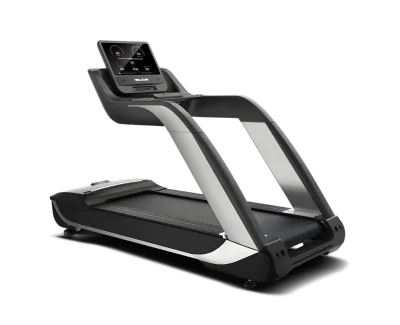


High Performance Customization Commercial Treadmill for Indoor Running
$550.00 - $590.00
MOQ: 1 Pieces

High Cost Performance Quiet Commercial Treadmill for Endurance Exercise
$550.00 - $590.00
MOQ: 1 Pieces

Hot Sale Commercial Treadmill with Replaceable Screen and Strong Motor
$580.00 - $610.00
MOQ: 1 Pieces


Comprehensive Sourcing Guide
Commercial Electric Incline Treadmills Sourcing Guide
Sourcing commercial-grade electric incline treadmills requires a disciplined approach to technical verification and supplier qualification. These machines are engineered for high-intensity environments, such as professional gyms and community fitness centers, where durability and consistent performance are non-negotiable. Buyers must navigate a complex landscape of specifications, from motor peak power ratings to incline mechanisms, ensuring that the selected equipment aligns with the specific operational demands of their facility. The following guide provides a structured framework for evaluating products, verifying technical claims, and managing commercial risks during the procurement process.
The market for these units is characterized by a wide variance in pricing and minimum order quantities, reflecting differences in build quality, component sourcing, and customization options. Procurement teams must establish clear criteria for what constitutes "commercial" grade, distinguishing between light-duty home units and robust machines designed for continuous public use. By focusing on observable listing signals and verified technical data, buyers can filter out low-quality offerings and identify suppliers who possess the manufacturing capability to deliver reliable, long-lasting fitness equipment.
Product Scope and Observed Listing Signals
The observed product range for Commercial Electric Incline Treadmills spans a significant price spectrum, with listed values ranging from approximately $70 to over $2,400 USD. This disparity often correlates with the complexity of the control systems, the quality of the running deck, and the inclusion of advanced features such as large touch-screen displays or integrated connectivity modules. Buyers should interpret lower price points with caution, as they may indicate the use of lighter-duty motors, thinner belts, or reduced safety features that are unsuitable for high-traffic commercial environments. Conversely, higher-priced units typically offer superior build materials, more powerful motors, and enhanced user interfaces that justify the investment for professional facilities.
Minimum order quantities (MOQs) for these products vary widely, ranging from single-unit purchases to bulk orders of up to 120 units. This flexibility allows buyers to scale their procurement based on immediate needs, whether outfitting a small boutique studio or a large-scale gym chain. However, buyers must also consider the logistical implications of these quantities, including shipping costs and warehouse storage. Understanding the MOQ structure helps in negotiating better terms for larger orders while ensuring that smaller purchases do not incur disproportionate per-unit costs due to fixed shipping and handling fees.
Technical Specifications to Verify
Motor performance is a critical differentiator in commercial treadmills, with observed specifications indicating a range of power outputs. Some units feature 2.2kW AC motors with peak ratings up to 7HP, while others may list different configurations. Buyers must verify the continuous duty rating of the motor, as peak power alone does not guarantee sustained performance under heavy load. Additionally, the speed range is a key performance indicator, with observed models supporting speeds from 0 to 20 km/h or 1.0 to 14.0 km/h depending on the specific model. Ensuring that the motor and speed controller can handle the intended user base without overheating or stalling is essential for maintaining operational continuity.
The running deck and incline mechanism are equally important technical aspects that require careful scrutiny. Observed specifications include running belt widths of 580mm or 600mm, which provide ample space for safe running, and incline adjustments ranging from 0 to 20 degrees. Buyers should verify the type of incline mechanism, whether it is manual or electric, and the load capacity of the lifting motor, which has been observed to handle up to 600kg in some models. The overall dimensions and weight of the unit, such as a net weight of 186.7kg and unfolded dimensions of 2150mm x 1150mm x 1600mm, also impact installation requirements and floor load considerations in the facility.
Compliance and Safety Documentation
Certification is a fundamental requirement for commercial fitness equipment, ensuring that the product meets international safety and quality standards. Observed listings frequently cite CE and ISO certifications, which are critical for market access in many regions. Buyers must request valid certification documents and verify their authenticity with the issuing bodies. These certifications indicate that the manufacturer has undergone rigorous testing for electrical safety, mechanical integrity, and electromagnetic compatibility. Without proper certification, the equipment may pose significant liability risks and could be prohibited from sale or use in certain jurisdictions.
In addition to general certifications, specific safety features must be verified to protect users and reduce liability. This includes the presence of emergency stop mechanisms, handrails, and secure belt tracking systems. Buyers should also check for compliance with relevant electrical standards, such as RoHS, which restricts the use of hazardous substances in electronic components. Ensuring that the treadmill meets these safety and environmental standards is not only a regulatory requirement but also a demonstration of the manufacturer's commitment to product quality and user well-being.
Cost Drivers and Commercial Terms
The total cost of ownership for commercial treadmills extends beyond the initial purchase price, encompassing shipping, installation, and maintenance. Observed packing specifications, such as wooden boxes or plywood crates, indicate the level of protection provided during transit, which can impact shipping costs and the risk of damage. Buyers should negotiate clear terms regarding packaging standards to ensure that the equipment arrives in pristine condition. Additionally, the weight and dimensions of the packed units, such as a gross weight of 227kg and packing size of 2200mm x 1190mm x 635mm, directly influence freight charges and handling requirements.
Customization options can also affect pricing and lead times. Many suppliers offer customized logos, colors, and display interfaces to align with brand identity. While customization adds value, it may increase the unit cost and extend the production lead time. Buyers should clearly define their customization requirements early in the procurement process to avoid delays and unexpected costs. Furthermore, understanding the supplier's support for freight forwarders (Foc) and their ability to handle logistics can streamline the import process and reduce administrative burdens.
Supplier Qualification and Quality Control
Supplier qualification is a critical step in mitigating procurement risk. Buyers should assess the manufacturer's production capacity, quality control processes, and track record in the fitness equipment industry. Observing the variety of models offered, such as the AFCT-01 and X600, can provide insights into the supplier's versatility and technical expertise. Suppliers with a diverse product portfolio are often more capable of addressing specific buyer requirements and providing consistent quality across different product lines. Additionally, verifying the supplier's origin, such as China, can help in understanding the manufacturing ecosystem and potential supply chain dynamics.
Quality control measures should be explicitly defined in the purchase agreement. This includes pre-shipment inspections, testing protocols for motor performance and structural integrity, and warranty terms. Buyers should request detailed quality assurance documentation and consider engaging third-party inspection services for large orders. Establishing clear quality benchmarks and acceptance criteria ensures that the delivered products meet the specified standards. A robust quality control process not only protects the buyer's investment but also enhances the reputation of the facility by providing reliable and safe equipment to users.
Long-Term Procurement Checks
Long-term procurement success depends on the availability of spare parts and technical support. Buyers should verify the supplier's commitment to after-sales service, including the provision of replacement parts such as belts, motors, and control boards. The availability of these components is crucial for minimizing downtime and extending the lifespan of the equipment. Suppliers who offer comprehensive support packages and maintain a stock of critical parts can significantly reduce the total cost of ownership by facilitating quick repairs and maintenance.
Regular performance monitoring and maintenance schedules are also essential for preserving the functionality of commercial treadmills. Buyers should establish a routine inspection protocol to check for wear and tear on the running belt, lubrication of the deck, and integrity of the electrical connections. By proactively addressing potential issues, facilities can prevent costly breakdowns and ensure a consistent user experience. Engaging with the supplier for periodic maintenance guidelines and training for facility staff further enhances the longevity and reliability of the equipment investment.
FAQs
What motor specifications do these Commercial Electric Incline Treadmills use?
The listed model AFCT-01 uses a 2.2kW, 3.0HP AC motor with a 7HP peak rating. An AC motor of this size supports continuous commercial running sessions in gyms and community facilities. When comparing options, confirm rated versus peak power, since peak figures describe short bursts rather than sustained output under full load.
What is the maximum load capacity of the Commercial Electric Incline Treadmills listed?
The listed model supports a maximum load capacity of 200kg, with a net weight around 186.7kg and gross weight of 227kg. This suits adult users in gymnasium and community settings. Always verify the deck and frame rating separately from motor capacity, and check the running belt width of 580 or 600mm for user comfort.
Can the incline and speed be adjusted during workouts?
Yes, the listed electric models offer a speed range of 0-20km/h and slope adjustment from 0-20 degrees, controlled through the console. Incline is driven by a 50W lifting motor rated for a 600kg load. Confirm whether incline changes are motorized and presettable, since this affects programming options for interval and hill training in commercial use.
What display and console features are included on these treadmills?
The AFCT-01 model features a 15.6 inch TFT touch screen, while other listed units use an LCD display. A larger touch screen supports workout programs, entertainment, and easier member interaction in commercial gyms. Check rated voltage compatibility too, as these units are specified at 220V, which matters for facilities in regions using that standard.
How are the treadmills packed and shipped for bulk orders?
Listed packing options include a wooden box for the AFCT-01 and a plywood wooden box for the X600, with packing size 2200x1190x635mm. Loading quantities are stated as 12 pieces per 20FT container and 30 pieces per 40HC container. Wooden crating protects heavy steel-framed units during long-haul freight and container transshipment.
Can the treadmills be customized with our own branding?
Yes, customization is listed as available, including customized logo application on the equipment. Many suppliers can adjust color schemes, with grey, black, and yellow listed for some models. Request confirmation of customization scope, artwork requirements, and any effect on price or lead time before placing a commercial order, especially for gym chains or community projects.
What certifications do these Commercial Electric Incline Treadmills carry?
Listed certifications include CE and ISO for the AFCT-01, and CE and RoHS for the X600 model. Certification matters for import approval and facility compliance in many regions. Verify that certificates are current, match the exact model you order, and cover electrical safety, since commercial treadmills run at 220V with high continuous duty cycles.
What are the overall dimensions and space requirements for installation?
The AFCT-01 measures 2150x1150x1600mm unfolded, and one listed manual unit is 1300x1490x1470mm, weighing 212kg. Allow extra clearance around each machine for user safety, emergency dismount, and maintenance access. Some units fold for storage, which helps smaller community facilities, though commercial gymnasiums typically plan fixed floor positions with dedicated power supply.