Source Commercial Inflatable Pontoon Dock for Amusement, Marine, and Pier
Find 30 Commercial Inflatable Pontoon Dock options from China. Compare models like HYDL74 and Colton series, noting capacities over 500kg, CE/ISO certifications, and 10-15 day lead times for durable floating solutions; compare the available evidence and request quotations based on your requirements.
Updated
Key considerations
Products List

Inflatable Yacht Floating Dock Inflatable Straight Pontoon Platform Dock
$700.00 - $740.00
MOQ: 1 Pieces


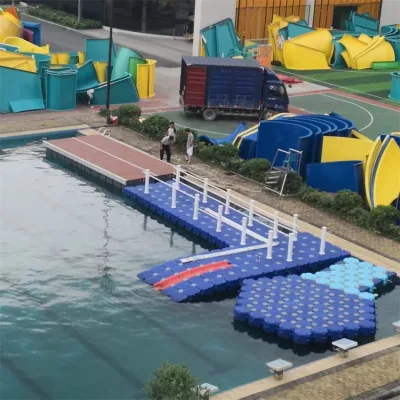
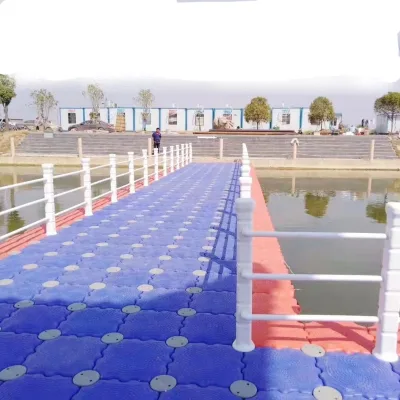
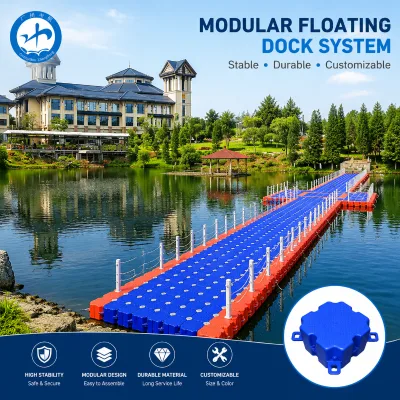

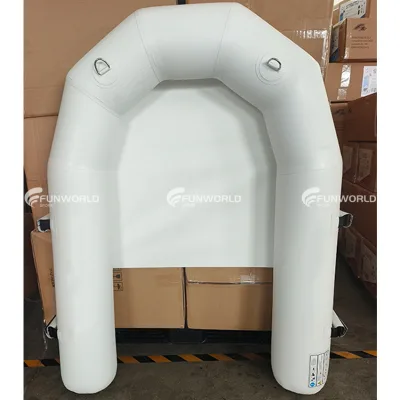
Custom Heavy-duty Boat Dock Inflatable U Floating Pontoon Dock Inflatable C Dock for Water Scooter
$102.8186 - $204.6094
MOQ: 1 pieces
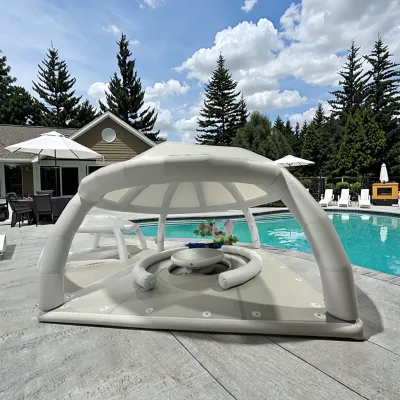
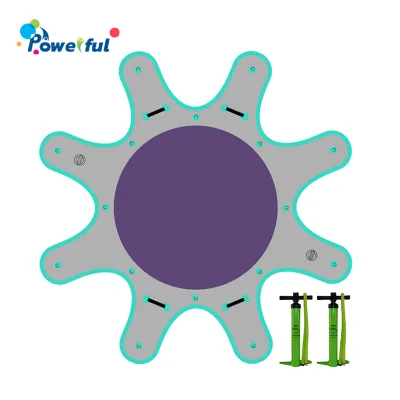

Customized Boat Portable Floating Water Dock Platform Inflatable V Pontoon Dock
$216.00 - $480.00
MOQ: 1 Pieces
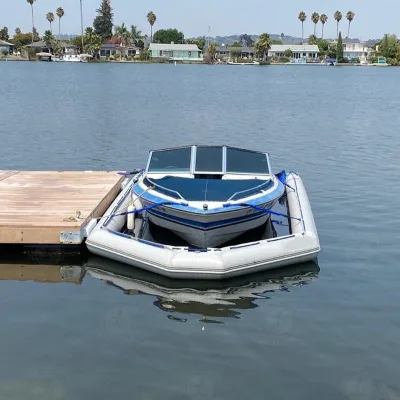
Inflatable Motorboat Dock Floating Repair Dock a Sturdy Marine Inflatable Dock
$1300.00 - $1999.00
MOQ: 1 pieces
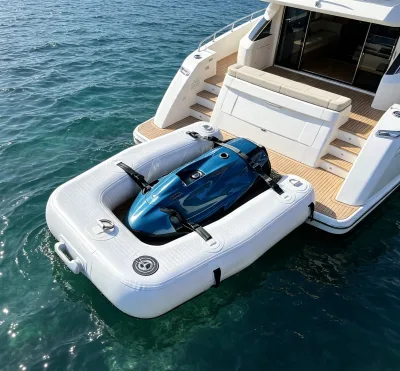
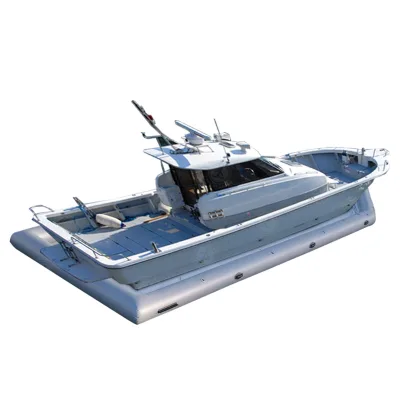
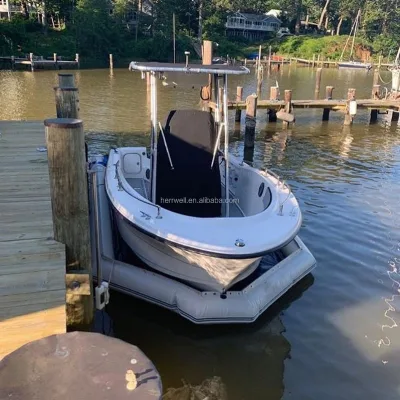
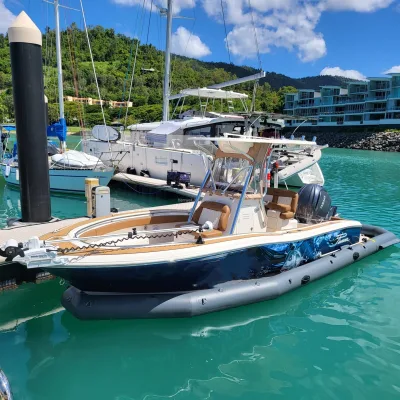
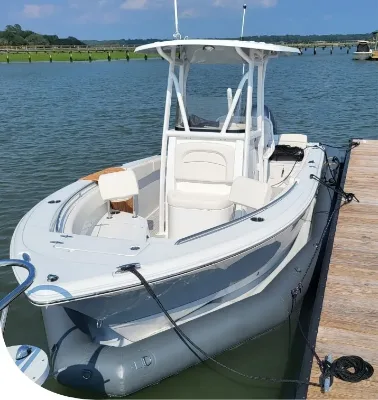
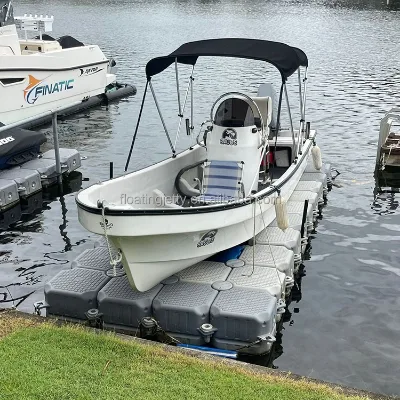

Inflatable Platform for Boat / Inflatable Floating Platform / Inflatable Float Dock
$129.00 - $169.00
MOQ: 1 Pieces
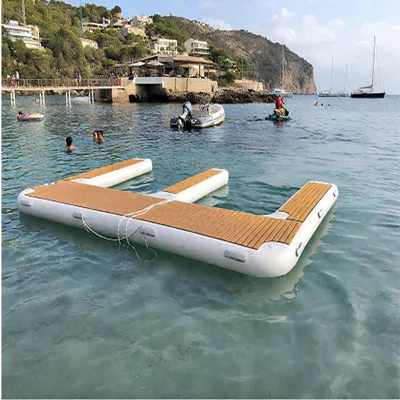
Good Quality Large Commercial Customized Size Inflatable Dock for Yacht Surfboard Docked
$502.5064 - $544.3809
MOQ: 1 pieces
Comprehensive Sourcing Guide
Commercial Inflatable Pontoon Dock Sourcing Guide
Procuring commercial inflatable pontoon docks requires a strategic approach that balances structural integrity with logistical efficiency. Buyers must first define the operational environment, whether for amusement parks, marinas, or temporary events, as this dictates the necessary load capacity and material durability. The market offers a wide range of configurations, from compact 2-meter units to larger modular systems exceeding 500kg capacity. Understanding these baseline requirements ensures that the selected dock can support the intended passenger load and environmental stresses without compromising safety or functionality.
The sourcing process also involves evaluating the customization options available from manufacturers. Many suppliers offer tailored solutions, allowing buyers to specify dimensions, colors, and branding to match their specific project needs. This flexibility is crucial for creating a cohesive aesthetic and functional layout, especially for large-scale installations. By prioritizing suppliers who provide robust customization services, buyers can ensure that the final product aligns perfectly with their operational goals and spatial constraints, reducing the need for costly modifications post-delivery.
Product Scope and Observed Listing Signals
The current market for commercial inflatable pontoon docks presents a diverse array of products with varying specifications and price points. Listings indicate a price range from approximately $12 to $3,380, reflecting differences in size, material quality, and included accessories. Buyers should note that the minimum order quantity (MOQ) typically starts at just one piece, offering flexibility for small-scale projects or initial trials. This low entry barrier allows businesses to test supplier reliability and product performance before committing to larger orders, mitigating initial investment risks.
Observed product attributes highlight key features such as durability, new condition, and extended warranties, often spanning two years. These signals suggest a mature market where suppliers compete on quality and after-sales support. Additionally, the availability of customization options and various shipping methods, including sea, air, and express freight, indicates a responsive supply chain. Buyers should leverage these signals to identify suppliers who can meet specific timeline and logistical requirements, ensuring that the procurement process remains smooth and aligned with project schedules.
Technical Specifications to Verify
When evaluating technical specifications, buyers must prioritize load capacity and dimensional accuracy. Listings show models with capacities ranging from 350kg/m² to over 500kg, with specific weights noted for individual units, such as 14kg, 32kg, and 80kg. It is essential to verify that the selected model meets the intended load requirements, considering both static and dynamic forces. Dimensional standards vary, with common sizes including 2m x 2m x 0.2m and larger configurations like 340cm x 340cm. Confirming these measurements ensures compatibility with existing infrastructure and planned layouts.
Material composition and construction quality are equally critical factors. Buyers should inquire about the type of PVC or vinyl used, as well as the welding techniques employed to ensure seam strength. Some suppliers offer modular designs, such as the Aqualand1 model, which may facilitate easier transport and assembly. Additionally, storage dimensions and packaging details, such as export cartons or specific package sizes, impact logistics costs and storage requirements. Verifying these technical details helps prevent unexpected challenges during installation and ensures the dock performs reliably under commercial use.
Compliance and Safety Documentation
Safety and regulatory compliance are paramount when sourcing commercial inflatable pontoon docks. Buyers should request documentation confirming adherence to relevant safety standards, such as CE certification, which is frequently cited in product listings. This certification indicates that the product meets European health, safety, and environmental protection standards, providing a baseline level of assurance for international buyers. Additionally, some suppliers may offer ISO certification, further validating their quality management systems and production processes.
Beyond certifications, buyers should verify that the supplier conducts rigorous quality control tests, such as pressure and load testing, before shipment. Requesting test reports or certificates of conformity can provide insight into the product's reliability and safety margins. It is also advisable to check for compliance with local regulations in the destination country, as requirements may vary. Ensuring that all necessary documentation is in place before finalizing the purchase helps mitigate legal risks and ensures that the dock can be legally and safely deployed in its intended environment.
Cost Drivers and Commercial Terms
Several factors influence the total cost of ownership for commercial inflatable pontoon docks, including material quality, customization level, and shipping method. Buyers should consider the trade terms offered by suppliers, such as EXW (Ex Works), which places the responsibility for transportation and insurance on the buyer. Understanding these terms is crucial for accurately calculating the landed cost and avoiding unexpected expenses. Additionally, the lead time, typically ranging from 10 to 15 days, impacts project planning and cash flow, so buyers should align their procurement schedule with supplier capabilities.
Shipping and packaging costs also play a significant role in the overall budget. Suppliers offer various shipping options, including sea, air, and express freight, each with different cost and time implications. Buyers should evaluate the trade-off between speed and cost, especially for large or heavy units. Furthermore, the warranty period, often two years, provides value by covering potential defects or damages. By carefully analyzing these commercial terms, buyers can make informed decisions that balance cost efficiency with risk management, ensuring a favorable return on investment.
Supplier Qualification and Quality Control
Selecting a reliable supplier is critical to the success of any procurement project. Buyers should verify the supplier's location, with many manufacturers based in regions like Guangzhou and Shandong in China, known for their manufacturing expertise. Assessing the supplier's production capacity and history can provide insight into their ability to meet demand and maintain consistent quality. Additionally, checking for customer reviews or references can help gauge the supplier's reputation and reliability in the market.
Quality control processes should be a key evaluation criterion. Buyers should inquire about the supplier's internal quality assurance protocols, including inspection stages and testing procedures. Suppliers who offer detailed quality control reports or allow third-party inspections demonstrate a commitment to product integrity. Furthermore, the availability of after-sales support, including technical assistance and spare parts, is essential for long-term satisfaction. By thoroughly vetting suppliers based on these criteria, buyers can establish a partnership that ensures consistent product quality and reliable service.
Long-Term Procurement Checks
Long-term success in sourcing commercial inflatable pontoon docks depends on establishing a robust supplier relationship and implementing ongoing quality checks. Buyers should schedule regular performance reviews to assess the durability and functionality of the docks in real-world conditions. Monitoring factors such as material degradation, seam integrity, and overall structural stability helps identify potential issues early, allowing for timely maintenance or replacement. This proactive approach minimizes downtime and extends the lifespan of the investment.
Additionally, buyers should stay informed about industry trends and technological advancements that may impact product performance or safety standards. Engaging with suppliers for feedback on product improvements or new models can provide valuable insights for future procurement decisions. Maintaining open communication channels ensures that any changes in regulations or market conditions are addressed promptly. By prioritizing long-term relationship management and continuous improvement, buyers can secure a competitive advantage and ensure the sustained success of their operations.
FAQs
What certifications do commercial inflatable pontoon docks have?
Commercial inflatable pontoon docks typically hold CE and ISO certifications to ensure safety and quality compliance. These standards verify that the materials and construction meet international requirements for durability and passenger safety. Buyers should always request valid certification documents from suppliers before finalizing orders to confirm regulatory adherence.
Can commercial inflatable pontoon docks be customized?
Yes, customization is available for commercial inflatable pontoon docks to meet specific project needs. Manufacturers offer tailored sizes, such as 2m by 2m or 340cm by 340cm, and can adjust standards to fit unique requirements. This flexibility allows buyers to select dimensions that best suit their intended application, whether for amusement parks or private use.
What is the typical lead time for these docks?
The typical lead time for manufacturing commercial inflatable pontoon docks ranges from 10 to 15 days. This timeframe covers production and preparation for shipment. Buyers should account for this duration when planning installations, as it ensures the product is built to specification and undergoes necessary quality control tests before being dispatched via sea or air.
How much does a Commercial Inflatable Pontoon Dock cost?
Prices for commercial inflatable pontoon docks vary widely, ranging from 12 to 3380 USD depending on size and features. Factors influencing cost include material weight, such as 14kg or 80kg models, and specific dimensions like 2m by 2m by 0.2m. Buyers should request detailed quotes based on their required specifications to get accurate pricing.
What is the minimum order quantity for these docks?
The minimum order quantity for commercial inflatable pontoon docks is generally one piece. This low MOQ allows buyers to test quality or purchase single units for specific projects. Suppliers often accommodate small orders, making it accessible for various business sizes to source durable and certified floating dock solutions without committing to large bulk purchases.
Where are commercial inflatable pontoon docks manufactured?
Commercial inflatable pontoon docks are primarily manufactured in China, with origins in regions like Guangzhou and Shandong. These locations host factories equipped to produce durable floating structures meeting international standards. Buyers can source products directly from these regions, ensuring access to a wide variety of models and customization options for global distribution.