Source Commercial PVC Inflatable Water Park for Parks, Lakes, and Pools
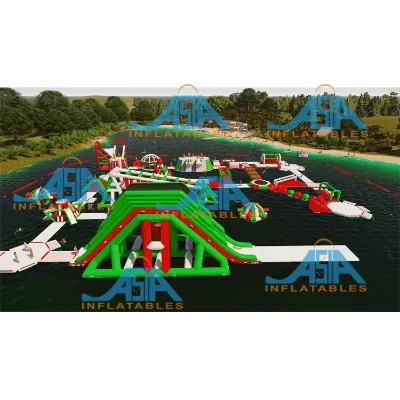
Find and compare 30 Commercial PVC Inflatable Water Park options suitable for parks, lakes, and pools. These customizable units feature PVC tarpaulin construction, heat-sealed technology, and CE standards, with models ranging from small play areas to large-scale attractions for adult use.
Key considerations
Products List


0.9mm PVC Commercial Giant Inflatable Aqua Park, Inflatable Floating Water Park
$12000.00 - $25000.00
MOQ: 1 Pieces


Commercial Inflatable Water Park Inflatable Floating Water Park on Sea
$700.00 - $42000.00
MOQ: 1 Pieces


Inflatable Amusement Water Park Hot Giant Inflatable Commercial Water Park
$320.00 - $4656.00
MOQ: 1 Pieces


50 Capacity Floating Commercial Inflatable Water Park for Outdoor Water
$304.00 - $1758.00
MOQ: 1 Pieces

Inflatable Water Park for Adults Inflatable Aqua Park Inflatable Water Playground
$329.00 - $5336.00
MOQ: 1 Pieces

Hot Sale Commercial Sea Inflatable Aquapark Inflatable Floating Water Park with TUV
$320.00 - $4656.00
MOQ: 1 Pieces

Commercial Portable Aqua Park Large 0.9mm PVC Inflatable Water Park
$11674.33 - $12262.01
MOQ: 1 Pieces




Comprehensive Sourcing Guide
Commercial PVC Inflatable Water Park Sourcing Guide
Sourcing commercial-grade inflatable water parks requires a disciplined approach to material verification, structural integrity, and regulatory compliance. These large-scale recreational installations are typically constructed from heavy-duty PVC tarpaulin, designed to withstand continuous water exposure and high-traffic usage in diverse environments such as parks, communities, lakes, and commercial pools. Buyers must prioritize suppliers who demonstrate transparency in their manufacturing processes, specifically regarding heat-sealing technologies and material thickness, as these factors directly dictate the lifespan and safety of the asset. The procurement process involves evaluating not just the visual appeal of the colorful designs, but the underlying engineering that allows the structure to support significant passenger loads while maintaining buoyancy and stability.
The market for these units is characterized by a wide range of customization options, from specific dimensions to branded logo integration, which complicates direct price comparisons. Observed listing signals indicate that models vary significantly in scale, with some units measuring up to 60 by 50 meters, while others are smaller, modular configurations. Buyers should recognize that "commercial" implies a higher threshold for durability than residential inflatables, often requiring certifications such as CE or ISO standards to ensure legal operation in public spaces. Understanding the distinction between standard off-the-shelf models and fully customized OEM projects is essential for accurate budgeting and timeline planning, as the latter involves extensive engineering and production lead times.
Product Scope and Observed Listing Signals
The product scope for commercial PVC inflatable water parks encompasses a variety of configurations, including large-scale water games, obstacle courses, and interactive play structures. Observed listings reveal that these items are frequently marketed under specific model codes, such as WP-1888 or Aqua-S-1808, indicating a standardized internal cataloging system among manufacturers. The primary material identified across these listings is PVC tarpaulin, chosen for its waterproof properties, tear resistance, and ease of cleaning. These structures are designed for versatile deployment, suitable for installation in natural bodies of water like rivers and lakes, as well as in controlled environments such as pay-to-play grounds and private homes, provided the underlying surface is appropriate.
Listing signals also highlight the importance of customization in this category, with many suppliers offering tailored solutions for size, color, and branding. Colors typically include blue, white, red, and orange, or fully customizable colorful schemes to match thematic requirements. The inclusion of accessories such as repair kits and air pumps is a standard expectation, ensuring that operators have the immediate tools necessary for minor maintenance and inflation. Buyers should note that while some listings specify a maximum capacity of over 500kg, others may list ranges between 100-500kg, necessitating a careful review of the technical specifications to ensure the unit can safely accommodate the intended number of simultaneous users.
Technical Specifications to Verify
Verifying the technical specifications of an inflatable water park is critical to ensuring operational safety and longevity. The construction technology, often described as high heat welding or heat sealing, is a key indicator of structural integrity; this method creates stronger seams than gluing, which is vital for withstanding the pressure of water and active play. Buyers must confirm the material thickness and grade of the PVC tarpaulin, as thinner materials are prone to punctures and UV degradation. Additionally, the packing method, whether in PVC bags or strong cartons, impacts shipping efficiency and protection during transit, so verifying that the packaging is robust enough to prevent damage before installation is a necessary step.
Dimensional accuracy and capacity limits are other vital technical parameters that require explicit confirmation. While some models offer customized sizes, others adhere to standard dimensions, and the allowable passenger count must be clearly defined to prevent overcrowding. The inflation system, including the type and quantity of air pumps required, should be specified to ensure adequate setup speed and pressure maintenance. Furthermore, the warranty period, often cited as three years for new units, serves as a benchmark for expected durability, but buyers should clarify what specific components or damages are covered under this warranty to avoid unexpected maintenance costs.
Compliance and Safety Documentation
Compliance with international safety standards is non-negotiable for commercial inflatable water parks, particularly when operating in regulated markets. The EN15649 standard is a primary reference for the safety of inflatable play structures, and buyers should verify that the supplier’s products have been tested and certified against this specification. Other relevant certifications may include CE marking, which indicates conformity with health, safety, and environmental protection standards for products sold within the European Economic Area. In some contexts, ISO certifications or CCC marks may also be referenced, though buyers must distinguish between general quality management certifications and specific product safety approvals.
Documentation should also include detailed user manuals and safety guidelines that outline proper inflation procedures, weight limits, and age restrictions. Given that these structures are often intended for adults or older children, clear signage regarding age appropriateness, such as restrictions for users under 18 years, is essential for liability management. Buyers should request test reports from accredited laboratories to validate the manufacturer’s claims regarding material strength and flame retardancy. Ensuring that all safety documentation is provided in the local language of the operating region is also crucial for effective communication with end-users and maintenance staff.
Cost Drivers and Commercial Terms
The cost of a Commercial PVC Inflatable Water Park is influenced by several key drivers, including material volume, customization complexity, and shipping logistics. Larger units with intricate designs and multiple play features naturally incur higher material and labor costs. Customization options, such as adding specific logos, banners, or unique color schemes, add to the production time and expense. Buyers should also consider the impact of packaging and shipping, as these large items require significant freight space, and the choice between air and sea freight will substantially affect the total landed cost.
Commercial terms, including payment methods and minimum order quantities (MOQ), vary among suppliers but typically involve standard B2B practices. Payment options often include T/T, Western Union, or L/C, providing flexibility for large transactions. While some suppliers may list an MOQ of just one piece, indicating a willingness to handle single-unit orders, buyers should be aware that smaller orders may not benefit from economies of scale. Warranty terms, such as a three-year coverage for new units, should be clearly defined in the contract, along with the process for claiming repairs or replacements. Understanding these commercial nuances helps in negotiating favorable terms and avoiding hidden costs.
Supplier Qualification and Quality Control
Qualifying a supplier for commercial inflatable water parks requires a thorough assessment of their manufacturing capabilities and quality control processes. Buyers should verify the supplier’s origin, with many reputable manufacturers based in industrial hubs like Guangzhou, China, known for their expertise in PVC product manufacturing. It is essential to confirm that the supplier has a dedicated production line for high-heat welding and rigorous testing protocols. Requesting references or case studies of previous installations can provide insight into the supplier’s reliability and the real-world performance of their products.
Quality control should extend beyond the factory floor to include pre-shipment inspections. Buyers should insist on third-party inspection services or detailed video evidence of the finished product, including seam integrity and inflation tests. The supplier’s ability to provide comprehensive after-sales support, including technical assistance and spare parts availability, is also a critical factor in supplier selection. Establishing a clear communication channel for addressing any issues that arise during installation or operation can prevent minor problems from escalating into major operational disruptions.
Long-Term Procurement Checks
Long-term procurement success depends on establishing a sustainable relationship with a supplier who can support ongoing maintenance and potential upgrades. Buyers should evaluate the supplier’s commitment to product improvement and their ability to adapt to changing safety standards or market trends. Regular check-ins regarding product performance and customer feedback can help identify areas for improvement in future orders. Additionally, maintaining a stock of compatible repair kits and spare parts, as recommended by the supplier, ensures that the inflatable water park remains operational with minimal downtime.
Monitoring the total cost of ownership, including energy consumption for air pumps and routine maintenance expenses, is vital for long-term budgeting. Buyers should also stay informed about regulatory changes in their operating region that may affect the compliance requirements for inflatable structures. By maintaining detailed records of all procurement activities, warranties, and maintenance logs, organizations can maximize the return on investment and ensure the continued safety and enjoyment of their water park facilities. This proactive approach to procurement management helps mitigate risks and supports the long-term viability of the recreational asset.
FAQs
What materials are used for commercial inflatable water parks?
Commercial inflatable water parks are constructed using durable PVC or Tarpaulin materials. These materials ensure longevity and safety for users in various water environments like pools, lakes, and rivers.
Can buyers customize the logo and design of the water park?
Yes, customization is available for logos, banners, and company names on the product. Buyers can request specific designs, and the manufacturer supports OEM services to meet unique branding requirements.
What certifications do these inflatable water parks hold?
Products often carry CE, ISO, and CCC certifications to ensure safety standards. Specific models may also comply with EN15649 standards for inflatable play equipment used in commercial settings.
How much does a commercial inflatable water park cost?
Prices range from 5 to 42000 USD depending on size and customization. The final cost is influenced by factors like capacity, material thickness, and specific design requirements requested by the buyer.
What is the minimum order quantity for these products?
The minimum order quantity is typically one piece for many models. Some suppliers may have different thresholds, but the standard starting point allows for small-scale testing or single-unit purchases.
Where are these inflatable water parks manufactured?
Most products originate from Guangzhou, China, or other regions within China. This location is a major hub for manufacturing inflatable toys and water park equipment with established supply chains.
What is the warranty period for the inflatable water park?
A standard warranty of three years is often provided for these products. This coverage ensures protection against manufacturing defects and material failures during the initial period of commercial use.