Source Constant Voltage Dali Dimmable Driver for Office, Retail, and Hotel
Find 30 Constant Voltage Dali Dimmable Driver options from verified suppliers. Compare specifications like output power, voltage, and efficiency to select the right unit for your LED lighting projects.
Key considerations
Products List
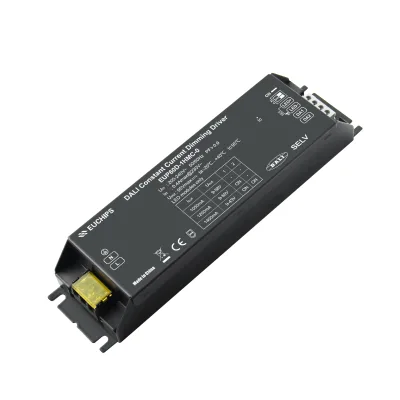
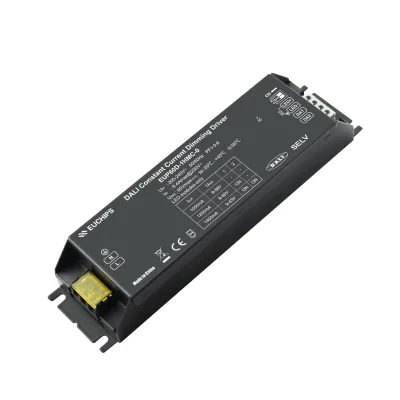
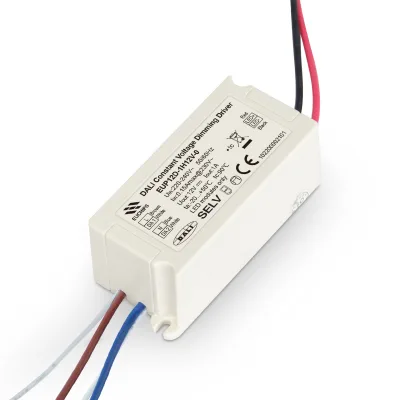
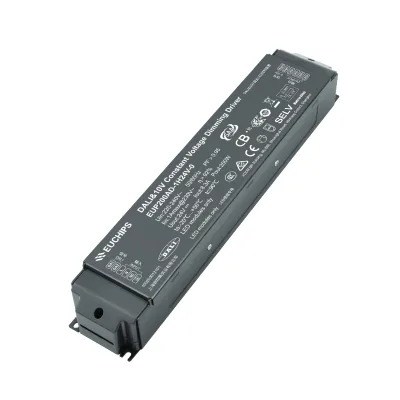
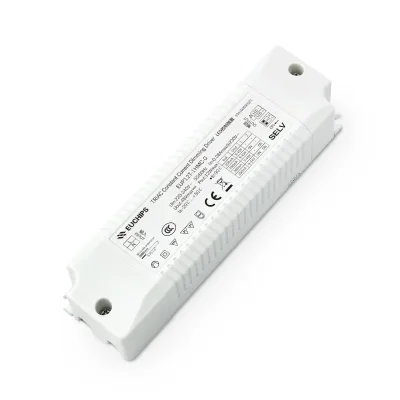
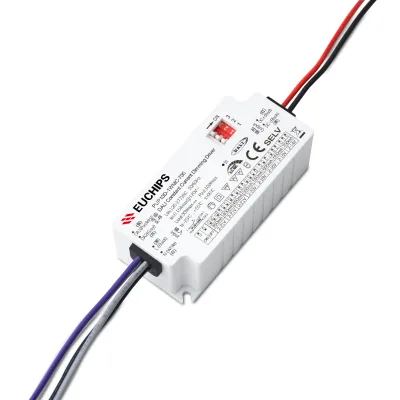


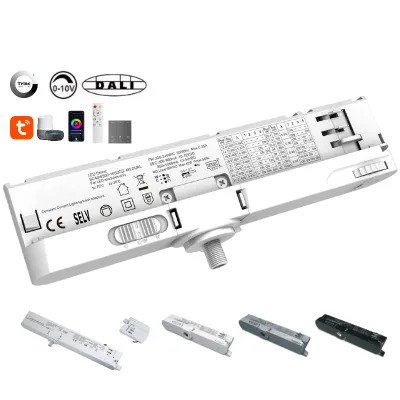
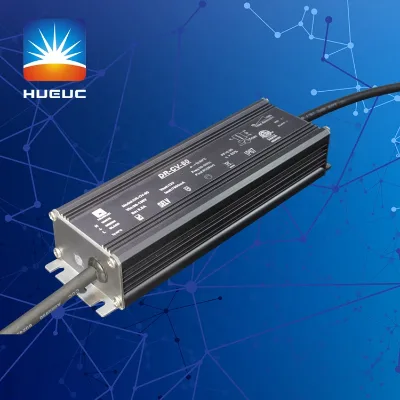
Camera Power Supply Output Switch Mode Power Supply Constant Voltage Driver
$10.00 - $11.00
MOQ: 500 Pieces


CE Mark Power Supply Constant Current 240mA LED 350mA Dali Dimming Driver
$5.00 - $25.00
MOQ: 100 Pieces



Comprehensive Sourcing Guide
Sourcing Guide for Constant Voltage DALI Dimmable Drivers
Understanding the Core Technology and Operational Principles
When sourcing a Constant Voltage Dali Dimmable Driver, the primary objective is to identify a power supply unit that maintains a fixed output voltage while accepting digital control signals for dimming. Unlike constant current drivers, which regulate the amperage flowing through an LED string, constant voltage units provide a stable voltage rail, typically 12V or 24V, allowing the connected LED modules to regulate their own current internally. This distinction is critical for system design, as it dictates the type of LED loads compatible with the driver. The digital addressable lighting interface (DALI) protocol enables two-way communication, allowing for precise dimming levels, scene setting, and status feedback from the driver to the control system.
The internal architecture of these drivers generally follows an AC-DC conversion topology. The input stage accepts standard mains voltage, often ranging between 200V and 240V AC, and converts it into a lower DC voltage suitable for LED operation. The efficiency of this conversion is a key performance metric, with high-quality units often achieving efficiency ratings between 90% and 99%. This high efficiency minimizes heat generation, which is essential for maintaining the longevity of the driver and the connected lighting fixtures. The switching frequency, which can vary from 400Hz to 2000Hz depending on the specific model, influences the electromagnetic interference (EMI) profile and the acoustic noise of the unit. Buyers must verify that the switching frequency falls within a range that does not cause audible buzzing in the lighting environment.
Technical Specifications and Configuration Analysis
Selecting the correct technical specifications requires a detailed review of the output parameters, input requirements, and physical attributes. The output voltage is the most defining characteristic for constant voltage drivers. Common configurations include 12V DC and 24V DC systems. For instance, a 12V driver typically supports lower power loads, such as 12W units, while 24V drivers are often utilized for higher power applications, ranging from 60W up to 200W or more. The output current capacity is directly tied to the power rating and the voltage level. A 24V, 200W driver, for example, would typically deliver an output current of approximately 8.3A. In contrast, a 12V, 12W unit would provide a current of roughly 1A.
The input voltage range is another critical specification. Most commercial and industrial drivers are designed to operate within a standard AC range of 200V to 240V. However, some models may support a broader range, and buyers should confirm the specific input voltage tolerance to ensure compatibility with local grid conditions. The dimming protocol is exclusively DALI, which requires a dedicated control wire pair separate from the power lines. This allows for granular control, where each driver can be assigned a unique address within the DALI network.
Physical attributes also play a significant role in the selection process. The case material is often either steel or plastic, depending on the application environment. Metal cases, such as those made from steel, offer superior heat dissipation and mechanical durability, making them suitable for industrial settings or recessed installations where heat buildup is a concern. Plastic cases, often constructed from PC (polycarbonate), are lighter and may be preferred for residential applications or where weight is a constraint. The product weight can vary significantly, from as light as 0.085 kg for compact units to over 0.8 kg for heavier, high-power models. The IP rating, which indicates protection against dust and water, is another vital factor; a rating of IP20 suggests the unit is suitable for dry indoor environments but not for areas exposed to moisture or dust.
Compliance, Certification, and Safety Standards
While specific certification marks are not universally listed for every product, buyers must rigorously verify that the driver complies with relevant safety and electromagnetic compatibility standards. In the context of global trade, products originating from manufacturing hubs like Guangdong, China, are subject to various international standards. The primary safety standard for lighting equipment is typically IEC 61347, which covers the safety of lamp control gear. Additionally, electromagnetic compatibility (EMC) standards, such as IEC 61547, ensure that the driver does not emit excessive interference that could disrupt other electronic devices.
For the specific product attributes observed, the material composition and construction methods must align with fire safety regulations. Metal cases provide inherent fire resistance, while plastic cases must be rated for flame retardancy. Buyers should request documentation confirming that the driver meets the safety requirements of the destination market, such as UL (Underwriters Laboratories) for North America, CE (Conformité Européenne) for Europe, or CCC (China Compulsory Certification) for domestic sales. The warranty period, often cited as 3 years for high-quality drivers, serves as an indicator of the manufacturer's confidence in the product's reliability and adherence to quality standards.
Cost Drivers and Pricing Factors
The pricing of constant voltage DALI dimmable drivers is influenced by several factors, including power rating, build quality, and brand reputation. The observed price range for these components can vary widely, from approximately $1 to $500, reflecting the diversity in power capacities and feature sets. Lower-priced units typically correspond to lower wattage ratings, such as 12W or 20W models, which utilize simpler circuitry and less robust casing materials. Conversely, high-power units, such as 200W drivers, command higher prices due to the increased cost of components, larger heat sinks, and more complex control circuitry required for stable operation at higher currents.
Material costs also significantly impact the final price. Drivers with metal or steel casings are generally more expensive than those with plastic housings due to the raw material costs and the additional manufacturing processes involved in metal fabrication. Furthermore, the efficiency rating is a major cost driver. Drivers achieving efficiency levels between 90% and 99% require higher-quality capacitors, inductors, and switching components, which increase the manufacturing cost but offer long-term energy savings. The minimum order quantity (MOQ) can also affect the unit price; while some suppliers offer single-item sales, bulk purchases often result in a lower cost per unit. Buyers should evaluate the total cost of ownership, considering not just the purchase price but also the energy efficiency and expected lifespan of the driver.
Typical Applications and Installation Scenarios
Constant voltage DALI dimmable drivers are versatile components used across a wide range of lighting applications. Their primary use case is in commercial and residential LED lighting systems where precise dimming control is required. In office environments, these drivers are commonly integrated into linear light fixtures, downlights, and panel lights to provide adjustable illumination levels that enhance productivity and reduce energy consumption. The ability to address individual drivers allows for the creation of complex lighting scenes, such as adjusting light levels based on the time of day or the presence of occupants.
In hospitality settings, such as hotels and restaurants, constant voltage drivers are essential for creating ambiance. The 12V and 24V systems are frequently used in decorative lighting, cove lighting, and accent lighting where the LED strips or modules are designed to operate at constant voltage. The compact size of many drivers, with weights as low as 0.085 kg, makes them suitable for installation in tight spaces, such as recessed ceiling cavities or within the housing of the light fixture itself. However, the IP20 rating limits their use to dry indoor locations, meaning they are not suitable for outdoor installations or wet areas like bathrooms unless housed in a waterproof enclosure.
The application also dictates the choice of output current. For high-power applications, such as large-scale office lighting or warehouse illumination, 24V drivers with high current outputs (e.g., 8.3A) are preferred to minimize voltage drop over long cable runs. For smaller, localized lighting tasks, 12V drivers with lower current outputs (e.g., 1A) are sufficient and offer greater flexibility in circuit design. The lighting solutions service provided by manufacturers, which may include circuitry design support, can be invaluable for integrators looking to optimize their system architecture.
Supplier Evaluation and Quality Assurance
Evaluating suppliers for constant voltage DALI dimmable drivers requires a focus on technical capability, production capacity, and quality assurance processes. Buyers should verify the supplier's ability to provide detailed technical documentation, including datasheets, wiring diagrams, and compliance certificates. The brand name, such as EUCHIPS, can be an indicator of market presence, but it is essential to conduct due diligence to ensure the supplier is an authorized distributor or the original manufacturer. The place of origin, often Guangdong, China, is a major manufacturing hub, but buyers should assess the specific factory's quality control measures.
Quality control should encompass both incoming material inspection and final product testing. Key areas to verify include the consistency of the output voltage and current, the accuracy of the DALI communication, and the thermal performance under full load. Buyers should request test reports that demonstrate the driver's ability to maintain stable output across the specified input voltage range and ambient temperature conditions. The warranty period, typically 3 years for reputable suppliers, is a strong indicator of product reliability. Additionally, the supplier's ability to provide lighting and circuitry design services can add value to the procurement process, helping to ensure that the selected driver integrates seamlessly with the overall lighting system.
Long-Term Procurement and Lifecycle Management
Long-term procurement considerations for constant voltage DALI dimmable drivers extend beyond the initial purchase price. Buyers must account for the lifecycle of the product, including maintenance, replacement, and potential upgrades. The 3-year warranty period provides a baseline for expected reliability, but the actual service life can be influenced by operating conditions, such as ambient temperature and ventilation. Drivers with metal cases and high efficiency ratings generally offer better thermal management, which can extend the operational life of the unit.
Scalability is another important factor. As lighting systems evolve, the ability to add or replace drivers without disrupting the entire network is crucial. The DALI protocol supports the addition of new devices to the network, making it a flexible choice for future expansions. However, buyers should ensure that the drivers selected are compatible with the existing control system and that the supplier can provide long-term support for firmware updates or technical assistance. The selling units, often listed as single items, allow for flexible purchasing, but bulk ordering may be necessary for large projects to ensure consistency and cost efficiency.
In conclusion, sourcing constant voltage DALI dimmable drivers requires a balanced approach that considers technical specifications, compliance, cost, and long-term value. By carefully evaluating the output parameters, material construction, and supplier capabilities, buyers can select drivers that meet the specific needs of their lighting projects while ensuring reliability and performance over the product's lifecycle. The integration of high-efficiency components and robust design principles will ultimately contribute to a sustainable and cost-effective lighting solution.
FAQs
What is the output voltage for the 12W constant voltage driver?
The 12W constant voltage driver provides a fixed 12V DC output. This unit features a plastic PC case and supports a single channel with 1A output current for compatible LED loads.
Which output current does the 200W driver deliver?
The 200W model delivers an output current of 8.3A at 24V DC. This high-capacity unit utilizes a steel case for durability and is designed for single-channel constant voltage applications.
How does the DALI dimming protocol function in these drivers?
These drivers accept digital addressable lighting interface signals for precise dimming control. The system allows for two-way communication to adjust light levels and monitor status within the network.
What input voltage range do these drivers support?
The drivers operate within an AC input voltage range of 200 to 240V. This standard range ensures compatibility with typical commercial and industrial mains power supplies in most regions.
Can these drivers be used in outdoor environments?
No, these units are rated IP20 and are suitable only for dry indoor environments. They lack protection against moisture and dust, making them unsuitable for outdoor or wet area installations.
What warranty period is provided for these lighting drivers?
The standard warranty period for these drivers is three years. This coverage indicates the manufacturer's confidence in the product's reliability and adherence to quality standards for long-term operation.