Source Cosmetic Grade Fenugreek Oil for Cosmetics, Health Care, and Medicine
Compare 30 listings for Cosmetic Grade Fenugreek Oil sourced from China. Buyers can review specifications, certifications, and packaging options for use in lotions, capsules, and health care products.
Key considerations
Products List


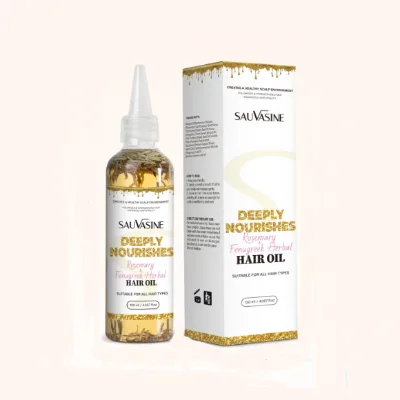
Beauty Cosmetics Skin Care Control of Oil Anti-Hair Loss Hair Growth Oil
$2.20 - $3.00
MOQ: 100 Pieces



Comprehensive Sourcing Guide
Strategic Sourcing Guide for Cosmetic Grade Fenugreek Oil
Procuring high-quality raw materials for the cosmetics industry requires a meticulous approach to verifying specifications, ensuring regulatory compliance, and understanding the nuances of botanical extraction. When sourcing Cosmetic Grade Fenugreek Oil, buyers must navigate a landscape defined by specific botanical origins, rigorous quality standards, and diverse application requirements. This guide provides a comprehensive framework for evaluating potential suppliers and selecting products that meet the stringent demands of modern cosmetic manufacturing. The focus remains on evidence-based attributes, ensuring that procurement decisions are grounded in verifiable data rather than marketing assertions.
Understanding Botanical Specifications and Physical Attributes
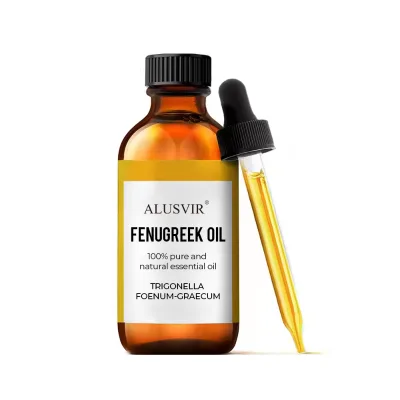
The foundation of any successful sourcing strategy lies in a precise understanding of the product's physical and chemical characteristics. Fenugreek oil, derived from the seeds and leaves of Trigonella foenum-graecum, presents distinct visual and structural properties that must be verified upon receipt. The product typically appears as a colorless to slightly yellow oil, though some variations may present as light yellow oil depending on the extraction method and refining process. Buyers should expect the substance to exist in a liquid state at standard temperatures, classified fundamentally as a plant oil.
Physical consistency is paramount for cosmetic formulations. The relative density of the oil is a critical parameter, often falling within the range of 0.875 to 0.895. This specific gravity range helps confirm the purity and concentration of the extract, distinguishing it from adulterated or diluted versions. Furthermore, the assay methods employed to verify these properties are diverse, including Gas Chromatography (GPC), High-Performance Liquid Chromatography (HPLC), and Ultraviolet (UV) spectroscopy. The presence of multiple assay capabilities in a supplier's quality control protocol indicates a robust ability to validate the chemical composition of the oil.
Packaging plays a significant role in preserving these attributes. The product is commonly supplied in bottles or drums, with specific configurations such as 1kg per bottle or 50kg per drum. The packaging must be designed to protect the oil from oxidation and light degradation, ensuring the shelf life remains intact. A typical shelf life for these products is observed to be two years, provided storage conditions are maintained correctly. Buyers must verify that the packaging integrity aligns with the logistical requirements of their supply chain, ensuring that the oil remains stable from the point of origin to the manufacturing facility.
Compliance Framework and Certification Verification
In the global cosmetics market, compliance is not merely a regulatory hurdle but a competitive advantage. Suppliers of Cosmetic Grade Fenugreek Oil must demonstrate adherence to international standards and certifications. The most frequently observed certifications include ISO, Halal, and Kosher, which validate the product's suitability for diverse consumer bases and religious dietary requirements. Additionally, some suppliers may hold HACCP, FDA, BRC, and RoHS certifications, indicating a broader scope of quality management and safety compliance.
The distinction between cosmetic grade and other grades, such as food grade, is critical. While some products may be dual-graded for both food and cosmetic applications, the primary designation for this sourcing guide is cosmetic grade. This classification ensures that the oil meets the purity and safety thresholds required for topical application. The standard for the product is explicitly defined as cosmetic grade, which implies a rigorous filtration and refining process to remove impurities that could cause skin irritation.
Buyers should request documentation proving these certifications before placing orders. The presence of ISO certification, specifically ISO 9001:2015 for quality management or ISO 22000:2018 for food safety management (if applicable to dual-grade products), provides a framework for consistent quality. However, buyers must verify that the specific batch being purchased carries the relevant certification status, as certifications can be batch-specific or facility-wide. The origin of the product, typically China, particularly from regions like Shaanxi, should be transparently disclosed to ensure traceability and ethical sourcing practices.
Cost Drivers and Economic Considerations
The pricing of Cosmetic Grade Fenugreek Oil is influenced by a complex interplay of factors, including raw material availability, extraction complexity, and certification costs. The observed price range for such products can vary significantly, spanning from 1 to 1200 USD, reflecting differences in purity, volume, and supplier positioning. This wide range necessitates a careful analysis of the cost structure to avoid overpaying for lower-grade materials or underestimating the cost of premium, certified batches.
Minimum Order Quantity (MOQ) is another significant economic factor. Suppliers may offer flexible MOQs ranging from 1kg to 1000kg, allowing buyers to scale their procurement based on production needs. A lower MOQ, such as 1kg, is often available for sample testing or small-batch production, while larger orders may benefit from economies of scale. Buyers should negotiate terms that align with their inventory management strategies, balancing the cost of holding stock against the risk of supply chain disruptions.
Customization and OEM (Original Equipment Manufacturer) services also impact the final cost. Suppliers that offer customization, such as specific packaging sizes or private labeling, may charge a premium for these services. The ability to accept OEM requests indicates a supplier's flexibility in meeting unique brand requirements. Additionally, the availability of samples is a crucial cost-saving measure, allowing buyers to test product quality before committing to large-scale purchases. The transport method, typically ordinary goods trucks, adds a layer of logistical cost that must be factored into the total landed cost calculation.
Typical Applications and Formulation Compatibility
Fenugreek oil is a versatile ingredient with a wide range of applications in the cosmetics and personal care industry. Its primary use is as a raw material for cosmetic products, where it serves as an active ingredient in various formulations. The oil is particularly well-suited for lotions, where its emollient properties help to moisturize and soften the skin. The application form is a key consideration for formulators, as the oil must be compatible with other ingredients to ensure stability and efficacy.
Beyond lotions, the oil can be incorporated into health care products, leveraging its potential therapeutic benefits. The versatility of the product extends to different states and forms, including oils and powders, depending on the specific application requirements. For instance, some formulations may require the oil to be encapsulated in capsules or tablets, although this is more common in the health care sector. The ingredient profile, often listed as Fenugreek Seed Oil, ensures that the active components are preserved for maximum benefit.
The specific application form, such as lotions, capsules, or tablets, dictates the necessary purity and concentration of the oil. Formulators must ensure that the oil meets the specific assay requirements for their intended product. The use of advanced assay methods like HPLC-MS allows for the detection of trace compounds, ensuring that the oil is free from contaminants that could compromise the final product. This level of detail is essential for developing high-quality cosmetic products that meet consumer expectations for safety and efficacy.
Supplier Evaluation and Quality Control Protocols
Selecting the right supplier is a critical step in the procurement process. Buyers should evaluate potential partners based on their technical capabilities, quality control systems, and commitment to compliance. The supplier's ability to provide detailed product specifications, including assay methods and physical attributes, is a strong indicator of their reliability. A supplier that offers comprehensive documentation, such as certificates of analysis (CoA), demonstrates transparency and a commitment to quality.
Quality control protocols should be robust and standardized. The use of multiple assay methods, including GPC, HPLC, UV, and HPLC-MS, suggests a thorough approach to testing. Buyers should verify that the supplier conducts regular testing to ensure consistency across batches. The product model, such as LYPH-Fenugreek Oil or LYPH-lavender oil essential, can serve as a reference point for specific product lines, but buyers must ensure that the model matches their requirements.
The supplier's location, typically in China, should be considered in the context of logistics and lead times. While the specific lead time may vary, the use of ordinary goods trucks for transport indicates a standard shipping method. Buyers should inquire about the supplier's capacity to handle large orders and their ability to maintain consistent quality over time. The availability of samples allows for preliminary testing, which is an essential step in the supplier evaluation process.
Long-Term Procurement and Supply Chain Resilience
Sourcing Cosmetic Grade Fenugreek Oil is not a one-time transaction but a long-term partnership that requires ongoing management. Buyers should focus on building resilient supply chains that can withstand market fluctuations and regulatory changes. The availability of customization and OEM services suggests that suppliers are willing to adapt to changing market needs, which is a positive sign for long-term collaboration.
Stability in supply is crucial for maintaining production schedules. Buyers should assess the supplier's ability to meet demand consistently, particularly during peak seasons or periods of high demand. The shelf life of the product, typically two years, allows for reasonable inventory planning, but buyers must ensure that storage conditions are maintained to prevent degradation. The packaging, whether in bottles or drums, must be durable and suitable for long-term storage.
Finally, buyers should stay informed about industry trends and regulatory updates that may affect the sourcing of fenugreek oil. The cosmetics industry is subject to evolving regulations, and suppliers must remain compliant with these changes. By maintaining open communication with suppliers and staying proactive in quality assurance, buyers can ensure a steady supply of high-quality Cosmetic Grade Fenugreek Oil for their products.
Comparative Analysis of Product Variants
To facilitate informed decision-making, it is helpful to compare different product variants based on key attributes. The following table summarizes the observed characteristics of various fenugreek oil products, highlighting differences in specifications, certifications, and applications.
| Attribute | Variant A (Cosmetic Grade) | Variant B (Dual Grade) | Variant C (Specialized) |
|---|---|---|---|
| Product Name | Fenugreek Oil | Fenugreek Seed Oil | Fenugreek Seed Essential Oil |
| Grade | Cosmetic Grade | Food Grade and Cosmetics | Cosmetic Grade |
| Appearance | Colorless to Slightly Yellow Oil | Light Yellow Oil | Light Yellow Oil |
| State | Plant Oil | Powder | Oil |
| Certification | ISO, Halal, Kosher | HACCP, FDA, ISO, BRC, RoHS | ISO |
| Assay Method | GPC | UV, HPLC, GPC, HPLC-MS | HPLC |
| Application | Cosmetic Raw Materials | Medicine, Health Care, Food | Health Care Products |
| MOQ | 1kg | 1kg | 1kg |
| Packing | Bottle/Drum | Bottle | Bottle |
| Shelf Life | 2 Years | 2 Years | 2 Years |
This comparison illustrates the diversity in product offerings and the importance of selecting the variant that best aligns with specific formulation needs. While all variants share common attributes such as a two-year shelf life and a 1kg MOQ, the differences in grade, state, and certification highlight the need for careful evaluation. Buyers should prioritize the variant that offers the necessary certifications and physical properties for their intended application, ensuring that the final product meets all regulatory and quality standards.
FAQs
What certifications does Cosmetic Grade Fenugreek Oil have?
The product holds ISO, Halal, and Kosher certifications. Some variants also include HACCP, FDA, BRC, and RoHS certifications to ensure broad regulatory compliance for international markets.
How is the fenugreek oil packaged for shipment?
The oil is supplied in bottles or drums with specific configurations like 1kg per bottle or 50kg per drum. This packaging protects the oil from oxidation and light degradation during transport.
Can I order samples before placing a bulk order?
Yes, samples are available for testing prior to bulk procurement. This allows buyers to verify product quality and physical attributes before committing to larger Minimum Order Quantities.
What is the shelf life of the cosmetic grade oil?
The typical shelf life is two years when stored correctly. Proper storage conditions are essential to maintain the oil's stability and prevent degradation over time.
Which assay methods are used to verify product quality?
Quality is verified using GPC, HPLC, UV, and HPLC-MS methods. These diverse assay capabilities ensure the chemical composition and purity of the oil meet strict cosmetic grade standards.
What is the minimum order quantity for this product?
The minimum order quantity starts at 1kg for samples or small batches. Larger orders can be placed with flexible MOQs ranging up to 1000kg depending on supplier capacity.
Does the supplier offer OEM and customization services?
Yes, OEM services and customization are accepted by the supplier. This flexibility allows buyers to request specific packaging sizes or private labeling to meet unique brand requirements.