Source Cosmetic Grade Hemp Oil for Body Care, Skincare, and Hair Care
Find and compare 30 listings for Cosmetic Grade Hemp Oil from verified Chinese suppliers. Buyers can review specifications, packaging options, and pricing for applications in body care, skincare, and hair care products.
Key considerations
Products List


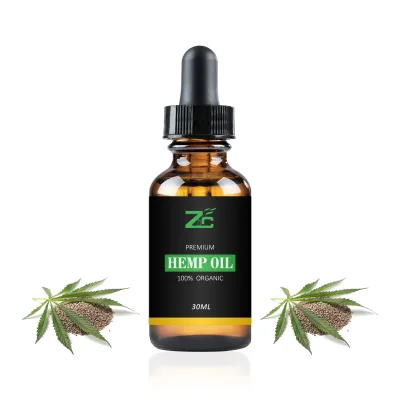

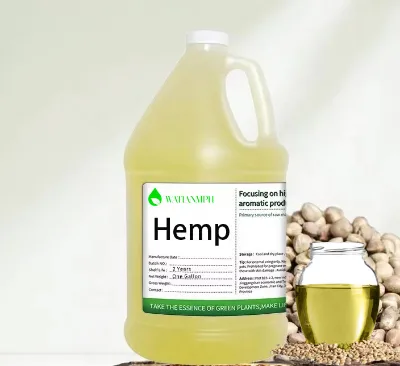
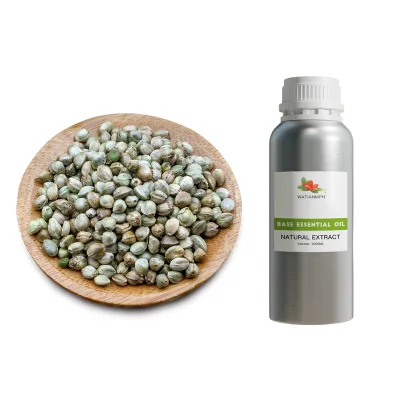


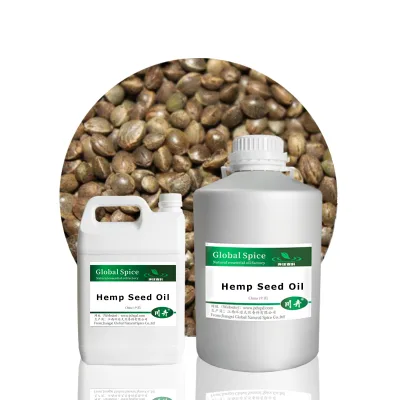


Comprehensive Sourcing Guide
Strategic Sourcing Guide for Cosmetic Grade Hemp Oil
Understanding Product Attributes and Technical Specifications
When initiating a procurement strategy for Cosmetic Grade Hemp Oil, buyers must first distinguish between the various classifications and physical properties available in the global market. The core keyword "Cosmetic Grade Hemp Oil" often intersects with broader categories such as essential oils, carrier oils, and refined hydrocarbons. Based on observed market data, the physical state of these products is consistently described as a liquid, ranging from light yellow and clear to crystal clear and viscous. The appearance is a critical initial indicator of quality; high-grade options are frequently noted as colorless or possessing a light yellow hue, while others may be described as crystal clear depending on the refining process.
Technical specifications vary significantly based on the processing stage. Some products undergo III Grade Hydrogenation and deep refining to achieve specific purity levels, while others rely on extraction methods from raw materials like flowers. Buyers should verify the "Chief Constituents," which often include oil content, and examine "Technique Data" points such as viscosity and density. These metrics are not merely descriptive but are functional requirements for formulation stability. For instance, viscosity determines the flow characteristics in a cosmetic base, while density affects the mixing ratios with other ingredients. The "Grade Separation" is another vital attribute, with options ranging from Pure Grade to Perfume Grade, indicating the intended level of refinement and suitability for different cosmetic applications.
The classification of the product also dictates its usage profile. While some listings categorize the material strictly as a "Compound Essential Oil" or "Cosmetic White Oil," others identify it as a raw material for diverse industries including rubber tires, candles, and building materials. For cosmetic procurement, the focus must remain on the "Eco-Friendly" status and the "Method" of production, such as distillation or extraction, to ensure the final product aligns with clean beauty standards. The "Status" of the product is invariably liquid, but the "Storage Method" and "Storage" conditions are equally critical; recommendations often include storing in a cool and dry place or at room temperature to maintain integrity over a shelf life that typically exceeds 12 months.
Compliance, Certification, and Regulatory Verification
Navigating the regulatory landscape is paramount when sourcing cosmetic ingredients. The market presents a variety of certifications that serve as proxies for quality and safety, though buyers must verify these claims against current regulatory frameworks. Common certifications observed in the supply chain include MSDS (Material Safety Data Sheet) and GMP (Good Manufacturing Practice). These documents are essential for demonstrating that the product meets safety standards for handling and manufacturing. However, the presence of a certification on a product listing does not automatically guarantee compliance with every jurisdiction's specific cosmetic regulations, such as those in the EU or the US.
Buyers must scrutinize the "Supply Type" offered by potential vendors. Many suppliers indicate an OEM/ODM capability, which implies they can customize the product to meet specific regulatory or branding needs. This is particularly relevant for "Private Customized Packaging," which allows for tailored presentation while maintaining compliance with labeling laws. The "Standard" of the product is another area requiring careful attention. While some listings reference specific standards like "25KG/Drum" or "Naphrenic Oil" classifications, these often refer to packaging or base oil types rather than cosmetic-specific purity standards.
It is crucial to distinguish between industrial and cosmetic grades. A product listed with a standard of "Naphthenic Oil" or intended for "Building Materials" and "Fuel" industries is likely unsuitable for direct cosmetic application without further processing or validation. The "Purity" of the oil is a key compliance metric; some sources cite purity levels as high as 99.9%, but this figure must be validated through third-party testing. Buyers should not assume that a product labeled as "High" grade automatically meets cosmetic safety thresholds. The "Other Names" provided, such as "Paraffin Oil" or "Cosmetic White Oil," can sometimes cause confusion regarding the actual botanical origin. True hemp oil should be distinguished from mineral-based oils like paraffin, which are derived from petroleum. Therefore, verifying the "Raw Material" source, such as "Flowers" or specific plant parts, is essential to confirm the botanical identity and ensure the product is genuinely hemp-derived rather than a mineral substitute.
Cost Drivers and Pricing Dynamics
The pricing structure for Cosmetic Grade Hemp Oil is influenced by a complex interplay of factors, including raw material scarcity, processing complexity, and packaging requirements. The observed price range in the market is vast, spanning from $0.79 to $1200 per unit. This extreme variance indicates that the unit of measure and the grade of the product are the primary determinants of cost. A price at the lower end of the spectrum likely corresponds to bulk industrial grades, large volume packaging, or less refined products, whereas the higher end may reflect premium cosmetic grades, smaller unit sizes, or specialized processing.
MOQ (Minimum Order Quantity) is a significant cost driver. The observed MOQ range extends from 1 to 10,000 units, with specific listings indicating an MOQ of 1 ton for certain bulk products. For buyers seeking smaller quantities for testing or niche product lines, the per-unit cost will naturally be higher due to the lack of economies of scale. Conversely, large-scale procurement can leverage lower unit costs but requires significant capital outlay and storage capacity. The "Packaging Material" also impacts the final price. Options such as "Drum," "IBC Tank," "Liquid Container," and "Tank" vary in cost and suitability for different order volumes. A "25KG/Drum" standard is common, but larger formats like "170kg," "850kg," or "20t" are available for industrial clients, influencing the logistics and total landed cost.
Additional cost factors include the "Production Methods" employed. Processes like "Distillation" and "III Grade Hydrogenation" add value but also increase production time and expense. The "Key Features" such as "High Temperature Resistance" or specific functional benefits like "Anti-Aging" and "Anti-Wrinkle" properties may command a premium price. Furthermore, the "Location" of the origin, such as "China" or specific regions like "Sinkiang Karamay," affects shipping costs and import duties. Buyers must calculate the total cost of ownership, including freight, insurance, and tariffs, rather than focusing solely on the FOB price. The "Supply Type" of OEM/ODM may also introduce additional costs for custom labeling and formulation adjustments.
Typical Applications and Functional Usage
Cosmetic Grade Hemp Oil serves a multifaceted role in the formulation of personal care products. Its primary application is as a base or active ingredient in skincare, where its functional properties are leveraged to deliver specific benefits. The observed "Application" fields highlight uses for the "Body," suggesting its integration into lotions, creams, and massage oils. The "Feature" set associated with these products often includes claims related to "Anti-Puffiness," "Dark Circles," "Face-lift," "Anti-Aging," and "Anti-Wrinkle." While these are marketing claims, they guide the formulation strategy for buyers targeting anti-aging or rejuvenation product lines.
Beyond skincare, the versatility of the oil allows for use in various cosmetic categories. The "Usage" data indicates that the raw material is suitable for a wide array of industries, including "Rubber Tire," "Candle," and "Wrapper Industries," though for cosmetic buyers, the focus remains on personal care. The "Appearance" as a "Clear and Viscous Liquid" or "Crystal Clear" makes it suitable for serums and transparent formulations where visual clarity is desired. The "Chief Constituents" of "Oil Content" ensure that the product provides the necessary emollient properties to hydrate and soften the skin.
The "Technique Data" such as "Viscosity" and "Density" are critical for formulators. High viscosity oils may be used as thickening agents or in products designed for slow absorption, while lower viscosity oils might be preferred for facial serums or lightweight moisturizers. The "Storage" requirements, such as keeping the product in a "Cool and Dry Place," influence the shelf life and stability of the final cosmetic product. A shelf life of over 12 months is a standard expectation, ensuring that the finished goods remain stable during distribution and retail display. The "Class" of the product, often labeled as "High," suggests a premium positioning in the market, suitable for high-end cosmetic brands.
Supplier Evaluation and Sourcing Strategy
Evaluating suppliers for Cosmetic Grade Hemp Oil requires a rigorous due diligence process that goes beyond simple price comparison. Buyers should prioritize suppliers who demonstrate transparency in their "Production Methods" and "Raw Material" sourcing. The origin of the product, whether from "China" or specific regions like "Sinkiang Karamay," should be verified for consistency and quality control. Suppliers offering "OEM/ODM" services are generally more flexible, allowing for customization of packaging and formulation to meet specific brand requirements.
The "Certification" status is a key differentiator. Suppliers providing "MSDS" and "GMP" certifications are better positioned to support regulatory compliance. However, buyers must verify the validity of these certifications and ensure they cover the specific product batch being purchased. The "Supply Type" should align with the buyer's volume needs; a supplier with a high MOQ of 1 ton may not be suitable for a startup, whereas one offering an MOQ of 1 unit might be too expensive for large-scale production.
Buyers should also assess the "Packaging" capabilities. The availability of "Private Customized Packaging" allows for brand differentiation, while standard options like "Drum" or "IBC Tank" are more cost-effective for bulk purchases. The "Standard" of the product, such as "25KG/Drum" or "60ml," should match the buyer's logistical capabilities. Finally, the "Status" of the product as a liquid and its "Appearance" should be confirmed through samples before committing to a large order. Visual inspection of the "Color" and "Viscosity" can reveal inconsistencies that might not be apparent in the product listing.
Quality Control and Long-Term Procurement Considerations
Ensuring consistent quality in Cosmetic Grade Hemp Oil requires a robust quality control (QC) framework. Buyers should establish clear specifications for "Appearance," "Color," "Viscosity," and "Purity" in their purchase orders. Regular testing for "Density" and "Oil Content" is essential to maintain product consistency. The "Shelf Life" of over 12 months is a standard benchmark, but buyers must implement proper "Storage" protocols, such as maintaining a "Cool and Dry Place" or "Room Temperature" conditions, to prevent degradation.
Long-term procurement considerations involve building a resilient supply chain. Buyers should diversify their supplier base to mitigate risks associated with geopolitical issues, such as those in "Sinkiang Karamay" or "China." Establishing a relationship with suppliers who offer "Eco-Friendly" products aligns with growing consumer demand for sustainable cosmetics. The "Process" of "Deeply Refined" or "III Grade Hydrogenation" should be verified to ensure the product meets the desired purity levels.
Buyers must also consider the "Usage" trends in the cosmetic industry. As the market shifts towards natural and organic ingredients, the demand for "Pure Grade" and "Perfume Grade" hemp oils is likely to increase. Staying informed about changes in "Standard" regulations and "Certification" requirements will help buyers adapt their sourcing strategies. Finally, maintaining open communication with suppliers regarding "Production Methods" and "Raw Material" availability will ensure a steady supply of high-quality Cosmetic Grade Hemp Oil for future product development.
FAQs
What is the shelf life of Cosmetic Grade Hemp Oil?
The shelf life exceeds 12 months when stored correctly. Buyers should keep the product in a cool and dry place or at room temperature to maintain its liquid status and quality over time.
Can I get custom packaging for this oil?
Yes, private customized packaging is available for this product. Suppliers offer OEM and ODM services, allowing buyers to tailor the packaging to specific branding needs while maintaining compliance.
What certifications are required for this oil?
Common certifications include MSDS and GMP for safety and manufacturing standards. Buyers must verify these documents to ensure the product meets regulatory requirements for cosmetic applications.
How is the oil processed and refined?
The oil undergoes processes like distillation, III Grade Hydrogenation, and deep refining. These methods ensure high purity levels and specific physical properties like viscosity and density suitable for formulations.
What are the storage requirements for this product?
Storage requires a cool and dry place or room temperature conditions. Proper storage prevents degradation and ensures the product remains a clear, viscous liquid with a shelf life over 12 months.
Which packaging formats are available for bulk orders?
Available formats include drums, IBC tanks, and liquid containers. Standards vary from 25kg drums to larger 170kg or 850kg options depending on the supplier and order volume requirements.
What is the minimum order quantity for this oil?
The minimum order quantity ranges from 1 unit up to 10,000 units. Some bulk listings specify an MOQ of 1 ton, so buyers should check specific supplier terms for their volume needs.