Source Cotter Pin for Machinery, Automotive, and Construction
Compare 30 Cotter Pin options from verified Chinese suppliers offering zinc plating and stainless steel materials. Buyers can evaluate customization, certifications like ISO and CE, and delivery times ranging from 15 days for various industrial applications; compare the available evidence and request quotations based on your requirements.
Key considerations
Products List




Comprehensive Sourcing Guide
Cotter Pin Sourcing Guide
Product Scope and Observed Listing Signals
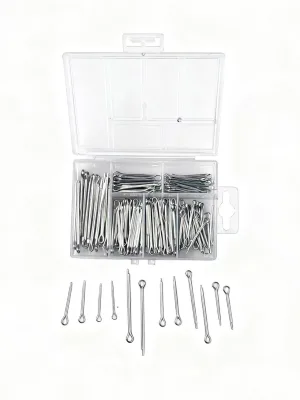
The Cotter Pin market features a diverse array of fasteners, ranging from standard mechanical components to decorative items. Listings indicate products such as spring cotter pins, butterfly pins, and linch pins, with shapes varying from cylinders to irregular forms. Buyers must distinguish between functional hardware designed for machinery and automotive applications and stylistic variants like folk or religious designs. The observed product names suggest a broad catalog that includes both industrial-grade fasteners and specialized aesthetic pieces, requiring careful filtering to identify the correct component for your specific engineering needs.
Surface finishing options are prominently displayed, with zinc plating, black oxide, and plain finishes being common observations. These treatments are critical for corrosion resistance and longevity, particularly in outdoor or high-wear environments. The presence of customization options allows for tailored solutions, including specific end types and colors such as antique finishes. However, the coexistence of standardized models like DIN11024 and unstandardized items means that buyers must verify whether a listing refers to a precise mechanical specification or a generic decorative item to avoid procurement errors.
Technical Specifications to Verify
Dimensional accuracy is paramount when sourcing cotter pins, as they serve as critical safety components in assemblies. Buyers should verify standard designations such as DIN11023, DIN11024, and ISO references, which dictate precise dimensions for pin diameter and length. The observed range of M2-M8 and M0.6-M20 indicates availability across various sizes, but the specific model number must match the hole diameter of the mating part. Customizable length options are available, yet they require clear technical drawings to ensure the pin extends sufficiently to be bent securely without interfering with adjacent components.
Material selection directly impacts the mechanical strength and environmental resilience of the fastener. Stainless steel is a noted material option, offering superior corrosion resistance compared to standard carbon steel variants. The surface treatments observed, including zinc plating and passivation, provide additional protection against rust and wear. Buyers must confirm the material grade and finish compatibility with the operating environment, especially for applications in construction or automotive sectors where exposure to moisture, chemicals, or extreme temperatures is common.
Compliance and Safety Documentation
Certification requirements vary significantly depending on the end-use industry and regional regulations. Listings mention ISO, CE, GS, and RoHS certifications, which signal adherence to quality management and environmental standards. For industrial applications, ISO certification is often a baseline requirement, ensuring consistent manufacturing processes. Buyers should request valid certificates for each batch or production run, particularly when sourcing from regions like Ruian or Hebei in China, to verify that the supplier maintains rigorous quality control protocols throughout the manufacturing lifecycle.
Safety documentation is essential for components used in critical machinery and automotive assemblies. The presence of SGS testing reports and ISO9001:2008 certificates provides evidence of material integrity and process reliability. Buyers must ensure that the cotter pins meet the specific safety standards of their target market, such as CE marking for European exports. It is crucial to validate that the certifications are current and applicable to the specific product type, as decorative pins may not require the same level of compliance as structural fasteners used in load-bearing applications.
Cost Drivers and Commercial Terms
Pricing for cotter pins is influenced by material costs, surface treatment complexity, and order volume. The observed price range of 0-6.67 USD suggests significant variation based on size, material grade, and finishing requirements. Customization, such as non-standard shapes or specific colors, typically incurs additional tooling and setup fees. Buyers should anticipate higher unit costs for small batches and negotiate volume discounts for larger orders, keeping in mind that specialized finishes like black oxide or antique plating may carry a premium over standard zinc plating.
Minimum Order Quantities (MOQ) and payment terms are key commercial factors to consider. Observed MOQs range from 100 to 20,000 units, with some suppliers setting a baseline of 1,000 pieces. Payment terms often include T/T, which is standard for international trade but requires careful financial planning. Buyers should clarify whether the MOQ applies per size or per order, and confirm if sampling costs are refundable upon placing a bulk order. Understanding these terms helps in budgeting accurately and avoiding unexpected charges for small-scale procurement needs.
Supplier Qualification and Quality Control
Supplier location and origin play a role in logistics and communication efficiency. Many suppliers are based in China, with specific mentions of Ruian and Hebei regions. Buyers should assess the supplier’s production capacity and lead times, which are often cited as 15 days for delivery. Sampling times of 3-5 workdays allow for quick verification of quality before committing to large orders. It is advisable to request samples to inspect surface finish, material quality, and dimensional accuracy, ensuring they meet your technical specifications before approving mass production.
Quality control processes should be explicitly defined in the purchase agreement. Suppliers offering bulk or carton packing, as well as wooden pallet options, indicate varying levels of packaging care. Buyers should specify packing requirements to prevent damage during transit, especially for zinc-plated items where surface scratches can compromise corrosion resistance. Verifying the supplier’s ability to provide consistent quality across batches is crucial, as variations in plating thickness or material hardness can lead to premature failure in critical applications.
Long-Term Procurement Checks
Establishing a reliable supply chain requires ongoing monitoring of supplier performance and product consistency. Buyers should track delivery dates and lead times to ensure they align with production schedules. Regular audits of supplier certifications, such as ISO and CE, help maintain compliance with evolving regulatory standards. Building a relationship with a supplier who offers customization and responsive customer service can facilitate quicker resolution of issues and better support for future design changes or volume increases.
Continuous evaluation of cost-effectiveness and quality is essential for long-term success. Buyers should periodically review pricing trends and compare offerings from multiple suppliers to ensure competitive rates. Monitoring the performance of installed cotter pins in the field can provide valuable feedback on durability and reliability. If issues arise, such as corrosion or mechanical failure, buyers should work with suppliers to investigate root causes and implement corrective actions, ensuring that future orders meet the required performance standards for machinery, automotive, or construction applications.
FAQs
What materials are used for cotter pins?
Cotter pins are primarily manufactured from stainless steel to ensure durability and resistance to corrosion. This material choice supports applications in machinery, automotive, and construction sectors where strength and longevity are critical for secure fastening and operational safety.
What surface finishes are available for cotter pins?
Available surface finishes include zinc plating, black oxide, and plain treatments. These options provide varying levels of corrosion protection and aesthetic appeal, allowing buyers to select the appropriate finish based on specific environmental conditions and application requirements for their projects.
Can cotter pins be customized for specific needs?
Yes, customization is available for various product attributes including shape, design, and end types. Buyers can request customized shapes or specific styles such as folk or religious designs, ensuring the fasteners meet unique mechanical or aesthetic requirements for specialized industrial applications.
What standards do cotter pins comply with?
Cotter pins comply with standards such as DIN11024 and DIN11023, covering sizes from M2 to M8. These specifications ensure consistent dimensions and quality, facilitating reliable integration into global supply chains and meeting international engineering requirements for secure mechanical fastening solutions.
What is the typical delivery time for orders?
The typical delivery time is approximately 15 days for standard orders. This lead time allows for efficient production and logistics planning, ensuring timely availability of fasteners for urgent manufacturing needs while maintaining quality control and adherence to specified packaging requirements.
What certifications are held by Cotter Pin suppliers?
Suppliers often hold certifications including ISO, CE, GS, and RoHS. These credentials verify compliance with international quality management and safety standards, providing buyers with confidence in the reliability and regulatory adherence of the manufactured components for diverse industrial and commercial applications.