Source Cotton Canvas Tote Bag for Shopping, Daily Life, and Leisure
Find 30 Cotton Canvas Tote Bag options for wholesale sourcing. Compare models like SU-SHB-196 and MA-2241298, noting features such as waterproof or non-waterproof designs, custom logos, and various packing methods to suit your business needs; compare the available evidence and request quotations based on your requirements.
Key considerations
Products List


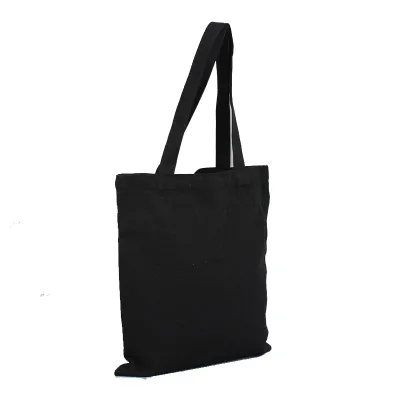


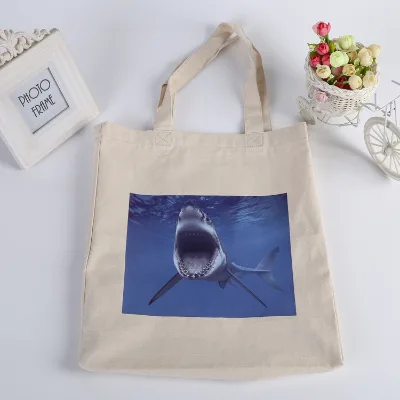

Comprehensive Sourcing Guide
Cotton Canvas Tote Bag Sourcing Guide
Sourcing cotton canvas tote bags requires careful attention to material composition and structural integrity, as observed listings indicate a mix of pure canvas and blended constructions. Buyers must verify whether the inside material is polyester or nylon, as this significantly impacts durability and water resistance for daily life applications. The observed product range includes styles ranging from leisure to the newest fashionable designs, suggesting that procurement strategies should align with specific seasonal trends like summer collections.
Procurement teams should also scrutinize the customization capabilities, as many suppliers offer customized logos and specific packing formats like individual OPP bags or cartons. The availability of OEM and ODM services allows for tailored branding, but buyers must confirm if the customization extends to dimensions, such as the observed 35x40cm or 45x50cm standards. Understanding these variable specifications is essential before placing orders, as the final product must meet the intended usage requirements for shopping or promotional events.
Product Scope and Observed Listing Signals
The market for cotton canvas tote bags displays a wide spectrum of hardness levels, ranging from soft to medium soft, which directly influences the bag's ability to hold weight without losing shape. Buyers should note that while some listings specify waterproof features, others are explicitly non-waterproof, necessitating a clear definition of the intended use case before selection. This distinction is critical for applications involving outdoor shopping or exposure to moisture, where a waterproof lining or coating might be a mandatory requirement.
Listing signals also reveal diverse packaging standards, with options including individual poly bags, cartons, or specific dimensions like 22x30x15cm and 27x27x27mm for storage and shipping. The observed price range of 0.49 to 11.4 USD suggests significant variance based on material quality, design complexity, and order volume. Procurement professionals must correlate these price points with the observed minimum order quantities, which range from 50 to 1000 pieces, to ensure the selected supplier aligns with the buyer's budget and inventory strategy.
Technical Specifications to Verify
Technical verification must begin with the physical dimensions and standard sizes, as observed models include specific measurements like 40cmx35cmx12cm or customizable options. Buyers should confirm that the listed standard matches the actual product dimensions, especially when the listing mentions "customized" as a standard feature, to avoid discrepancies in storage or display. The presence of various product models, such as SU-SHB-196 or MA-2241298, indicates that each SKU may have unique structural properties that require individual validation.
Material composition is another critical technical parameter, with observed listings specifying canvas as the primary material and polyester or nylon for the inside lining. Buyers must verify the exact fabric weight and thread count to ensure the bag meets the "Best" quality claims often associated with these products. Additionally, the hardness rating, whether soft or medium soft, should be tested against the expected load capacity to guarantee that the tote bag maintains its horizontal square design during regular use.
Compliance and Safety Documentation
While specific certifications like BSCI, OEKO-TEX, or GOTS are mentioned in background contexts, buyers must request current, valid documentation from the supplier rather than assuming compliance based on general market knowledge. The eco-friendly attribute observed in several listings should be substantiated with third-party test reports that verify the absence of harmful substances in the canvas and lining materials. Without concrete evidence, claims of eco-friendliness remain unverified and could pose risks for brands with strict sustainability mandates.
Safety documentation should also address the manufacturing standards, particularly regarding the origin of the goods, which is listed as China or Anhui. Buyers need to ensure that the production facilities adhere to local labor laws and international safety standards, especially when the product is intended for children or sensitive markets. Requesting a factory audit report or a certificate of origin can help mitigate risks associated with supply chain transparency and ensure that the product meets all regulatory requirements for the target market.
Cost Drivers and Commercial Terms
Cost drivers for cotton canvas tote bags are heavily influenced by the customization level, with options for customized logos and specific packing formats adding to the base price. The observed minimum order quantity of 500 pieces for some models suggests that economies of scale play a significant role in pricing, and buyers should negotiate based on their volume requirements to secure better rates. Additionally, the sample time, which ranges from 5 to 7 days, can impact the overall project timeline and should be factored into the commercial terms to avoid delays.
Commercial terms must also account for the lead time and shipping logistics, as the origin location in China or Anhui affects transit times and freight costs. Buyers should clarify whether the quoted price includes packaging costs, such as the 1PC/Poly Bag + Carton configuration, or if these are separate line items. Understanding the full cost structure, including potential tariffs and duties, is essential for accurate budgeting and ensuring that the final landed cost aligns with the procurement strategy.
Supplier Qualification and Quality Control
Supplier qualification should focus on their ability to handle customization requests, as the observed listings indicate a high demand for customized logos and specific design elements like crocodile grain or candy colors. Buyers must assess the supplier's capacity to maintain consistency across large orders, especially when dealing with multiple product models and varying specifications. A robust quality control process is necessary to ensure that the "Best" quality claims are met consistently across all units produced.
Quality control measures should include pre-production samples and in-line inspections to verify that the material, dimensions, and finishing details match the agreed specifications. Buyers should request a detailed quality assurance plan that covers the entire production process, from raw material sourcing to final packaging. This proactive approach helps identify potential issues early and ensures that the final product meets the expected standards for durability, aesthetics, and functionality.
Long-Term Procurement Checks
Long-term procurement checks should involve regular performance reviews of the supplier's ability to meet delivery schedules and maintain product quality over time. Buyers should establish key performance indicators (KPIs) that track on-time delivery rates, defect rates, and responsiveness to customization requests. Consistent monitoring of these metrics helps identify any deviations from the agreed standards and allows for timely corrective actions to prevent supply chain disruptions.
Additionally, buyers should maintain open communication channels with suppliers to stay informed about any changes in material availability, production capacity, or regulatory requirements. Regular audits and feedback sessions can foster a collaborative relationship and ensure that both parties are aligned on quality expectations and business goals. This ongoing engagement is crucial for building a resilient supply chain that can adapt to changing market conditions and customer demands.
FAQs
Can I customize the logo on cotton canvas tote bags?
Yes, customized logos are available for these bags. The product attributes indicate that OEM and ODM services are acceptable, allowing buyers to add their specific branding. This customization option supports distinct brand identity for retail or promotional use cases.
What is the typical sample time for these bags?
The sample time is typically 5 to 7 days. This duration allows buyers to review the quality and design before placing a bulk order. The fast turnaround ensures that procurement timelines remain efficient for seasonal or urgent marketing campaigns.
What is the minimum order quantity for these bags?
The minimum order quantity is 500 pieces. This MOQ applies to the standard production runs for these canvas tote bags. Buyers should plan their inventory needs accordingly to meet this threshold for cost-effective manufacturing and shipping arrangements.
What materials are used for the cotton canvas tote bags?
The bags are made from canvas material with a polyester inside lining. Some variants may feature nylon interiors. This combination provides durability for daily use while maintaining a soft texture. The eco-friendly nature of the materials is also highlighted.
Are these bags waterproof or water-resistant?
Waterproof options are available for these tote bags. While some listings indicate non-waterproof features, others explicitly state waterproof capabilities. Buyers should specify their requirement during the customization process to ensure the bag meets their specific environmental protection needs.
What are the standard packing methods for these bags?
The bags are packed in individual OPP bags and then placed in cartons. This method protects the items during transit and storage. The carton dimensions vary, with some standard sizes being 40cm by 35cm by 12cm, ensuring efficient logistics.