Source Cosplay Katana for Personal Decoration, Collection, and Home Decoration
Compare 30 available Cosplay Katana options featuring various blade materials like carbon steel and bamboo, with customization and painting processes. Buyers can evaluate specifications such as overall length and handle dimensions for personal decoration, collection, or home decoration purposes.
Key considerations
Products List


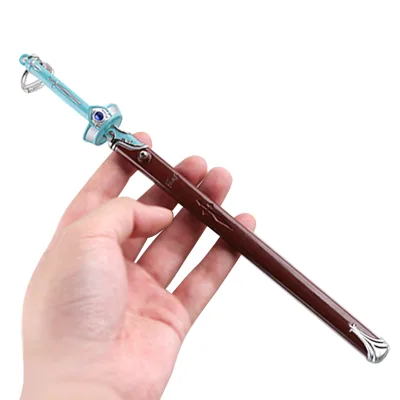
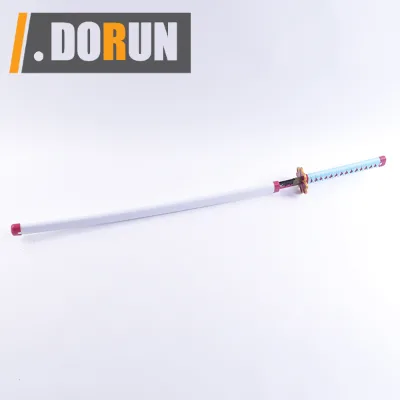
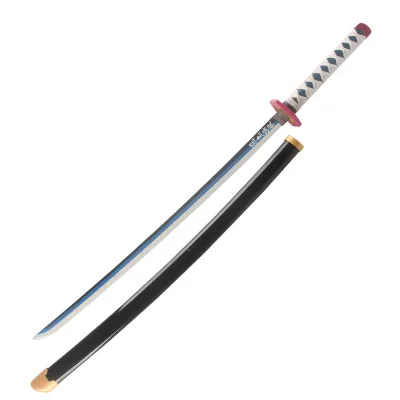
Handmade Demon Slayer Usui Twin Swords Anime Swords Cosplay Swordsss456
$50.00 - $195.00
MOQ: 1 Pieces






Comprehensive Sourcing Guide
Strategic Sourcing Guide for Cosplay Katana Procurement
The global market for cosplay and decorative weaponry has expanded significantly, driven by the growing popularity of anime, gaming, and historical reenactment communities. For procurement professionals in the B2B sector, sourcing "Cosplay Katana" requires a nuanced understanding of the distinction between functional martial arts equipment and collectible replicas. The product landscape is diverse, ranging from lightweight cartoon-style items to detailed, hand-made steel replicas. This guide synthesizes available market data to provide a disciplined framework for evaluating suppliers, verifying specifications, and managing procurement risks without relying on unverified claims or specific vendor recommendations.
Technical Specifications and Material Variability
When sourcing cosplay katanas, the first critical step is defining the technical parameters that align with the intended use case. The market exhibits significant variability in blade materials, overall dimensions, and construction processes. Buyers must distinguish between products designed for high-impact performance and those intended solely for static display or light costume wear.
Data indicates a spectrum of blade materials available in the current supply chain. Options include Bamboo, Carbon Steel, and Stainless Steel. Bamboo variants are typically lighter and safer for active play, while Carbon Steel and Stainless Steel offer a more authentic aesthetic and weight distribution suitable for high-end collectibles. The choice of material directly influences the product's weight, durability, and safety profile. For instance, observed net weights for similar items range from 0.5kg to 0.9kg, suggesting that even within the same category, density and construction vary.
Dimensions are another crucial specification. The overall length of these replicas often centers around 104cm (approximately 40.9 inches), with blade lengths varying between 68cm and 70.5cm. Handle lengths typically fall between 26cm and 26.8cm. These measurements are not universal; specific models such as M030A, T042A, and ZKMINI demonstrate that manufacturers offer distinct profiles. Procurement teams must verify the exact model numbers and dimensional tolerances against their design requirements. A mismatch in blade length can alter the center of gravity, affecting the visual authenticity of the cosplay or the safety of the prop during movement.
Furthermore, the processing method is a key differentiator. The supply chain includes both "Hand-Made" and "Machinery" processed items. Hand-made products often carry a premium due to the labor intensity and potential for unique detailing, whereas machinery-processed items offer consistency and lower unit costs. Additionally, finishing processes such as painting, silk screen printing, and UV printing are common. Some suppliers offer customization options for plating and printing, which allows for brand-specific branding or character-accurate color schemes.
Compliance, Safety, and Certification Verification
Safety compliance is paramount when sourcing items that resemble weapons, particularly for events, trade shows, or children's merchandise. While specific certification standards were not explicitly listed in the provided product data, buyers must rigorously verify that products meet the safety regulations of their target market. In many jurisdictions, items resembling weapons must be clearly distinguishable from real firearms or bladed weapons to prevent legal issues.
Buyers should request documentation confirming that the blade material and construction do not pose a sharpness hazard unless the product is explicitly marketed as a functional replica with appropriate safety warnings. For items intended for children or public events, the absence of sharp edges and the use of non-toxic materials (such as PVC sheaths and safe paints) are essential. The "Cartoon" shape attribute observed in some listings suggests a design focus on safety and appeal for younger demographics, whereas "Antique" styles may target adult collectors.
Certification checks should also extend to the manufacturing origin. Products listed with origins in China, specifically from regions like Zhejiang and Guangdong, are common in this sector. Buyers must ensure that the supplier adheres to international labor standards and environmental regulations. While specific certification bodies were not named in the source data, the presence of "Made in China" and specific provincial origins indicates a need for due diligence regarding the factory's compliance record. Procurement teams should verify that the supplier can provide proof of compliance with relevant safety standards for toys or decorative items, depending on the classification of the product in the destination country.
Cost Drivers and Pricing Dynamics
The pricing structure for cosplay katanas is influenced by several factors, including material composition, processing complexity, and customization levels. The observed price range in the market spans from $2.19 to $195 USD, reflecting a wide disparity in product value. The lower end of the spectrum typically corresponds to mass-produced, machinery-processed items with simple materials like bamboo or basic steel, often intended for bulk promotional use. The higher end of the range likely represents hand-made, high-fidelity replicas with premium materials, intricate detailing, and custom finishes.
Minimum Order Quantity (MOQ) is another significant cost driver. The market data indicates an MOQ range of 1 to 100 units, with specific listings showing an MOQ of 50 pieces. This variability allows buyers to tailor their procurement strategy based on budget and inventory needs. Small orders may incur higher per-unit costs due to setup fees or lack of economies of scale, while bulk orders can significantly reduce the unit price.
Customization is a major factor in pricing. Attributes such as "Customization: Available," "Customized," and "Plating: Customization" suggest that bespoke orders will command a premium. Buyers seeking specific branding, unique color schemes, or modified dimensions should anticipate higher costs and potentially longer lead times. The packaging standards, such as "Carton with foam" and "10PCS/CTN," also impact the final landed cost, as specialized packaging adds to the material and labor expenses.
Typical Applications and Usage Scenarios
Understanding the intended application of the Cosplay Katana is essential for selecting the right product. The market data highlights several distinct usage categories: Personal Decoration, Collection, Home Decoration, Gift, Promotion Gifts, Souvenirs, and Commerce Gift. These applications dictate the required durability, aesthetic quality, and safety features.
For promotional and commerce gifts, the focus is often on cost-effectiveness and brand visibility. Items with "Silk Screen Printing" and "UV Printing" capabilities are ideal for adding corporate logos or event branding. These products are frequently used at trade shows, conventions, or as corporate souvenirs. The "Unisex" gender attribute and "Outdoor" suitability suggest that these items are versatile for various marketing campaigns.
In the realm of personal decoration and collection, the emphasis shifts to aesthetic fidelity and craftsmanship. Collectors often seek "Antique" styles or "Hand-Made" items that mimic the look of traditional weaponry. These products are typically used for home display, museum exhibits, or personal cosplay collections. The "Steel" and "Carbon Steel" materials are preferred in this segment for their weight and appearance.
For cosplay events and reenactments, safety and durability are paramount. The "Cartoon" shape and "PVC" sheath materials observed in some listings are particularly suitable for active use, as they reduce the risk of injury. Buyers sourcing for this purpose must ensure that the product is lightweight enough for prolonged wear but sturdy enough to withstand handling.
Supplier Evaluation and Origin Analysis
Evaluating suppliers requires a careful review of their operational capabilities and geographic location. The provided data indicates that products originate from China, with specific mentions of Zhejiang and Guangdong provinces. These regions are known for their manufacturing expertise in metalwork and decorative items. However, the presence of multiple origin points suggests a fragmented supply chain, where different factories may specialize in different aspects of production.
When evaluating a potential supplier, buyers should verify their capacity for customization and quality control. The availability of "Customization" and "Plating: Customization" indicates that some suppliers have the technical infrastructure to handle bespoke orders. Buyers should request samples to assess the quality of the painting, the finish of the plating, and the overall construction.
The "Type" attribute, listed as both "Handicraft" and "Decoration," suggests that suppliers may offer a mix of artisanal and mass-produced goods. It is crucial to clarify whether the supplier specializes in one area or offers a hybrid model. For high-volume orders, a supplier with machinery-based processing capabilities may offer better consistency and speed. For small, high-value orders, a supplier with hand-made capabilities may be more appropriate.
Buyers should also assess the supplier's packaging standards. The "10PCS/CTN" and "Carton with foam" specifications indicate a focus on protecting the product during transit. This is particularly important for items with delicate finishes or sharp edges. A supplier that invests in proper packaging demonstrates a commitment to product integrity and customer satisfaction.
Quality Control and Long-Term Procurement Strategy
Implementing a robust quality control (QC) strategy is essential for mitigating risks in the Cosplay Katana market. Given the variability in materials and processing methods, buyers should establish clear acceptance criteria before placing orders. Key QC checkpoints include verifying the blade material, checking for surface defects in the painting or plating, and ensuring that the sheath material (such as PVC) is free from tears or defects.
For long-term procurement, building a relationship with reliable suppliers is critical. Buyers should aim to work with suppliers who offer consistent quality and transparent communication. The ability to customize products and the flexibility in MOQs are valuable assets for scaling operations. However, buyers must remain vigilant about the potential for supply chain disruptions, especially when sourcing from international locations.
Long-term considerations also include the potential for product evolution. As trends in cosplay and entertainment change, the demand for specific styles or materials may shift. Buyers should maintain a diverse supplier base to adapt to these changes. Additionally, staying informed about regulatory updates regarding toy and weapon replicas is essential to ensure ongoing compliance.
In conclusion, sourcing cosplay katanas requires a balanced approach that considers technical specifications, safety compliance, cost drivers, and supplier capabilities. By leveraging the available market data and maintaining a disciplined evaluation process, procurement professionals can secure high-quality products that meet the diverse needs of their customers. The key lies in understanding the nuances of the product landscape and making informed decisions based on verified facts rather than unverified claims.
FAQs
What blade materials are available for cosplay katanas?
Available blade materials include Bamboo, Carbon Steel, and Stainless Steel. Bamboo variants offer lighter weight for active play, while steel options provide authentic weight distribution for high-end collectibles.
Can I customize the plating and printing on these items?
Yes, customization is available for plating and printing processes. Suppliers offer options for Silk Screen Printing and UV Printing to meet specific branding or character accuracy requirements.
Which models have an overall length of approximately 104cm?
Models M030A and M037A both feature an overall length of 104cm. Specific blade lengths for these models vary slightly between 68cm and 70.5cm depending on the exact design.
What is the typical MOQ for ordering these decorative swords?
The minimum order quantity ranges from 1 to 100 units depending on the supplier. Some specific listings indicate an MOQ of 50 pieces for standard orders.
How are these products typically packaged for shipping?
Products are typically packed in cartons with foam for protection. Standard packing configurations often include 10 pieces per carton to ensure safe transit.
Where are these cosplay katanas manufactured?
Manufacturing origins include China, with specific production in Zhejiang and Guangdong provinces. All listed items are marked as Made in China.