Source Cotton Casual Baby Girl Dress for weddings, parties, and daily wear
Find 30 listings for Cotton Casual Baby Girl Dress suitable for weddings, parties, and daily wear. Buyers can compare features like material, age range, and supply type to identify the best option for their needs.
Key considerations
Products List
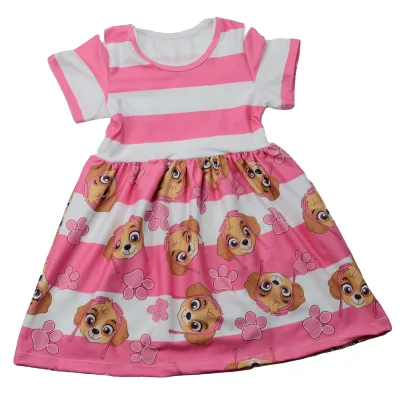
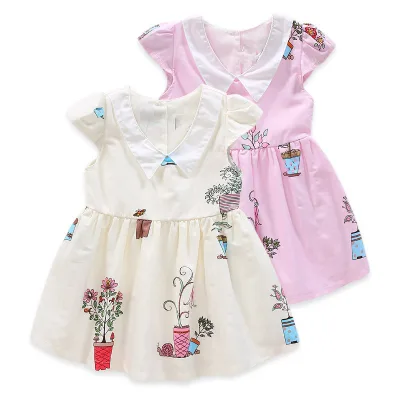
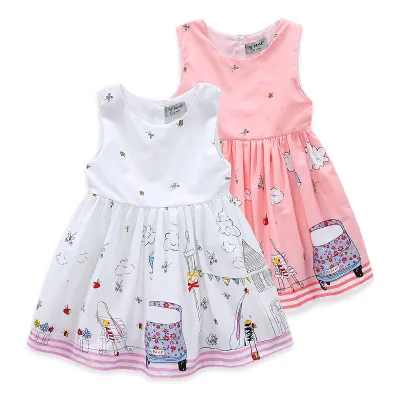
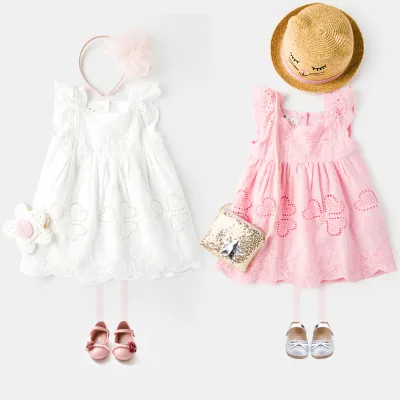
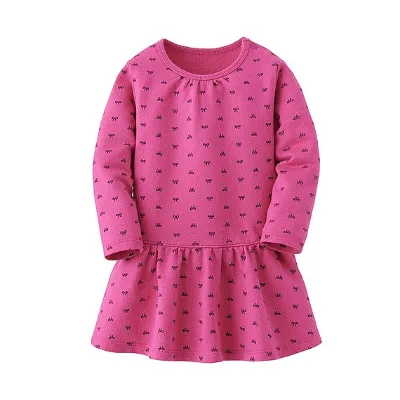
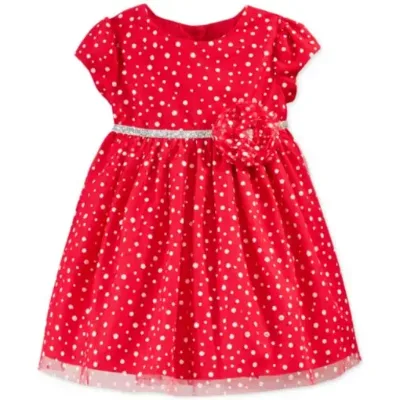
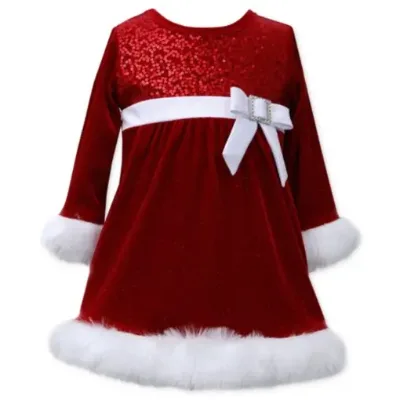
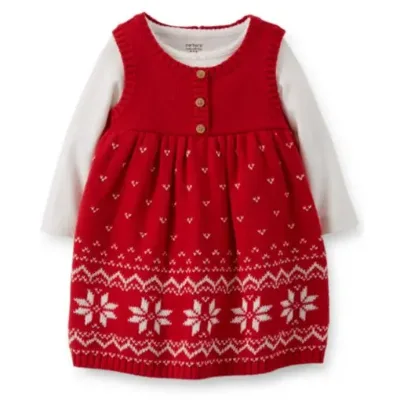
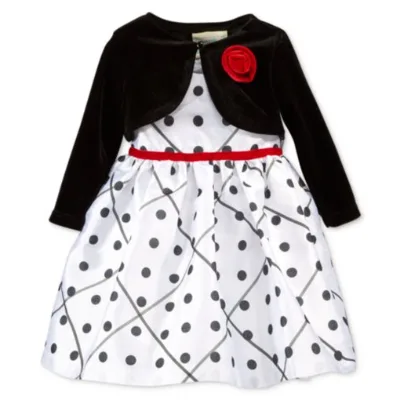


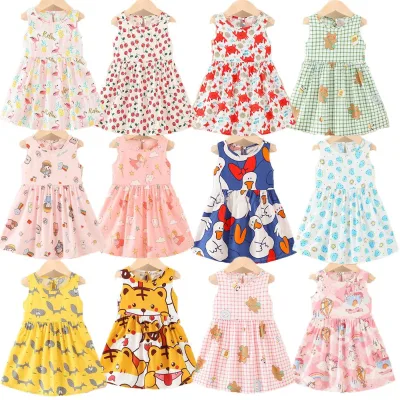
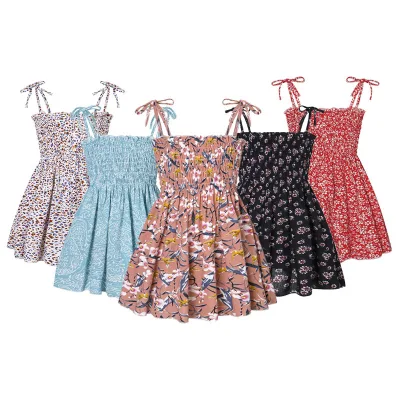
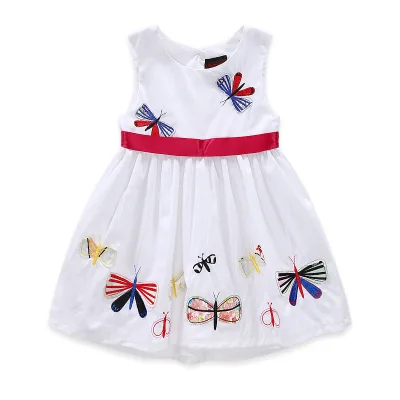
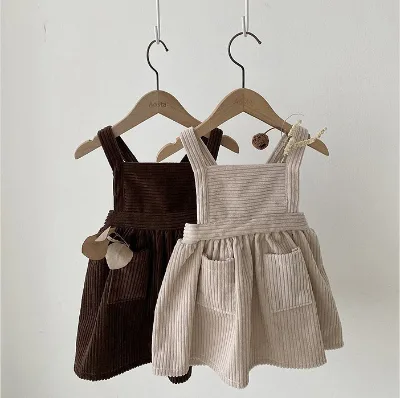
Spring Autumn Baby Corduroy Dress Casual Baby Girl Cotton Sleeveless Dress
$6.73 - $7.40
MOQ: 5 pieces


Comprehensive Sourcing Guide
Strategic Sourcing Guide for Cotton Casual Baby Girl Dresses
Understanding Product Specifications and Material Variance
When sourcing a Cotton Casual Baby Girl Dress, the primary objective is to align the physical attributes of the product with the specific needs of the target demographic, which typically ranges from infants to toddlers aged 0 to 4 years. The market presents a diverse array of options, and a critical first step in the procurement process is distinguishing between different material compositions and construction techniques. While the core keyword specifies "cotton," the actual supply landscape often includes variations such as 100% cotton, silk blends, or worsted fabrics, each offering distinct tactile and performance characteristics.
In the context of modern manufacturing, specifically within regions known for textile production like Zhejiang, China, buyers must carefully evaluate the material specifications provided by potential suppliers. Some listings indicate a "100% Cotton" composition, which is ideal for breathability and skin sensitivity, aligning with the "Casual" and "Baby Wear" descriptors. However, other product entries in the same category may list "Silk" or "Worsted" as the primary material. This variance necessitates a rigorous verification process where the buyer explicitly confirms the fiber content before placing an order. The distinction is not merely semantic; it dictates the garment's care requirements, durability, and suitability for different seasons. For instance, a "Summer" designation often pairs with lightweight cotton or silk to ensure comfort in warm weather, whereas heavier fabrics might be less suitable for the same application.
The technical construction of the dress also plays a pivotal role in its classification. Specifications such as "Sleeveless" or "Regular" sleeve styles, along with "Printed" or "Yarn Dyed" technics, define the aesthetic and functional profile of the item. A "Princess style" dress may feature different structural elements compared to a "Casual" design, impacting the pattern making and fabric consumption. Furthermore, the "Model Number" serves as a unique identifier for these variations, allowing procurement teams to track specific designs like QZ-17456 or PD-52052. When evaluating a supplier, it is essential to request detailed technical packs that confirm these attributes, ensuring that the final product matches the intended design brief. The "Single package size" and "Single gross weight" are also critical logistical data points; for example, a weight of 0.300 kg per unit influences shipping costs and container loading efficiency. Buyers should not assume that all "cotton casual" dresses share identical dimensions or weights, as these metrics can vary significantly based on the specific model and fabric density.
Compliance, Certification, and Safety Standards
In the realm of baby clothing, compliance and safety are non-negotiable. While the provided product data does not explicitly list specific certification statuses such as OEKO-TEX or GOTS, the absence of such claims in a supplier's initial listing does not preclude their existence, nor does it guarantee them. Buyers must treat these certifications as verification targets rather than assumed attributes. The safety of garments intended for children aged 0-4 years is paramount, requiring strict adherence to international standards regarding chemical residues, flammability, and physical safety.
Procurement teams should initiate a compliance audit that goes beyond the surface-level product description. The "Feature" section of product listings often highlights attributes like "Breathable" and "Washable," which are functional benefits but do not equate to safety certifications. A dress may be breathable due to its weave but still contain harmful dyes or formaldehyde if not properly treated. Therefore, the buyer must explicitly request third-party test reports from the supplier. These reports should cover specific parameters relevant to the target market, such as pH levels, formaldehyde content, and the presence of azo dyes.
When evaluating suppliers, particularly those offering ODM (Original Design Manufacturing) or OEM (Original Equipment Manufacturing) services, it is crucial to verify their quality management systems. Although some background information might mention standards like ISO 27001, this is primarily an information security standard and may not directly correlate with textile safety. Instead, the focus should be on textile-specific certifications. Buyers should ask for evidence of compliance with the safety standards of their destination country, whether it be the CPSIA in the United States, EN 14682 in Europe, or AS/NZS standards in Australia. The "Supply Type" listed as "In-Stock Items" or "Oem Service" indicates the supplier's flexibility, but it does not automatically confer compliance. A supplier capable of producing custom designs must also demonstrate the ability to maintain consistent quality and safety standards across different production runs.
The "Packaging Details" section often reveals the supplier's attention to hygiene and logistics. Standard packaging, such as "1pc/opp bag and 4pcs into a bigger bag," is common, but the materials used for packaging must also be safe and non-toxic. In some cases, suppliers offer "customized carton" options, which can be an opportunity to include specific compliance labeling or barcoding required by retailers. The buyer should ensure that the packaging process does not introduce contaminants to the garments. Furthermore, the "Port of dispatch" being listed as "Ningbo Or Shanghai" or "Shanghai/Ningbo" suggests a mature logistics infrastructure, but the buyer must verify that the shipping process maintains the integrity of the product from the factory floor to the port.
Cost Drivers and Pricing Dynamics
The pricing structure for cotton casual baby girl dresses is influenced by a complex interplay of factors, including material costs, labor, order volume, and supply chain logistics. The observed price range in the market can vary significantly, often falling between $1 and $10 USD per unit, depending on the specific attributes of the product. However, this range is a broad observation and should not be treated as a fixed benchmark for all transactions. The actual cost is heavily dependent on the "MOQ" (Minimum Order Quantity), which can range from 1 to 200 pieces per style or color.
For smaller orders, the unit cost will naturally be higher due to the fixed costs of setup, pattern making, and machine calibration. Conversely, larger orders benefit from economies of scale, potentially lowering the per-unit cost. The "Supply Ability" of a supplier, such as 500,000 pieces per month, indicates their capacity to handle large volumes, which can be a negotiating point for buyers seeking long-term contracts. However, high capacity does not always guarantee lower prices if the order quantity falls below the supplier's economic threshold.
Material composition is another significant cost driver. A dress made of "100% Cotton" may have a different cost structure compared to one made of "Silk" or "Worsted" fabric. The "Technics" employed, such as "Printed" or "Yarn Dyed," also impact the price. Yarn-dyed fabrics often require more complex production processes and higher quality control, which can increase the cost. Additionally, the "Design" complexity, whether it is a simple "Casual" style or a more elaborate "Princess style," affects the labor hours required for sewing and finishing.
The "Lead time" is another critical factor in cost management. A standard delivery time of 25-35 days after order confirmation is typical, but this can vary based on the season and the supplier's current workload. If a buyer requires a "7 days sample order lead time," this expedited service may come at a premium. The "Place of Origin" in Zhejiang, China, offers a competitive advantage in terms of labor and material availability, but global logistics costs, including freight and insurance, must be factored into the total landed cost. Buyers should also consider the "Selling Units," which are often listed as "Single item," but bulk purchasing is usually more cost-effective.
Typical Applications and Market Segmentation
The application of cotton casual baby girl dresses extends beyond simple daily wear, encompassing various market segments and usage scenarios. The primary demographic is children aged 0 to 4 years, with specific sub-segments targeting infants (0-2 years) and toddlers (2-4 years). The "Style" of the dress, whether "Casual," "Princess style," or "Wedding Baby Girl Dress," dictates its intended use. Casual dresses are designed for everyday wear, prioritizing comfort, durability, and ease of movement. These garments are suitable for playdates, outdoor activities, and general home use.
In contrast, "Princess style" or "Flower girl dresses" are often reserved for special occasions such as weddings, parties, and formal events. These dresses may feature more intricate designs, such as "Printed" patterns or specific "Sleeveless" cuts, and are often made from higher-quality fabrics like "Silk" to enhance the visual appeal. The "Season" designation, typically "Summer," indicates that these products are optimized for warm weather, utilizing lightweight and breathable materials to ensure the child's comfort.
The "Keywords" associated with these products, such as "girls dresses 0-14t," suggest a broader market reach that includes older children, although the specific product data focuses on the 0-4 year age range. This discrepancy highlights the importance of verifying the target age group for each specific model. Buyers should ensure that the sizing and design are appropriate for the intended age bracket to avoid returns and customer dissatisfaction. The "Color" options, often listed as "As Picture" or specific shades like "Sky Blue" and "Light Blue," allow for customization based on market trends and consumer preferences.
Supplier Evaluation and Capacity Assessment
Evaluating a supplier for cotton casual baby girl dresses requires a comprehensive assessment of their capabilities, reliability, and alignment with the buyer's requirements. The "Supply Type" is a key indicator of the supplier's flexibility, with options ranging from "ODM" and "Oem Service" to "In-Stock Items." ODM suppliers offer the advantage of design innovation and customization, while OEM suppliers focus on manufacturing based on the buyer's specifications. In-stock items provide the benefit of immediate availability, which can be crucial for urgent orders.
The "Capacity" of the supplier, often cited as 500,000 pieces per month, is a critical metric for assessing their ability to meet large-scale demand. However, capacity should be viewed in conjunction with the "MOQ" and "Lead time." A supplier with high capacity may still have a high MOQ, which could be a barrier for smaller buyers. Conversely, a supplier with a low MOQ might have limited capacity, leading to potential delays during peak seasons. The "Place of Origin" in Zhejiang, China, is a hub for textile manufacturing, offering access to a robust supply chain and skilled labor force.
Buyers should also evaluate the supplier's "Port of dispatch," which is typically "Ningbo Or Shanghai" or "Shanghai/Ningbo." These ports are major international shipping hubs, facilitating efficient logistics and reducing transit times. The "Delivery time" of 25-35 days after order confirmation is a standard benchmark, but buyers should verify if this timeline is consistent and reliable. The "7 days sample order lead time" is another important factor, as it allows buyers to evaluate the quality and design of the product before committing to a larger order.
Quality Control and Long-Term Procurement Strategies
Maintaining high quality in cotton casual baby girl dresses requires a robust quality control (QC) framework. The "Feature" attributes such as "Breathable," "Washable," and "Anti-Wrinkle" are essential for customer satisfaction, but they must be validated through rigorous testing. Buyers should implement a multi-stage QC process that includes pre-production, in-line, and final inspection. Pre-production inspections should verify the raw materials, ensuring that the "100% Cotton" or other specified fabrics meet the required standards. In-line inspections focus on the manufacturing process, checking for defects in stitching, printing, and assembly. Final inspections are conducted on the finished products to ensure they meet the design specifications and quality standards.
Long-term procurement strategies involve building strong relationships with suppliers who can consistently deliver high-quality products. This includes negotiating favorable terms for "Packaging Details," such as the option for "customized carton" to enhance brand presentation. Buyers should also consider the "Single gross weight" and "Single package size" when planning logistics, as these factors impact shipping costs and storage efficiency. The "Model Number" serves as a reference point for tracking product performance and quality over time, allowing buyers to identify trends and make data-driven decisions.
In addition to quality control, buyers should focus on sustainability and ethical sourcing. While specific certifications like GOTS may not be explicitly listed, buyers can inquire about the supplier's practices regarding labor conditions, environmental impact, and material sourcing. The "Supply Ability" of 500,000 pieces per month suggests a large-scale operation, which may offer opportunities for implementing sustainable practices. By prioritizing quality, compliance, and sustainability, buyers can ensure the long-term success of their procurement strategy in the competitive baby clothing market.
FAQs
What materials are used for cotton casual baby girl dresses?
Materials vary between 100% cotton, silk, and worsted fabrics depending on the specific model. Buyers must verify the fiber content in the product details, as listings may show 100% cotton for breathability or silk for a different texture. Always confirm the material composition before ordering to ensure suitability for the target age group.
How can I find suppliers with fast sample lead times?
Some suppliers support a 7-day sample order lead time for specific items like the Girls Skye Dress. You should check the lead time section of the product page to confirm if expedited sampling is available for your chosen model. This option helps verify quality before committing to a larger bulk order.
Which suppliers offer customization services for baby dresses?
Suppliers provide ODM and OEM services for customization of designs and packaging details. You can request customized cartons or specific packaging arrangements like tying four pieces with a band. Verify the specific customization capabilities directly with the vendor to ensure they meet your branding requirements.
What is the typical minimum order quantity for these dresses?
The minimum order quantity can range from 1 to 200 pieces per style or color depending on the supplier. Some listings specify 200 pieces per style or color as a standard requirement. Buyers should confirm the exact MOQ for their selected model to ensure it aligns with their inventory needs.
Can I find dresses suitable for infants aged 0-2 years?
Yes, specific models are designed for infants aged 0-2 years, such as the China Factory Baby Summer Cotton Dress. Other listings cover the broader 0-4 years range. Ensure the selected product explicitly states the age range to guarantee a proper fit for the intended child.
Where are these baby dresses typically manufactured and shipped from?
Products are primarily manufactured in Zhejiang, China, with dispatch ports in Ningbo or Shanghai. This location offers a mature logistics infrastructure for international shipping. Buyers should account for the origin location when calculating total landed costs and delivery timelines.