Source Creative Clockwork Animal Toy Set for gifts, parties, and education
Find 30 Creative Clockwork Animal Toy Set options from China. Compare plastic and plush models with wind-up mechanisms, varying age ranges, and OEM services. Review specs like MOQ, packaging, and test reports to select suitable educational or gift items for your business needs.
Updated
Key considerations
Products List
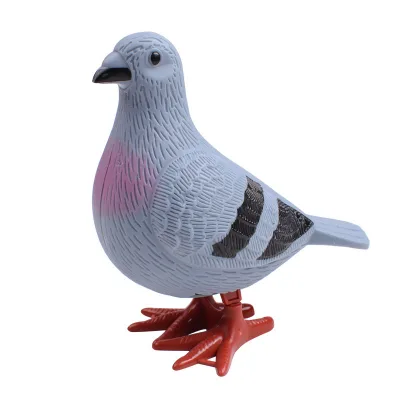


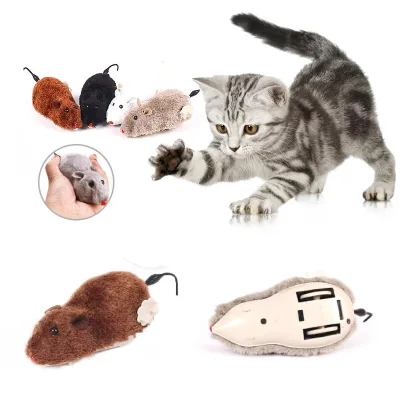
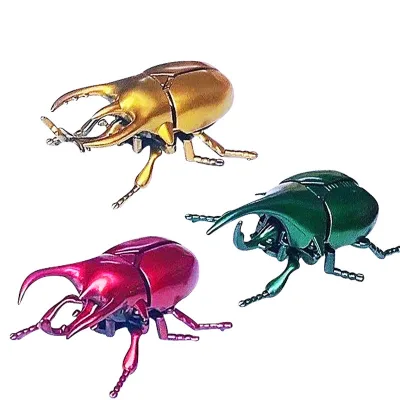








Comprehensive Sourcing Guide
Creative Clockwork Animal Toy Set Sourcing Guide
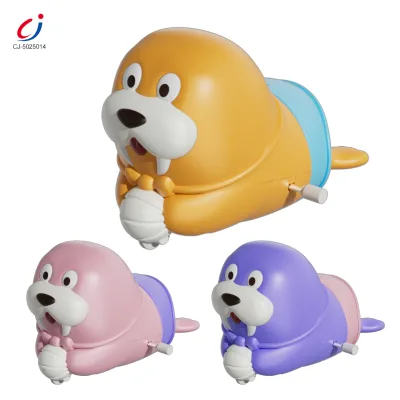
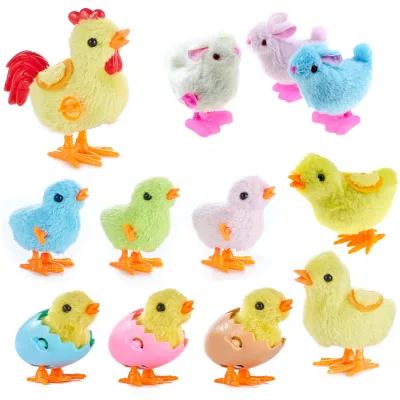
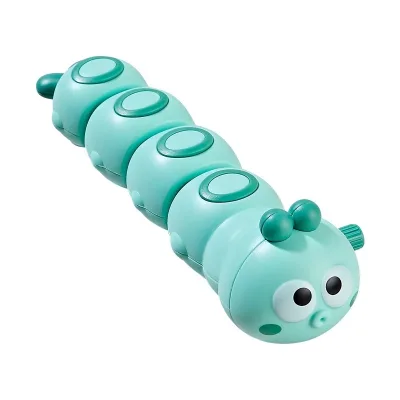
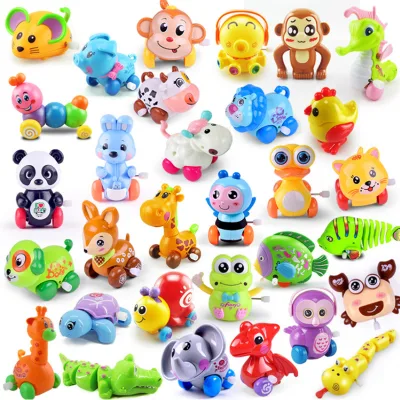
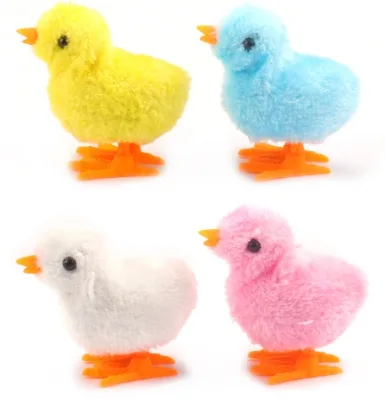
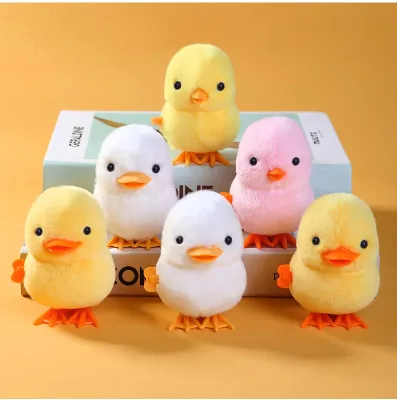
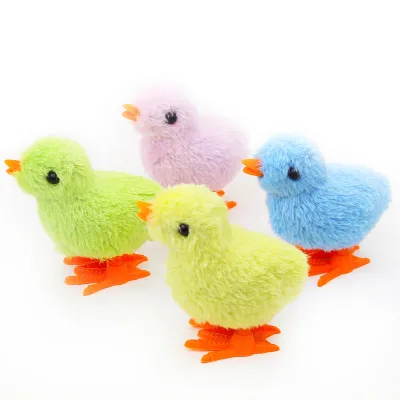
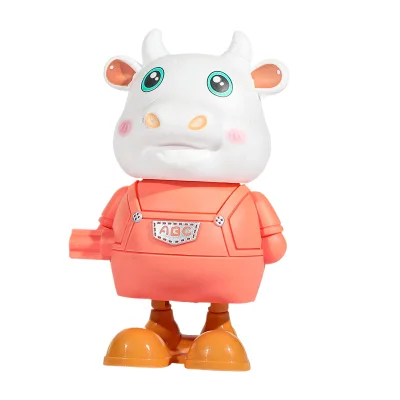
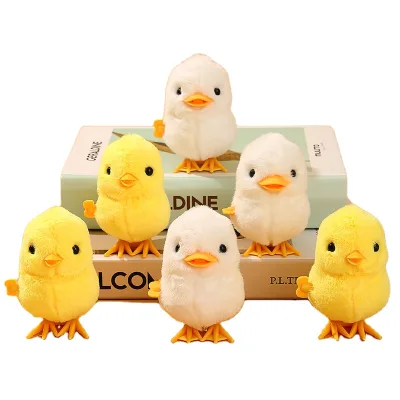
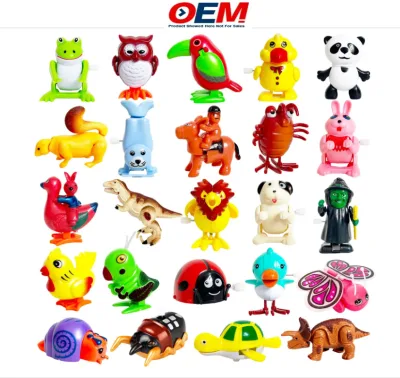
Buyers evaluating this category must first distinguish between rigid plastic mechanisms and soft plush variants, as the supplied data reveals distinct product profiles ranging from wind-up plastic walruses to clockwork plush rabbits. The observed listings indicate a primary function centered on mechanical movement, with specific model numbers like CJ-5025014 and M24010507 representing different material compositions and target age demographics. Understanding these variations is critical before initiating contact, as the supply chain requirements for a plastic set differ significantly from those for a stuffed animal with a wind-up core.
Procurement strategies should account for the diverse packaging formats observed, which include color boxes, OPP bags, blister cards, and window boxes, each impacting unit logistics and retail presentation. The data confirms that some suppliers offer OEM services with customized logos, while others provide standard packaging with fixed dimensions, such as the 16.2x11.7x12 cm size for plastic units versus the 25x10x10 cm size for plush items. Buyers must align their retail channel requirements with these specific packaging constraints to avoid unexpected shipping costs or display issues upon arrival.
Product Scope and Observed Listing Signals
The market signals indicate a strong presence of wind-up mechanisms designed for party favors and educational play, with specific attributes highlighting age ranges from toddlers to early adolescents. Listings explicitly mention "Clockwork Plush Toy" and "Plastic Wind up walking toys," suggesting that the core value proposition relies on the mechanical action rather than electronic components. This distinction allows buyers to target specific segments, such as the 5 to 7-year-old demographic for plastic sets or the 0 to 24-month range for plush variants, ensuring the product matches the intended developmental stage of the end user.
Supply capabilities vary significantly across the observed listings, with some suppliers reporting high-volume output like 288,000 sets per month for wind-up items, while others focus on smaller, customized orders. The presence of multiple model numbers, including AB1502154 and M24010507, suggests a fragmented supply base where buyers can find both mass-market items and niche designs. However, the variation in single gross weights, ranging from 0.080 kg to 0.589 kg, necessitates careful freight cost calculations, as the density and volume of the product will directly influence the landed cost per unit.
Technical Specifications to Verify
Verification of the mechanical integrity is paramount, as the core function relies on a wind-up mechanism that must operate reliably after repeated use. Buyers should request detailed specifications on the gear train and spring tension, particularly for the plastic walrus toys and walking animal sets, to ensure the movement is smooth and does not jam easily. The observed data lists "Wind up" as a primary function, but without specific torque or cycle life data, buyers must treat this as a variable that requires physical sampling to validate performance consistency across different batches.
Dimensional accuracy and material composition are equally critical, as the single package sizes and gross weights vary widely between the plastic and plush categories. For the plastic sets, the 10x4x4 cm package size suggests a compact design, whereas the plush toys range from 11 cm to 30 cm in height, requiring different storage and display solutions. Buyers must confirm the exact material specifications, such as the "Short Plush" and "PP Cotton" filling mentioned in the data, to ensure the tactile experience matches the brand promise and that the materials are durable enough for the intended age group.
Compliance and Safety Documentation
Safety compliance is a non-negotiable requirement, with the supplied context explicitly citing EN71 and ASTM test reports as available documentation for specific plush toy listings. Buyers must verify that these certifications apply to the specific model numbers they intend to purchase, as the data indicates that test reports are linked to particular product lines rather than being a universal attribute of all suppliers. The presence of these standards suggests a baseline of safety for the plush items, but buyers should not assume that plastic wind-up toys automatically meet the same rigorous testing criteria without explicit confirmation.
Third-party inspection services are noted as accepted by some suppliers, providing an additional layer of assurance for quality and safety before shipment. This acceptance indicates a willingness to engage with external auditors, which is a positive signal for buyers concerned about regulatory adherence in target markets. However, the data does not specify which third-party agencies are utilized or the frequency of these inspections, so buyers should explicitly request the inspection reports and ensure they cover the specific hazards relevant to the toy's mechanical and material components.
Cost Drivers and Commercial Terms
Pricing dynamics in this category are influenced by the complexity of the wind-up mechanism and the choice of materials, with observed price ranges spanning from $0.10 to $169.00 USD. This wide variance suggests that cost is driven by factors such as the sophistication of the animation, the quality of the plush fabric, and the level of customization required for branding. Buyers must analyze the unit price against the observed MOQs, which range from 10 pieces to 10,000 pieces, to determine the most economical order quantity that balances inventory risk with per-unit cost savings.
Commercial terms include flexible payment options like Trade Assurance and varying sample lead times of 5 to 7 days, which affect the overall procurement timeline. The ability to accept customized logos and packaging details adds value but may introduce additional costs or longer lead times that must be factored into the budget. Buyers should clarify the total landed cost, including shipping from ports like Shantou or Shenzhen, and ensure that the payment terms align with their cash flow requirements while mitigating the risk of non-delivery or quality disputes.
Supplier Qualification and Quality Control
Supplier qualification should focus on their capacity to handle OEM services and their track record with third-party inspections, as these are key differentiators in the observed data. The mention of "OEM Service" and "Accept Customized Logo" indicates that many suppliers are equipped to support private label strategies, but buyers must verify their production capacity to ensure they can meet volume demands without compromising quality. The location in Guangdong and Chenghai, China, is a known hub for toy manufacturing, yet buyers should still assess the specific factory's infrastructure and quality control protocols.
Quality control processes must be rigorously defined, particularly regarding the mechanical function of the wind-up toys and the durability of the plush materials. Buyers should establish clear acceptance criteria for the "Excellent" quality rating observed in some listings, as this term is subjective without defined metrics. Implementing a pre-shipment inspection plan that tests the wind-up mechanism for at least 100 cycles and checks for material defects will help ensure that the final product meets the expected standards before it leaves the factory.
Long-Term Procurement Checks
Sustaining a successful supply relationship requires regular re-verification of compliance documentation and mechanical performance, as product specifications can drift over time. Buyers should schedule periodic audits to ensure that the EN71 and ASTM certifications remain valid and that the third-party inspection protocols are consistently applied to new production runs. This proactive approach helps mitigate the risk of regulatory non-compliance in target markets and ensures that the product continues to meet safety standards as manufacturing processes evolve.
Strategic planning for long-term procurement involves monitoring the supply chain for changes in lead times, material costs, and production capacity. The observed supply ability of 288,000 sets per month provides a benchmark for volume, but buyers should maintain a diversified supplier base to protect against disruptions. Regular communication regarding sample times and customization capabilities will help maintain alignment between the buyer's market needs and the supplier's production schedule, ensuring a steady flow of high-quality clockwork animal toys.
FAQs
What materials are used in these clockwork animal toys?
The toys are primarily made from plastic or short plush materials. Some models feature PP cotton filling for softness. The plastic variants are designed for durability, while the plush options offer a tactile experience suitable for younger children. Buyers can select based on preferred texture and safety requirements.
Can I customize the logo on these toys?
Yes, customized logos are accepted for these products. The supplier offers OEM service, allowing buyers to brand the toys with their own designs. This customization is available for both plastic and plush variants, enabling businesses to create unique products for their specific market needs and branding strategies.
What is the minimum order quantity for these toys?
The minimum order quantity varies by product model. Some listings indicate an MOQ of 10 pieces, while others may require up to 10,000 pieces. Buyers should check specific model requirements, as quantities depend on the packaging type and whether the order is for plastic or plush variants.
Are these toys safe for young children?
Yes, the toys comply with EN71 and ASTM safety standards. They are suitable for various age ranges, including infants and children up to 13 years old. The materials are selected for safety, and third-party inspections are accepted to ensure quality and compliance with international safety regulations for children's products.
Where are these toys manufactured?
These toys are manufactured in Guangdong, China, and Chenghai, China. These regions are known for their toy manufacturing industry. Buyers can expect efficient production capabilities and established supply chains. The location supports both OEM services and standard wholesale orders for global distribution.
What packaging options are available for these toys?
Packaging options include color boxes, OPP bags, blister cards, window boxes, and display boxes. Buyers can choose customized packaging to suit their retail needs. The single package sizes vary, with plastic toys often in smaller boxes and plush toys in larger bags, ensuring safe transport and attractive presentation.