Source Drag Play Baby Caterpillar Toy for Play, Learning, and Gifting
Compare 30 Drag Play Baby Caterpillar Toy options from verified suppliers. Buyers can evaluate features like battery operation, materials, and age ranges to find the best fit for educational play and gifting needs; compare the available evidence and request quotations based on your requirements.
Updated
Key considerations
Products List
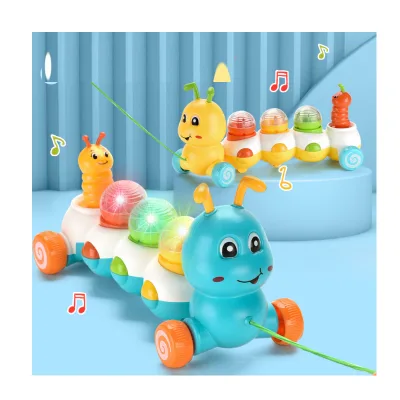
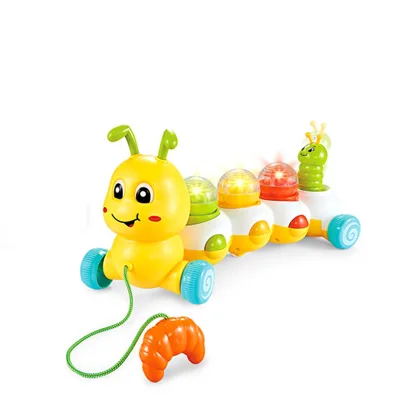
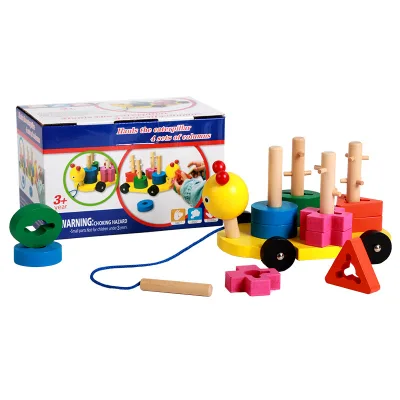


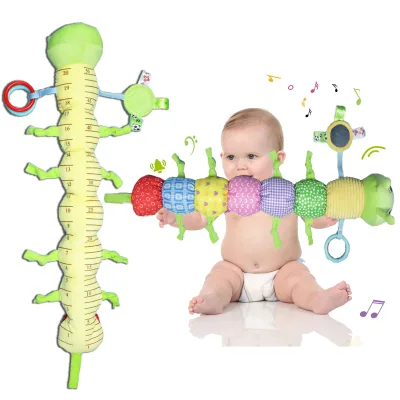
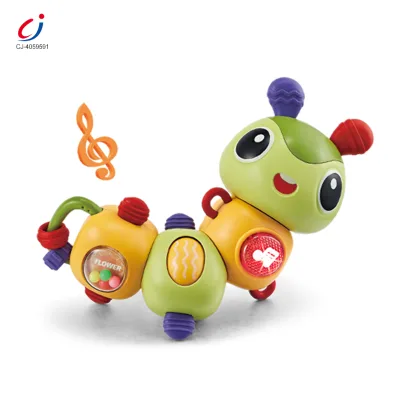
Baby Toys Musical Caterpillar Educational Toy with Ring Bell Stuffed Animal Toys
$1.02 - $3.36
MOQ: 500 Pieces


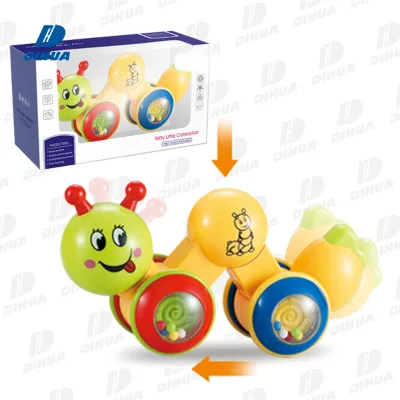
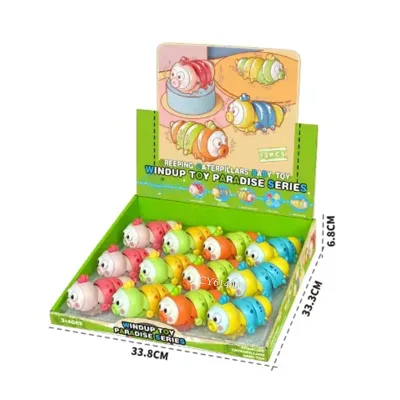
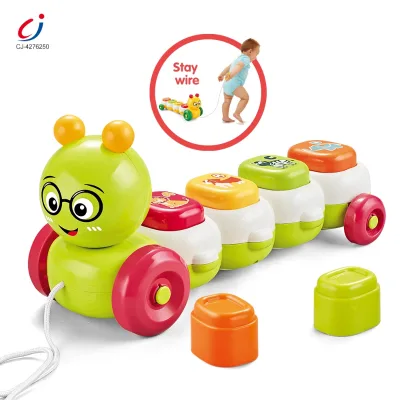
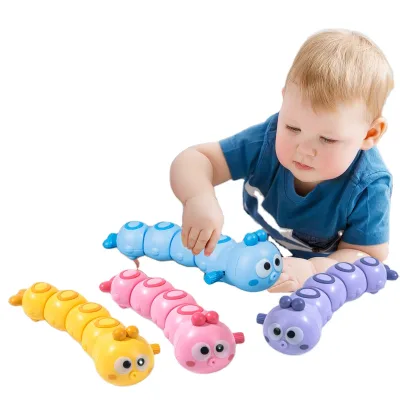
New Design Education Toys Cartoon Caterpillar Friction Toys Baby Toys
$0.6867 - $0.8108
MOQ: 864 pieces



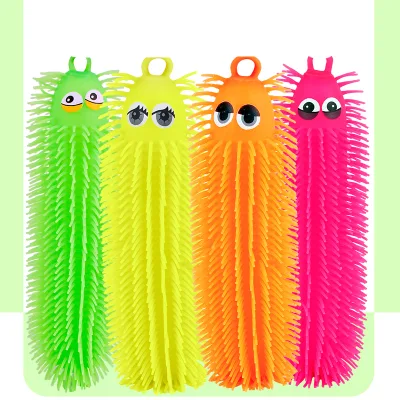
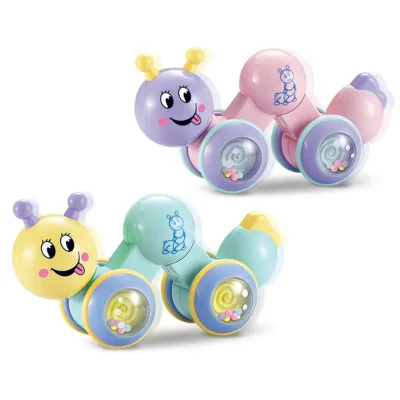
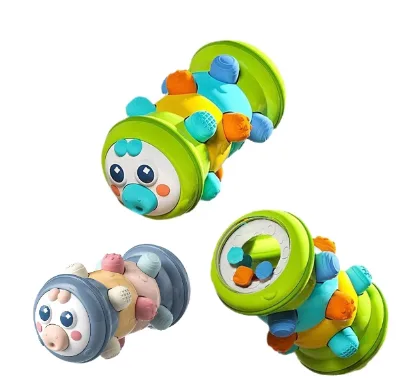
Twist and Explore Caterpillar Educational Toy with Light & Music for Baby Infant
$8.00 - $15.00
MOQ: 480 Pieces



Comprehensive Sourcing Guide
Drag Play Baby Caterpillar Toy Sourcing Guide
Sourcing drag play baby caterpillar toys requires careful attention to material composition, age-specific safety standards, and functional design elements that ensure both durability and developmental value. These toys are typically designed for infants and toddlers, featuring segmented bodies that encourage pulling, dragging, and imaginative play while supporting motor skill development. Buyers must distinguish between plastic, wooden, and electronic variants, as each material class presents distinct manufacturing, compliance, and cost implications. The observed market includes battery-operated models with musical and acoustooptic features, as well as simple wooden pull-along cars, indicating a diverse product landscape that demands precise specification alignment.
Procurement decisions should be guided by clear target age ranges, as products listed for 0-24 months require stricter safety protocols than those aimed at 2-4 or 5-7 year olds. Key functional attributes such as electric lighting, musical acoustooptic effects, and drag-play mechanics directly influence unit pricing and packaging complexity. Buyers must verify whether the toy’s design supports unisex appeal and aligns with educational or pure entertainment objectives. Understanding these distinctions is critical for selecting suppliers who can deliver consistent quality, appropriate certifications, and reliable supply chain performance tailored to specific retail or institutional channels.
Product Scope and Observed Listing Signals
The observed product listings reveal a wide range of caterpillar-themed toys, including battery-operated models with electric lighting and musical acoustooptic functions, as well as simple wooden drag-play cars. These items are marketed under various brand names such as Chengshi, DMG, and OEM, indicating a mix of branded and private-label opportunities. The age ranges span from 0-24 months to 8-13 years, suggesting that product design and safety requirements vary significantly across segments. Buyers should note that some listings specify "Drag Play Baby Caterpillar Toy" as a style, while others categorize them as educational toys or general kids' playing fun items, reflecting diverse positioning strategies in the market.
Material composition is another critical differentiator, with plastic and wood being the primary materials observed. Plastic models often feature electronic components and require battery operation, while wooden variants emphasize natural materials and simple mechanical pull-along functionality. Packaging also varies, with options including display boxes, color boxes, and bulk carton packing, which impact shipping efficiency and retail presentation. The observed single package sizes range from approximately 21 cm to 36 cm in length, influencing storage and handling requirements. Buyers must align these physical attributes with their target market’s preferences for aesthetics, durability, and ease of use.
Technical Specifications to Verify
Technical verification must begin with precise dimensional analysis, as observed product sizes range from 21.4x14.2x13 cm for wooden models to 36.3x15x21 cm for larger plastic variants. Buyers should confirm single package dimensions and gross weights, which typically range from 0.58 kg to 0.708 kg per unit, to ensure accurate freight cost calculations and warehouse planning. Carton specifications are equally important, with observed carton sizes varying from 90x38x85 cm to 93x37x85 cm, and quantities per carton ranging from 24 to 36 pieces. These metrics directly affect logistics efficiency, palletization strategies, and overall supply chain cost structures.
Functional specifications require rigorous testing, particularly for battery-operated models featuring electric lighting and musical acoustooptic effects. Buyers must verify battery type, lifespan, and replacement accessibility, as well as the durability of electronic components under repeated use. For wooden toys, attention should focus on joint integrity, paint safety, and the smoothness of rolling mechanisms. Model numbers such as CS002514, DGA486655, and JoRay-286 serve as unique identifiers for quality control and reorder accuracy. Ensuring consistency in these technical parameters across production batches is essential for maintaining brand reputation and customer satisfaction.
Compliance and Safety Documentation
Safety compliance is paramount, especially for products targeting infants and toddlers aged 0-24 months. Buyers must verify that all toys meet relevant regional safety standards, such as EN71, which is explicitly mentioned in some listings. This certification covers mechanical and physical properties, flammability, and chemical migration, ensuring that materials like plastic and wood are free from harmful substances. For battery-operated models, additional compliance with electrical safety standards is necessary to prevent overheating, leakage, or other hazards. Documentation should include test reports from accredited laboratories, confirming that each product variant meets the specific requirements for its designated age group.
Age-specific labeling is another critical compliance aspect, as products marketed for different age ranges must carry appropriate warnings and usage instructions. Listings indicate age ranges from 3+ to 8-13 years, requiring clear differentiation in packaging and marketing materials to prevent misuse. Buyers should ensure that suppliers provide comprehensive safety data sheets and material declarations, particularly for wooden toys that may involve adhesives or finishes. Verifying that all components, including small parts and batteries, are securely attached and non-toxic is essential for mitigating liability risks and ensuring consumer trust in the product’s safety profile.
Cost Drivers and Commercial Terms
Cost structures are influenced by material choice, electronic complexity, and packaging design. Plastic models with battery-operated features typically command higher prices due to the inclusion of electronic components and more intricate molding processes. Wooden toys, while potentially more expensive in raw material costs, may offer lower electronic-related expenses and simpler assembly. Observed price ranges vary significantly, reflecting differences in brand positioning, certification levels, and order volumes. Buyers should negotiate based on total landed cost, including freight, duties, and insurance, rather than focusing solely on unit price, to achieve accurate budgeting and margin projections.
Commercial terms such as MOQ, lead times, and payment conditions vary among suppliers. Observed MOQs range from 1 to 2000 pieces, with some suppliers requiring minimum orders of three cartons. Lead times and supply abilities, such as 10,000 pieces per month, should be confirmed to ensure alignment with inventory planning and seasonal demand. Port of dispatch options like Shantou or Ningbo impact shipping routes and transit times. Buyers should establish clear agreements on sample availability, quality assurance protocols, and return policies to mitigate risks associated with large-volume orders and ensure consistent product quality across batches.
Supplier Qualification and Quality Control
Supplier qualification requires thorough vetting of manufacturing capabilities, quality management systems, and past performance records. Buyers should prioritize suppliers with established certifications, such as EN71, and proven experience in producing toys for international markets. Factory audits should assess production line efficiency, raw material sourcing, and finished goods inspection processes. For electronic toys, verifying the supplier’s ability to manage component quality and battery safety is crucial. Suppliers offering OEM services should demonstrate flexibility in customization while maintaining strict adherence to safety and performance standards.
Quality control protocols must be clearly defined and consistently enforced. Buyers should implement pre-shipment inspections, random sampling, and functional testing to ensure that each batch meets specified dimensions, material integrity, and operational performance. For drag play toys, testing the durability of pulling mechanisms and the stability of segmented bodies is essential. Suppliers with high supply abilities, such as 10,000 pieces per month, should also demonstrate consistent quality across large production runs. Establishing a robust quality assurance framework, including clear defect thresholds and corrective action procedures, is vital for maintaining product reliability and customer satisfaction.
Long-Term Procurement Checks
Long-term procurement success depends on continuous monitoring of supplier performance, market trends, and regulatory changes. Buyers should establish regular review cycles to assess supplier reliability, on-time delivery rates, and product quality consistency. Tracking changes in safety standards, such as updates to EN71 or new regional regulations, is essential for maintaining compliance. Suppliers who adapt quickly to regulatory shifts and offer innovative product designs, such as enhanced educational features or eco-friendly materials, provide greater strategic value. Building strong relationships with qualified suppliers ensures access to reliable inventory and favorable commercial terms over time.
Market analysis should focus on evolving consumer preferences, such as the growing demand for educational toys or sustainable materials. Buyers should monitor competitor offerings and pricing trends to maintain competitive positioning. Regular feedback loops with end-users and retail partners can inform product improvements and new development opportunities. Additionally, diversifying the supplier base to mitigate risks associated with single-source dependencies is prudent. By maintaining a proactive approach to supplier management and market intelligence, buyers can secure a stable supply of high-quality drag play baby caterpillar toys that meet evolving consumer expectations and regulatory requirements.
FAQs
What are the key features of the Chengshi Drag Play Baby Caterpillar Toy?
The Chengshi model CS002514 is a battery-operated electric lighting musical acoustooptic Drag Play Baby Caterpillar Toy. It is made of plastic and designed for children aged 0 to 24 months, 2 to 4 years, and 5 to 7 years. The product includes display box packaging and carries EN71 certification for safety compliance in international markets.
What is the MOQ for sourcing the DMG cute caterpillar toy?
The minimum order quantity for the DMG model DGA486655 is three cartons. This educational toy is suitable for ages 2 to 4 years, 5 to 7 years, and 8 to 13 years. It features a color box package and is manufactured in Zhejiang, China, with a supply ability of 10,000 pieces per month.
Can I find a wooden version of the Drag Play Baby Caterpillar Toy?
Yes, the JoRay-286 model is a kids wood caterpillar car toy made from wood material. It is an OEM brand product suitable for ages 3 and up. The single package size is 21.4 by 14.2 by 13 cm, and samples are available for quality verification before placing bulk orders with the manufacturer.
What are the packaging dimensions for the Chengshi caterpillar toy?
The Chengshi CS002514 toy has a single package size of 36.3 by 15 by 21 cm. The carton size is 90 by 38 by 85 cm, containing 24 pieces per carton. The gross weight is 17 kg and the net weight is 14 kg, ensuring safe transport and storage for wholesale buyers.
Where are these caterpillar toys manufactured?
Manufacturing locations include Guangdong and Zhejiang in China. The Chengshi brand originates from Guangdong, while the DMG brand is produced in Zhejiang. Both regions are established hubs for toy manufacturing, offering reliable supply chains and export capabilities through ports like Shantou and Ningbo for efficient global distribution.
What certifications are required for the plastic caterpillar toy?
The Chengshi plastic caterpillar toy carries EN71 certification, which is a standard safety requirement for toys in many international markets. This certification ensures the product meets specific safety criteria for mechanical, physical, and chemical properties, providing assurance to buyers regarding the safety of the battery-operated and electric lighting features.