Source Custom Butterfly Clutch Enamel Pins for Souvenirs, Gifts, Decorations
Compare 30 listings for Custom Butterfly Clutch Enamel Pins designed for souvenirs, promotion gifts, and personal decorations. Buyers can evaluate plating options, customization features, and pricing details across suppliers in Guangdong, China.
Key considerations
Products List


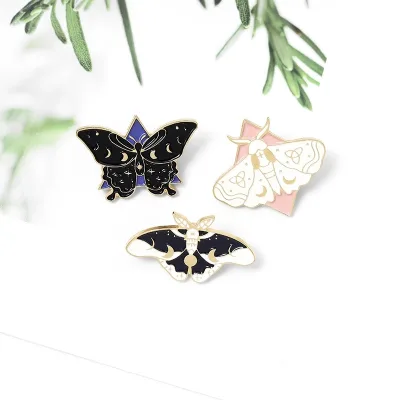
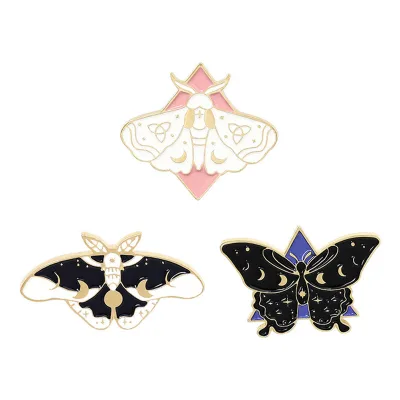


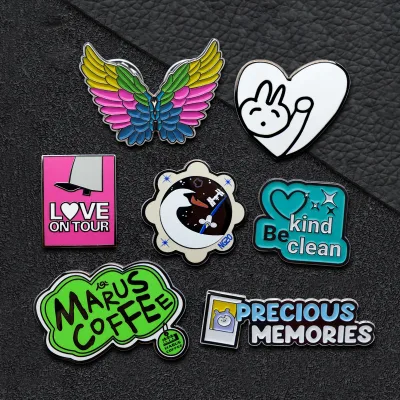
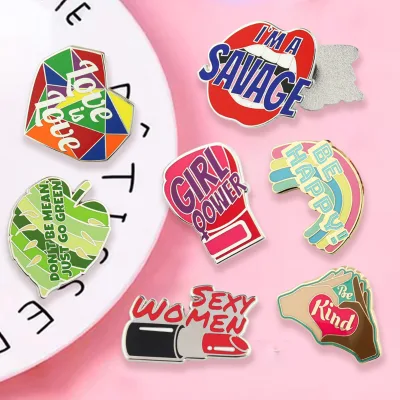

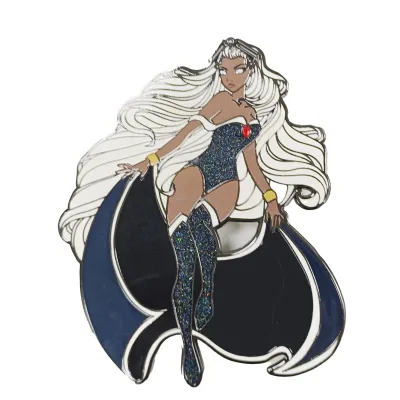
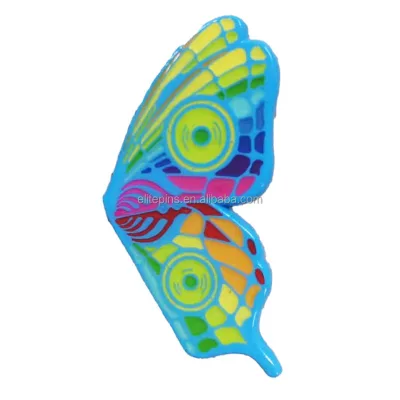
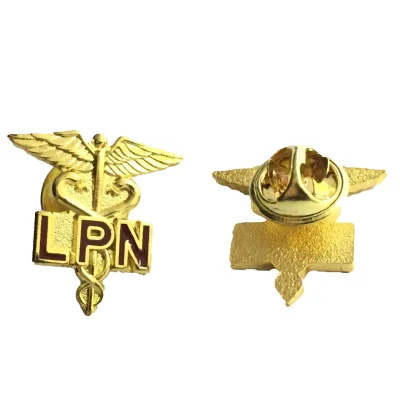
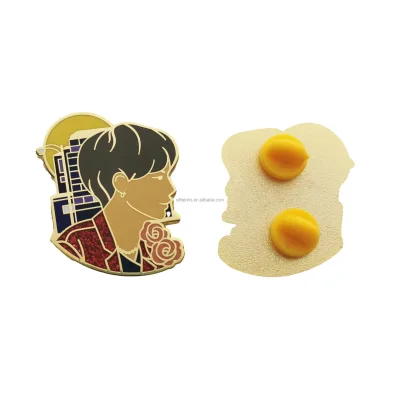
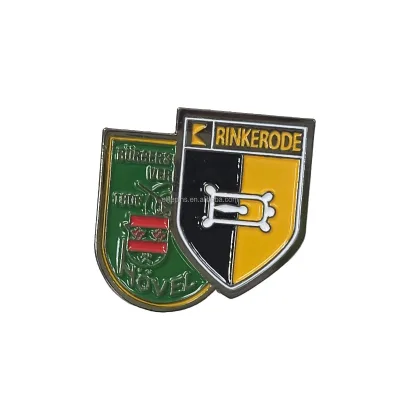
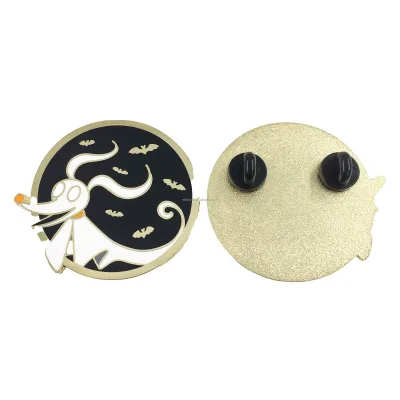
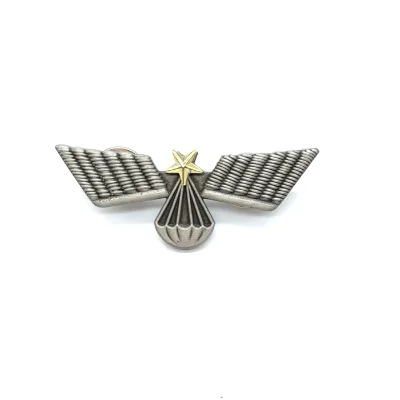
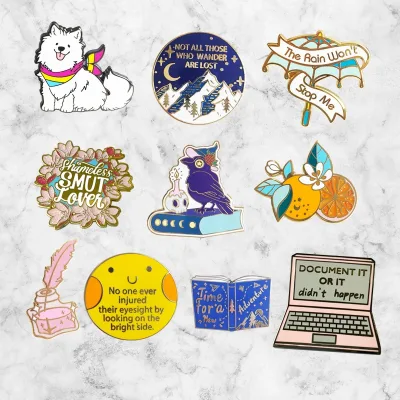
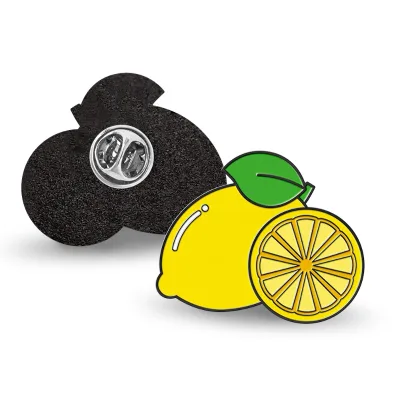
Wholesale Yellow Fruit Enamel Lapel Pin Cute Yellow Lemon Lapel Pin for Backpack Bag
$0.35 - $0.65
MOQ: 300 Minimum
Comprehensive Sourcing Guide
Strategic Sourcing Guide for Custom Butterfly Clutch Enamel Pins
The global market for custom lapel pins has evolved significantly, with butterfly clutch mechanisms becoming a standard preference for durability and ease of use. For procurement professionals, sourcing "Custom Butterfly Clutch Enamel Pins" requires a nuanced understanding of the intersection between artistic customization, metallurgical standards, and supply chain logistics. This guide synthesizes observed market data and technical specifications to provide a disciplined framework for evaluating suppliers and defining product requirements. The focus remains on the specific attributes of butterfly clutch pins, including their plating, material composition, and application versatility, ensuring that buyers can make informed decisions without relying on unverified claims.
Technical Specifications and Material Composition
The foundation of a high-quality custom pin lies in its material and manufacturing technique. Based on observed product data, the primary material for these items is typically an alloy, which offers a balance between structural integrity and cost-effectiveness. The manufacturing process often involves a combination of techniques, specifically metal stamping and casting, to achieve the desired depth and detail. The "Plated" attribute is a critical technical specification, with gold, silver, copper, and black dye plating being the most common finishes observed in the market. These plating options not only affect the aesthetic appeal but also the corrosion resistance of the final product.
The butterfly clutch mechanism itself is a distinct feature that differentiates these pins from other attachment methods like rubber backs or friction posts. The clutch is designed to secure the pin firmly to fabric, preventing loss during active use. In terms of physical dimensions, the market supports custom sizing, with standard package sizes often observed around 3x3x0.2 cm for individual units, while bulk packaging may reach 29x27x18 cm. The weight of individual items is notably light, often recorded around 0.002 kg per piece, which is essential for comfort when worn on clothing or accessories. The "3D" and "Flashing" features indicate that the enamel application can create depth and visual interest, making these pins suitable for complex designs.
| Attribute | Observed Specification | Procurement Implication |
|---|---|---|
| Material | Alloy | Ensures durability; verify alloy grade for plating adhesion. |
| Plating | Gold, Silver, Copper, Black Dye | Affects color accuracy and tarnish resistance; request plating thickness data. |
| Technique | Casting, Metal Stamping, Plated | Determines detail resolution; casting allows for 3D effects. |
| Attachment | Butterfly Clutch | Standard for secure fastening; verify clutch material and fit. |
| Weight | ~0.002 kg | Critical for comfort; lighter pins are preferred for large runs. |
| Customization | Size, Shape, Color, Design | High flexibility; requires clear digital proofs before production. |
Compliance, Certification, and Environmental Standards
When sourcing custom pins, compliance with environmental and safety standards is paramount, particularly for products intended for international markets. The observed data indicates that many suppliers offer "Eco-Friendly" options, suggesting a shift toward sustainable manufacturing practices. Buyers should verify if the enamel used is lead-free and nickel-free, as these are common regulatory requirements in the European Union and North America. While specific certification names like FSC may appear in broader industry contexts, the specific certification status of a supplier must be confirmed directly rather than assumed.
The "prod_standard" field often lists "custom," which implies that the product does not adhere to a single universal industrial standard but rather meets the specific requirements of the buyer's design. However, this does not exempt the product from general safety regulations. Buyers must ensure that the plating process does not involve hazardous chemicals that violate REACH or similar regulations. Additionally, the "Hand-Made" processing attribute suggests a level of craftsmanship that may vary in consistency. To mitigate this, procurement teams should request batch samples to verify that the hand-finished elements meet the same quality thresholds as machine-stamped components.
Cost Drivers and Pricing Dynamics
Understanding the cost structure of custom enamel pins is essential for budgeting and negotiation. The observed price range in the market spans from $0.10 to $1.10 USD per unit. This wide variance is driven by several factors, including the complexity of the design, the type of plating selected, and the quantity ordered. The "MOQ" (Minimum Order Quantity) is a significant cost driver, with observed ranges from 1 to 300 units, though a specific high-confidence fact notes an MOQ of 50 pieces for certain product lines. Orders below this threshold may incur higher per-unit costs due to setup fees and labor intensity.
The customization level is another primary cost determinant. While the "Custom Size" and "Custom Shape" attributes offer design freedom, they often require new tooling or molds, which increases the initial investment. The "Letterpress Printing" attribute suggests that some designs may involve additional printing steps, further influencing the final price. Buyers should note that the "Single Package Size" and "Packing Method" (PP Bag) are standard, but custom packaging solutions will add to the overall cost. When negotiating, it is advisable to request a breakdown of costs separating the mold fee, unit price, and packaging expenses to identify areas for potential savings.
Typical Applications and Market Segments
Custom Butterfly Clutch Enamel Pins serve a diverse range of applications, extending far beyond simple decoration. The "Application" data highlights categories such as Art & Collectible, Clothing, and Souvenir. The "Usage" field further expands this to include Personal Decorations, Promotion Gifts, Home Decorations, Commerce Gifts, Collection, and Religious Crafts. This versatility makes the product suitable for various industries, from fashion brands seeking unique branding elements to event organizers creating commemorative items.
The "Style" attribute, often listed as "European & American," indicates that the designs are tailored to fit Western aesthetic preferences, which is crucial for exporters targeting these regions. The "Type" being "Animals" and the "Characteristic" being "Cartoon Cute" suggests a strong market segment for playful, character-driven designs. However, the "Purpose" as a "Promotion Gift Lapel Pin" confirms their utility in corporate branding and marketing campaigns. Buyers should align their design choices with the intended usage; for instance, pins intended for religious crafts may require more intricate detailing and durable plating compared to those for temporary promotional events.
Supplier Evaluation and Verification Protocols
Evaluating a supplier for custom butterfly clutch pins requires a rigorous vetting process that goes beyond surface-level marketing claims. The "prod_origin" is consistently listed as Guangdong, China, a major manufacturing hub known for its metalworking capabilities. However, the specific location within this region can impact logistics and communication. Buyers should verify the supplier's capacity to handle "Custom Design" requests, ensuring they have the necessary design software and engineering expertise to translate concepts into production-ready files.
Key evaluation criteria include the supplier's ability to provide samples that match the "Custom Color" and "Plating" specifications. Since the "Feature" includes "Flashing" and "3D" effects, visual inspection of samples is critical to assess the quality of the enamel filling and the precision of the plating. The "Wearing Way" being "Breast" implies that the pins must be comfortable and secure; therefore, the supplier should demonstrate the durability of the butterfly clutch mechanism under repeated use. Additionally, the "Selling Units" being "Single Item" suggests that the supplier is equipped to handle small-batch orders, which is beneficial for prototyping and testing market response before committing to large-scale production.
Quality Control and Long-Term Procurement Considerations
Implementing a robust quality control (QC) protocol is essential to ensure consistency across large production runs. Given the "Hand-Made" processing attribute, there is an inherent risk of variation between batches. Buyers should establish clear acceptance criteria for plating thickness, color accuracy, and clutch functionality. The "Package Size" of 29x27x18 cm for bulk shipments indicates that efficient packing is necessary to prevent damage during transit. The "Packing Method" using PP bags is standard, but for high-value items, additional protective measures may be required.
Long-term procurement considerations involve building a sustainable relationship with suppliers who can scale with demand. The "Customization" availability suggests that suppliers are flexible, but buyers should ensure that the supplier can maintain quality as order volumes increase. The "Model Number" variations, such as "Bjl001" or "LK-lapel pin-0024," indicate a structured product catalog, which can simplify reordering and inventory management. Buyers should also consider the "Lead Time" implications of custom designs; while specific lead times are not provided in the data, the complexity of the design and the "Hand-Made" nature of the process will likely extend production timelines. Planning for these delays is crucial for meeting launch dates for promotional campaigns or product releases.
In conclusion, sourcing Custom Butterfly Clutch Enamel Pins requires a balanced approach that combines technical precision with strategic supplier management. By focusing on the verified attributes of material, plating, and customization, buyers can navigate the market effectively. The wide range of applications and the flexibility of the product make it a valuable asset for branding and personalization. However, success depends on rigorous quality control, clear communication of design requirements, and a thorough understanding of the cost drivers inherent in the manufacturing process. As the market continues to evolve, staying informed about the latest standards and maintaining a disciplined procurement strategy will ensure the delivery of high-quality, compliant, and cost-effective custom pins.
FAQs
What material is used for Custom Butterfly Clutch Enamel Pins?
The primary material used is alloy, which balances structural integrity with cost-effectiveness. These pins often feature gold, silver, copper, or black dye plating to ensure durability and aesthetic appeal for various applications.
How can I customize the size and shape of these pins?
Custom size and shape options are available to meet specific design requirements. Buyers must provide clear digital proofs before production, as new tooling or molds may be required for non-standard dimensions.
Which attachment mechanism secures the butterfly clutch pins?
The butterfly clutch mechanism is the standard attachment method used to secure the pin firmly to fabric. This design prevents loss during active use and is preferred for its durability and ease of application.
Can I order these pins with eco-friendly features?
Yes, many suppliers offer eco-friendly options for these custom pins. Buyers should verify that the enamel used is lead-free and nickel-free to comply with international safety regulations like REACH.
What is the typical price range for these custom pins?
The observed price range spans from 0.10 to 1.10 USD per unit. This variance depends on design complexity, plating type, and the order quantity, with minimum order quantities often starting at 50 pieces.
Where are these custom enamel pins typically manufactured?
These products are typically manufactured in Guangdong, China, a major hub for metalworking. Buyers should verify the specific factory location to assess logistics and communication capabilities for their orders.