Source Custom Logo Acrylic Salad Bowl for Hotel Restaurant Home
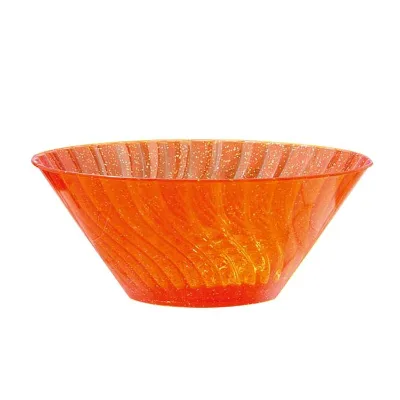
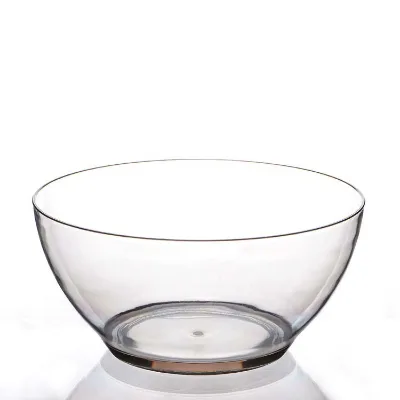
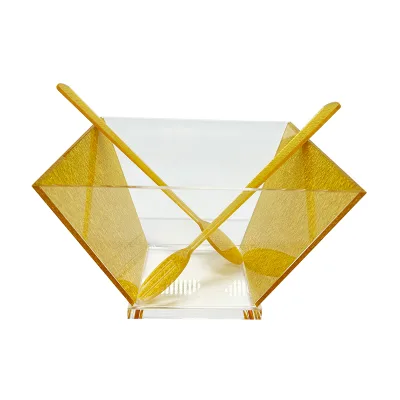
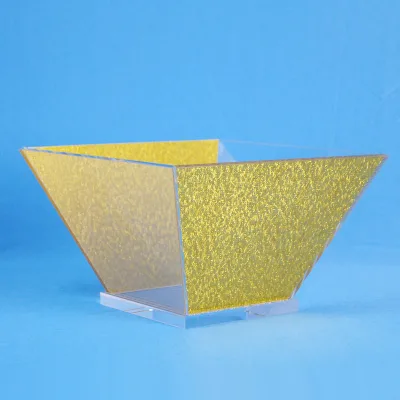
Explore 30 listings for the Custom Logo Acrylic Salad Bowl suitable for hotels, restaurants, and home use. Buyers can compare models like JD-2986 and PP-G0432, review MOQs ranging from 100 to 50000, and check customization options for shape and color.
Updated
Key considerations
Products List
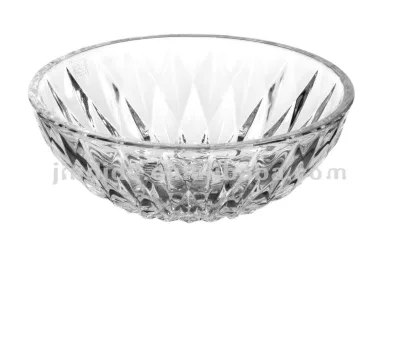
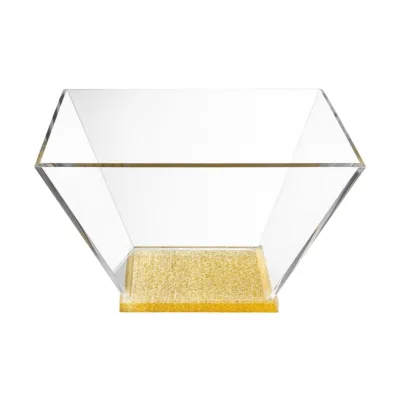
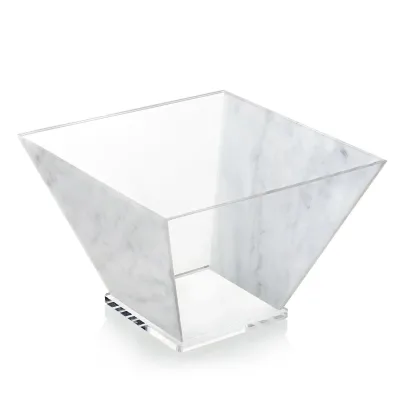
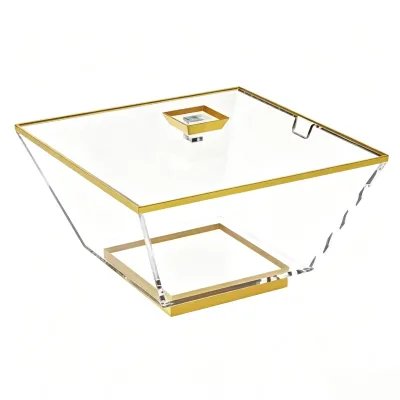
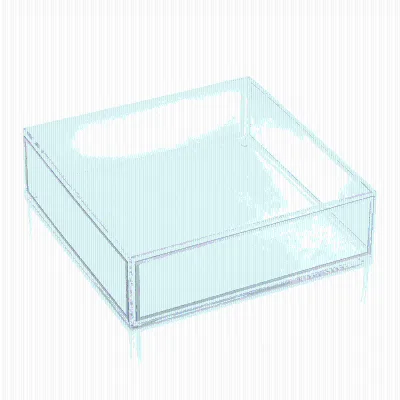
Wholesale Custom Clear Salad Bowl Large Acrylic Serving Bowl for Kitchen
$4.0098 - $9.1739
MOQ: 200 pieces

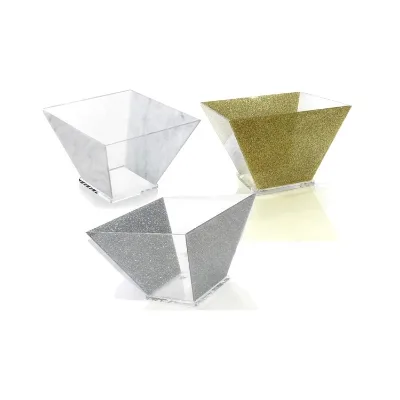
$0.02 - $0.50
MOQ: 200 Pieces


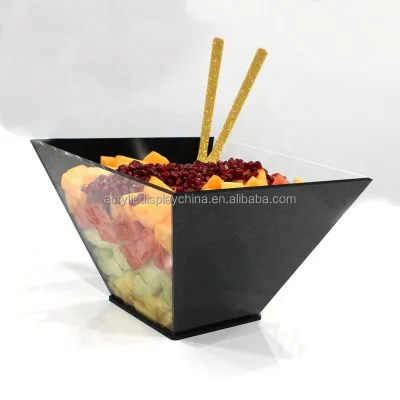

Comprehensive Sourcing Guide
Custom Logo Acrylic Salad Bowl Sourcing Guide
Procurement teams evaluating custom logo acrylic salad bowls must first distinguish between generic acrylic listings and those explicitly offering OEM branding capabilities. The available market data indicates that while some suppliers list "Acrylic" as the primary material with "Polished" techniques, others focus on paper-based alternatives or mixed material profiles. Buyers should verify that the specific listing explicitly confirms acrylic construction before proceeding, as the presence of a "Customized Logo" attribute does not guarantee the base material is suitable for the intended application.
When assessing product scope, it is critical to note that observed listings vary significantly in their origin locations, ranging from Jiangxi to Guangdong and Wuhan. This geographic dispersion suggests a fragmented supply chain where quality control protocols may differ between facilities. Sourcing strategies should prioritize suppliers who clearly define their material composition and customization limits, ensuring that the "Customized Color" and "Customized Shape" options align with the specific design requirements of the brand without compromising the structural integrity of the bowl.
Product Scope and Observed Listing Signals
Buyers must carefully parse the distinction between single-item selling units and bulk packaging options when reviewing product listings. The data shows a wide range of selling units, from single items to bulk orders with specific MOQs like 200 pieces or 10,000 pieces. This variance directly impacts the feasibility of small-batch prototyping versus large-scale distribution, requiring procurement teams to align their order volume with the supplier's stated minimum order quantity to avoid unexpected cost penalties or production delays.
The observed product attributes reveal a mix of styles, including "Modern" and "Chinese" designs, alongside functional specifications like "Eco-Friendly" features. However, the term "Eco-Friendly" appears alongside non-biodegradable materials like acrylic in some contexts, necessitating a rigorous verification of what specific environmental claims are supported by the supplier. Buyers should request detailed material safety data sheets to confirm whether the "Eco-Friendly" designation refers to the manufacturing process, the recyclability of the acrylic, or the packaging materials rather than the product itself.
Technical Specifications to Verify
Technical due diligence requires confirming that the "Custom Size" and "Customized Shape" attributes are supported by the supplier's actual manufacturing capabilities. While listings often advertise flexibility in dimensions, the physical constraints of acrylic molding must be validated to ensure the final product meets the intended diameter and depth requirements. Procurement teams should explicitly request CAD drawings or physical samples that demonstrate the precision of the "Polished" technique, as surface finish quality is a critical differentiator for premium salad bowls used in high-end hospitality settings.
Verification of the "Logo" customization method is equally essential, as the application technique affects durability and aesthetic appeal. The available data mentions "Customized Logo" and "Offset Printing" but does not specify the bonding method for acrylic surfaces. Buyers must clarify whether the logo is screen-printed, laser-etched, or applied via a decal, as each method offers different resistance to washing and abrasion. Ensuring the logo application method is compatible with the "Hotel Restaurant Home" usage environment will prevent premature degradation of the branding during commercial dishwashing cycles.
Compliance and Safety Documentation
Safety compliance is a non-negotiable aspect of sourcing food-contact products, particularly when the intended usage includes "Hot Cup," "Cold Cup," and "Food Packaging." The observed listings mention "FDA" certification and "Food Grade" material features, which are positive indicators but require validation against the specific batch of acrylic being supplied. Buyers should demand current, batch-specific test reports that confirm the material does not leach harmful substances when exposed to acidic foods or varying temperatures, as generic certification claims may not apply to every production run.
Sterilization and packaging standards also play a vital role in the safety profile of the final product. Some listings explicitly state "Without Ethylene Oxide Sterilization," which is a crucial detail for buyers concerned about chemical residues on food-contact surfaces. Additionally, the "Each Packed in a Polybag" or "Customized Packing" options must be evaluated for their ability to maintain hygiene during transit. Procurement teams should verify that the packaging materials themselves are food-safe and do not introduce contaminants to the acrylic bowls before they reach the end consumer.
Cost Drivers and Commercial Terms
The commercial landscape for custom acrylic salad bowls is heavily influenced by the Minimum Order Quantity (MOQ), which ranges widely from 100 to 50,000 pieces in the observed data. This significant variance suggests that unit costs will fluctuate dramatically based on order volume, with smaller orders likely incurring higher per-unit prices due to setup and tooling costs. Buyers must calculate the total landed cost, including shipping and potential tariffs, to determine the most economical order size that balances inventory holding costs with the need for sufficient stock.
Customization complexity acts as another primary cost driver, with options for "Custom Size," "Customized Shape," and "Customized Color" potentially adding to the base price. The "OEM/ODM" acceptance indicates that suppliers are willing to tailor products, but this flexibility often comes with additional engineering or mold fees. Procurement teams should negotiate clear terms regarding who bears the cost of mold development and whether these costs are amortized over the order quantity or charged as a one-time fee, ensuring transparency in the final pricing structure.
Supplier Qualification and Quality Control
Supplier qualification should extend beyond basic business registration to include a thorough assessment of their production facilities and quality assurance protocols. The data indicates origins in multiple Chinese provinces, including Jiangxi, Guangdong, and Wuhan, which implies varying levels of industrial maturity and supply chain maturity. Buyers should prioritize suppliers who can provide evidence of consistent production capabilities, such as factory audits or third-party inspection reports, to ensure that the "Modern" style and "Polished" finish are maintained across all units in the order.
Quality control measures must be explicitly defined in the purchase agreement to mitigate the risk of defects in custom orders. Given the "Customized Logo" and "Customized Shape" requirements, visual inspection criteria should be established to verify that the branding is centered, legible, and free of smudges or bubbles. Buyers should also define acceptable tolerances for the "Custom Size" and "Customized Packing" to ensure that the final product meets the brand's specifications and that any deviations are addressed before shipment leaves the factory.
Long-Term Procurement Checks
Establishing a long-term procurement strategy requires regular re-evaluation of supplier performance against the initial quality and delivery benchmarks. The "Customized" nature of these products means that any changes in the supplier's raw material sourcing or production techniques could alter the final product's appearance or durability. Buyers should implement a schedule for periodic sample testing and re-certification to ensure that the "FDA" compliance and "Food Grade" status remain valid throughout the contract period.
Sustainability and supply chain resilience are increasingly important factors for long-term partnerships in the food service sector. While some listings mention "Eco-Friendly" features, the long-term viability of the product depends on the supplier's ability to adapt to changing environmental regulations and consumer preferences. Procurement teams should engage suppliers in discussions about their future material strategies, such as the potential for using recycled acrylic or biodegradable alternatives, to ensure the product line remains competitive and compliant with evolving market standards.
FAQs
Can I get a custom logo on acrylic salad bowls?
Yes, custom logos are available for acrylic salad bowls. Suppliers accept OEM and ODM requests to print your brand identity on the product surface. This customization allows businesses to maintain brand consistency across their dining or retail offerings while utilizing durable acrylic materials for long-term use.
What is the typical MOQ for custom acrylic bowls?
The minimum order quantity varies by supplier, typically ranging from 100 to 50,000 pieces. Some manufacturers set a baseline MOQ of 200 pieces for standard custom orders. Buyers should verify specific MOQ requirements with vendors to ensure alignment with their inventory needs and budget constraints.
Are acrylic salad bowls suitable for hotel and restaurant use?
Yes, acrylic salad bowls are suitable for hotel, restaurant, and home usage. Their polished finish and durable construction make them ideal for commercial environments. These bowls offer a modern aesthetic that complements various dining settings while providing practical functionality for serving salads and other cold dishes effectively.
What certifications are available for food-grade acrylic products?
FDA certification is available for food-grade acrylic products. This ensures the material meets safety standards for direct food contact. Buyers seeking compliant sourcing should verify that suppliers hold valid FDA documentation to guarantee product safety and regulatory adherence for international trade and domestic distribution channels.
Can I request a custom size for acrylic salad bowls?
Yes, custom sizes are available for acrylic salad bowls. Manufacturers offer customized dimensions to fit specific serving requirements or brand standards. Buyers can specify exact diameter or volume needs, allowing for tailored solutions that enhance presentation and functionality in both commercial and residential dining applications.
What packaging options exist for bulk acrylic bowl orders?
Customized packing is available for bulk acrylic bowl orders. Suppliers offer options such as individual polybag packaging or tailored carton solutions. This flexibility ensures products arrive safely and meet specific logistical requirements. Buyers can discuss packaging preferences with vendors to optimize protection and shipping efficiency for large quantities.