Source Custom Lipstick Tube for Packaging, Retail, and Gifting
Find 30 options for Custom Lipstick Tube packaging from Guangdong suppliers. Compare materials like PP, ABS, and PCR, along with OEM/ODM services, hot stamping finishes, and volume capacities ranging from 2g to 400ml for your cosmetic needs; compare the available evidence and request quotations based on your requirements.
Updated
Key considerations
Products List
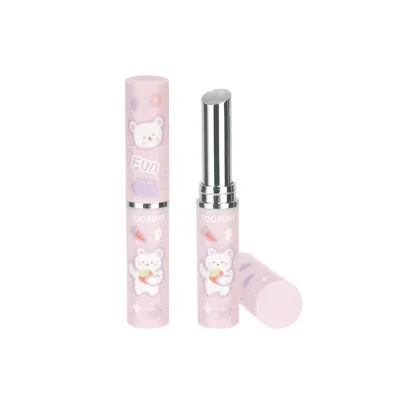
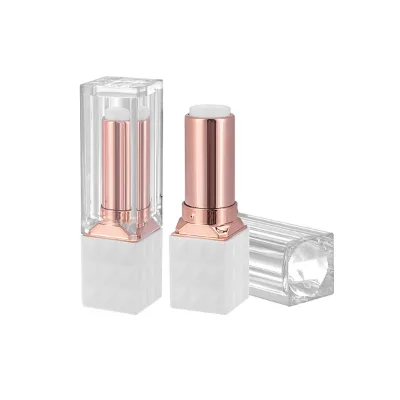
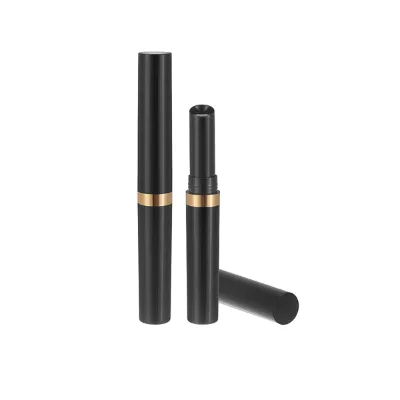
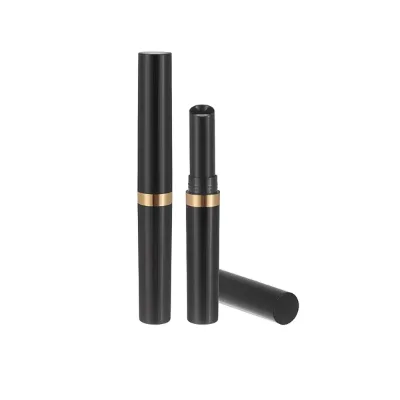


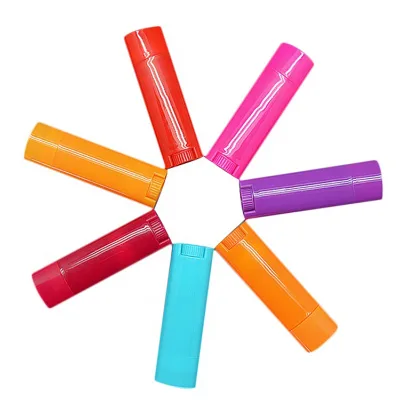
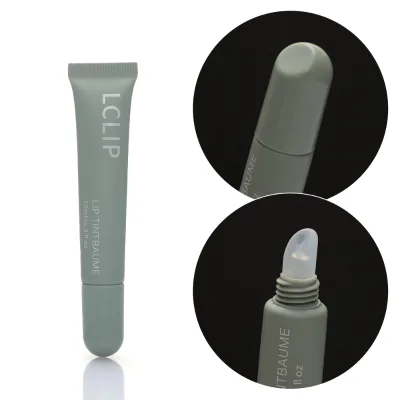
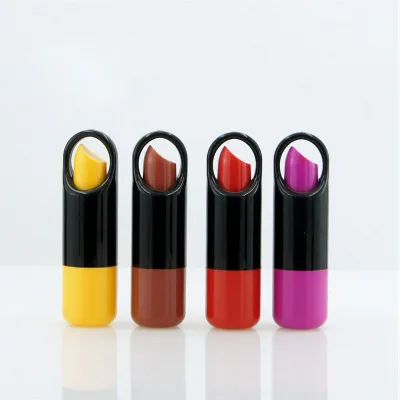
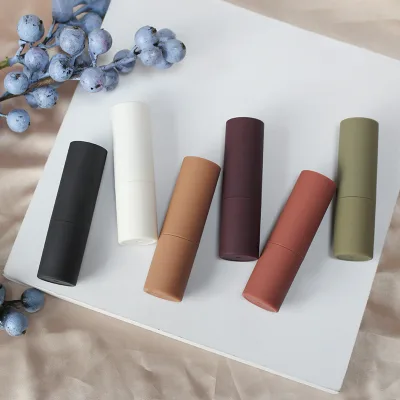
Colorful Lipstick Tube Empty Lipstick Tube Customized Gloss Lipstick Tube
$0.10 - $1.00
MOQ: 10000 Pieces
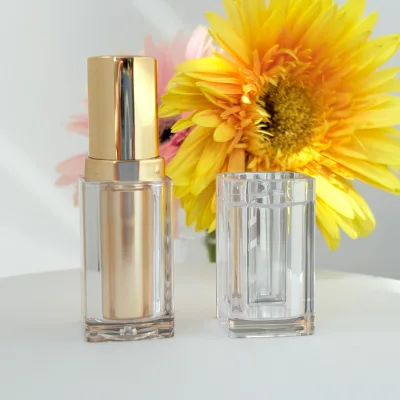
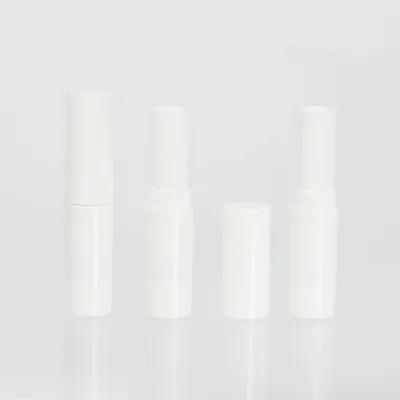
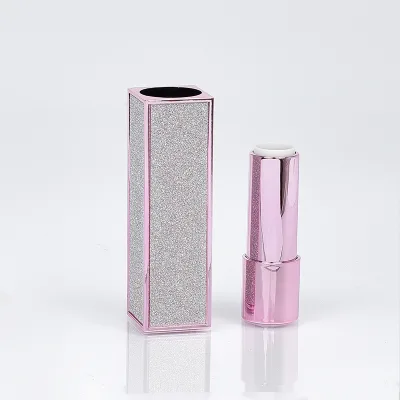
Mini Lipstick Tube Container Custom Empty Lipstick Tube for Cosmetic Packaging
$0.05 - $0.25
MOQ: 5000 pieces


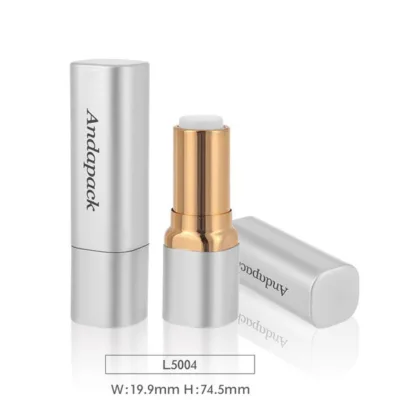

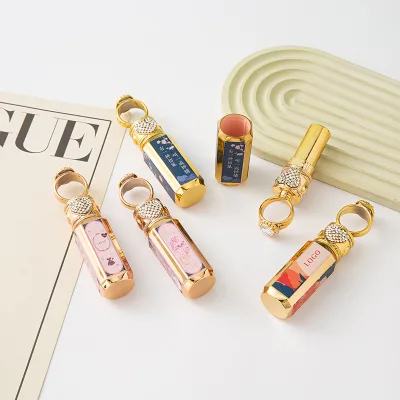
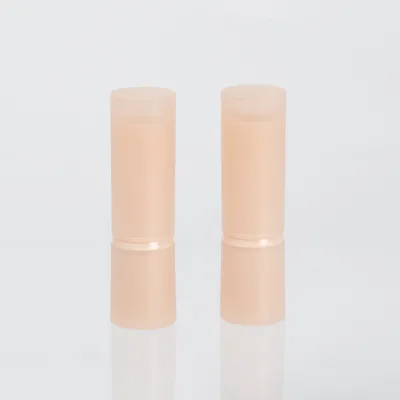
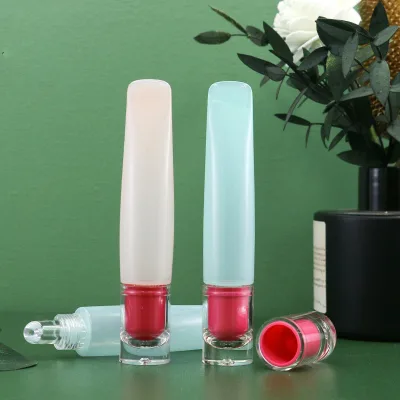
Plastic Press Lipstick Tube Lipstick Packaging Custom Brand Empty Lipstick Tube
$0.24 - $0.25
MOQ: 12000 Pieces


Comprehensive Sourcing Guide
Custom Lipstick Tube Sourcing Guide
Sourcing custom lipstick tubes requires a strategic balance between aesthetic appeal, functional integrity, and supply chain reliability. Buyers must navigate a market where visual customization is paramount, yet the underlying material science dictates product safety and shelf-life stability. The observed landscape includes a wide array of options, from standard polypropylene constructions to more sustainable alternatives like PCR or paper-based materials. Understanding these material distinctions is the first step in defining a procurement strategy that aligns with brand identity and regulatory requirements.
Procurement teams should prioritize suppliers who offer robust OEM and ODM capabilities, as this ensures the final packaging can be tailored to specific brand narratives without compromising structural integrity. The availability of various shapes, such as round, oval, or polygonal forms, allows for significant differentiation on retail shelves. However, this customization must be weighed against production complexity and cost implications. Establishing clear communication channels regarding design constraints early in the process prevents costly revisions and ensures that the final product meets both marketing and logistical expectations.
Product Scope and Observed Listing Signals
The current market for custom lipstick tubes exhibits a diverse range of specifications, with observed model numbers such as KH-MY015, KH-MY03, and KH-MY05 indicating distinct product lines. These models vary in dimensions, with single package sizes ranging from approximately 2x1x7.5 cm to 1.37x1x10.9 cm, reflecting differences in tube length and diameter. Buyers should note that volume capacities typically span from 2g to 3g for standard lipstick formats, though broader capabilities may extend up to 400ml for related cosmetic containers. This variability necessitates precise specification alignment to avoid mismatches between the product design and the packaging capacity.
Material composition is another critical signal, with listings frequently citing PP, PS, ABS, and AS as primary options, alongside emerging sustainable choices like PE, PCR, and paper-based materials. The observed thickness of 5mm for certain models suggests a focus on durability and premium feel, which is essential for maintaining product integrity during transit and consumer use. Additionally, surface handling techniques such as hot stamping and silk screen printing are commonly available, allowing for intricate branding and decorative elements. Buyers must verify that the chosen material and finish are compatible with the specific lipstick formulation to prevent chemical interactions or degradation.
Technical Specifications to Verify
Verifying technical specifications is crucial to ensuring that the Custom Lipstick Tube meets functional requirements. Buyers should confirm the exact dimensions and volume capacity, as discrepancies can lead to product leakage or poor consumer experience. The model number serves as a primary identifier, but it is essential to cross-reference this with detailed drawings and tolerance levels provided by the supplier. For instance, while some models are listed with a 5mm thickness, others may vary, affecting the overall weight and structural strength of the tube. Ensuring that the single gross weight aligns with logistical planning is also important for cost efficiency.
Surface decoration and finishing options significantly impact the perceived value of the product. Techniques such as hot foil stamping, offset printing, and labeling allow for high-quality brand representation, but buyers must verify the durability of these finishes against friction and environmental factors. The availability of customized tail or foil seals is another technical consideration, as it affects the ease of use and hygiene of the product. Additionally, the industrial use classification as cosmetic confirms the intended application, but buyers should ensure that the material is specifically rated for direct contact with lip products to maintain safety standards.
Compliance and Safety Documentation
Compliance with international safety standards is non-negotiable for cosmetic packaging. Buyers must request documentation confirming that the materials used, such as PP, ABS, or PCR, meet relevant regulatory requirements for cosmetic contact. Certifications like ISO, SGS, and FDA are often cited, indicating that the supplier adheres to recognized quality and safety protocols. However, buyers should verify the scope of these certifications to ensure they cover the specific materials and processes involved in the production of the lipstick tubes. This due diligence helps mitigate the risk of regulatory non-compliance in target markets.
Furthermore, the recyclability feature of certain tubes aligns with growing consumer demand for sustainable packaging. Buyers should inquire about the specific recycling pathways for the chosen material, such as whether the PCR content is certified or if the paper-based options are compostable. Understanding the end-of-life disposal options for the packaging is essential for brands aiming to communicate their sustainability commitments accurately. Additionally, buyers should ensure that any inks or adhesives used in decoration are also compliant with safety standards to prevent the migration of harmful substances into the product.
Cost Drivers and Commercial Terms
Cost structures for custom lipstick tubes are influenced by several factors, including material choice, customization complexity, and order volume. The observed MOQ range of 10 to 20,000 pieces indicates that suppliers cater to both small-scale startups and large manufacturers, with pricing likely varying significantly based on quantity. Buyers should negotiate terms that reflect the true cost of customization, such as mold fees for unique shapes or setup costs for specific printing techniques. Understanding these cost drivers helps in budgeting accurately and avoiding unexpected expenses during the procurement process.
Commercial terms also include lead times and sampling policies. The observed sampling time of 7-10 working days and production time of 25-30 working days provide a baseline for planning, but buyers should confirm if these timelines are realistic for their specific order. Free sample fees are often offered, which is beneficial for evaluating quality before committing to a large order. Additionally, buyers should clarify payment terms, shipping responsibilities, and return policies for defective goods to ensure a smooth transaction. Clear communication regarding these terms prevents misunderstandings and fosters a reliable supplier relationship.
Supplier Qualification and Quality Control
Supplier qualification is a critical step in ensuring consistent quality and reliability. Buyers should assess the supplier’s production capacity, which is listed as ranging from 3ml to 400ml, indicating versatility in handling various product sizes. However, buyers must verify that the supplier has dedicated lines or processes for lipstick tubes to ensure expertise in this specific niche. Checking the supplier’s track record, including client references and case studies, can provide insights into their ability to deliver on time and meet quality expectations. This due diligence helps in selecting a partner who can scale with the buyer’s business needs.
Quality control measures should be clearly defined and agreed upon before production begins. Buyers should request information on the supplier’s QC processes, including in-line inspections and final random inspections. The use of export cartons for packing suggests a standard approach to protecting goods during transit, but buyers should specify any additional packaging requirements to prevent damage. Establishing a clear protocol for handling defects, including replacement or refund policies, is essential. Regular communication and periodic audits can further ensure that the supplier maintains high standards throughout the production cycle.
Long-Term Procurement Checks
Long-term procurement success depends on continuous monitoring and relationship management. Buyers should establish key performance indicators (KPIs) to track supplier performance, including on-time delivery rates, defect rates, and responsiveness to issues. Regular reviews of these metrics help identify areas for improvement and ensure that the supplier remains aligned with the buyer’s evolving needs. Additionally, buyers should stay informed about industry trends, such as new sustainable materials or printing technologies, to keep their packaging offerings competitive and relevant.
Building a resilient supply chain involves diversifying suppliers and maintaining open lines of communication. Buyers should consider developing relationships with multiple suppliers to mitigate risks associated with single-source dependencies. Regularly updating specifications and requirements ensures that the supplier is aware of any changes in brand strategy or regulatory landscape. Furthermore, buyers should periodically reassess the cost structure and commercial terms to ensure they remain competitive. By proactively managing these aspects, buyers can secure a reliable supply of high-quality custom lipstick tubes that support their brand’s growth and success.
FAQs
What materials are available for custom lipstick tubes?
Custom lipstick tubes are manufactured using PP, PS, ABS, and AS plastics. Additional options include PE, PCR, Green PE, and paper-based materials. These choices allow buyers to select the best fit for their brand's sustainability goals and structural requirements while ensuring durability during shipping and daily use.
Can I get free samples for custom lipstick tubes?
Yes, free samples are available for custom lipstick tubes. The sampling time typically takes 7-10 working days. This allows buyers to verify quality and design before committing to large orders. Note that while the sample itself is free, shipping costs may apply depending on the supplier's policy.
What is the MOQ for Custom Lipstick Tube orders?
The MOQ for custom lipstick tubes varies, with observed ranges from 10 to 20,000 pieces. Specific models like KH-MY015 have an MOQ of 12,000 pieces. Buyers should confirm the exact quantity with suppliers, as minimum order quantities depend on the chosen material, customization level, and production schedule.
What certifications do Custom Lipstick Tube suppliers hold?
Suppliers of custom lipstick tubes often hold ISO, SGS, and FDA certifications. These credentials ensure that the packaging meets international safety and quality standards for cosmetic products. Buyers can verify these certifications to ensure compliance with regulatory requirements in their target markets, particularly for products sold in the US or Europe.
How long is the production time for custom lipstick tubes?
Production time for custom lipstick tubes is typically 25-30 working days. This timeline includes manufacturing, quality control, and preparation for shipment. Buyers should plan their inventory accordingly, as lead times may extend during peak seasons or if complex customizations like hot stamping or multi-color printing are requested.
What customization options are available for lipstick tube designs?
Customization options include hot stamping, silk screen printing, offset printing, and labeling. Buyers can choose from round, oval, or polygonal shapes. Colors and volumes are also customizable, with options ranging from 2g to 400ml capacity. These features allow brands to create unique packaging that stands out on retail shelves.