4 Color Printing Garden Flag Suppliers and Manufacturers
Compare 20 verified suppliers offering 4 Color Printing Garden Flag options with digital printing capabilities and waterproof polyester materials. Review response times, lead times, and MOQs to select a factory in Shandong, China for your custom flag needs; review the available evidence before requesting comparable quotations from suitable candidates.
Updated
Suppliers List

Linyi Aozhan Import and Export Co., Ltd.
- Verified by SGS
- Manufacturer/Factory
- China Shandong
- Lead time23 days
- Avg. response≤ 2h
Main productsFlag, Banner, Car Falg, National Flag, Hand Waving Flag, Advertising Flag, Christmas Decoration Banner Flag, Pennant Sports Scarf, Garden Flag, Beach Feather Flag
Main marketsSouth America,Eastern Europe,Mid East,North America,Southeast Asia,Eastern Asia,Oceania,Western Europe,Africa


$0.99 - $1.60
MOQ: 150 Pieces

Zhucheng Licheng Advertising Co., Ltd.
- Manufacturer, Trading Company
- Shandong, China
- Lead time10 days
- Avg. response≤ 6h
Main productsFlag,Banner,Scarf,Kite,Tent
Main marketsSouth America(26.00%), North America(26.00%), Central America(18.00%), Mid East(5.00%), Eastern Europe(4.00%), Western Europe(3.00%), Southern Europe(3.00%), Northern Europe(3.00%), South Asia(1.00%), Eastern Asia(1.00%), Southeast Asia(1.00%), Africa(1.00%)
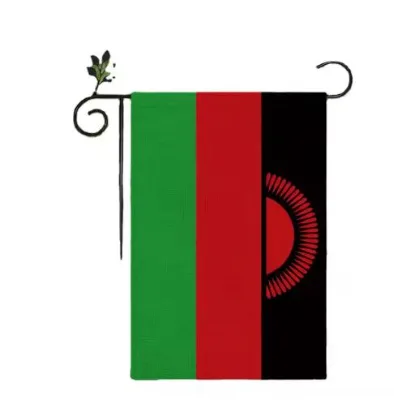
Malawi Garden Flag Customizable Digital Print Garden Flag for Outdoor Decoration Yard Flag
$0.9063 - $1.0097
MOQ: 10 pieces
Custom 100% Polyester Sublimation Garden Flag 12x18 in Double Sided Without Stand
$0.7086 - $1.0052
MOQ: 10 pieces
Wholesale Custom Logo 12x18 Inches Blank Sublimation Double Sided Outdoor Yard Garden Flags
$0.69 - $0.98
MOQ: 10 pieces
Linyi Aozhan Import And Export Co., Ltd.
- Verified by TüVRheinland
- Manufacturer, Trading Company
- Lead time7 days
- Avg. response≤ 2h
Main productsCustom Flags, Banners, Car Flags, Feather Flags, Garden Flags
Main marketsNorth America(30%), South America(15%), Oceania(10%)

Hefei Jingyi Image Printing Co., Ltd.
- Verified by CTI
- Trading Company,Manufacturer/Factory
- China Anhui
- Lead time15 days
- Avg. response≤ 9h
Main productsTent, Inflatable Arch, Flag, Banner, Sticker, Photo Booth Props, Event Display Stands, Pop up Tent, Star Tent, Inflatable Advertising
Main marketsSouth America,Eastern Europe,Mid East,North America,Southeast Asia,Eastern Asia,Oceania,Western Europe,Africa


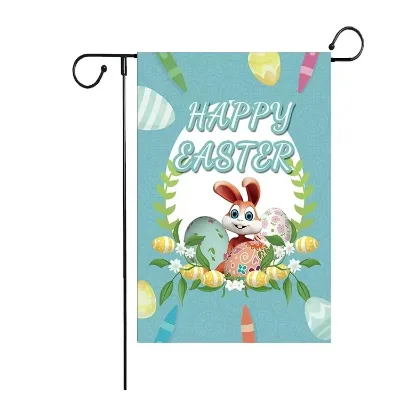
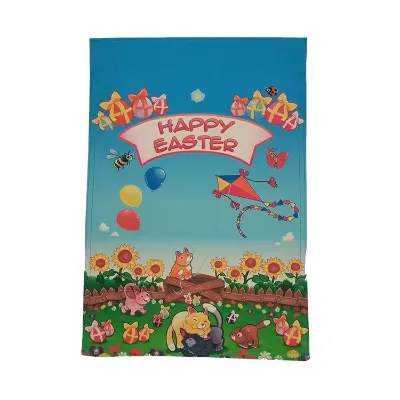
Happy Easter Garden Flag Custom Design Garden Flag For Festival With Free Design Service
$1.00 - $9.00
MOQ: 1 Pieces


$1.00 - $9.00
MOQ: 1 Pieces

Shanghai Guojie Banner Produce Co., Ltd.
- Manufacturer, Trading Company
- Lead time旺季: "1 - 200":3,"201 - 500":7,"501 - 2000":14,"> 2000":"To be negotiated", 淡季: "1 - 200":3,"201 - 500":7,"501 - 2000":14,"> 2000":"To be negotiated"
- Avg. response≤ 2h
Main productsBanner, Flag, Table Cloth, Trade Show Tent, Display Stand Banner
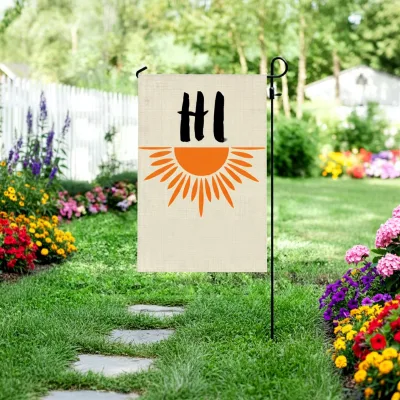
Custom Garden Flag Double Sided Outdoor Yard Flag Personalized Garden Flag for Front Yard Decoration
$0.6576 - $1.0067
MOQ: 8 pieces
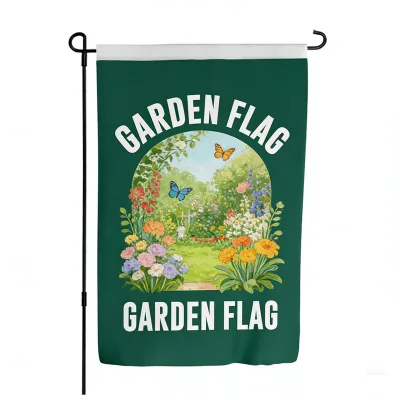
45x30cm Weather Resistant Durable Lawn Garden Flag Vibrant Cute Garden Flag for Lawn Decor
$0.6561 - $1.0052
MOQ: 8 pieces
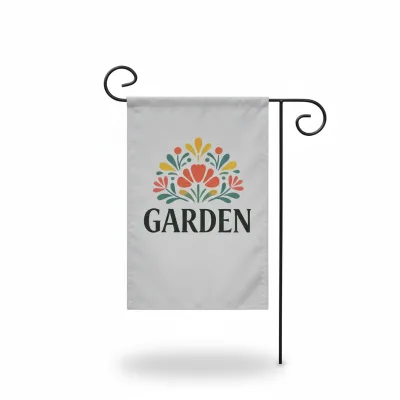
Long Lasting Reusable Outdoor Garden Flag Lightweight Colorful Garden Flag for Yard Decor
$0.6561 - $1.0052
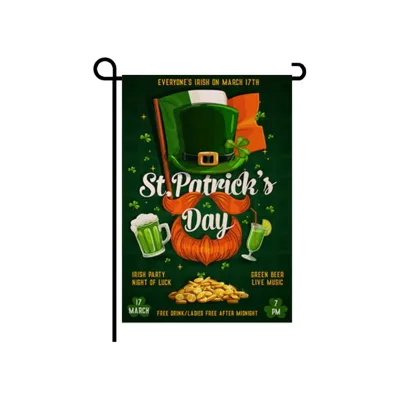
MOQ: 8 pieces

Changzhou Onestopflag Co., Ltd.
- Combined
- China Jiangsu
- Lead time15 days
- Avg. response≤ 3h
Main productsFeather Flag, Nation Flag, Garden Flag, Car Flag, Advertising Flag, Outdoor Banner, Beach Flag
Main marketsDomestic,Europe,North America


Outdoor Flag Custom Flag Garden Flag Digital Printing Flags Metal Garden Flag Pole
$1.80 - $4.00
MOQ: 5 Pieces
Xiamen Novelty Flag Import And Export Co., Ltd.
- Trading Company
- Fujian, China
- Lead time14 days
- Avg. response≤ 4h
Main productsFlags, Banners, Flagpole And Kits, Table Covers, Advertising Tents
Main marketsNorth America(35.00%), Southern Europe(15.00%), Western Europe(15.00%), Northern Europe(6.00%), Mid East(5.00%), Oceania(5.00%), Domestic Market(5.00%), Southeast Asia(3.00%), South Asia(2.00%), Africa(2.00%), Eastern Asia(2.00%), Central America(2.00%), South America(2.00%), Eastern Europe(1.00%)
Hangzhou D&d Import And Export Co., Ltd.
- Trading Company
- Zhejiang, China
- Lead time20 days
- Avg. response≤ 5h
Main productsFlag Banner, Flag Gifts
Main marketsNorth America(60.00%), Western Europe(10.00%), Mid East(10.00%), Southeast Asia(10.00%), South America(5.00%), Africa(5.00%)
$1.6433 - $1.9309
MOQ: 100 pieces

Personalized Garden Flag Outside 12x18 Inches Custom Flag DIY Home Flags for Yard Banners Decoration
$1.55 - $1.65
MOQ: 100 packs
Changsha Bannerking Intelligent Technology Co., Ltd.
- Manufacturer, Trading Company
- Hunan, China
- Lead time7 days
- Avg. response≤ 2h
Main productsBeach Flag, Banners, Table Cloth, Straight Backdrop, Exhibition Tents
Main marketsNorth America(47.00%), Western Europe(15.00%), Oceania(10.00%), Southeast Asia(9.00%), Africa(6.00%), Mid East(5.00%), Eastern Europe(4.00%), South America(2.00%), Eastern Asia(1.00%), Northern Europe(1.00%)
Ningbo Heyuan Textile Product Co., Ltd.
- Manufacturer, Trading Company
- Lead time旺季: "1 - 50":15,"> 50":"To be negotiated", 淡季: "1 - 50":15,"> 50":"To be negotiated"
- Avg. response≤ 5h
Main productsTote Bag, Eye Mask, Flag, Bandana, Picnic Blanket
Xiongxian Rongmiao Trading Co., Ltd.
- Trading Company
- Hebei, China
- Lead time15 days
- Avg. response≤ 2h
Main productsFlags and Banners,Flagpole,Hats,Tent,Embroidered And Printing
Main marketsSouth America(30.00%), North America(30.00%), Northern Europe(10.00%), Eastern Europe(3.00%), Central America(3.00%), Western Europe(3.00%), Eastern Asia(3.00%), Mid East(3.00%), Domestic Market(3.00%), South Asia(3.00%), Southeast Asia(3.00%), Oceania(2.00%), Africa(2.00%), Southern Europe(2.00%)
$0.3625 - $0.5063
MOQ: 20 pieces
Guangzhou Flagsprint Crafts Co., Ltd.
- Manufacturer, Distributor/Wholesaler
- Guangdong, China
- Lead time10 days
- Avg. response≤ 5h
Main productsCustom flag and banners,Custom tent and umbrella,Custom table cloth,custom labels,custom T-shirt
Main marketsNorth America(80.00%), Northern Europe(10.00%), Mid East(10.00%)
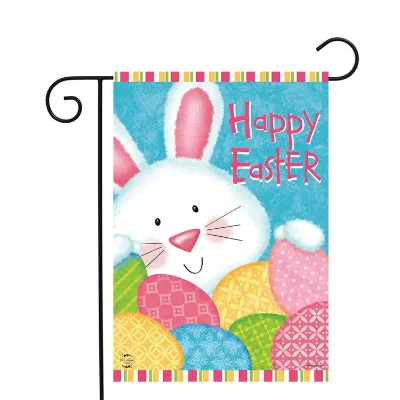
2022 Newest Double Sided Sublimation Printed Easter Garden Flag Seasonal Garden Flag
$0.50 - $3.50
MOQ: 10 Minimum

Hebei New Sight Outdoor Products Co., Ltd.
- Verified by SGS
- Combined
- China Hebei
- Lead time23 days
- Avg. response≤ 5h
Main productspop up tent
Main marketsEurope

Promotional Flags Banners Custom Promotion Printing Flag Promotion Printing Flag
$2.39 - $5.98
MOQ: 100 Pieces


Advertising Display Pink Flag Advertising Flags Banners Promotion Printing Flag
$2.39 - $5.98
MOQ: 100 Pieces


Hongsu Promotion & Advertising Products (Yancheng) Co., Ltd.
- Trading Company
- Jiangsu, China
- Lead time30 days
- Avg. response≤ 4h
Main productsFlag Banner,Advertising Tents,Advertising Inflatables,Indoor and Outerdoor Displays,Gift Promotion
Main marketsNorth America(50.00%), Western Europe(40.00%), Mid East(10.00%)
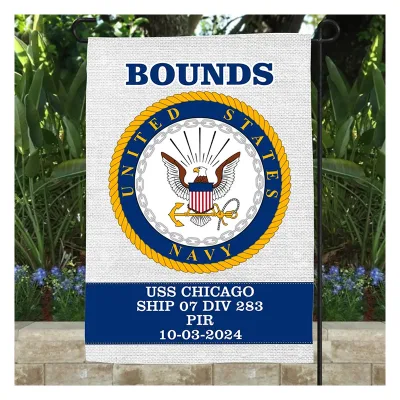
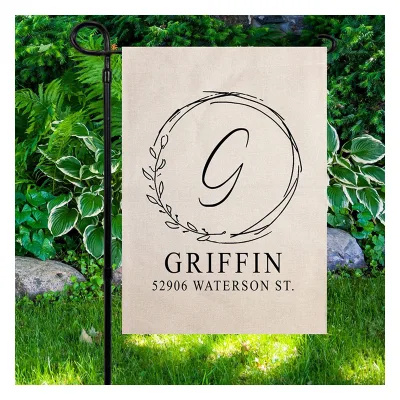
$0.60 - $0.70
MOQ: 20 pieces
$0.6232 - $0.7265
MOQ: 20 pieces

Jinjiang Jiaxing Supply Management Co., Ltd.
- Verified by TUVRHEINLAND
- Trading Company
- China Fujian
- Lead time30 days
- Avg. response≤ 2h
Main productsEVA Clogs, Flip Flop, Shoe Charms, Shopping Bags, Wristbands, Gifts, Promotional Gifts, Slipper, Sport Cap, Ball
Main marketsNorth America

- Verified by TUVRHEINLAND
- Trading Company,Manufacturer/Factory,Group Corporation
- China Fujian
- Lead time15 days
- Avg. response≤ 6h
Main productsFlag, Banner, Flagpole, Pop up Display, Table Cover, Display Flags, Bandana Scarf, Tents, Vinyl Banner, Drawstring Bag
Main marketsSouth America,Eastern Europe,Mid East,North America,Southeast Asia,Eastern Asia,Oceania,Western Europe,Africa
Linhai C & S Arts & Crafts Co., Ltd.
- Verified by TüVRheinland
- Manufacturer, Trading Company
- Lead time20 days
- Avg. response≤ 3h
Main productsFlag, Garden Flag, Advertising Flag, Flag Pole, Cushion
Main marketsNorth America(52%), Western Europe(22%), Oceania(18%)
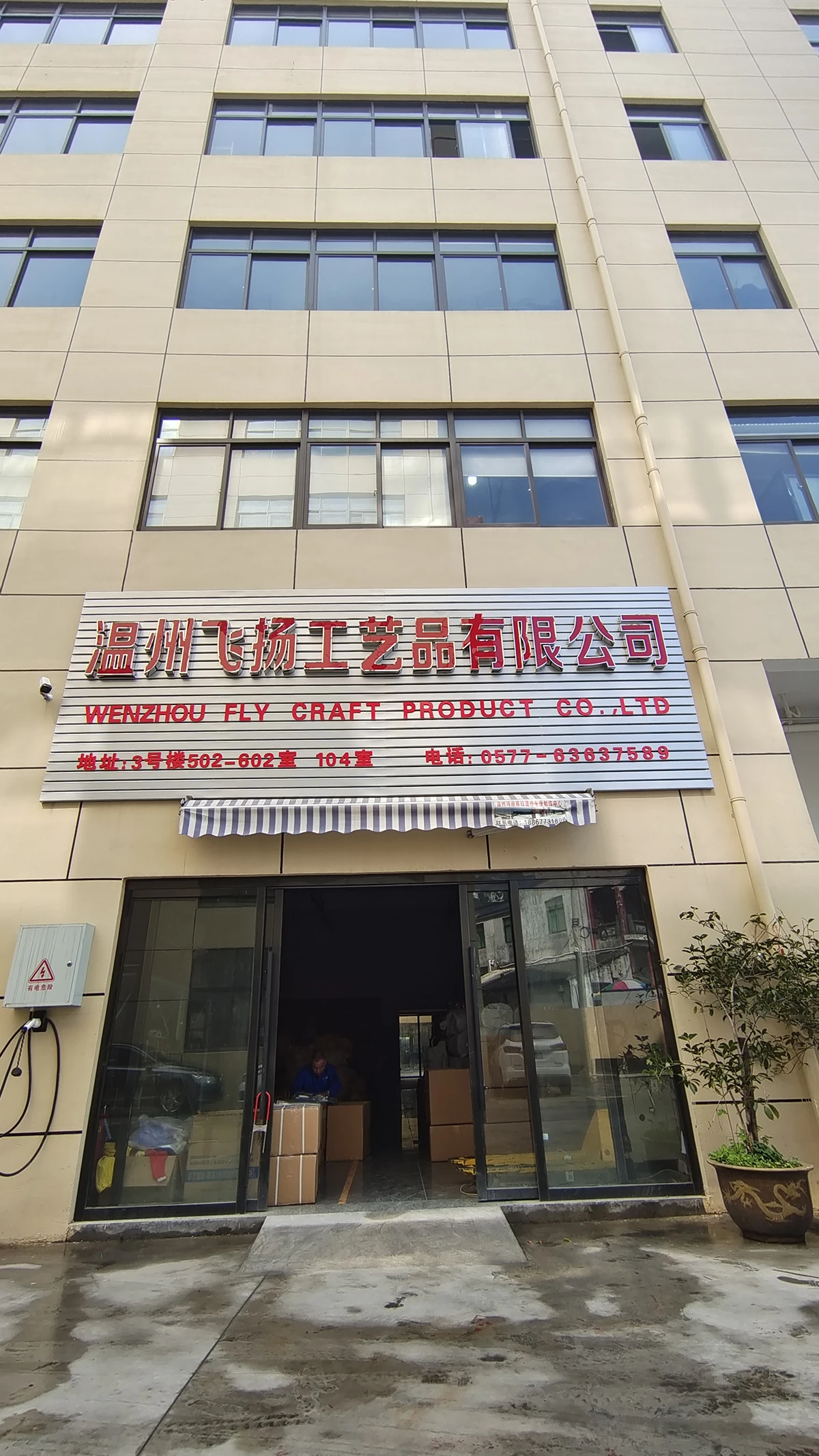
Wenzhou Fly Craft Product Co., Ltd.
- Manufacturer, Trading Company
- Zhejiang, China
- Lead time18 days
- Avg. response≤ 4h
Main productsFlags,Safety flag,Felt pennant,Cotton bag,Hoodies
Main marketsMid East(100.00%), Oceania(100.00%), South Asia(100.00%), Central America(20.00%), North America(20.00%), Eastern Europe(15.00%), Southern Europe(10.00%), Western Europe(10.00%), Northern Europe(10.00%), Domestic Market(9.00%), Africa(2.00%), Southeast Asia(2.00%), Eastern Asia(1.00%), South America(1.00%)

- Verified by BV
- Trading Company
- China Shanghai
- Lead time15 days
- Avg. response≤ 4h
Main productsCanopy Tent, Advertising Flag, Table Cover, Light Box, Advertising Tent, Exhibition Booth, Adjustable Banner Display, Tension Backdrop, Inflatable Tent, Sports Wear
Main marketsSouth America,Africa,Southeast Asia/ Mideast,East Asia(Japan/ South Korea),Europe,Australia,North America

Dongying Mingyang Advertising Co., Ltd.
- Trading Company
- China Shandong
- Lead time0 days
- Avg. response≤ 1h
Main productsTents, Flag, Event Tents, Custom Flags, Tension Fabric Wall, Sales Tents, Beach Flag, Camping Tents, Banner


High-Quality Custom Garden Backdrop Flag Banner for Seasonal Celebrations
$0.60 - $1.50
MOQ: 100 Pieces

Personalized Garden Flag Banners for Every Celebration Throughout The Year
$0.60 - $1.50
MOQ: 100 Pieces




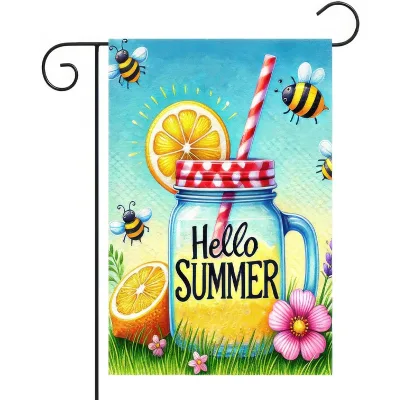
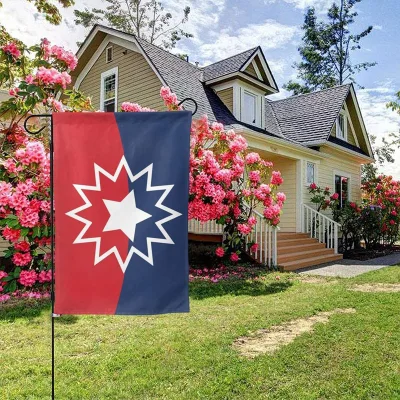
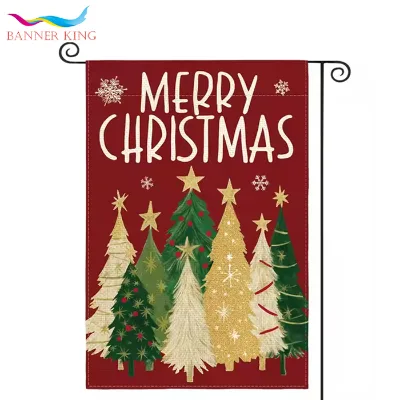
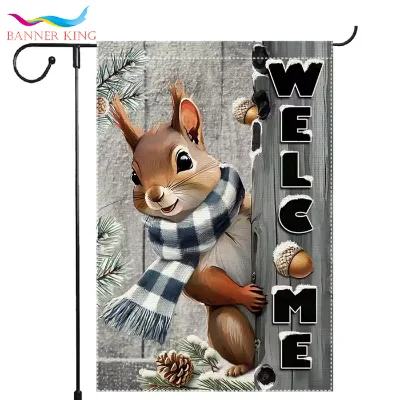





Comprehensive Sourcing Guide
4 Color Printing Garden Flag Supplier Concentration and Factory Types
The sourcing landscape for 4 color printing garden flags reveals a distinct concentration of manufacturing capabilities within specific industrial regions, with Shandong Province in China emerging as a primary hub for this category. Suppliers located in this area often operate as either dedicated manufacturers or hybrid entities that combine factory production with trading services, allowing them to offer both direct factory pricing and broader product assortments. This geographic clustering is significant because it indicates a mature supply chain ecosystem where raw materials like polyester and digital printing technologies are readily accessible, reducing logistical friction for bulk orders. Buyers evaluating suppliers should recognize that factories in this region typically possess the infrastructure for high-volume digital sublimation, which is essential for achieving the vibrant, multi-color results required for detailed garden flag designs. The presence of both manufacturer and trading company types suggests that buyers can choose between direct factory engagement for cost efficiency or trading partners for consolidated shipping and diverse inventory management. Understanding this factory type distinction is crucial for negotiating terms, as manufacturers may have stricter minimum order quantities but offer better unit prices, while trading companies might provide more flexible MOQs and additional services like design assistance. The concentration of these entities in Shandong implies that logistics networks are optimized for exporting textile-based promotional items, potentially offering faster transit times to major global ports compared to suppliers in less developed industrial zones.
Beyond geographic concentration, the variety of company types available to buyers influences the scope of customization and service levels offered for 4 color printing garden flags. Manufacturers typically focus on their core competencies, such as digital printing and sewing, ensuring high quality control for standard products like polyester garden flags with double or four-line stitching. These factories often support OEM and ODM services, allowing buyers to leverage existing designs or create unique proprietary products with custom logos and shapes. In contrast, trading companies may aggregate products from multiple factories, offering a wider range of accessories like flagpoles, stands, and packaging options that complement the flags themselves. This distinction is vital for buyers who require a one-stop solution for complete garden decoration sets, including matching poles and display hardware. The hybrid nature of some suppliers, identified as both manufacturers and trading companies, offers a middle ground, providing the production control of a factory with the flexibility and breadth of a trader. Buyers should assess whether their project requires deep technical customization, which favors pure manufacturers, or logistical convenience and product variety, which may favor trading companies. The ability to verify these company types through platform badges or direct inquiry helps buyers align their sourcing strategy with their specific operational needs, ensuring they partner with entities that can reliably deliver the 4 color printing quality and volume required for their market.
How to Verify 4 Color Printing Garden Flag Suppliers
Verifying the credibility and capability of 4 Color Printing Garden Flag suppliers requires a multi-layered approach that goes beyond surface-level product images and price quotes. Buyers should prioritize suppliers who display robust verification badges, such as SGS verification, which indicates that an independent third party has audited the company’s business legitimacy and operational capabilities. This verification is a critical first step in establishing trust, as it confirms that the entity is a real, active business rather than a shell company. Additionally, buyers must scrutinize the supplier’s system certifications, such as BSCI, which demonstrates compliance with social responsibility standards in the workplace. For garden flags, which are often used in outdoor and public settings, certifications like ISO, EN71, and Eco-Friendly labels are particularly important, as they assure buyers that the materials and printing processes meet international safety and environmental regulations. These certifications are not merely decorative; they are essential for entering regulated markets and avoiding customs delays or product recalls. Buyers should request copies of these certificates and verify their validity through the issuing bodies, ensuring that the supplier’s claims are backed by documented evidence. The presence of these credentials significantly reduces the risk of partnering with unreliable vendors and provides a foundation for long-term business relationships based on transparency and compliance.
Beyond certifications, buyers must actively verify the supplier’s production capacity and quality control processes specific to 4 color printing technology. This involves requesting detailed product specifications, including the type of printing used, such as digital sublimation or thermal transfer, and the material composition, typically 100% polyester for durability and color vibrancy. Buyers should ask for samples to evaluate the print quality, color accuracy, and stitching integrity, which are critical for the final product’s appearance and longevity. The supplier’s response time is also a key indicator of their operational efficiency and customer service quality; a rapid response, such as under two days, suggests a well-organized team capable of handling inquiries and order modifications promptly. Furthermore, buyers should inquire about the supplier’s sample time, which can range from one to three days, indicating their ability to provide quick turnaround for design approvals. It is also advisable to check the supplier’s main products to ensure that 4 color printing garden flags are a core competency rather than a peripheral offering. Suppliers whose primary focus is on flags and banners are more likely to have specialized equipment and expertise in this niche. By combining verification of credentials with practical assessments of production capabilities and responsiveness, buyers can confidently select suppliers who are equipped to deliver high-quality 4 color printing garden flags that meet their specific requirements.
What to Compare Across 4 Color Printing Garden Flag Suppliers
When evaluating multiple suppliers for 4 color printing garden flags, buyers must systematically compare key operational metrics to identify the most suitable partner for their specific needs. One of the most critical factors is the minimum order quantity (MOQ), which can vary significantly across suppliers, ranging from as low as one piece for sample orders to 100 or 150 pieces for bulk production. Buyers with smaller budgets or those testing new designs should prioritize suppliers with lower MOQs, while those planning large-scale campaigns may benefit from suppliers offering volume discounts on higher quantities. Another essential comparison point is the lead time, which indicates how quickly the supplier can fulfill orders after confirmation. Lead times can differ based on the supplier’s current workload and production capacity, with some offering turnaround times as short as ten days and others requiring up to twenty-three days. Buyers must align these lead times with their project deadlines to avoid stockouts or missed marketing opportunities. Additionally, the price range for 4 color printing garden flags should be compared, keeping in mind that lower prices may correlate with lower MOQs or different material qualities. Buyers should request detailed quotes that break down costs for printing, materials, and packaging to ensure transparency and avoid hidden fees.
Beyond operational metrics, buyers should compare the customization options and product attributes offered by different suppliers to ensure they meet their design and functional requirements. This includes evaluating the available printing techniques, such as digital printing or thermal transfer, and the material options, primarily polyester, which is favored for its durability and color retention. Buyers should also compare the stitching options, such as double, three, or four-line stitching, which affect the flag’s durability and aesthetic appeal. The availability of custom shapes, sizes, and logo placements is another crucial factor, as buyers often require specific dimensions to fit their display stands or poles. Suppliers that offer flexible customization, including any design availability and various pole pocket colors, provide greater creative freedom. Additionally, buyers should compare the packaging options, such as OPP bags or cartons, which can impact shipping costs and product protection. The supplier’s ability to provide artwork in various formats, such as AI, JPG, PDF, EPS, and PSD, is also important for streamlining the design approval process. By thoroughly comparing these attributes, buyers can select a supplier that not only offers competitive pricing and efficient lead times but also provides the specific customization and quality features required for their 4 Color Printing Garden Flag projects.
Common 4 Color Printing Garden Flag Sourcing Risks
Sourcing 4 color printing garden flags involves several inherent risks that buyers must proactively manage to ensure a successful procurement outcome. One significant risk is the potential for color inconsistency between the digital print design and the final physical product. Digital printing, while versatile, can sometimes result in color variations due to differences in printer calibration, ink quality, or material absorption. Buyers must mitigate this risk by requesting physical samples before placing bulk orders and specifying exact color codes, such as Pantone references, in their design files. Another risk is the durability of the print and material under outdoor conditions. Garden flags are often exposed to sunlight, rain, and wind, which can cause fading, tearing, or stitching failure if low-quality materials are used. Buyers should verify that the supplier uses high-grade polyester and waterproof characteristics to ensure longevity. Additionally, the quality of the stitching, whether double, three, or four-line, must be assessed to prevent fraying. Buyers should also be cautious of suppliers who do not provide clear information about their production processes or material sources, as this lack of transparency can indicate potential quality control issues.
Another common risk is the discrepancy between the quoted lead time and the actual delivery date. Suppliers may underestimate production times or face unexpected delays due to material shortages or high order volumes. Buyers should establish clear communication channels and request regular updates on production progress to monitor timelines. Furthermore, there is a risk associated with intellectual property infringement if buyers use copyrighted designs without proper authorization. Buyers must ensure that they have the rights to all graphics and logos used in their flag designs to avoid legal complications. Additionally, buyers should be wary of suppliers who offer unusually low prices, as this may indicate the use of substandard materials or unethical labor practices. Verifying the supplier’s certifications, such as BSCI and ISO, can help mitigate this risk by ensuring compliance with social and environmental standards. Finally, logistical risks, such as damage during shipping or customs delays, can impact the final delivery. Buyers should choose suppliers who offer secure packaging, such as carton or OPP bag options, and have experience in exporting to their target markets. By identifying and addressing these risks through careful supplier selection and clear contractual terms, buyers can minimize disruptions and ensure the successful delivery of high-quality 4 color printing garden flags.
4 Color Printing Garden Flag Regional Sourcing and Logistics
The regional sourcing of 4 color printing garden flags is heavily influenced by the geographic concentration of manufacturing hubs, with Shandong Province in China being a prominent location for this industry. Suppliers in this region benefit from established supply chains for raw materials like polyester and advanced digital printing equipment, which facilitates efficient production and competitive pricing. Buyers sourcing from this area should consider the logistical advantages of proximity to major ports, which can reduce shipping times and costs for international orders. The concentration of manufacturers in Shandong also means that buyers have access to a wide variety of suppliers, allowing for greater competition and better negotiation leverage. However, buyers must also be aware of the logistical challenges associated with importing from China, such as customs clearance procedures and potential tariffs. Understanding the specific export regulations of the destination country is essential to avoid delays or additional costs. Buyers should work with suppliers who have experience in international shipping and can provide necessary documentation, such as commercial invoices and packing lists, to streamline the customs process.
In addition to regional sourcing, buyers must consider the logistics of packaging and transportation for 4 color printing garden flags. The packaging method, whether it is individual OPP bags or bulk cartons, can significantly impact shipping efficiency and product protection. Suppliers in Shandong often offer flexible packaging options to meet buyer preferences and optimize container space. Buyers should calculate the package size per batch and gross weight to determine the most cost-effective shipping method, whether it is air freight for urgent orders or sea freight for bulk shipments. The sample time, which can range from one to three days, is another logistical factor that buyers must account for in their planning. Quick sample turnaround allows for faster design approval and production start, reducing overall lead times. Buyers should also consider the supplier’s ability to handle large orders efficiently, as capacity constraints can lead to delays. By understanding the
FAQs
What is the typical MOQ for 4 color printing garden flags?
Minimum order quantities among listed suppliers range widely, from as low as 1 piece on some custom hemp designs up to 100 or 150 pieces for standard garden flags. Sports-style printed flags have been quoted with a 10-piece MOQ. Confirm the exact MOQ for your chosen design and customization level before placing an order.
How much does a custom printed garden flag cost per unit?
Quoted unit prices for printed garden flags range from roughly $0.20 to $1.60 depending on material, size and printing method. Polyester flags with digital printing generally fall between about $0.99 and $1.60, while some holiday-themed hemp designs start near $0.20. Larger orders and simpler artwork may qualify for lower pricing.
What printing methods are used for 4 color garden flags?
Most listed garden flags are produced with digital printing, and some suppliers also offer thermal transfer printing for 100% polyester sublimation designs. Digital printing handles full-color artwork, logos and photographic images well. Ask which method suits your design, since dye-sublimation often gives better color penetration on double-sided polyester flags.
What sizes are standard for printed garden flags?
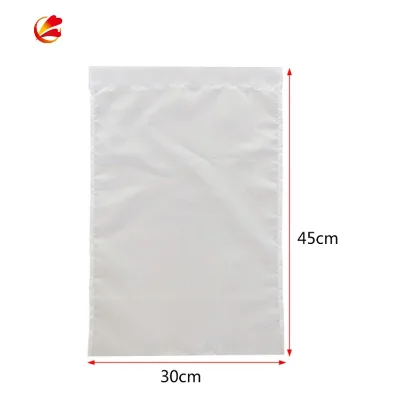
The most common standard size is 30x45 cm, which equals 12.5 x 18 inches, and most suppliers can customize to any size or shape you need. Listings include square shapes, small sizes and fully customized dimensions. Provide your artwork in formats such as AI, JPG, PDF, EPS or PSD when requesting a quote.
How long does production take for custom garden flags?
Lead times among the listed suppliers range from about 10 to 23 days depending on the factory, order quantity and customization level. Sample production can take as little as 1 to 3 days on some listings. Confirm the current lead time for your specific quantity, since seasonal peaks around holidays may extend production schedules.
Are printed garden flags suitable for outdoor use?
Yes, the listed flags are made from waterproof polyester and designed for outdoor display, advertising and decoration. Stitching options include double, three or four sewing lines for added durability, and some flagpoles use aluminium or plastic materials. Verify weather resistance expectations for prolonged sun exposure, since polyester can fade over extended periods.
Can I order double-sided printed garden flags?
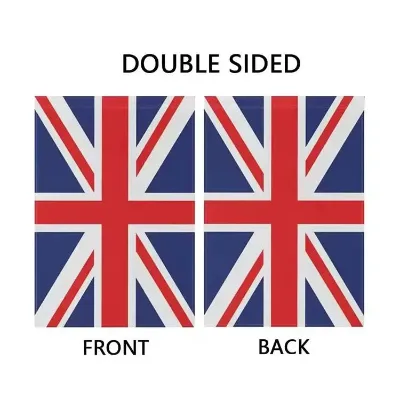
Yes, double-sided options are available, including 100% polyester sublimation garden flags in the 12x18 inch size, typically sold without a stand. Double-sided construction usually means two panels sewn together with a blocking layer for true readability from both sides. Confirm whether your quote covers single or double-sided printing when comparing prices.
What certifications do garden flag suppliers hold?
Listed suppliers include manufacturers verified by SGS with BSCI system certification, and product attributes reference Eco-Friendly, SGS, ISO and EN71 certifications. Shandong, China is a major sourcing location for these flag factories. Always request current certificate copies directly from a supplier, since certification scope and validity can change over time.