Source Customizable Brass Chicago Screws for Furniture Marine Outdoor
Find 30 Customizable Brass Chicago Screws with various head styles, coatings, and sizes for furniture, marine, and outdoor applications. Compare specifications from suppliers in China with options for standard and customized threads; compare the available evidence and request quotations based on your requirements.
Updated
Key considerations
Products List
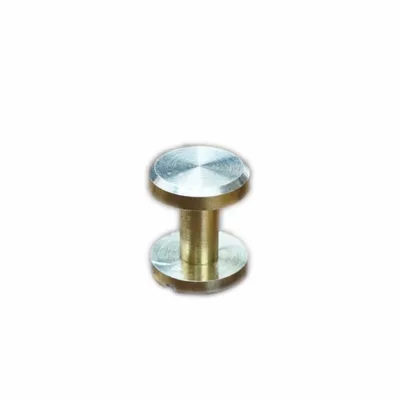
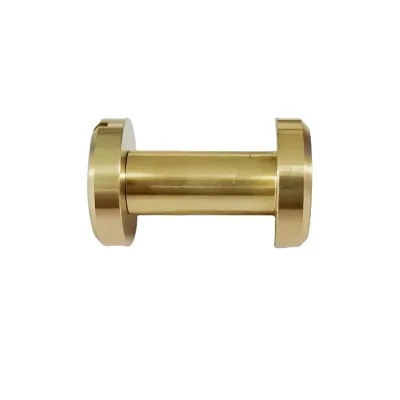


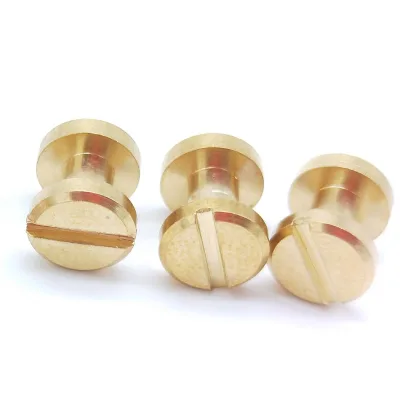
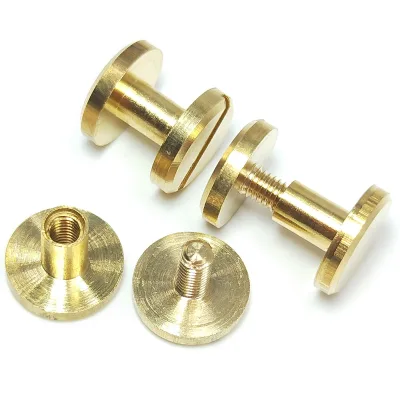
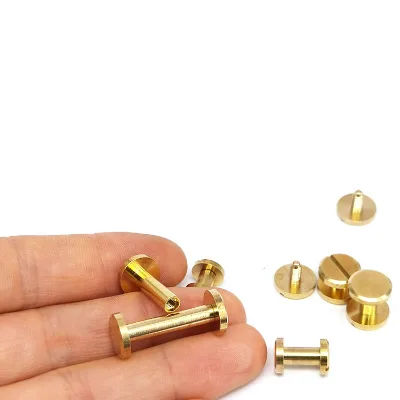
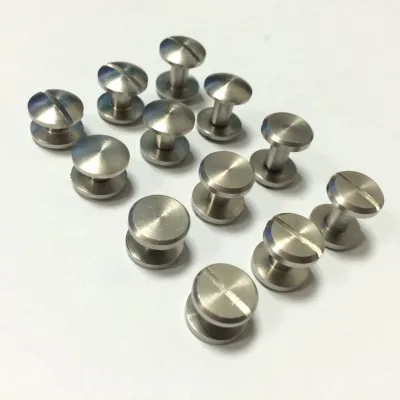
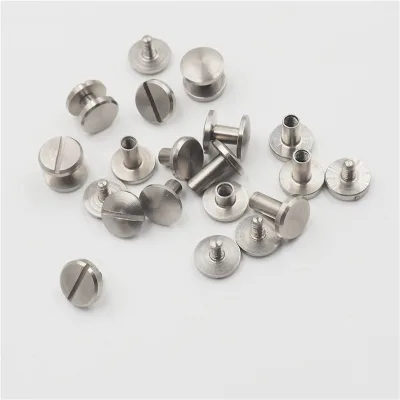
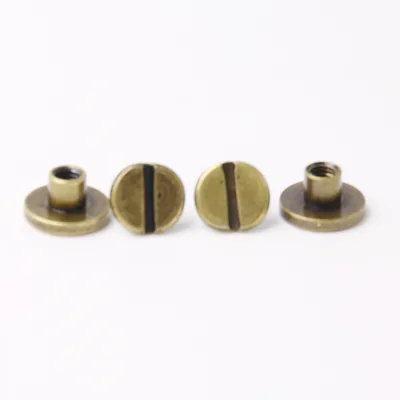
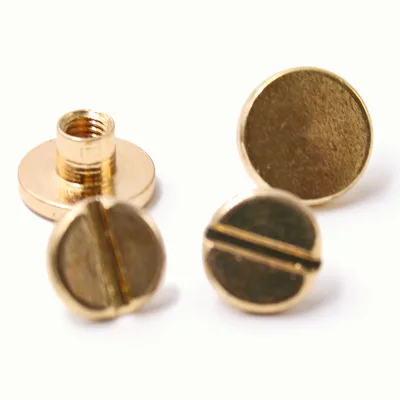
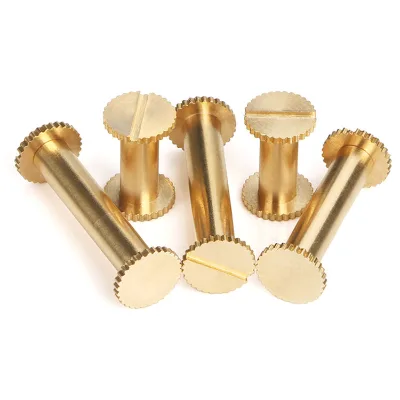
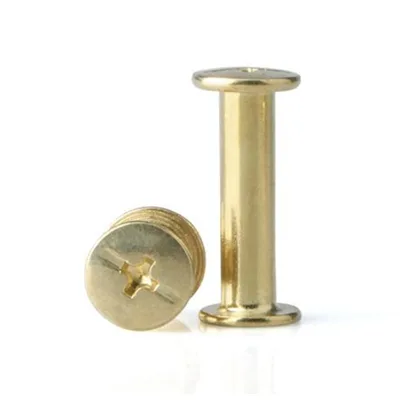
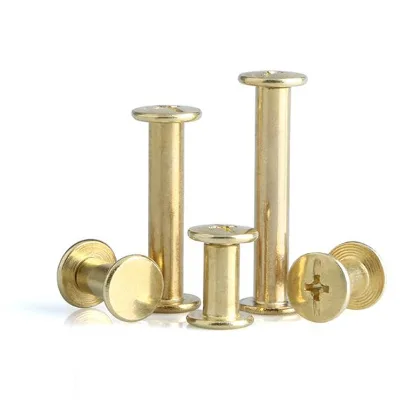
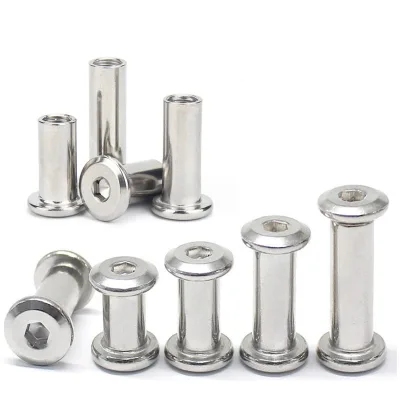
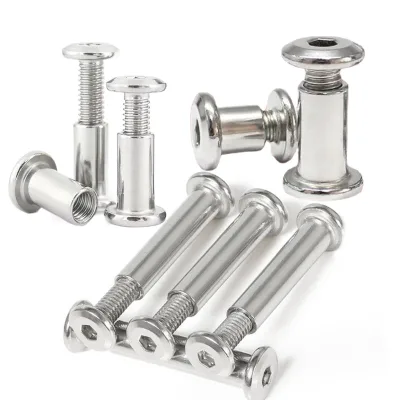
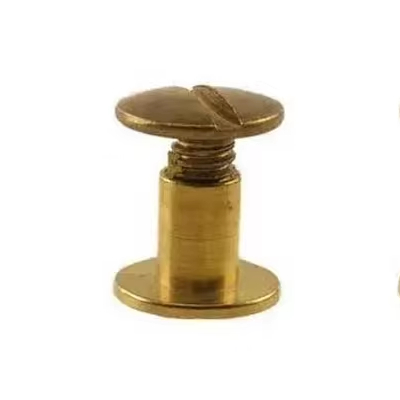
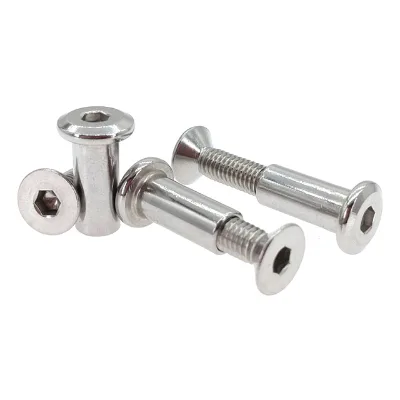
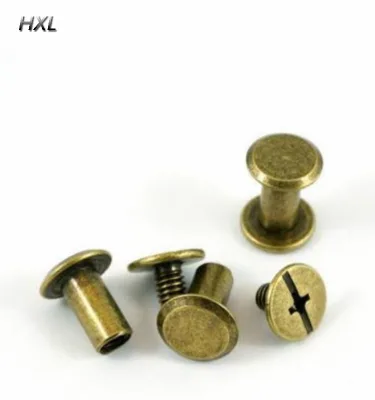
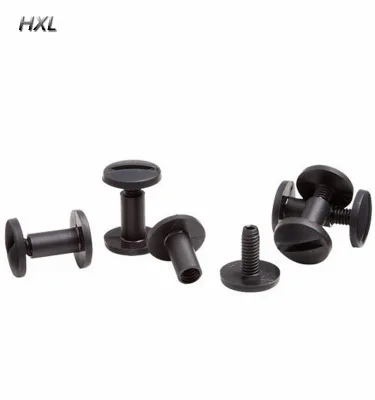
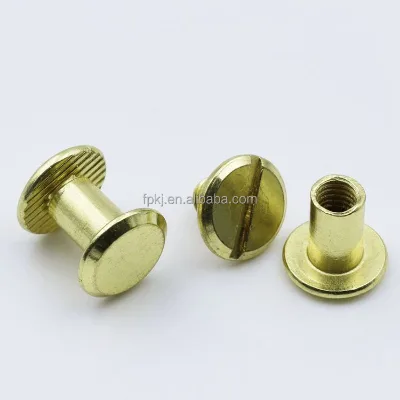
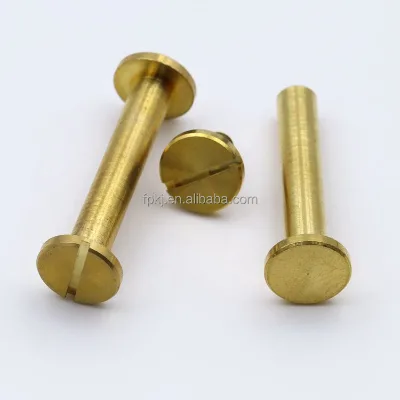


Comprehensive Sourcing Guide
Customizable Brass Chicago Screws Sourcing Guide
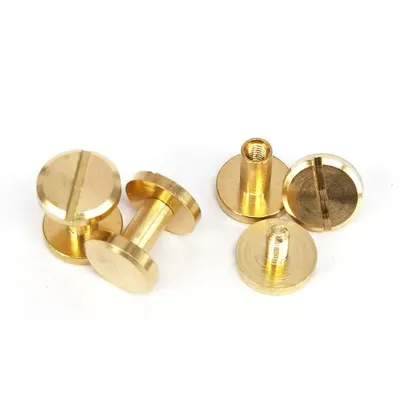
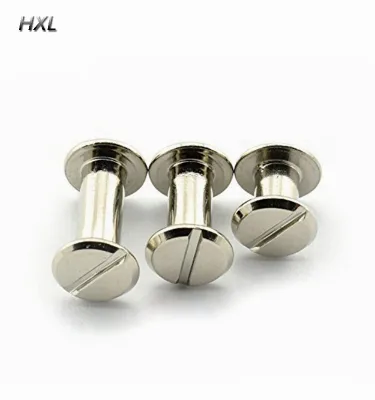
Procuring Customizable Brass Chicago Screws requires a strategic approach that balances aesthetic requirements with mechanical performance. These fasteners are distinct for their concealed head design, which provides a clean, professional finish ideal for visible assemblies. Buyers must recognize that "customizable" implies a wide variance in thread pitch, head diameter, and stem length, necessitating precise technical drawings rather than generic part numbers. The sourcing process begins with defining the exact application environment, as brass offers natural corrosion resistance but varies in alloy composition. Understanding the specific mechanical load and environmental exposure is critical before engaging with suppliers, as these factors dictate the necessary material grade and manufacturing tolerances.
The market for these components is fragmented, with suppliers often listing multiple material options including stainless steel, aluminum, and plastic alongside brass. This diversity can lead to confusion if the buyer does not explicitly specify brass as the primary material. Observations from current listings indicate a broad range of head styles, including pan, truss, flat, oval, round, hex, cheese, and binding heads. Each style serves a different functional purpose, from distributing load over a larger area to providing a low-profile finish. Buyers should carefully select the head style that matches their assembly constraints, ensuring that the chosen configuration does not compromise the structural integrity of the joint or the aesthetic goals of the final product.
Product Scope and Observed Listing Signals
Current market data reveals a significant price variance, with observed listing prices ranging from $0.01 to $0.20 USD per unit. This wide range suggests that pricing is heavily influenced by order volume, material purity, and surface finishing complexity. Buyers should interpret these low-end figures as indicative of high-volume, standardized runs rather than custom orders. The minimum order quantity (MOQ) typically spans from 1 to 1,000 pieces, with some suppliers enforcing a strict MOQ of 1,000 PCS for custom configurations. This tiered approach allows small prototyping projects to proceed while encouraging larger commitments for production runs. Understanding these commercial signals helps buyers budget accurately and negotiate more effectively based on their anticipated volume.
Lead times and sampling availability are critical operational factors that vary among suppliers. Typical delivery times are reported between 7 and 15 working days, while sampling times range from 3 to 5 working days. These timelines assume that all technical specifications are finalized and approved prior to production initiation. Buyers must account for these durations in their project planning, especially when dealing with customized thread sizes or non-standard head diameters. The availability of single-item selling units suggests that suppliers are flexible with initial orders, but this flexibility often comes at a higher per-unit cost. Procurement teams should verify these lead times explicitly during the negotiation phase to avoid production delays caused by unexpected manufacturing bottlenecks.
Technical Specifications to Verify
Thread type and size are the most critical technical parameters for Chicago screws, as they determine compatibility with mating holes. Standard thread types are commonly available, but buyers must verify whether the thread is metric or inch-based, as confusion between these systems can lead to assembly failures. Observed thread sizes include M3, M4, and M4.2, with some listings specifying #2 threads. The stem diameter is another key variable, often available in 4mm or 5mm options. Buyers should provide exact thread pitch and diameter specifications to their suppliers, as even minor deviations can affect the torque and clamping force of the fastener. Customization is widely available, allowing for tailored solutions that meet specific mechanical requirements.
Head style and overall dimensions significantly impact the visual and functional outcome of the assembly. Common head styles include round, pan, truss, flat, oval, hex, cheese, and binding heads, each offering different aesthetic and mechanical properties. Head diameters are often standardized at 8mm or 10mm, but custom options are available for specialized applications. The length of the screw can vary from 6mm to 100mm, with some suppliers offering fully customized lengths. Tolerances are typically tight, ranging from 0.01mm to 0.05mm, ensuring precise fitment. Buyers must confirm these dimensional specifications in their purchase orders, as visual inspection alone cannot guarantee compliance with tight tolerance requirements.
Compliance and Safety Documentation
Certification status is a vital consideration for buyers operating in regulated industries. Many suppliers claim compliance with international standards such as ISO, SGS, RoHS, CE, and ISO9001. These certifications indicate that the manufacturing process adheres to quality management systems and environmental regulations. However, buyers should verify the validity of these certificates directly with the issuing bodies, as claims on product pages may not reflect current status. RoHS compliance is particularly important for electronics and consumer goods, ensuring that hazardous substances are limited in the brass alloy. ISO9001 certification suggests a consistent quality management system, which is crucial for maintaining uniformity across large production batches.
Material composition and surface finishing also play a role in regulatory compliance. Brass screws are often subject to testing for lead content and other heavy metals, depending on the destination market. Surface finishes such as zinc plating, black oxide, chrome plating, and zinc-flake coating can affect both corrosion resistance and environmental compliance. Buyers should request material test reports (MTRs) to verify the alloy composition and ensure that the finish does not introduce prohibited substances. The salt spray test is a common method for evaluating corrosion resistance, and buyers should inquire about the test duration and results to assess the longevity of the fastener in harsh environments.
Cost Drivers and Commercial Terms
The cost of Customizable Brass Chicago Screws is influenced by several factors, including raw material prices, manufacturing complexity, and surface treatment requirements. Brass is a more expensive material compared to steel or aluminum, and the cost varies based on the copper-zinc ratio and the inclusion of other alloying elements. Custom thread pitches and non-standard head diameters require specialized tooling, which increases setup costs and leads to higher per-unit prices. Surface finishes such as cadmium plating or zinc-aluminum coating add additional processing steps and material costs. Buyers should request detailed cost breakdowns to understand how each customization option impacts the final price.
Packaging and logistics are also significant cost drivers, especially for international shipments. Standard packaging often involves 25-30kg per box with polywood pallets, which provides protection during transit but adds weight and volume. Buyers should consider the total landed cost, including freight, insurance, and customs duties, when evaluating supplier quotes. Payment terms and currency fluctuations can also affect the final cost, so buyers should negotiate favorable terms and consider hedging strategies if dealing with volatile markets. Clear communication regarding packaging requirements and shipping instructions can help minimize unexpected costs and ensure that the products arrive in good condition.
Supplier Qualification and Quality Control
Supplier qualification is essential for ensuring consistent quality and reliable delivery. Buyers should conduct thorough due diligence, including verifying business licenses, manufacturing capabilities, and quality control processes. On-site audits or third-party inspections can provide valuable insights into the supplier's production environment and adherence to stated standards. Suppliers with ISO9001 certification are generally more reliable, as they have established procedures for quality management. Buyers should also assess the supplier's ability to handle custom orders, including their engineering support and prototyping capabilities. A supplier's responsiveness and transparency during the quotation phase are often good indicators of their overall professionalism.
Quality control measures should be explicitly defined in the purchase agreement. This includes incoming material inspection, in-process quality checks, and final random sampling. Buyers should specify the acceptable quality level (AQL) and the testing methods to be used, such as dimensional checks, thread gauging, and salt spray testing. Suppliers should provide inspection reports and certificates of conformity with each shipment. Establishing a clear communication channel for addressing quality issues is crucial, as it allows for quick resolution of any defects. Buyers should also consider implementing a supplier scorecard to track performance over time, ensuring continuous improvement and reliability.
Long-Term Procurement Checks
Long-term procurement success depends on continuous monitoring of supplier performance and market trends. Buyers should regularly review supplier delivery times, quality metrics, and cost stability to identify potential issues early. Building a strong relationship with the supplier can lead to better pricing, priority production, and improved technical support. However, buyers should also maintain a diversified supplier base to mitigate risks associated with single-source dependencies. Regularly updating technical specifications and market requirements ensures that the procured components remain relevant and compliant with evolving industry standards.
Sustainability and ethical sourcing are increasingly important considerations in long-term procurement strategies. Buyers should inquire about the supplier's environmental policies, waste management practices, and labor standards. Suppliers who demonstrate a commitment to sustainability are often more resilient and better positioned to meet future regulatory requirements. Buyers should also stay informed about changes in raw material markets and geopolitical factors that could impact supply chain stability. By proactively addressing these issues, buyers can ensure a secure, cost-effective, and responsible supply of Customizable Brass Chicago Screws for their operations.
FAQs
What materials are used for these screws?
The primary material is brass, with other options including stainless steel, steel, aluminium, plastic, titanium, nickel, bronze, and nylon. This variety allows for specific corrosion resistance and strength requirements. Brass and copper are also listed as alternative materials for specialized applications.
Can I customize the head style?
Yes, customization is available for various head styles including pan, truss, flat, oval, round, hex, cheese, and binding. The product supports both inch and metric measurement systems. You can select specific dimensions and thread types to match your exact assembly needs.
What is the minimum order quantity?
The standard minimum order quantity is 1000 pieces. However, observed ranges indicate that some suppliers may accept orders starting from just 1 piece up to 1000 pieces. Buyers should verify specific MOQ requirements with individual suppliers before placing an order.
What certifications do these products have?
Products are certified with ISO, SGS, RoHS, CE, and ISO9001 standards. These certifications ensure quality management and compliance with international regulations. The testing includes salt spray tests to verify rust resistance and durability for outdoor, marine, and furniture applications.
How long is the delivery time?
The typical delivery time is 7 to 15 working days. Sampling time is generally 3 to 5 working days. Packaging is usually 25 to 30 kilograms per box on polywood pallets. Lead times may vary based on order volume and customization requirements.
What thread sizes are available?
Available thread sizes include M3, M4, M5, M4.2, and #2. Lengths range from 6mm to 50mm, with options for 9mm, 70mm, and 100mm. Stem diameters are typically 4mm or 5mm. Customized sizes are also supported for specific needs.