DIN934 Carbon Steel Hex Nuts Suppliers and Manufacturers
Find 29 verified DIN934 Carbon Steel Hex Nuts suppliers in China with data on lead times, response times, and certifications. Compare options by location, MOQ, and customization capabilities to source fasteners efficiently; review the available evidence before requesting comparable quotations from suitable candidates.
Updated
Suppliers List

- Verified by BV
- Combined
- China Zhejiang
- Lead time30 days
- Avg. response≤ 8h
Main productsBolts, Nuts, Threaded Rods, Stud Bolts, Washers, Fasteners, A325 Structural Bolts, A193 Grade B7 All Threaded Rods, A194 Grade 2h Heavy Hex Nuts, F436 Hardened Flat Washers
Main marketsSouth America,Europe,North America

QINGDAO HUAYUN CASTING MACHINERY CO., LTD.
- Verified by BV
- Manufacturer/Factory
- China Shandong
- Lead time23 days
- Avg. response≤ 25h
Main productsAnimal Ox-Drawn Plough, Cast Iron Crosskill Rings, Cambridge Roll Ring / Breaker Ring, Agricultural Machines Accessorie, Disc Plough Wheel, Mechanical Wheel Casters, Industrial Machinery Accessories, Metal Stamping, Manhole Covers, Grey Iron Casting Parts
Main marketsSouth America,Eastern Europe,Mid East,North America,Southeast Asia,Eastern Asia,Oceania,Western Europe,Africa
Handan Jinzhongke Equipment Technology Co., Ltd.
- Manufacturer, Trading Company
- Hebei, China
- Lead time0 days
- Avg. response≤ 8h
Main productsNuts,Bolts,Anchors,Screws,Washers
Main marketsNorth America(10.00%), South America(10.00%), Eastern Europe(10.00%), Southeast Asia(10.00%), Africa(10.00%), Oceania(10.00%), Mid East(10.00%), Eastern Asia(10.00%), Western Europe(10.00%), South Asia(10.00%)
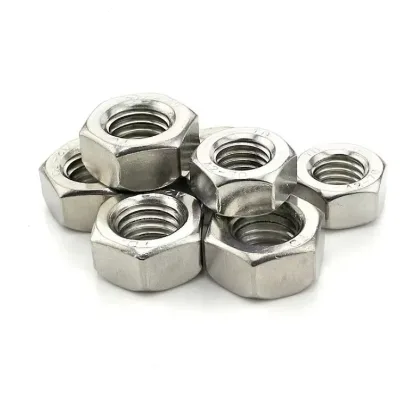
Manufacturers Price DIN934 Carbon Steel Hex Nut M12 Corrosion Resistant Hexagon Nuts
$0.1343 - $0.1558
MOQ: 10000 pieces
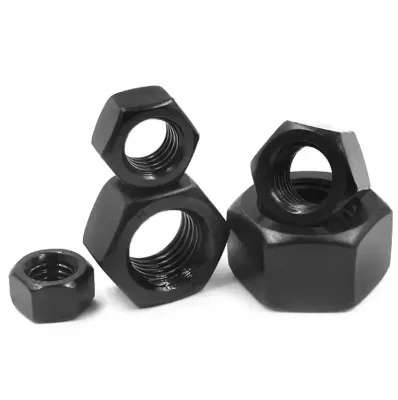
$0.1033 - $0.1558
MOQ: 1000 pieces
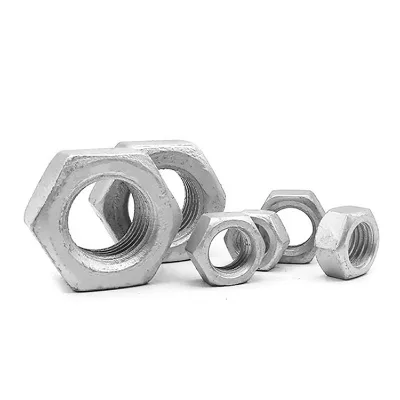
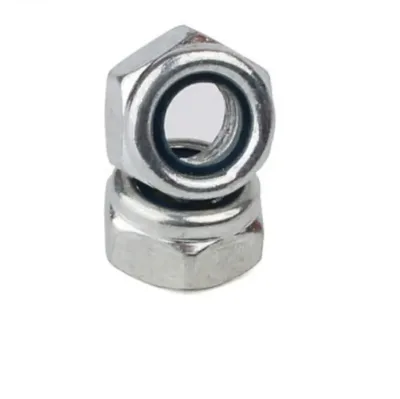
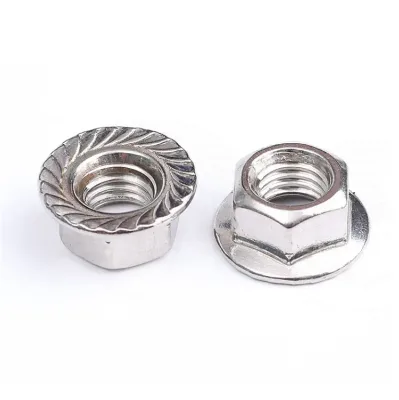
High Strength DIN982 DIN985 Hardware M3-M24 Fasteners Carbon Steel Hexagon Lock Nut Nylock Nut
$0.16 - $0.19
MOQ: 1000 pieces

Guangzhou Strong Metal Co., Ltd
- Verified by SGS
- Manufacturer/Factory
- China Guangdong
- Lead time0 days
- Avg. response≤ 1h
Main productsStrong Metal, Carbon Nut, Carbon Steel Fastener, Hardware Nut, Building Hardwares, Stainless Steel Bolt and Nut, Carbon Steel Bolt, Hexagon Nut, Bolt and Nuts


High-Quality Metal Fasteners Carbon Steel Stainless Steel DIN 934 Hex Nuts
$0.0018 - $0.002
MOQ: 1000 Pieces

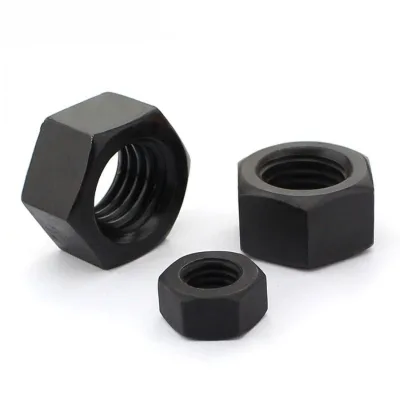
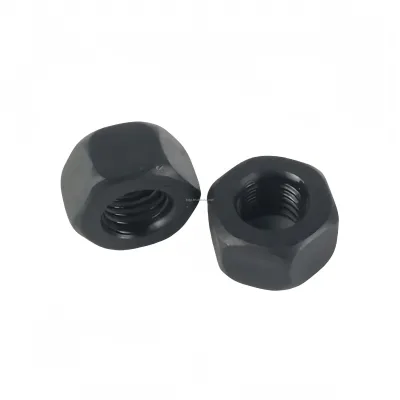
High Strength Carbon Steel Black Hex Nuts DIN934 Hexagon Nut for Construction
$0.0009 - $0.0016
MOQ: 3000 Pieces


Tianjin Sunstone Ruize International Trade Co., Ltd.
- Verified by BV
- Trading Company
- China Tianjin
- Lead time15 days
- Avg. response≤ 3h
Main productsHardware, Fasteners, Protective Products, Hinge, Pole Post Anchor, Connector, Screw, Safety Glove, Tools
Main marketsSouth America,Africa,Southeast Asia/ Mideast,East Asia(Japan/ South Korea),Europe,Australia,North America

Haiyan Lewei Hardware & Tool Co., Ltd.
- Verified by SGS
- Trading Company
- China Zhejiang
- Lead time30 days
- Avg. response≤ 4h
Main productsScrew, Nut, Bolt, Stamping Parts, CNC Machining Parts, No-Standard Parts
Main marketsSoutheast Asia/ Mideast,Domestic

NINGBO YI PIAN HONG FASTENER CO., LTD.
- Trading Company
- China Zhejiang
- Lead time45 days
- Avg. response≤ 5h
Main productsFastener, Bolt, Nut, Washer, Thread Bar, Special Bolt, Carbon Steel Screw, Stainless Steel Bolt
Main marketsSouth America,Southeast Asia/ Mideast,Europe,Australia,North America

Handan Qijing Fastener Manufacture Co., Ltd.
- Verified by TUVRHEINLAND
- Combined
- China Hebei
- Lead time15 days
- Avg. response≤ 7h
Main productsBolt, Nut, Thread Rod, Anchor Bolt, Screw, Washer, Rigging, Spring, Flange Plate, U Bolt
Main marketsDomestic

Jiaxing Sini Fastener Co., Ltd.
- Verified by TUVRHEINLAND
- Combined
- China Zhejiang
- Lead time30 days
- Avg. response≤ 16h
Main productsBolt, Nut, Carriage Bolt, Hex Lag Screw, Flange Bolt, Hex Bolt
Main marketsNorth America
Handan Wangsheng Fastener Co., Ltd.
- Verified by TüVRheinland
- Manufacturer, Trading Company
- Lead time15 days
- Avg. response≤ 5h
Main productsBolt, Nut, Washer, Anchor Bolt, Stud Bolt
Main marketsDomestic Market(20%), South Asia(15%), Africa(10%)
Jiangsu Jinrui Metal Products Co., Ltd.
- Verified by TüVRheinland
- Manufacturer, Trading Company
- Lead time25 days
- Avg. response≤ 2h
Main productsBolt, Nut, Stud Bolt, Threaded Rod, Screw
Main marketsDomestic Market(54%), North America(16%), Western Europe(10%)

YUYAO MEIGESI FASTENER CO.,LTD.
- Trading Company
- China Zhejiang
- Lead time45 days
- Avg. response≤ 18h
Main productsScrew, Bolt, Nut, Anchor, Washer, Rigging
Main marketsSouth America,Africa,Southeast Asia/ Mideast,East Asia(Japan/ South Korea),Europe,Australia,North America

Hebei Chuangke Fastener Manufacturing Co., Ltd.
- Verified by SGS
- Combined
- China Hebei
- Lead time23 days
- Avg. response≤ 2h
Main productsBolts, Nuts, Screws, Pin, Rivets, Studs
Main marketsDomestic

Ningbo Kingli Fastener Co., Ltd.
- Verified by BV
- Combined
- China Zhejiang
- Lead time23 days
- Avg. response≤ 5h
Main productsBolts, B8 Stud, Castle Nut, B7 Bolt, B8m Stud, 8m Nut, 2h Nut, 2hm Nut, DIN912 Screw, A325 Bolt
Main marketsSouth America,Africa,Southeast Asia/ Mideast,East Asia(Japan/ South Korea),Domestic,Europe,Australia,North America
Handan Chang Lan Fastener Manufacturing Co., Ltd.
- Verified by TüVRheinland
- Manufacturer, Trading Company
- Lead time0 days
- Avg. response≤ 2h
Main productsNut, Bolt, Lead Screw
Main marketsDomestic Market(40%), Africa(25%), South America(10%)
Handan Deteng Fastener Co., Ltd.
- Verified by TüVRheinland
- Manufacturer, Trading Company
- Lead time20 days
- Avg. response≤ 1h
Main productsNut, Bolt, Inner Wall Gecko, Flat Washer, Tooth Bar
Main marketsDomestic Market(50%), Africa(16%), Mid East(13%)

Jiaxing Goshen Hardware Co., Ltd.
- Trading Company,Manufacturer/Factory
- China Zhejiang
- Lead time23 days
- Avg. response≤ 4h
Main productsFasteners, Bolts, Nuts, Screws, Stainless Steel Screw, Threaded Rod, Stainless Steel Bolt, Customized Bolt, Washer, Carriage Bolt
Main marketsSouth America,Eastern Europe,Mid East,North America,Southeast Asia,Eastern Asia,Oceania,Western Europe,Africa

Ningbo Mianxuan Import &Export Co., Ltd.
- Verified by CTI
- Manufacturer/Factory
- China Zhejiang
- Lead time23 days
- Avg. response≤ 2h
Main productsVehicles Parts and Accessories, CNC Machining Parts, Metal Stamping, Casting Parts, Aluminum Die Castings, Fasteners, Plastic Parts, Rubber Parts
Main marketsSouth America,Eastern Europe,Mid East,North America,Southeast Asia,Eastern Asia,Oceania,Western Europe,Africa
Handan Daxin Fastener Manufacturing Co., Ltd.
- Manufacturer, Trading Company
- Hebei, China
- Lead time10 days
- Avg. response≤ 4h
Main productsBolt, Nut, Screw, Stud Bolt, Foundation Bolt
Main marketsSoutheast Asia(30.00%), Mid East(30.00%), Eastern Europe(10.00%), North America(10.00%)
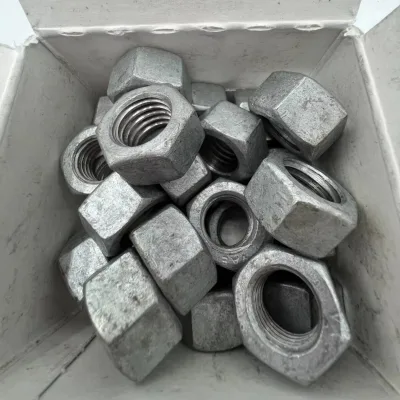
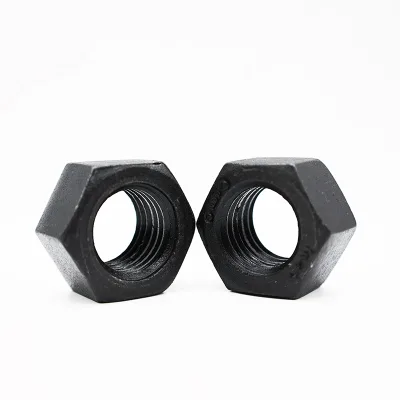
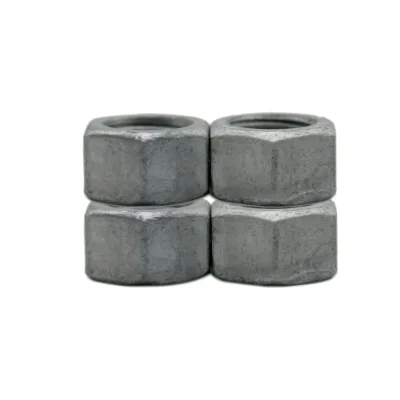
DIN 934 Finished Hex Nuts Steel Grade 5 Hot Dip Galvanized Finish Inch Carbon Steel Nuts
$0.0103 - $0.0206
MOQ: 10 bags
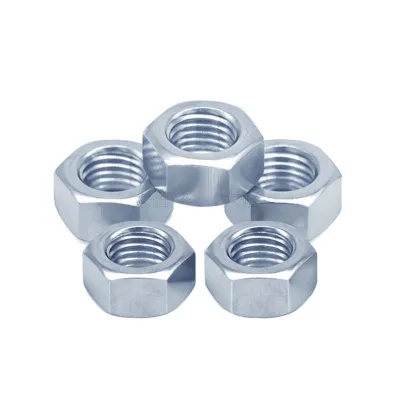
Hex Nut DIN934/ISO 4032 M4-M30, Galvanized A2-70, Grade 8/10, for Machinery & Construction Hardware
$0.01 - $0.03
MOQ: 10 pieces
Haining Yuanzhi Trading Co., Ltd.
- Trading Company
- Zhejiang, China
- Lead time30 days
- Avg. response≤ 3h
Main productsscrews,bolts,nuts,washers,anchors
Main marketsWestern Europe(30.00%), South America(25.00%), Eastern Europe(25.00%), Domestic Market(10.00%), Africa(10.00%)

Jinjiang Tagong Hardware Forging Manufacturer Co. Ltd.
- Verified by BV
- Manufacturer/Factory
- China Fujian
- Lead time90 days
- Avg. response≤ 4h
Main productsFastener, Nuts, Wheel Hub Bolt, Hexagon Nuts, Slotted Nuts, Wheel Nuts, Flange Nuts, Railway Nuts, Truck Nuts, Nylon Insert Nuts
Main marketsSouth America,Eastern Europe,Mid East,North America,Southeast Asia,Eastern Asia,Oceania,Western Europe,Africa
Handan Bangna Trading Co., Ltd.
- Trading Company
- Hebei, China
- Lead time31 days
- Avg. response≤ 1h
Main productsscaffolding,fasteners,shor prop,steel support,steel tube
Main marketsMid East(30.00%), Africa(30.00%), Southeast Asia(20.00%), South Asia(10.00%), Eastern Asia(10.00%)
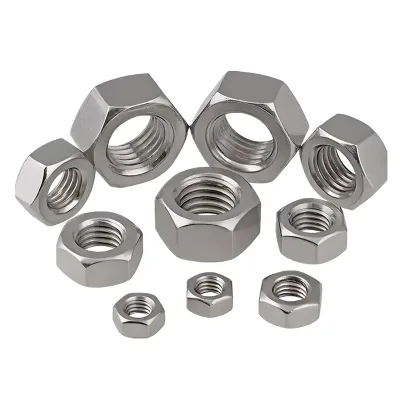
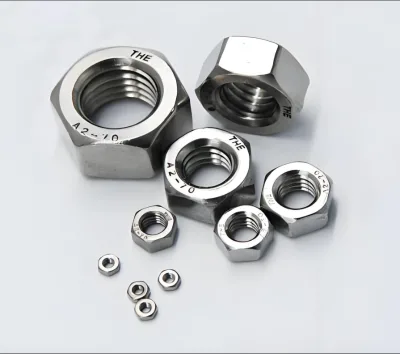
Good Price Factory Supply DIN 934 Stainless Steel Hex Nuts Grade 4.8/8.8/12.9 Hexagon Nut
$0.1025 - $0.1543
MOQ: 1000 units
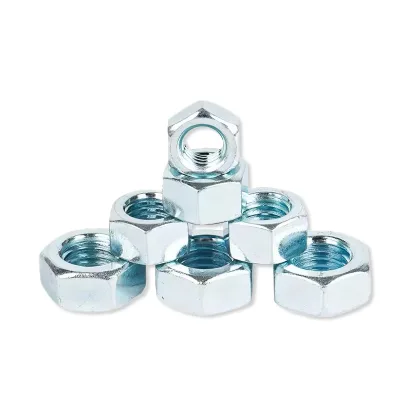
Stainless Steel Hex Nut DIN Standard Grade A2-70/A4-80 M1.6-M100 for Heavy Industry Applications
$0.01 - $0.04
MOQ: 100 pieces
Hebei Hangtong Fastener Manufacturing Co., Ltd.
- Verified by SGS Group
- Manufacturer, Trading Company
- Lead time10 days
- Avg. response≤ 2h
Main productsBolts, Nuts, Screws, Washers, Fasteners Connectors, Electrical Accessories
Main marketsDomestic Market(100%)
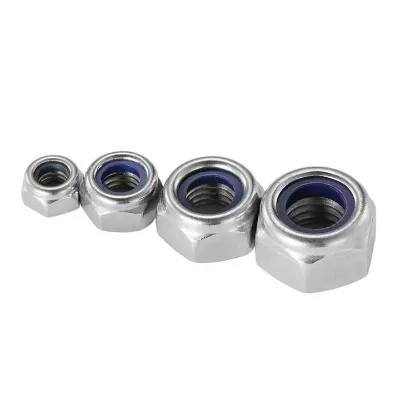
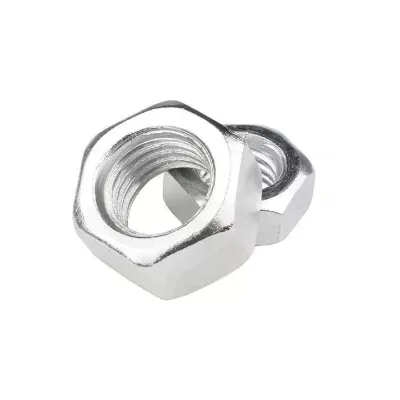
$0.0103 - $0.0412
MOQ: 10 pieces

Hebei Yunchang Fastener Manufacturing Co., Ltd.
- Verified by SGS
- Manufacturer
- China Hebei
- Lead time15 days
- Avg. response≤ 11h
Main productsFastener, Hex Bolt, Foundation Bolt, Embedded Bolts, Hex Nut, Flange Nut, Allen Socket Bolt, High-Strength Bolt, Washer, Threaded Rods
Main marketsDomestic
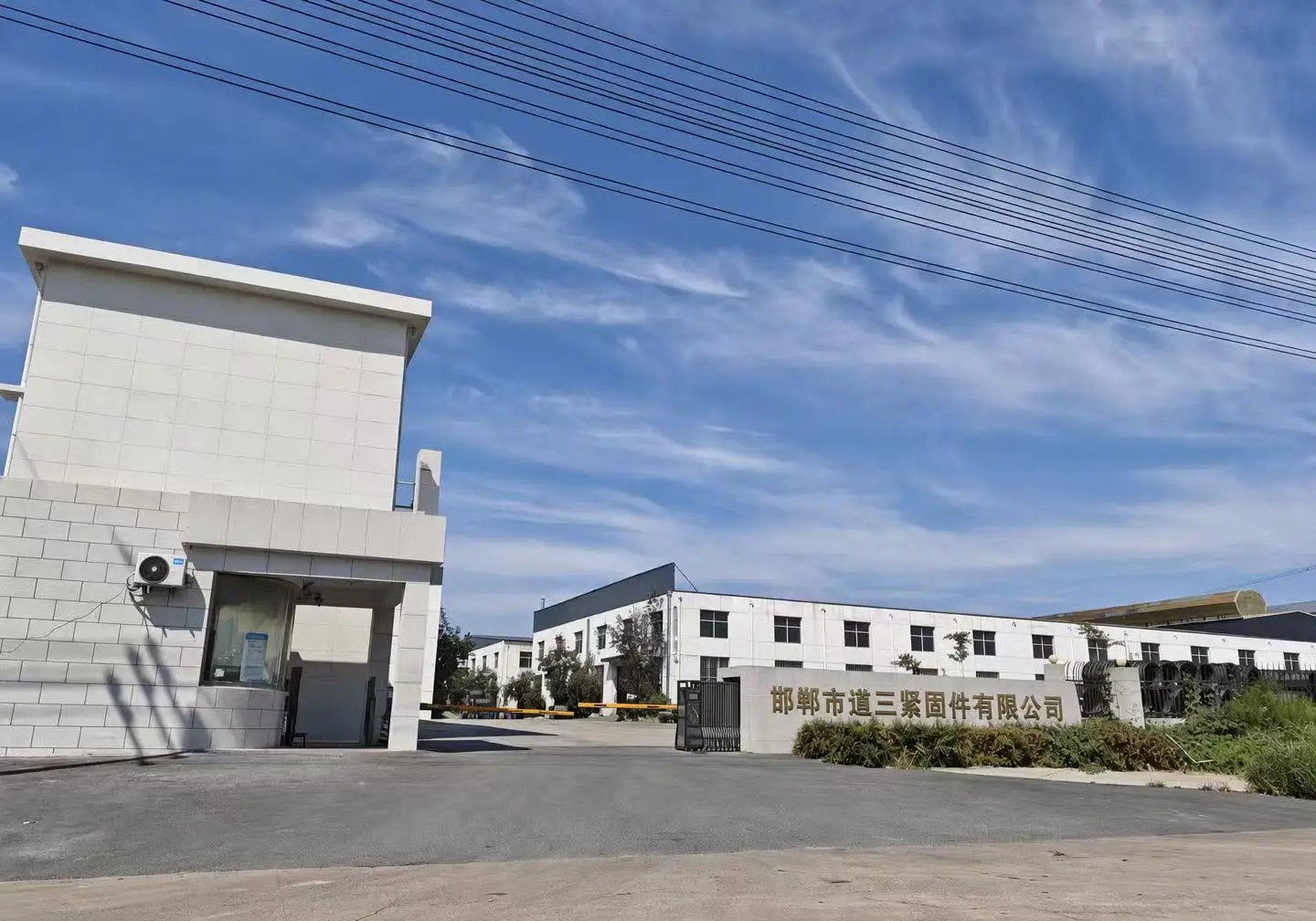
Handan Daosan Trading Co., Ltd.
- Trading Company
- Hebei, China
- Lead time20 days
- Avg. response≤ 3h
Main productsBolt, Nut, Screw, Stud Bolt, Anchors
Main marketsMid East(20.00%), North America(15.00%), South America(15.00%), Africa(15.00%), Southeast Asia(15.00%), Western Europe(10.00%), Eastern Europe(10.00%)
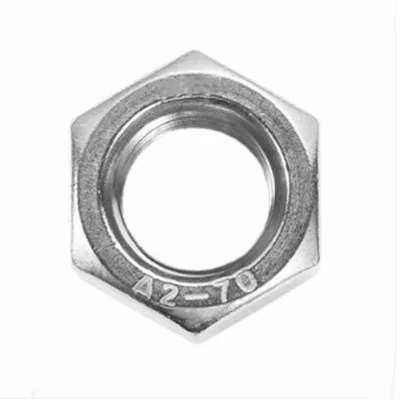
304 Stainless Steel Hexagon Nut Corrosion Resistant with Spot Size Complete DIN934 Nut Type Hex
$0.0311 - $0.0518
MOQ: 1000 pieces
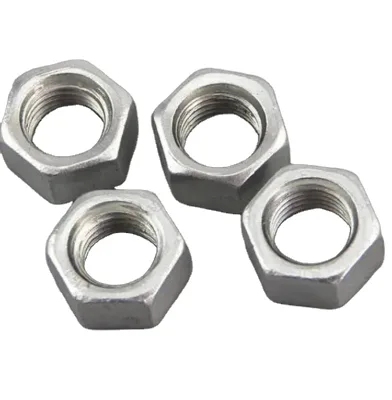

HANDAN TECH-MI METAL PRODUCT CO.,LTD
- Verified by TUVRHEINLAND
- Combined
- China Hebei
- Lead time15 days
- Avg. response≤ 9h
Main productsFastener, Hex Bolt, Hex Nut, Stud Bolt, Flat Washer, Spring Washer, Thread Rods, Wedge Anchor, Wood Screw, Lock Nut
Main marketsSoutheast Asia/ Mideast,Domestic

Handan Moen Import and Export Trading Co., Ltd.
- Verified by SGS
- Combined
- China Hebei
- Lead time30 days
- Avg. response≤ 3h
Main productsSteel Wire Rope Clamp, Nut and Bolt, Fasteners Manufacturing, Thread Rod, Sleeve Anchor with Hex Flange Nuts, Flange Bolt, Carriage Bolt, Screws, U-Bolt, Drop in Anchor
Main marketsEurope

Hebei Kuangshi Fastener Manufacturing Co., Ltd.
- Manufacturer, Trading Company
- Hebei, China
- Lead time30 days
- Avg. response≤ 4h
Main productsbolt,nut,wheel bolt,Steel washer,wheel nut
Main marketsSouth America(40.00%), Eastern Asia(10.00%), South Asia(10.00%), Africa(10.00%), Western Europe(5.00%), Mid East(5.00%), Southeast Asia(5.00%), North America(5.00%), Southern Europe(4.00%), Northern Europe(4.00%), Eastern Europe(2.00%)

Zhejiang Unit Hardware Products Co.,Ltd
- Verified by TUVRHEINLAND
- Manufacturer/Factory
- China Zhejiang
- Lead time90 days
- Avg. response≤ 7h
Main productsStainless Steel Self Drilling Screw, Stainless Steel Self Tapping Screw, Stainless Steel Bolt and Nut, Brass Hex Bolt and Nut, Brass Machine Screw, Brass Self Tapping Screw, Brass Wood Screw, Brass Flat Washer, Stainless Steel Machine Screw, Rivet Nuts
Main marketsSouth America,Eastern Europe,Mid East,North America,Southeast Asia,Oceania,Africa










Comprehensive Sourcing Guide
DIN934 Carbon Steel Hex Nuts Supplier Concentration and Factory Types
The sourcing landscape for DIN934 Carbon Steel Hex Nuts reveals a distinct concentration of manufacturing activity within specific Chinese provinces, with Zhejiang and Shandong emerging as primary hubs for this fastener category. Suppliers located in Zhejiang often operate as combined entities, blending manufacturing capabilities with trading functions, which allows them to offer a broad spectrum of fastener products including bolts, washers, and structural steel components. This dual nature can provide buyers with access to diverse inventory and flexible order structures, though it requires careful verification of actual production capacity versus trading volume. In contrast, suppliers based in Shandong frequently present themselves as dedicated manufacturers or factories, specializing in heavy industrial machinery accessories and casting parts alongside fastener production. This structural difference in company type influences the supply chain dynamics, as pure manufacturers may offer more direct control over production schedules and quality assurance processes, while combined entities might leverage broader networks to source complementary items. Understanding these regional and structural distinctions is critical for aligning supplier selection with specific project requirements, whether the priority is cost efficiency, volume flexibility, or specialized industrial application support.
Beyond regional clustering, the variety of supplier types extends to specialized manufacturers in Hebei, which often combine manufacturing with trading operations to serve both domestic and international markets. These suppliers typically focus on high-volume production of standard fasteners, leveraging established infrastructure to meet large-scale demand for items like DIN934 hex nuts. The presence of both pure manufacturers and trading companies in the results indicates a fragmented market where buyers must discern the true source of production. Some suppliers may list extensive main product ranges that include agricultural machinery parts or industrial castings, suggesting a diversified manufacturing base that can support fastener orders through shared production lines or dedicated fastener workshops. This diversity means that a supplier’s primary expertise might not always align with the specific technical demands of high-strength structural nuts, necessitating a deeper evaluation of their actual production capabilities. Buyers should consider how the supplier’s organizational structure impacts their ability to handle customizations, manage quality control, and maintain consistent supply chains, as these factors are often influenced by whether the entity is primarily a factory, a trading company, or a hybrid operation.
How to Verify DIN934 Carbon Steel Hex Nuts Suppliers
Verification of DIN934 Carbon Steel Hex Nuts suppliers requires a multi-layered approach that prioritizes third-party certifications and independent audits over self-reported claims. Buyers should look for suppliers who have undergone verification by recognized bodies such as Bureau Veritas (BV), which provides an additional layer of confidence regarding the company’s legal existence and operational legitimacy. While some suppliers may display system certifications like ISO 9001, indicating a structured quality management system, others may not list any specific certifications, requiring buyers to request documentation directly or rely on platform verification badges. It is essential to confirm that the certification is current and covers the specific product lines being ordered, as general quality management certifications do not guarantee compliance with specific fastener standards like DIN934. Additionally, buyers should verify the supplier’s business license and export rights to ensure they are legally authorized to conduct international trade, which is particularly important when dealing with combined entities that may have complex corporate structures.
Beyond certifications, verifying the supplier’s actual production capabilities and response mechanisms is crucial for ensuring reliability. Buyers should assess the supplier’s response time, which can serve as an indicator of their operational efficiency and customer service commitment, with faster response times often correlating with more agile supply chains. It is also important to verify the supplier’s capacity for original design manufacturing (ODM) and original equipment manufacturing (OEM), as this indicates their ability to handle custom specifications and branding requirements. For suppliers claiming to be manufacturers, buyers may request video tours of the production facility or detailed information about their machinery and quality control processes. Furthermore, checking the supplier’s track record through customer reviews and transaction history can provide insights into their consistency and reliability. Buyers should also verify the supplier’s ability to provide samples, as this allows for physical inspection of the product quality before committing to larger orders, ensuring that the Din934 hex nuts meet the required material and dimensional specifications.
What to Compare Across DIN934 Carbon Steel Hex Nuts Suppliers
When evaluating multiple suppliers for DIN934 Carbon Steel Hex Nuts, buyers must systematically compare key operational metrics to identify the most suitable partner for their specific needs. Lead time is a critical factor, with some suppliers offering production cycles as short as 23 to 30 days, while others may have longer or variable timelines depending on order volume and customization requirements. Buyers should also compare minimum order quantities (MOQ), which can range significantly from 1,000 pieces to 10,000 pieces or more, impacting inventory management and cash flow. Response time is another important metric, with some suppliers demonstrating rapid communication capabilities, which can be vital for resolving issues quickly and maintaining project momentum. Additionally, buyers should compare the range of main products offered, as suppliers with broader fastener portfolios may offer better bundling opportunities and logistical efficiencies, while those with specialized focus may provide deeper expertise in specific applications.
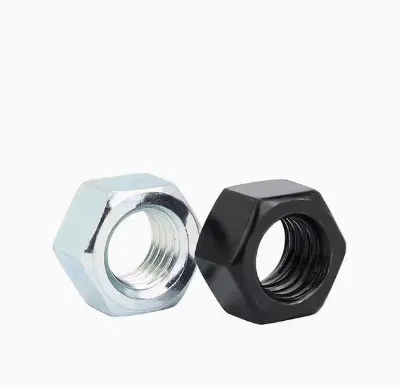
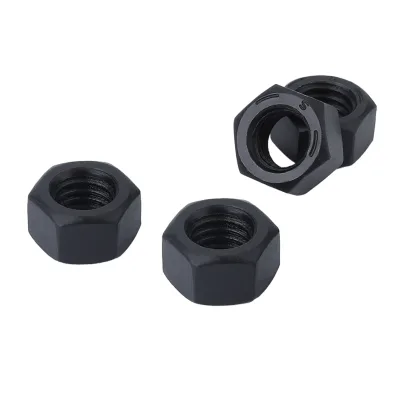
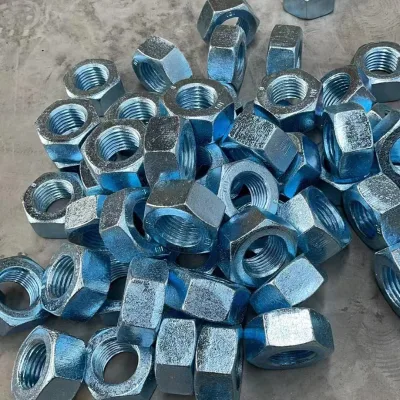
Price and payment terms are equally important considerations in the comparison process, as they directly affect the total cost of ownership. Buyers should compare unit prices, which can vary based on material grade, finish, and order volume, ensuring that they are comparing equivalent specifications across different suppliers. It is also important to compare payment terms, such as the requirement for a deposit versus full payment upfront, and the availability of secure payment methods like escrow services. Furthermore, buyers should compare the supplier’s capacity for customization, including options for different finishes like zinc plating, black oxide, or hot-dip galvanizing, as well as the ability to accommodate specific thread sizes and grades. The supplier’s location can also influence logistics costs and delivery times, so buyers should consider the proximity of the supplier to their primary shipping ports or distribution centers. By systematically comparing these factors, buyers can make informed decisions that balance cost, quality, and service levels.
Common DIN934 Carbon Steel Hex Nuts Sourcing Risks
Sourcing DIN934 Carbon Steel Hex Nuts from international suppliers introduces several risks that buyers must proactively manage to ensure supply chain integrity. One significant risk is the potential for material non-compliance, where the carbon steel used may not meet the specified grade or strength requirements, leading to structural failures in applications. Buyers must verify that the supplier adheres to the DIN934 standard and provides appropriate material test certificates for each batch. Another risk is the variability in surface finish quality, as treatments like zinc plating or black oxide can vary in thickness and durability, affecting corrosion resistance. Inconsistent packaging is also a common issue, with some suppliers using inadequate packaging that can lead to damage during transit, resulting in lost inventory and delayed projects. Buyers should specify packaging requirements clearly and verify that the supplier follows these guidelines strictly to minimize the risk of damage.
Communication and cultural barriers can also pose risks, particularly when dealing with suppliers who have different business practices or language capabilities. Misunderstandings regarding technical specifications, delivery schedules, or quality expectations can lead to costly errors and disputes. Buyers should establish clear communication channels and use detailed written specifications to minimize ambiguity. Additionally, there is a risk of intellectual property infringement if the supplier uses proprietary designs or branding without authorization. Buyers should ensure that all agreements include clear intellectual property clauses and verify that the supplier respects these rights. Finally, geopolitical and logistical risks, such as port congestion or trade policy changes, can disrupt supply chains. Buyers should diversify their supplier base and maintain buffer stock to mitigate these risks, ensuring that they can continue operations even if one supplier faces disruptions.
DIN934 Carbon Steel Hex Nuts Regional Sourcing and Logistics
The regional location of DIN934 Carbon Steel Hex Nuts suppliers significantly impacts logistics planning and cost efficiency, with suppliers in Zhejiang, Shandong, and Hebei offering distinct advantages based on their proximity to major shipping hubs. Suppliers in Zhejiang benefit from access to the bustling port of Ningbo-Zhoushan, which facilitates efficient export operations and reduces transit times to global destinations. This location is particularly advantageous for buyers seeking faster delivery and lower freight costs for shipments to North America and Europe. Suppliers in Shandong, located near the port of Qingdao, also offer strong logistical connectivity, making them a viable option for buyers in the Asia-Pacific region and beyond. The presence of multiple manufacturing clusters in these regions creates a competitive environment that can drive down prices and improve service levels, but it also requires buyers to carefully evaluate each supplier’s logistical capabilities.
Logistics planning must also consider the supplier’s packaging and handling practices, as these directly affect the safety and efficiency of the shipping process. Buyers should verify that suppliers use appropriate packaging materials, such as cartons and plastic bags, to protect the nuts from moisture and physical damage during transit. Additionally, buyers should consider the supplier’s experience with international shipping and their ability to handle customs documentation and compliance requirements. Suppliers with established export operations are likely to have streamlined processes for documentation and clearance, reducing the risk of delays at customs. Buyers should also evaluate the supplier’s ability to consolidate shipments with other products, which can reduce overall logistics costs and simplify inventory management. By understanding the logistical implications of regional sourcing, buyers can optimize their supply chain and ensure timely delivery of DIN934 Carbon Steel Hex Nuts.
DIN934 Carbon Steel Hex Nuts Commercial Terms and Order Planning
Effective order planning for DIN934 Carbon Steel Hex Nuts requires a thorough understanding of commercial terms, including pricing structures, payment conditions, and delivery schedules. Buyers should negotiate clear pricing agreements that account for volume discounts and potential price fluctuations in raw materials, ensuring that costs remain predictable throughout the contract period. Payment terms should be structured to balance risk and cash flow, with options such as a percentage deposit followed by balance payment upon shipment or delivery. Buyers should also consider the use of secure payment methods like escrow services to protect their funds until the goods are received and verified. Additionally, buyers should establish clear delivery schedules and penalties for delays, ensuring that the supplier is accountable for meeting agreed-upon timelines. This level of detail in commercial terms helps to minimize disputes and ensures a smooth transaction process.
Order planning must also account for the supplier’s production capacity and lead times, which can vary based on order volume and customization requirements. Buyers should provide accurate forecasts and order quantities to allow the supplier to plan production efficiently and avoid bottlenecks. It is also important to establish a process for handling changes or cancellations, as these can impact production schedules and inventory levels. Buyers should consider maintaining a buffer stock of critical fasteners to mitigate the risk of supply disruptions, while also working with suppliers to implement just-in-time delivery strategies where appropriate. Regular communication and performance reviews with suppliers can help to identify potential issues early and improve the overall efficiency of the supply chain. By carefully managing commercial terms and order planning, buyers can ensure a reliable and cost-effective supply of DIN934 Carbon Steel Hex Nuts.
FAQs
What is the price range for DIN934 Carbon Steel Hex Nuts?
Prices typically range from $0.10 to $1.00 per unit depending on specifications. Some suppliers list rates between $0.13 and $0.20 for specific grades. Buyers should verify exact costs based on order volume and finish requirements.
What is the minimum order quantity for these fasteners?
Minimum order quantities vary by supplier, with common thresholds at 1,000 units or 10,000 units. Buyers must check individual listings to confirm the specific MOQ applicable to their required thread size and material grade before placing an order.
How long does delivery take for these hex nuts?
Lead times generally range from 23 to 30 days for standard production runs. Some suppliers indicate delivery within 5 to 30 days depending on stock availability. Buyers should confirm specific timelines with the supplier before finalizing purchase terms.
Where are DIN934 hex nuts typically manufactured?
Manufacturing locations include Zhejiang, Shandong, and Hebei provinces in China. These regions host various manufacturers and trading companies specializing in fasteners. Buyers can filter search results by these specific locations to align with logistical preferences.
What certifications do these suppliers hold?
Certification status varies, with some suppliers holding ISO 9001 and BV verification. Others may not list specific system certifications. Buyers should verify current certification status directly with the supplier to ensure compliance with project requirements.
What customization options are available for hex nuts?
Customization is available for many products, including specific finishes like zinc plating or black oxide. Suppliers offer OEM and ODM services for branded requirements. Buyers should specify exact customization needs to ensure the supplier can meet technical specifications.