zinc coated steel self-tapping screw Suppliers and Manufacturers
Compare 33 verified suppliers offering zinc coated steel self-tapping screws with ISO certifications and varying lead times. Review response times, MOQs, and product standards before requesting quotes for your fastening needs; review the available evidence before requesting comparable quotations from suitable candidates.
Updated
Suppliers List

Zhejiang Unit Hardware Products Co.,Ltd
- Verified by TUVRHEINLAND
- Manufacturer/Factory
- China Zhejiang
- Lead time90 days
- Avg. response≤ 7h
Main productsStainless Steel Self Drilling Screw, Stainless Steel Self Tapping Screw, Stainless Steel Bolt and Nut, Brass Hex Bolt and Nut, Brass Machine Screw, Brass Self Tapping Screw, Brass Wood Screw, Brass Flat Washer, Stainless Steel Machine Screw, Rivet Nuts
Main marketsSouth America,Eastern Europe,Mid East,North America,Southeast Asia,Oceania,Africa


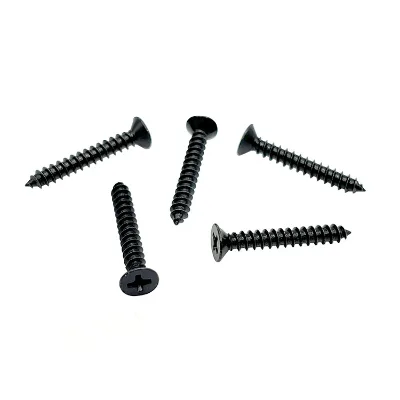
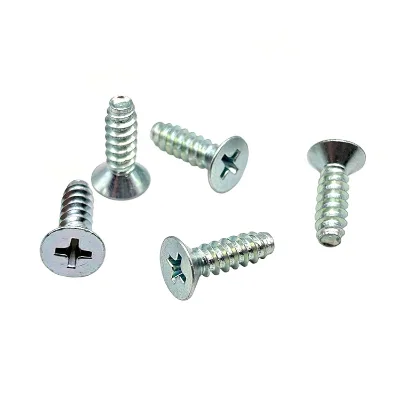
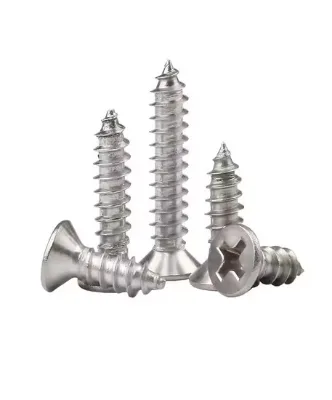
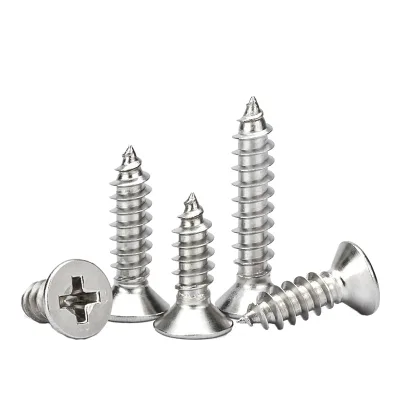
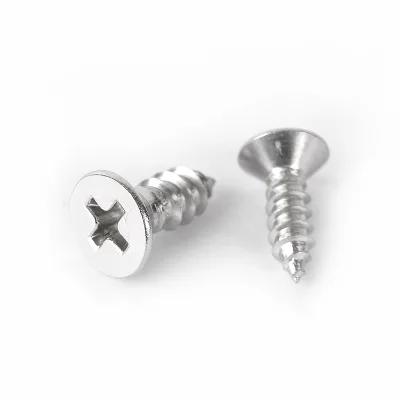
Stainless Steel Flat Head Self Tapping Screw Cross Flat Tail Self Tapping Screws
$0.002 - $0.0035
MOQ: 50000 Pieces

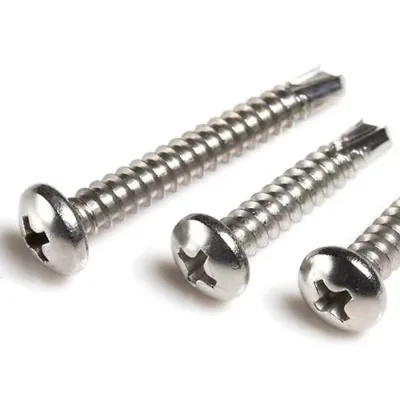
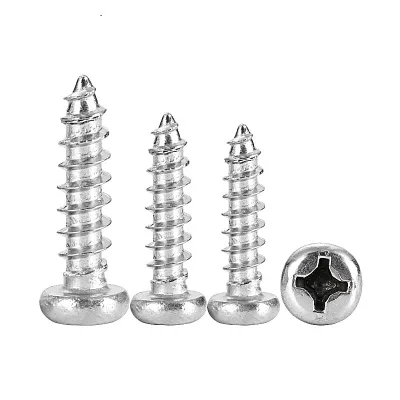
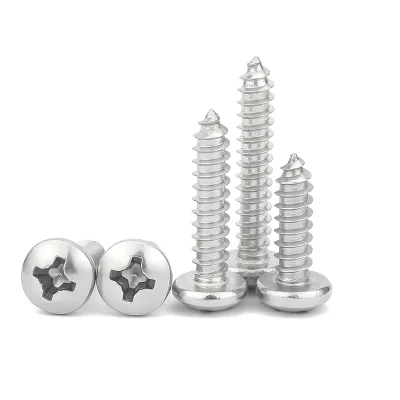
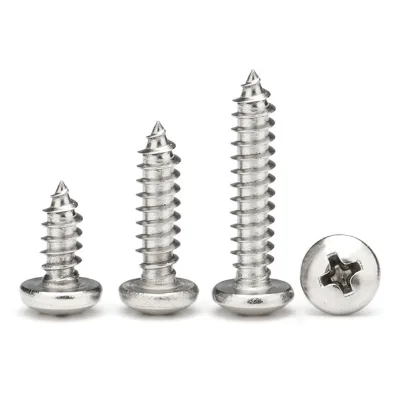
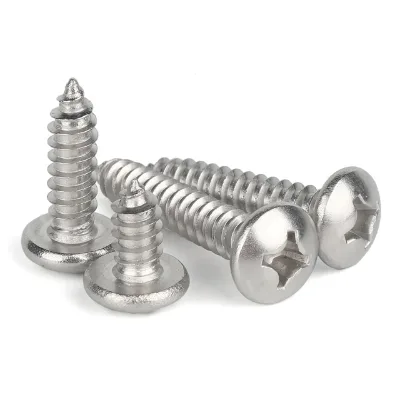
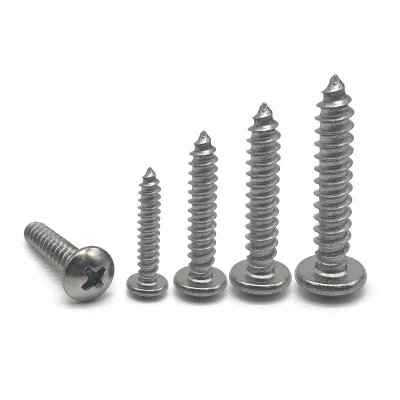
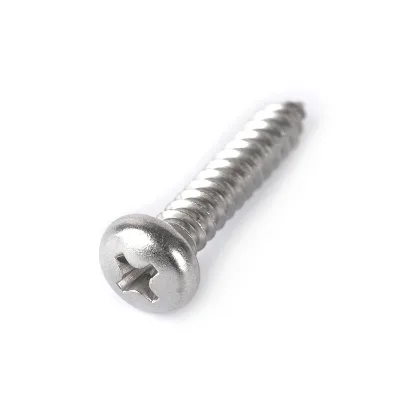
ISO7049 DIN 7981 Stainless Steel Phillips Pan Head Self Tapping Screws
$0.002 - $0.15
MOQ: 50000 Pieces


Jiaxing Goshen Hardware Co., Ltd.
- Trading Company,Manufacturer/Factory
- China Zhejiang
- Lead time23 days
- Avg. response≤ 4h
Main productsFasteners, Bolts, Nuts, Screws, Stainless Steel Screw, Threaded Rod, Stainless Steel Bolt, Customized Bolt, Washer, Carriage Bolt
Main marketsSouth America,Eastern Europe,Mid East,North America,Southeast Asia,Eastern Asia,Oceania,Western Europe,Africa

Tianjin Xinruifeng Fastener Manufacturing Co., Ltd
- Verified by SGS
- Manufacturer/Factory
- China Tianjin
- Lead time45 days
- Avg. response≤ 10h
Main productsScrew, Fastener, Self-Drilling Screw, Coil Nail, Blind Rivet, Drywall Screw, Roofing Screw, Gypsum Screw
Main marketsSouth America,Eastern Europe,Mid East,North America,Southeast Asia,Eastern Asia,Oceania,Western Europe,Africa

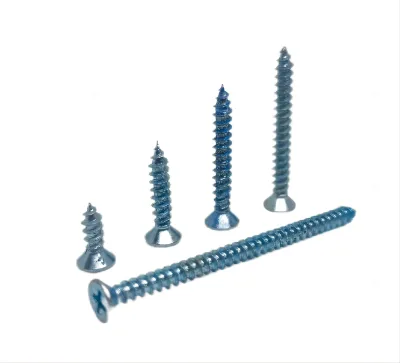
Hardness Steel Zinc Plated Countersunk Head Chipboard Screw Self Tapping Screw
$6.00 - $14.00
MOQ: 1 kg


Shanghai Monsun Technology Co., Ltd.
- Verified by SGS
- Trading Company
- China Shanghai
- Lead time30 days
- Avg. response≤ 1h
Main productsDrywall Screw, Chipboard Screw, Wood Screw, Self Tapping Screw, Self Drilling Screw, Deck Screw, Particleboard Screw, Gypsum Screw, Stainless Steel Screw, Sheet Metal Screw
Main marketsSouth America,Europe,Australia,North America

Tianjin Xinruifeng Technology Co. Ltd
- Verified by BV
- Combined
- China Tianjin
- Lead time30 days
- Avg. response≤ 2h
Main productsDrywall Screw, Wood Screw, Self Tapping Screw, Self Drilling Screw, Gypsum Screw, Roofing Screw, Chipboard Screw, Drive Pin, Screws, Nails
Main marketsSouth America,Africa,Southeast Asia/ Mideast,East Asia(Japan/ South Korea),Domestic,Europe,North America

Handan Haoqiang Fasteners Manufacturing Co., Ltd.
- Verified by SGS
- Combined
- China Hebei
- Lead time30 days
- Avg. response≤ 8h
Main productsHex Bolt, Hex Nut, Flange Nut, Flange Bolt, High Strength Bolt, ASTM/ANSI, Bolt and Nut, Spring Washer, Flat Washer, Screws
Main marketsSouth America,Africa,Southeast Asia/ Mideast

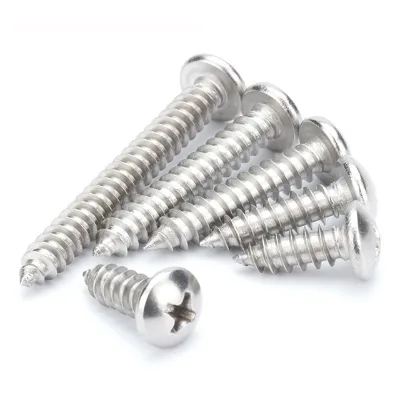
Fastener DIN968 Carbon Steel Stainless Steel 304 Round Head Self-Tapping Screw
$0.01 - $0.05
MOQ: 1000 Pieces


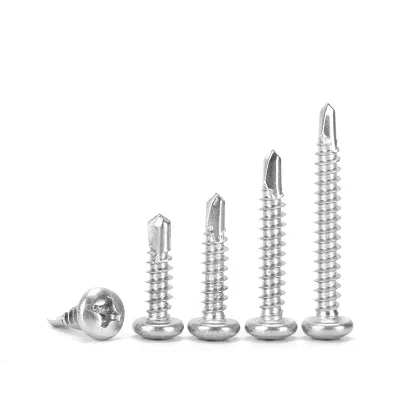
Zinc Plated Countersunk Flat Head Phillip Drive Thread Self Drilling Screw
$0.01 - $0.10
MOQ: 1 Pieces

Guangdong Taiyuanfeng Metal Products Co., Ltd.
- Verified by BV
- Combined
- China Guangdong
- Lead time15 days
- Avg. response≤ 3h
Main productsScrews, Bolts, Rivets, Nuts, Pins, CNC Parts, Stamping Parts, Non-Standard Screws, Wrench, Nails
Main marketsDomestic


Custom Self Tapping Step Screws Color Galvanized Phillips Pan Flat Head Screws
$0.01 - $0.03
MOQ: 10000 Pieces
Hebei Fujinrui Metal Products Co., Ltd.
- Manufacturer, Trading Company
- Hebei, China
- Lead time0 days
- Avg. response≤ 2h
Main productsBolts, Screws, Washers, Nuts, Anchors
Main marketsAfrica(30.00%), North America(10.00%), Southeast Asia(10.00%), South Asia(10.00%), Mid East(10.00%), Domestic Market(5.00%), Eastern Asia(5.00%), South America(5.00%), Northern Europe(5.00%), Western Europe(2.50%), Eastern Europe(2.50%), Southern Europe(2.50%), Oceania(2.50%)
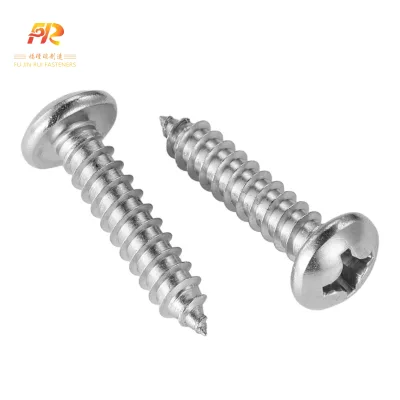
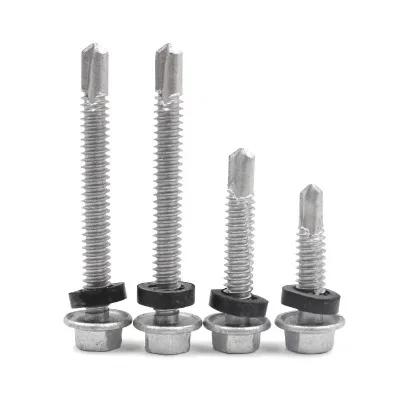
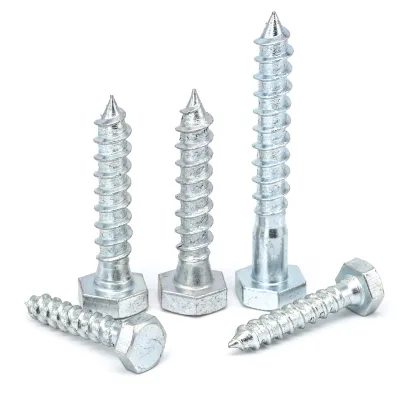
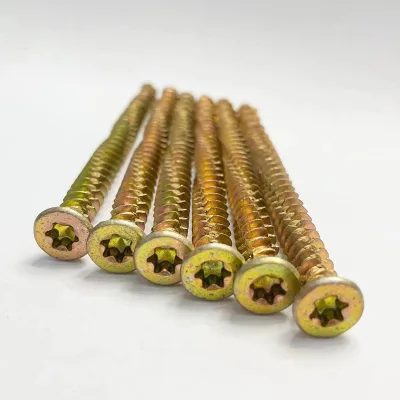
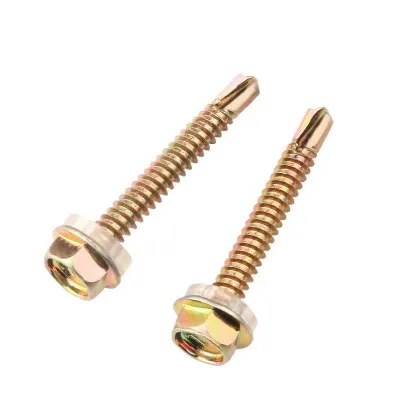
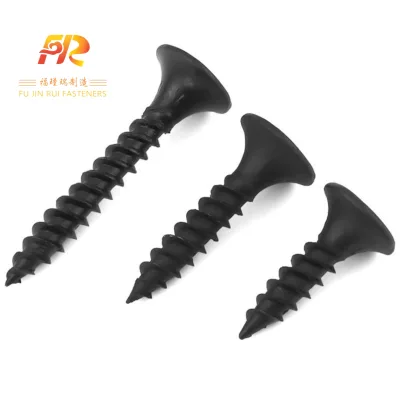
Stainless steel 316 manufactur self drilling concrete screw and fastener for back earrings
$0.0517 - $0.1035
MOQ: 500 pieces

Hangzhou Sunlight Hardware Co., Ltd.
- Trading Company,Manufacturer/Factory
- China Zhejiang
- Lead time45 days
- Avg. response≤ 25h
Main productsSocket Tools Set, Anchors, Concrete Nails, Staineless Steel Screw, Self Drilling Screw, Screw, Screw Bits
Main marketsSouth America,Eastern Europe,Mid East,Southeast Asia,Africa
Dongguan Shengxiang Hardware Trading Co., Ltd.
- Manufacturer, Trading Company
- Guangdong, China
- Lead time15 days
- Avg. response≤ 3h
Main productsmetal products,stamping metal,auto parts,metal plastic accessories,hardware products
Main marketsDomestic Market(20.00%), Western Europe(16.50%), Central America(10.00%), North America(10.00%), Southern Europe(10.00%), Northern Europe(10.00%), Oceania(5.00%), South America(5.00%), Southeast Asia(5.00%), Eastern Europe(5.00%), South Asia(1.00%), Eastern Asia(1.00%), Mid East(1.00%), Africa(0.50%)
Shenzhen Hengxiang Hardware Products Co., Ltd.
- Verified by SGS Group
- Trading Company
- Lead time15 days
- Avg. response≤ 1h
Main productsDrywall Screw, Drill Tail Tapping Screw, Expansion Screws, Screw Rod, Bolt
Main marketsSoutheast Asia(30%), North America(20%), Eastern Asia(15%)

Ningbo Yongbiao Fastener Co., Ltd
- Verified by SGS
- Combined
- China Zhejiang
- Lead time23 days
- Avg. response≤ 1h
Main productsFastener, Screw, Harware
Main marketsDomestic

Zinc Coated Cross Head Bugle Screws - Carbon Steel Self-Drilling Design
$0.02 - $0.20
MOQ: 100000 Pieces

Guangdong Jingyi Technology Co., Ltd.
- Manufacturer, Trading Company
- Guangdong, China
- Lead time15 days
- Avg. response≤ 6h
Main productsScrews, Bolts, Nuts, CNC Parts, Automatic Lathe Parts
Main marketsDomestic Market(77.00%), North America(5.00%), Northern Europe(5.00%), Africa(5.00%), Southeast Asia(5.00%), South Asia(3.00%)
Zhejiang Dehong Machinery Co., Ltd
- Trading Company
- Zhejiang, China
- Lead time20 days
- Avg. response≤ 3h
Main productsscrews,Nuts,Bolts,clamps,washers
Main marketsEastern Europe(60.00%), Domestic Market(30.00%), North America(2.00%), Western Europe(2.00%)
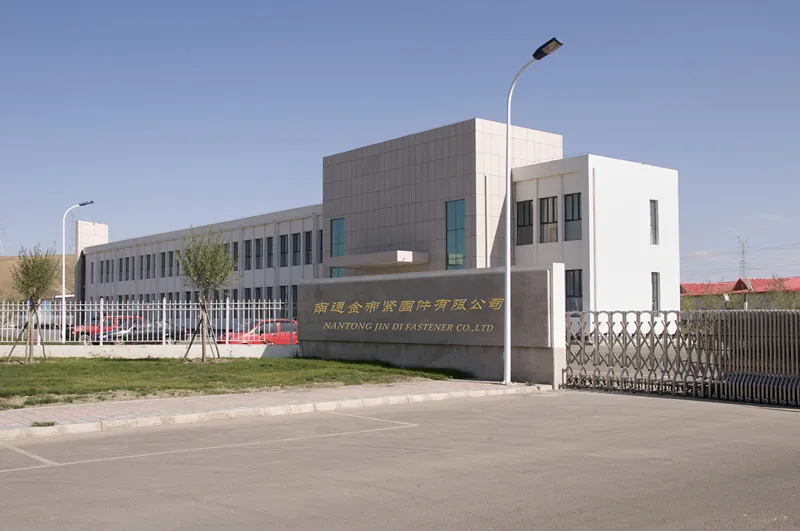
Nantong Jindi Fastener Co., Ltd.
- Manufacturer, Trading Company
- Jiangsu, China
- Lead time30 days
- Avg. response≤ 11h
Main productsFastener,Nut,Bolt,Screw,Anchor
Main marketsWestern Europe(12.50%), Eastern Asia(12.50%), Mid East(12.50%), Africa(12.50%), Southeast Asia(12.50%), Eastern Europe(12.50%), South America(12.50%), North America(12.50%)
Xianning Longfuquan Electronics Co., Ltd.
- Manufacturer
- Hubei, China
- Lead time0 days
- Avg. response≤ 4h
Main productsscrew,nut,bolt,stamping parts,Turning parts
Main marketsDomestic Market(45.00%), Africa(20.00%), Mid East(15.00%), Southeast Asia(15.00%), North America(5.00%)

Yibang Machinery Technology (Handan) Co., Ltd
- Verified by TUVRHEINLAND
- Combined
- China Hebei
- Lead time15 days
- Avg. response≤ 23h
Main marketsSoutheast Asia/ Mideast,Domestic


Drive Countersunk Chipboard Screw Zinc Plated Self Tapping Ground Screws
$0.02 - $0.05
MOQ: 1000 Pieces


EnPro Industries (Wuxi) Co., Ltd.
- Verified by SGS
- Manufacturer/Factory
- China Jiangsu
- Lead time15 days
- Avg. response≤ 9h
Main productsBolt, Screw, Nut, Washer, Anchor, Rivet, Pin, Shackle, Carabiner
Main marketsSouth America,Eastern Europe,Mid East,North America,Southeast Asia,Eastern Asia,Oceania,Western Europe,Africa


Factory Price Best Quality Carbon Steel Self Tapping Screw DIN7971/DIN7972/DIN7973
$0.005 - $0.008
MOQ: 1 Pieces
Jiangsu Jinrui Metal Products Co., Ltd.
- Verified by TüVRheinland
- Manufacturer, Trading Company
- Lead time25 days
- Avg. response≤ 2h
Main productsBolt, Nut, Stud Bolt, Threaded Rod, Screw
Main marketsDomestic Market(54%), North America(16%), Western Europe(10%)
Dongguan Liqiang Hardware Industry Limited Company
- Manufacturer, Trading Company
- Guangdong, China
- Lead time0 days
- Avg. response≤ 3h
Main productsScrews,Nuts,Washers,Rivets,Pins
Main marketsDomestic Market(78.00%), South America(6.00%), North America(5.00%), Eastern Asia(3.00%), Central America(2.00%), South Asia(2.00%), Southeast Asia(2.00%), Southern Europe(1.00%), Mid East(1.00%)
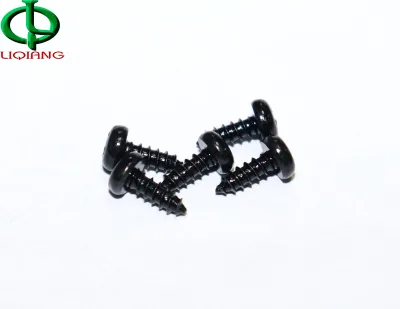
Zinc Plated Self-tapping Screw M2.0X6.0
$0.01 - $0.02
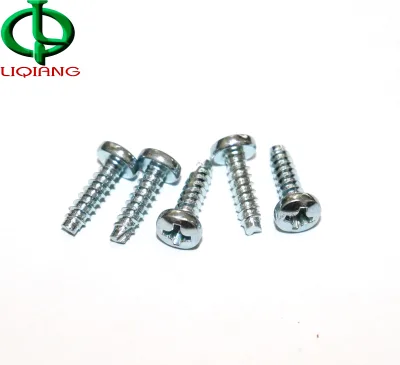
Handan Yuhuan Fasteners Co., Ltd.
- Manufacturer, Trading Company
- Hebei, China
- Lead time15 days
- Avg. response≤ 6h
Main productsRiver Nut, Bolt, Washer, Nut, Thread Rod, Screw, Expansion Anchor Bolt
Main marketsDomestic Market(100.00%)
Guangzhou Fast Precise Hardware Co., Ltd.
- Manufacturer, Trading Company
- Guangdong, China
- Lead time30 days
- Avg. response≤ 8h
Main productsScrew/Bolt
Main marketsDomestic Market(71.00%), Western Europe(15.00%), North America(5.00%), Eastern Europe(3.00%), Oceania(2.00%), Mid East(2.00%), Southeast Asia(2.00%)

- Verified by BV
- Manufacturer/Factory
- China Zhejiang
- Lead time45 days
- Avg. response≤ 7h
Main productsHex Bolts, Timber Bolts, Hex Washer Head Bolts, Hex Nuts, Lock Nuts, Flat Washer, Hex Wood Screw, Screw Eye, Threaded Rods, Carriage Bolts
Main marketsSouth America,Eastern Europe,Mid East,North America,Southeast Asia,Eastern Asia,Oceania,Western Europe,Africa


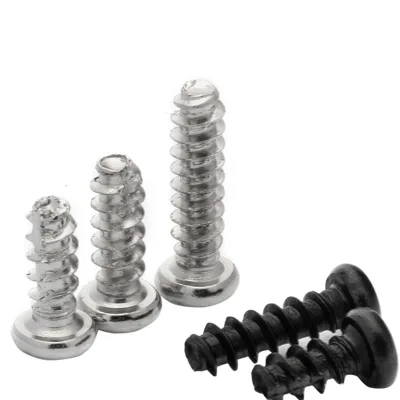
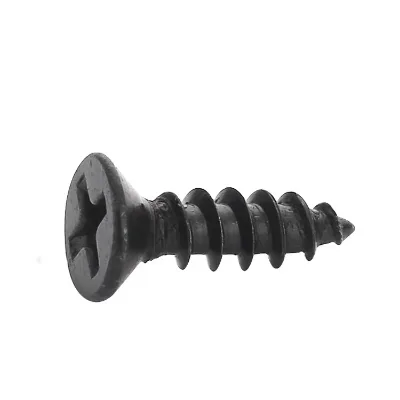
ISO 7049 Carbon Steel Blackening Cross Recessed Pan Head Self Tapping Screw
$1000.00
MOQ: 10000 Pieces

$0.03 - $0.20
MOQ: 10000 Pieces

- Manufacturer, Trading Company
- Lead time旺季: "1 - 30000":7,"> 30000":"To be negotiated", 淡季: "1 - 30000":7,"> 30000":"To be negotiated"
- Avg. response≤ 2h
Main productsCNC Parts, Screws, Nuts, Rivets, Pins

Guangzhou 247 International Co., Ltd
- Verified by SGS
- Trading Company,Manufacturer/Factory
- China Guangdong
- Lead time23 days
- Avg. response≤ 13h
Main productsIron Nails, Screws, Welding Rods, Iron Wire, Welding Wires, Wire Mesh, Safety Products, Welding Gloves, Fastener, Labour Protection Tools
Main marketsSouth America,Eastern Europe,Mid East,North America,Southeast Asia,Eastern Asia,Oceania,Western Europe,Africa
Jiaxing Dongji Hardware Co., Ltd.
- Verified by TüVRheinland
- Manufacturer, Trading Company
- Lead time0 days
- Avg. response≤ 4h
Main productsFasteners
Main marketsEastern Asia(25%), Southeast Asia(20%), North America(15%)

NINGBO STANDARD IMPORT & EXPORT CO., LTD
- Trading Company,Manufacturer/Factory,Group Corporation
- China Zhejiang
- Lead time23 days
- Avg. response≤ 12h
Main productsPex-Al-Pex Pipe, Pipe Fitting, Brass Fitting, Pex Pipe, Gas Fitting, PPR Insert, Screw Thread Fitting, Press Fitting, Compression Fitting, Valve
Main marketsSouth America,Eastern Europe,Mid East,North America,Southeast Asia,Eastern Asia,Oceania,Western Europe,Africa
Dongguan Guyi Hardware Products Co., Ltd.
- Verified by Intertek
- Manufacturer, Trading Company
- Lead time7 days
- Avg. response≤ 1h
Main productsSpring Screw, Hexagon Nut, Tapping Screw, Plain Washer, Torx Screw
Main marketsDomestic Market(59%), Western Europe(20%), Southeast Asia(10%)
Foshan Zhongjin Likang Hardware Co., Ltd.
- Verified by TüVRheinland
- Manufacturer, Trading Company
- Lead time0 days
- Avg. response≤ 1h
Main productsHardware Products, Bolt, Screw, Nut, Washer
Main marketsSoutheast Asia(15%), North America(10%), Mid East(10%)
Handan Jinzhongke Equipment Technology Co., Ltd.
- Manufacturer, Trading Company
- Hebei, China
- Lead time0 days
- Avg. response≤ 8h
Main productsNuts,Bolts,Anchors,Screws,Washers
Main marketsNorth America(10.00%), South America(10.00%), Eastern Europe(10.00%), Southeast Asia(10.00%), Africa(10.00%), Oceania(10.00%), Mid East(10.00%), Eastern Asia(10.00%), Western Europe(10.00%), South Asia(10.00%)
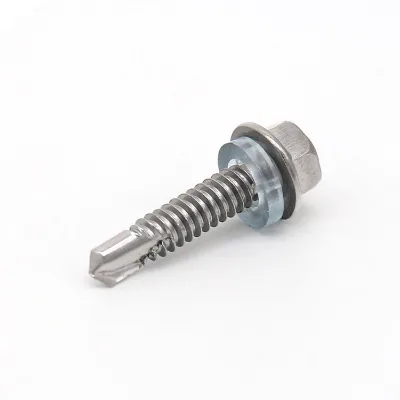
$0.10 - $0.15
MOQ: 50 pieces

- Verified by TUVRHEINLAND
- Manufacturer/Factory
- China Jiangsu
- Lead time23 days
- Avg. response≤ 4h
Main productsSecurity Screws, Stainless Steel Bolts, Stainless Steel Tapping Screws, Stainless Steel Screws Fastener, Stainless Steel Nuts, Captive Screws, Micro Screws Fasteners, Precision Turned, Brass Parts, Solar Panel Stud Bolt
Main marketsSouth America,Eastern Europe,Mid East,North America,Southeast Asia,Eastern Asia,Oceania,Western Europe,Africa

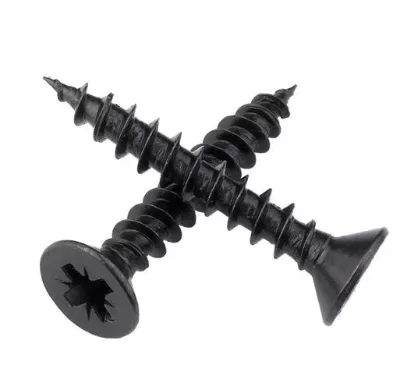
Carbon Steel Zinc Plated SS304 Drywall Pozidriv Countersunk Self Tapping Wood Screws
$0.02 - $0.06
MOQ: 5000 Pieces

Ningbo Kingstar Fasteners Co., Ltd.
- Verified by SGS Group
- Trading Company
- Lead time15 days
- Avg. response≤ 5h
Main productsNail, Screw, Bolt, Anchor, Nut
Main marketsNorth America(20%), South America(20%), Western Europe(15%)
Dongguan Liweite Hardware Co., Ltd.
- Manufacturer, Trading Company
- Guangdong, China
- Lead time10 days
- Avg. response≤ 1h
Main productsBlind Rivets,Rivet nut,Screws,Pneumatic rivet gun,Nuts
Main marketsNorth America(35.00%), Western Europe(25.00%), Southeast Asia(20.00%), Oceania(20.00%)


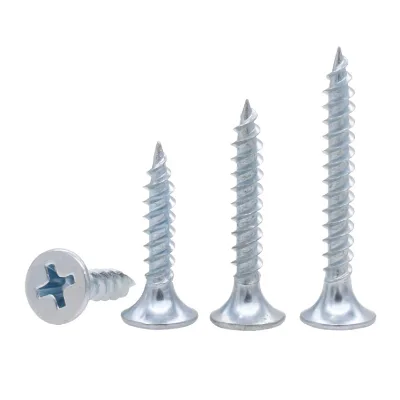
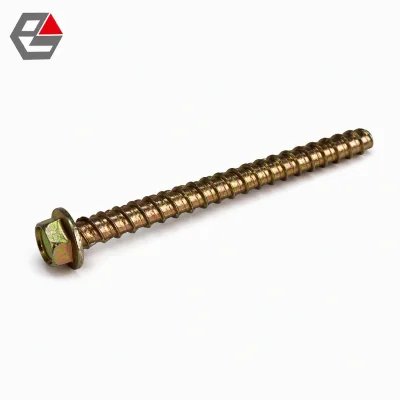
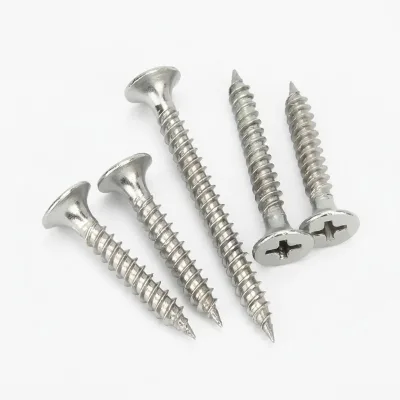
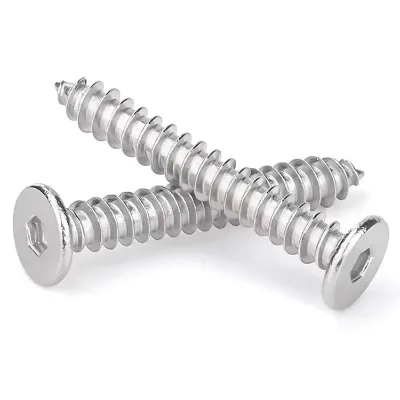




Comprehensive Sourcing Guide
Zinc Coated Steel Self-Tapping Screw Supplier Concentration and Factory Types
The current supplier landscape for zinc coated steel self-tapping screws reveals a distinct concentration of manufacturing activity within specific industrial regions, with Zhejiang, China, emerging as a primary hub for production. This geographic clustering is significant because it indicates a mature supply chain ecosystem where raw material sourcing, specialized machinery, and skilled labor are readily available, potentially reducing logistical friction for buyers. Suppliers located in this region often benefit from established infrastructure that supports high-volume output, which is critical for fastener manufacturing where economies of scale directly impact unit costs. When evaluating potential partners, buyers should prioritize suppliers who explicitly list Zhejiang as their origin, as this suggests access to a robust network of upstream and downstream partners. However, it is important to note that not all suppliers in the search results are located in this specific province, and some may operate from other parts of China or different countries entirely. Therefore, verifying the specific location of each supplier is a crucial first step in assessing their logistical capabilities and potential shipping costs. The presence of manufacturers in this region often correlates with a higher degree of vertical integration, meaning these factories may control more of the production process from wire drawing to final packaging, which can enhance quality control consistency.
In terms of company structure, the market offers a mix of pure manufacturing factories and hybrid entities that function as both trading companies and manufacturers. This distinction is vital for buyers because it influences pricing flexibility, communication efficiency, and product customization options. Pure manufacturers typically offer more competitive pricing on standard items due to the elimination of intermediary margins, but they may have less flexibility in handling small, diverse orders or providing extensive trading services. On the other hand, trading companies or hybrid suppliers often provide a broader range of complementary products, such as nuts, bolts, and washers, which can simplify procurement for buyers seeking a one-stop solution for fastener needs. Some suppliers in the results explicitly identify as manufacturers with their own brands, indicating a commitment to product development and brand identity, while others may operate as OEM providers for larger brands. Understanding this structural difference helps buyers align their sourcing strategy with their specific needs, whether they prioritize cost efficiency through direct factory relationships or convenience through comprehensive trading services. Buyers should carefully review the company type listed for each supplier to ensure it matches their operational requirements and expectations for direct engagement with the production facility.
How to Verify Zinc Coated Steel Self-Tapping Screw Suppliers
Verification of supplier credentials is a critical step in mitigating risk when sourcing zinc coated steel self-tapping screws, particularly given the varying levels of quality assurance across different manufacturers. One of the most reliable indicators of a supplier's legitimacy and operational maturity is third-party verification, such as the TUVRHEINLAND certification observed in some supplier profiles. This type of verification provides an independent assessment of the supplier's business practices, production capabilities, and compliance with international standards, offering buyers a higher degree of confidence than self-declared claims alone. Buyers should prioritize suppliers who display such verified badges, as it suggests a commitment to transparency and adherence to rigorous auditing processes. Additionally, system certifications like ISO 9000 and ISO 9001 are prevalent among reputable manufacturers, indicating a structured approach to quality management systems. These certifications ensure that the supplier has established procedures for consistent product quality, which is essential for fasteners where failure can lead to significant structural issues. Buyers should request copies of these certificates and verify their validity through the issuing bodies to ensure they are current and applicable to the specific products being sourced.
Beyond certifications, buyers should assess the supplier's responsiveness and communication efficiency as indicators of their operational reliability. Response times, such as the 3.37-hour average observed in some profiles, can reflect the supplier's dedication to customer service and their ability to handle inquiries promptly. A quick response time often correlates with a well-organized internal team that is ready to engage with international buyers, which is crucial for resolving issues quickly during the sourcing process. Furthermore, buyers should examine the product details provided, including specific certifications like ISO, GS, RoHS, and CE, which indicate compliance with various international safety and environmental standards. These product-level certifications are particularly important for zinc coated steel screws, as they ensure the materials and coatings meet specific regulatory requirements for different markets. Buyers should also look for detailed product attributes, such as material composition, surface finishing options, and standard compliance (e.g., DIN, ANSI), which demonstrate the supplier's technical expertise and ability to meet specific engineering requirements. By combining verification of company-level credentials with an analysis of product-level details, buyers can build a comprehensive picture of a supplier's reliability and capability.
What to Compare Across Zinc Coated Steel Self-Tapping Screw Suppliers
When evaluating multiple suppliers for zinc coated steel self-tapping screws, buyers must compare key operational metrics to determine the best fit for their specific procurement needs. One of the most significant factors is the minimum order quantity (MOQ), which can vary widely depending on the supplier's production model and scale. For instance, some suppliers may require an MOQ of 100,000 pieces, which is suitable for large-scale industrial projects but may be prohibitive for smaller buyers or prototype orders. In contrast, other suppliers might offer lower MOQs, such as 10,000 pieces, providing greater flexibility for buyers with varying demand volumes. Understanding these MOQ differences is essential for budget planning and inventory management, as ordering in bulk can reduce unit costs but increases holding costs and storage requirements. Buyers should align their order quantities with their consumption rates and storage capabilities to optimize their supply chain efficiency. Additionally, comparing the price ranges for similar products is crucial, as prices can fluctuate based on material costs, production volume, and supplier positioning. For example, prices for stainless steel screws may range from $0.002 to $0.15 per piece, while zinc coated steel options may have different pricing structures. Buyers should request detailed quotations for their specific requirements to ensure accurate cost comparisons.
Another critical aspect of comparison is the lead time and production capacity, which directly impact project timelines and supply chain reliability. Lead times can vary significantly, with some suppliers offering delivery within 23 days, while others may require up to 90 days for larger orders. This variation is often influenced by the supplier's current production load, inventory levels, and the complexity of the order. Buyers should consider their project deadlines when selecting a supplier, ensuring that the lead time aligns with their delivery schedules. Furthermore, the supplier's ability to handle customization, such as OEM or ODM services, is an important differentiator. Some suppliers offer extensive customization options, including specific head styles, thread types, and surface finishes, which can be crucial for specialized applications. Buyers should assess the supplier's flexibility in accommodating custom requests and their ability to maintain quality standards during the customization process. Additionally, comparing the range of main products offered by each supplier can help identify those with the broadest capabilities, potentially simplifying future procurement efforts. By systematically comparing these operational metrics, buyers can make informed decisions that balance cost, quality, and delivery performance.
Common Zinc Coated Steel Self-Tapping Screw Sourcing Risks
Sourcing zinc coated steel self-tapping screws from international suppliers introduces several risks that buyers must actively manage to ensure product quality and supply chain stability. One of the primary risks is the variability in material quality and coating durability, which can significantly impact the performance and lifespan of the fasteners. Zinc coating thickness and uniformity are critical factors that determine corrosion resistance, and inconsistencies in these attributes can lead to premature failure in harsh environments. Buyers should be vigilant about verifying the material specifications and coating standards provided by suppliers, ensuring they meet the required industry norms. Additionally, the risk of non-compliance with international standards is a significant concern, as some suppliers may not adhere strictly to certifications like ISO, RoHS, or CE. This non-compliance can result in legal issues or product rejection in regulated markets. Buyers should conduct thorough due diligence to confirm that the supplier's certifications are valid and that their products have been tested against the relevant standards. Requesting third-party test reports or samples for independent verification can help mitigate this risk and ensure that the products meet the buyer's quality expectations.
Another common risk is the potential for communication breakdowns and logistical delays, which can disrupt production schedules and increase costs. Misunderstandings regarding product specifications, packaging requirements, or delivery terms can lead to errors in production or shipping, resulting in wasted time and resources. Buyers should establish clear and detailed communication channels with their suppliers, ensuring that all requirements are explicitly documented and confirmed before production begins. Additionally, the risk of supply chain disruptions due to external factors, such as raw material shortages or geopolitical issues, can impact lead times and pricing. Buyers should diversify their supplier base to reduce dependency on a single source and maintain a buffer stock to handle unexpected delays. Furthermore, the risk of intellectual property infringement is a concern for buyers seeking customized solutions, as some suppliers may lack robust IP protection measures. Buyers should ensure that their designs and specifications are protected through appropriate legal agreements and choose suppliers with a reputation for respecting intellectual property rights. By proactively identifying and addressing these risks, buyers can build a more resilient and reliable sourcing strategy for zinc coated steel self-tapping screws.
Zinc Coated Steel Self-Tapping Screw Regional Sourcing and Logistics
The geographic location of suppliers plays a pivotal role in determining the logistical efficiency and cost structure of sourcing zinc coated steel self-tapping screws. Suppliers located in industrial hubs like Zhejiang, China, benefit from proximity to major ports and transportation networks, which can facilitate faster and more cost-effective shipping to global markets. This regional advantage reduces transit times and minimizes the risk of delays associated with long-distance logistics. Buyers should consider the shipping routes and port facilities available to the supplier's location when evaluating potential partners, as these factors directly impact the overall delivery timeline. Additionally, the concentration of suppliers in specific regions can lead to competitive pricing due to the economies of scale and efficient supply chain integration within the cluster. However, buyers should also be aware of potential regional risks, such as local regulatory changes or environmental restrictions, which could affect production continuity. Understanding the logistical landscape of the supplier's region allows buyers to make more informed decisions about shipping methods, insurance, and contingency planning.
Logistics planning also involves considering the packaging and handling requirements of the fasteners, which can vary based on the supplier's practices and the buyer's needs. Some suppliers offer packaging options such as boxes, cartons, and pallets, which are designed to protect the products during transit and facilitate easy handling at the destination. Buyers should specify their packaging preferences to ensure that the products arrive in good condition and are ready for immediate use. Additionally, the weight and volume of the shipments can impact shipping costs, so buyers should optimize their order quantities and packaging to minimize freight expenses. For buyers sourcing from regions with longer shipping distances, considering air freight for urgent orders or sea freight for bulk shipments can help balance cost and speed. Buyers should also evaluate the supplier's experience with international shipping and their ability to handle customs clearance and documentation requirements. By carefully planning the logistics strategy, buyers can ensure a smooth and efficient supply chain process, reducing the risk of delays and additional costs associated with international trade.
Zinc Coated Steel Self-Tapping Screw Commercial Terms and Order Planning
Commercial terms and order planning are essential components of a successful sourcing strategy for zinc coated steel self-tapping screws, influencing both the financial and operational aspects of the procurement process. Payment terms, such as T/T, L/C, Western Union, and Moneygram, offer different levels of security and flexibility for buyers and suppliers. Buyers should negotiate payment terms that align with their cash flow needs and risk tolerance, often opting for a mix of upfront deposits and balance payments upon shipment or inspection. Additionally
FAQs
What sizes are commonly available for zinc coated steel self-tapping screws?
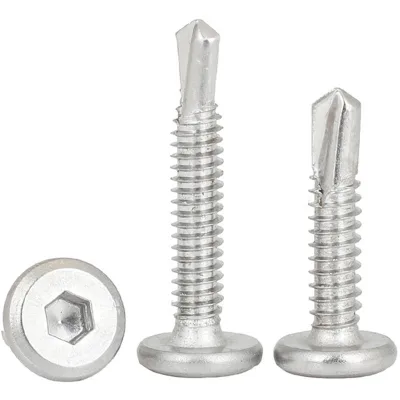
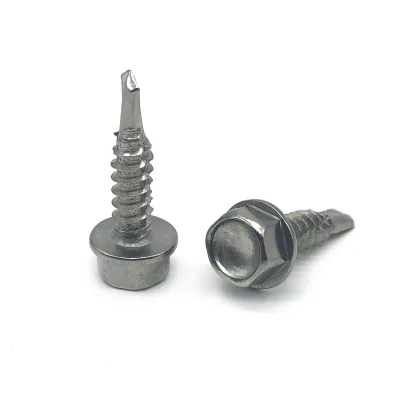
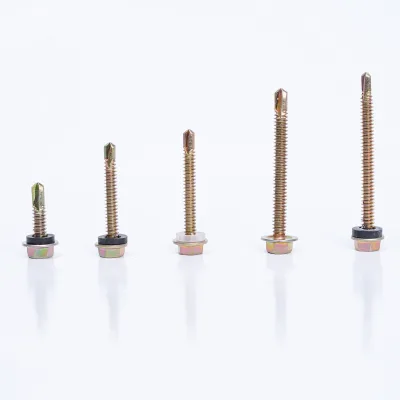
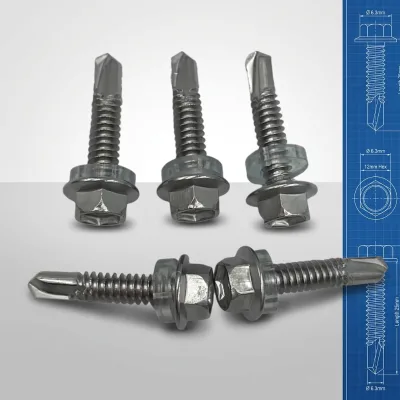
Listings commonly cover diameters from ST2.2 up to ST6.3, with hex washer head models ranging from 4.8x12 to 6.3x150 and pan head models from M2.2x6.5 to M4.8x60. Flat head versions may start as small as M2x6. Confirm the exact diameter and length combination you need before requesting a quotation.
Which standards should self-tapping screws comply with?
Products on this page reference GB, DIN, ANSI, BSW, DIN 7981 and DIN 7982 standards, so you can typically match European, American or Chinese specifications. State the required standard in your inquiry and ask the supplier to confirm conformity with mill test reports or third-party inspection documents before placing an order.
What is the typical minimum order quantity?
Observed minimum order quantities vary widely by product type, ranging from 10,000 pieces for zinc plated carbon steel screws to 30,000, 50,000 and 100,000 pieces for stainless steel variants. Smaller MOQs usually apply to standard items, while customized heads or sizes carry higher minimums. Always confirm the MOQ for your specific specification.
How long do production and delivery usually take?
One supplier on this page lists a lead time of 23 days, while another lists 90 days, and product listings mention delivery within 7 to 25 days depending on the item. Lead time depends on order size, customization level and current production schedule. Request a written delivery date tied to your confirmed specifications.
What certifications can I expect from these fastener suppliers?
System certifications observed include ISO 9000 and ISO 9001, with one factory also holding ISO 20000 and TUV Rheinland verification. Individual products carry ISO, GS, RoHS and CE marks. Certification scope differs by supplier and product line, so verify that the certificate covers your exact screw specification and request copies before ordering.
Do suppliers offer customization and OEM services?
Yes, the suppliers on this page list OEM and ODM capability, and most product listings show customization as available, including custom head styles, sizes and packaging. Non-customized standard items are also offered. Provide drawings or samples early, since customized orders typically require longer lead times and higher minimum order quantities than catalog items.
How fast do these suppliers typically respond to inquiries?
Recorded average response times on this page range from about 3.37 hours to 6.44 hours. Response speed can vary with time zone differences and inquiry complexity. Include your size, standard, quantity and packaging requirements in the first message to get a meaningful quotation in a single reply rather than several exchanges.
What packaging options are used for exported screws?
Observed packing methods include boxes, cartons and pallets, PP bags with cartons and pallets, bag plus carton plus pallet arrangements, and bulk packing for some items. Palletized export packing protects screws during ocean freight and simplifies handling. Specify inner box counts, labeling and pallet dimensions in your purchase order to avoid disputes at delivery.