Industrial Zinc Plated Weld Nuts Suppliers and Manufacturers
Source Industrial Zinc Plated Weld Nuts from 34 verified suppliers in China. Compare response times, lead times, certifications, and pricing to find the right partner. Review product specifications and request quotes today; review the available evidence before requesting comparable quotations from suitable candidates.
Updated
Suppliers List

Dongguan VG Fasteners Co., Ltd.
- Verified by SGS
- Trading Company
- China Guangdong
- Lead time15 days
- Avg. response≤ 4h
Main productsDrop in Anchor, DIN912 Hex Socket Head Cap Screw, Sleeve Anchor, Anchor Bolt, Fasteners, Wedge Anchor, Chemical Anchor, Nut, Thread Rod, Screw
Main marketsSoutheast Asia/ Mideast,Domestic


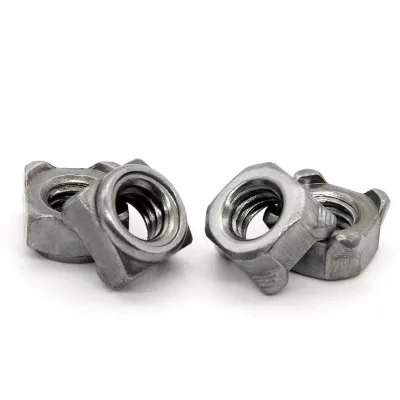
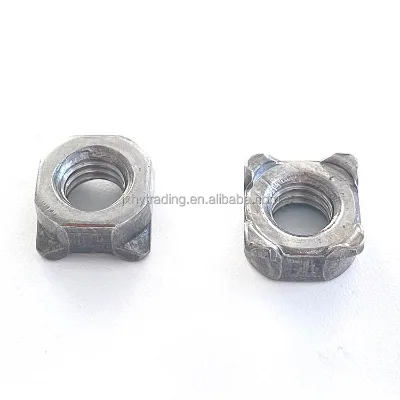
Custom Plated Square Threaded Welding Nut Steel Fixing Auto Spot Weld Nuts
$0.01 - $0.012
MOQ: 10000 Pieces


Jinjiang Tagong Hardware Forging Manufacturer Co. Ltd.
- Verified by BV
- Manufacturer/Factory
- China Fujian
- Lead time90 days
- Avg. response≤ 4h
Main productsFastener, Nuts, Wheel Hub Bolt, Hexagon Nuts, Slotted Nuts, Wheel Nuts, Flange Nuts, Railway Nuts, Truck Nuts, Nylon Insert Nuts
Main marketsSouth America,Eastern Europe,Mid East,North America,Southeast Asia,Eastern Asia,Oceania,Western Europe,Africa
Dongguan Jinpeng Hardware Technology Co., Ltd.
- Verified by TüVRheinland
- Trading Company
- Lead time20 days
- Avg. response≤ 4h
Main productsSocket Cap Screw, Hex Bolt, Torx Screw, Weld Nut, Grub Screw
Main marketsSoutheast Asia(20%), South Asia(15%), North America(10%)

Jiaxing Goshen Hardware Co., Ltd.
- Trading Company,Manufacturer/Factory
- China Zhejiang
- Lead time23 days
- Avg. response≤ 4h
Main productsFasteners, Bolts, Nuts, Screws, Stainless Steel Screw, Threaded Rod, Stainless Steel Bolt, Customized Bolt, Washer, Carriage Bolt
Main marketsSouth America,Eastern Europe,Mid East,North America,Southeast Asia,Eastern Asia,Oceania,Western Europe,Africa

Zhejiang Ruizhao Technology Co., Ltd.
- Verified by TUVRHEINLAND
- Combined
- China Zhejiang
- Lead time30 days
- Avg. response≤ 10h
Main productsFlange Bolt, Socket Screw, Press Screw, Step Screw, Wheel Nut, Wheel Bolt, Flange Nut, Circlip, Clip Nut, Automotive Fasteners
Main marketsSoutheast Asia/ Mideast,Europe

- Verified by BV
- Manufacturer/Factory
- China Zhejiang
- Lead time45 days
- Avg. response≤ 7h
Main productsHex Bolts, Timber Bolts, Hex Washer Head Bolts, Hex Nuts, Lock Nuts, Flat Washer, Hex Wood Screw, Screw Eye, Threaded Rods, Carriage Bolts
Main marketsSouth America,Eastern Europe,Mid East,North America,Southeast Asia,Eastern Asia,Oceania,Western Europe,Africa

Taizhou Hongchuang Hardware Co., Ltd.
- Verified by TUVRHEINLAND
- Manufacturer/Factory
- China Jiangsu
- Lead time60 days
- Avg. response≤ 8h
Main productsHex Bolt, Carriage Bolt, Flange Bolt, Hex Nut, Flange Nut, Hex Cap Screw, Carbon Steel Bolt, Bolt and Nut, U-Bolt
Main marketsSouth America,North America,Oceania
Chengdu Jingbang Technology Co., Ltd.
- Verified by SGS Group
- Trading Company
- Lead time15 days
- Avg. response≤ 3h
Main productsAnti-Theft Nut, Shaft Collar, Fastener, CNC Machining Custom Parts
Main marketsNorth America(36%), Eastern Europe(25%), Northern Europe(10%)

Shenzhen Conghui Precision Hardware Co., Ltd.
- Verified by TUVRHEINLAND
- Trading Company,Manufacturer/Factory
- China Guangdong
- Lead time75 days
- Avg. response≤ 3h
Main productsFasteners, CNC Parts, Hex Bolts, Squre Nuts, Stamping Parts, Wrench, Furniture Insert Nut, Flat Washers, Self Tapping Screws, Security Screws
Main marketsSouth America,Eastern Europe,Mid East,North America,Southeast Asia,Oceania,Africa


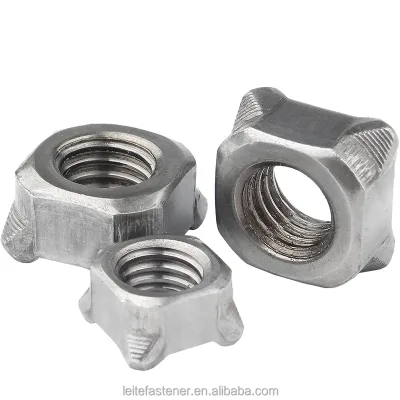
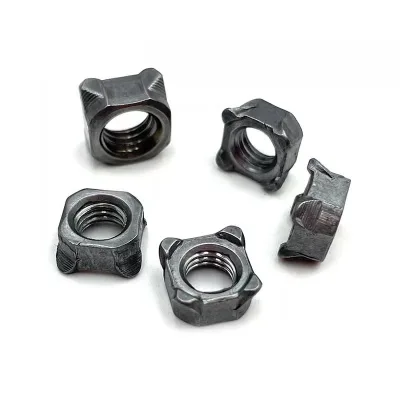
Carbon Steel/Stainless Square Welding Nut /Weld Nuts of Custom Fasteners
$0.01 - $0.02
MOQ: 100 Pieces


Ruian Yiteng Hardware Products Co., Ltd.
- Manufacturer/Factory
- China Zhejiang
- Lead time45 days
- Avg. response≤ 11h
Main productsScrew, Bolt, Nut, Stainless Steel 304 Grab Bar, Car Accessories, Auto Parts, Stainless Steel Screw, ABS Grab Bar, Hardware Parts, Stainless Steel Parts
Main marketsSouth America,Eastern Europe,North America,Southeast Asia,Eastern Asia,Oceania,Western Europe,Africa

Weld Nut Carbon Steel Welding Nuts for Automotive Machinery Construction Fasteners
$0.085 - $0.09
MOQ: 50000 Pieces


High Welded Nut Plated Carbon Steel Insert Weld Nut Lowes Weld Cage Nuts
$0.085 - $0.09
MOQ: 50000 Pieces


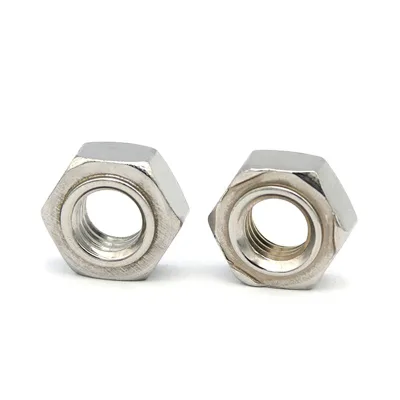
Factory Direct Selling High-Quality M5 Carbon Steel Zinc Plating Hex Welded Nut for Industrial
$0.085 - $0.09
MOQ: 50000 Pieces

Jiangsu Jinrui Metal Products Co., Ltd.
- Verified by TüVRheinland
- Manufacturer, Trading Company
- Lead time25 days
- Avg. response≤ 2h
Main productsBolt, Nut, Stud Bolt, Threaded Rod, Screw
Main marketsDomestic Market(54%), North America(16%), Western Europe(10%)

Shenzhen Sandum Precision Parts Co., Ltd.
- Manufacturer/Factory
- China Guangdong
- Lead time23 days
- Avg. response≤ 2h
Main productsThread Inserts, CNC Machining, Power Elements, Pogo Pin, Presss Fit Connectors, Self Clinching Standoff Nut
Main marketsSouth America,Eastern Europe,North America
Jiaxing Haina Fastener Co., Limited
- Verified by Intertek
- Trading Company
- Lead time15 days
- Avg. response≤ 2h
Main productsFastener, Solar Accessories
Main marketsMid East(15%), Eastern Europe(10%), Western Europe(10%)
Shenzhen Jintu Precision Hardware Products Co., Ltd.
- Manufacturer, Trading Company
- Guangdong, China
- Lead time30 days
- Avg. response≤ 2h
Main productshose clamps,nuts,bolts,screws,thread rods
Main marketsNorth America(65.00%), Oceania(15.00%), Eastern Europe(15.00%), Northern Europe(5.00%)

- Verified by TUVRHEINLAND
- Trading Company
- China Jiangsu
- Lead time15 days
- Avg. response≤ 1h
Main productsHex Bolts Screws Nuts Washers Thread Rods, Non-Standard Metal Parts
Main marketsSouth America,North America
Handan Wangsheng Fastener Co., Ltd.
- Verified by TüVRheinland
- Manufacturer, Trading Company
- Lead time15 days
- Avg. response≤ 5h
Main productsBolt, Nut, Washer, Anchor Bolt, Stud Bolt
Main marketsDomestic Market(20%), South Asia(15%), Africa(10%)
Jiaxing Goshen Hardware Co., Ltd.
- Verified by TüVRheinland
- Trading Company
- Lead time20 days
- Avg. response≤ 3h
Main productsBolt, Nut, Screw, Stamping Part, CNC Machine Part
Main marketsMid East(30%), South America(18%), Southeast Asia(18%)
Shenzhen Langgu Precision Hardware Co., Ltd.
- Manufacturer
- Guangdong, China
- Lead time7 days
- Avg. response≤ 5h
Main productsSELF-CLINCHING NUTS,SELF-CLINCHING STUDS,SELF-CLINCHING STANDOFFS,ACCESS HARDWARE,SELF-CLINCHING
Main marketsDomestic Market(60.00%), Southeast Asia(30.00%), South Asia(10.00%)
Handan Deteng Fastener Co., Ltd.
- Verified by TüVRheinland
- Manufacturer, Trading Company
- Lead time20 days
- Avg. response≤ 1h
Main productsNut, Bolt, Inner Wall Gecko, Flat Washer, Tooth Bar
Main marketsDomestic Market(50%), Africa(16%), Mid East(13%)

Shanghai G&T Industry Co., Ltd.
- Verified by TUVRHEINLAND
- Trading Company
- China Shanghai
- Lead time15 days
- Avg. response≤ 3h
Main productsBolt, Nut, Threaded Rod &Stud Bolts, A193 B7/B7m/B16/L7/L7m, A193 B8/B8m, Customized Fastener, A453 Gr660
Main marketsSouth America,Africa,Southeast Asia/ Mideast,Europe,Australia,North America


High Strength DIN 929 DIN928 Hex Square Nut Weld Nut Welding Nut After Sorting
$0.01 - $0.05
MOQ: 1000 Pieces

Jiaxing Sunrise Import & Export Co., Ltd.
- Verified by SGS
- Trading Company
- China Zhejiang
- Lead time30 days
- Avg. response≤ 5h
Main productsScrew, Washer, Stamping Part, Auto Part, Nail, Sheet Metal, Spare Parts, Drywall Screw, Fastener, Self Drilling Screw
Main marketsSouth America,Southeast Asia/ Mideast,Europe

A2 Stainless Steel DIN 977 Welding Nuts with Hex Flange Zinc Plated Finish
$0.10 - $0.20
MOQ: 1000 Pieces

China Manufacturer's Weld Nut Zinc Plating Black DIN 934 Carbon Steel Welding Nut
$0.10 - $0.20
MOQ: 1000 Pieces


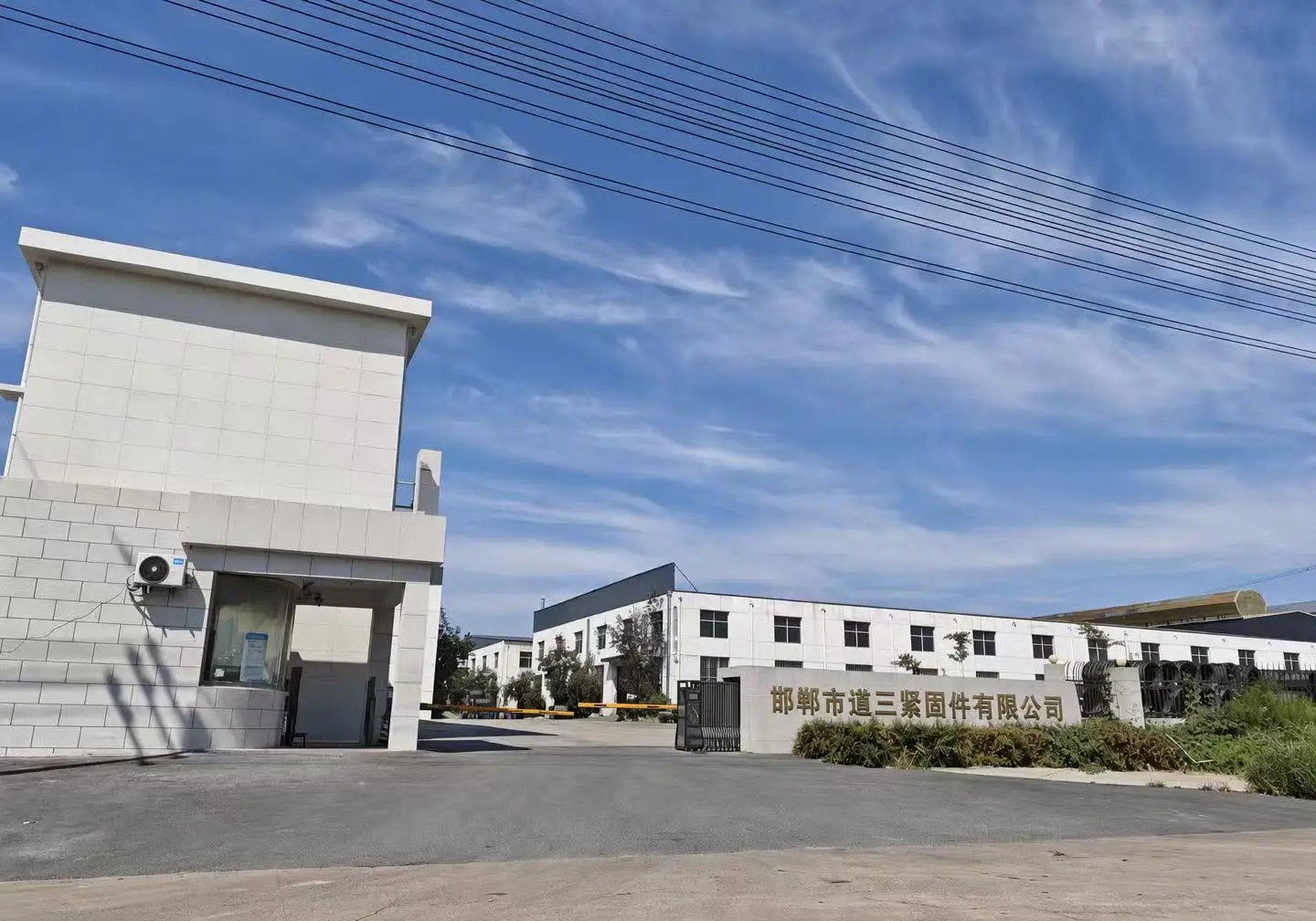
Handan Daosan Trading Co., Ltd.
- Trading Company
- Hebei, China
- Lead time20 days
- Avg. response≤ 3h
Main productsBolt, Nut, Screw, Stud Bolt, Anchors
Main marketsMid East(20.00%), North America(15.00%), South America(15.00%), Africa(15.00%), Southeast Asia(15.00%), Western Europe(10.00%), Eastern Europe(10.00%)

Jiaxing Yunxi Technology Co., Ltd.
- Verified by SGS
- Trading Company,Manufacturer/Factory
- China Zhejiang
- Lead time0 days
- Avg. response≤ 1h
Main productsStandard Bolts and Nuts, No-Standard Bolts and Nuts, Grease Nipple, Custom Fastener

- Verified by SGS
- Trading Company
- China Guangdong
- Lead time15 days
- Avg. response≤ 2h
Main productsCNC Machined Part, Bolts, Screws, Machined Part(Electronic Component), Stamped Part, Springs, Rivets, Auto Spare Parts, Fasteners
Main marketsNorth America
Wenzhou Tianqi Fastener Co., Ltd.
- Verified by TüVRheinland
- Manufacturer, Trading Company
- Lead time0 days
- Avg. response≤ 3h
Main productsScrews, Nut, Bolts
Main marketsDomestic Market(80%), North America(4%), South America(4%)
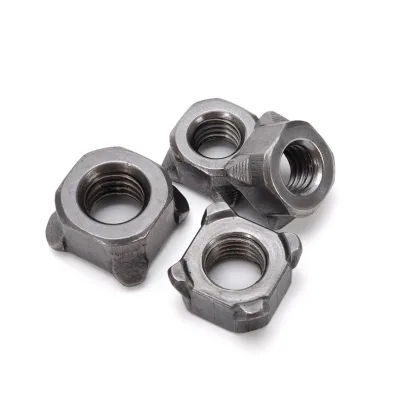
High Strength After Sorting DIN 929 DIN 928 Hex Square Nut Weld Nut Welding Nut
$0.01 - $0.02
MOQ: 1000

Shanghai Kinsom Precision Hardware Co., Ltd.
- Verified by TUVRHEINLAND
- Combined
- China Shanghai
- Lead time30 days
- Avg. response≤ 25h
Main productsCustom Fasteners, Bolts, Stainless Steel Bolt, Tubular Rivets, Weld Bolt, Semi Tubular Rivet, CNC Precision Machining Parts, Stainless Steel Screws, Hex Bolt, Screw
Main marketsNorth America
ZHENG AN INDUSTRY (HONG KONG) CO., LIMITED
- Verified by SGS Group
- Manufacturer, Trading Company
- Lead time20 days
- Avg. response≤ 4h
Main productsScrew, Nut, Washer, CNC Machining, Stamping Parts
Main marketsNorth America(35%), Domestic Market(12%), South America(10%)

Hebei Yunchang Fastener Manufacturing Co., Ltd.
- Verified by SGS
- Manufacturer
- China Hebei
- Lead time15 days
- Avg. response≤ 11h
Main productsFastener, Hex Bolt, Foundation Bolt, Embedded Bolts, Hex Nut, Flange Nut, Allen Socket Bolt, High-Strength Bolt, Washer, Threaded Rods
Main marketsDomestic


Carbon Steel Square Welding Nut Square Welding Screw Square Welding Nut
$0.025 - $0.04
MOQ: 1000 Pieces
Jiangmen Huaduo Hardware Co., Ltd.
- Verified by TüVRheinland
- Manufacturer, Trading Company
- Lead time30 days
- Avg. response≤ 5h
Main productsScrew, Nut, Fastener, Connector, Bolt
Main marketsSoutheast Asia(30%), Domestic Market(30%), North America(10%)
- Manufacturer, Trading Company
- Lead time旺季: "1 - 10000":8,"> 10000":"To be negotiated", 淡季: "1 - 10000":8,"> 10000":"To be negotiated"
- Avg. response≤ 2h
Main productsCNC Parts, Screws, Nuts, Rivets, Pins

Zhejiang ChengJun Industrial Co., Ltd.
- Verified by TUVRHEINLAND
- Manufacturer/Factory
- China Zhejiang
- Lead time38 days
- Avg. response≤ 6h
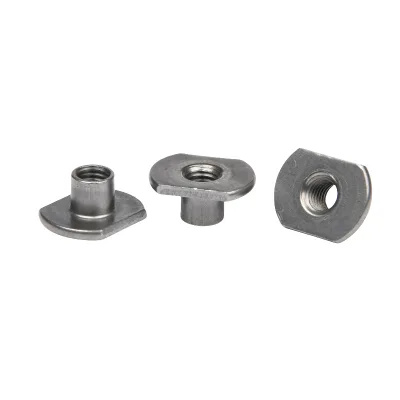
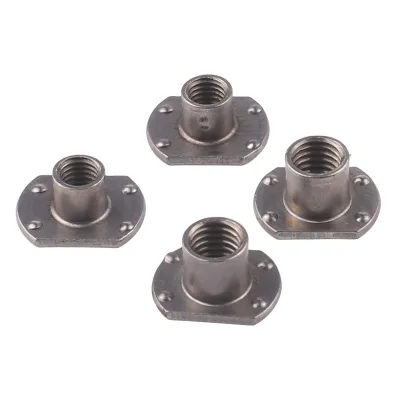
Main productsFour Claw Nuts, Rivet Nuts, T Nuts, Tee Nut, Four Prong T Nut, Furniture Nut, T-Nut, D Nut, Insert Nut, Stainless Steel Tee Nuts
Main marketsSouth America,Southeast Asia,Eastern Asia,Africa
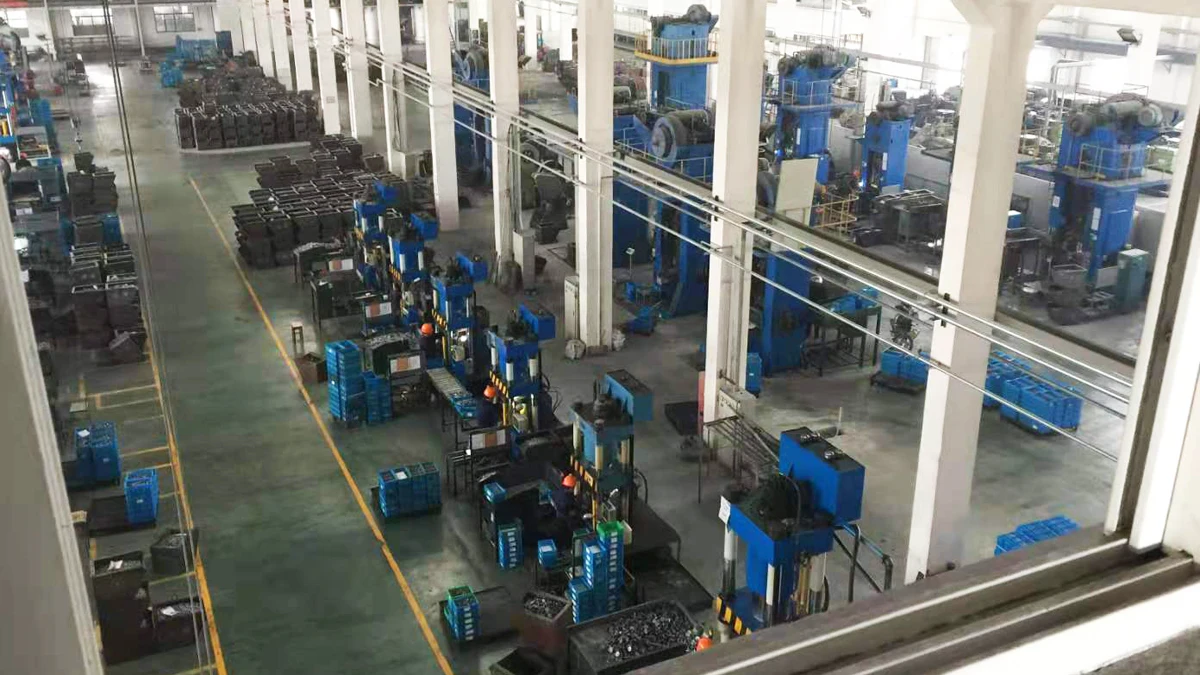
Jiaxing Haiyuan Trading Co., Ltd.
- Manufacturer, Trading Company
- Zhejiang, China
- Lead time45 days
- Avg. response≤ 5h
Main productsAuto Parts
Main marketsMid East(60.00%), South Asia(10.00%), South America(10.00%), Southeast Asia(5.00%), Western Europe(5.00%), North America(5.00%), Africa(5.00%)
Jiangsu Gaoyuanbang Hardware Co., Ltd.
- Trading Company
- Jiangsu, China
- Lead time0 days
- Avg. response≤ 2h
Main productsbolt,nut,screw
Main marketsDomestic Market(95.00%), North America(2.00%), Western Europe(1.00%), Southern Europe(1.00%), Northern Europe(1.00%)
Puyang Dongshenghong Building Materials Trading Co., Ltd.
- Trading Company
- Henan, China
- Lead time0 days
- Avg. response≤ 1h
Main productsfastener,drill,Cordless lithium electric tool,hand-operated tool,hand-operated tool
Main marketsDomestic Market(25.00%), Eastern Europe(18.00%), Southeast Asia(12.00%), North America(10.00%), Central America(8.00%), Eastern Asia(6.00%), Africa(5.00%), Northern Europe(3.00%), Mid East(3.00%), South America(3.00%), Oceania(3.00%), Western Europe(2.00%), South Asia(2.00%)
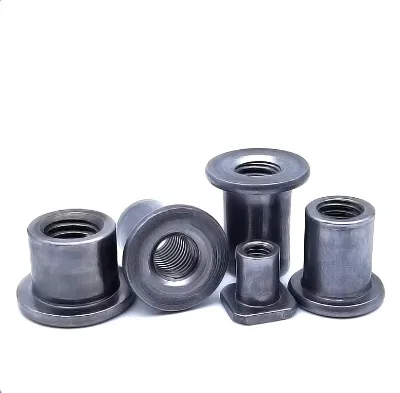
$0.0103 - $0.0513
MOQ: 500 pieces
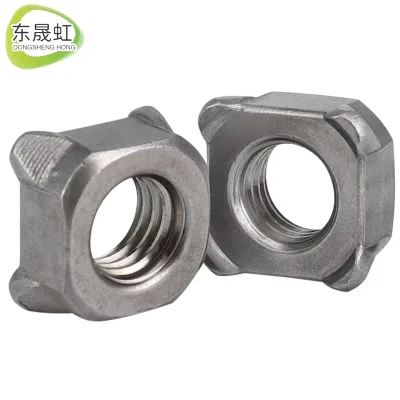
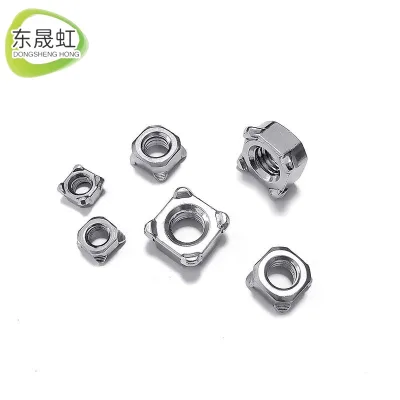




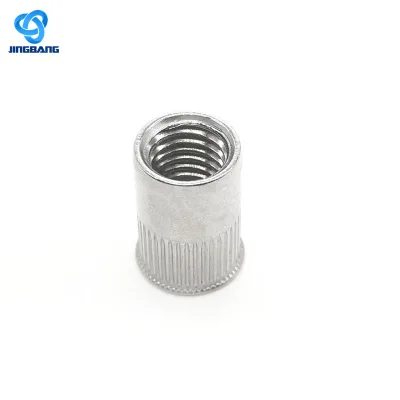
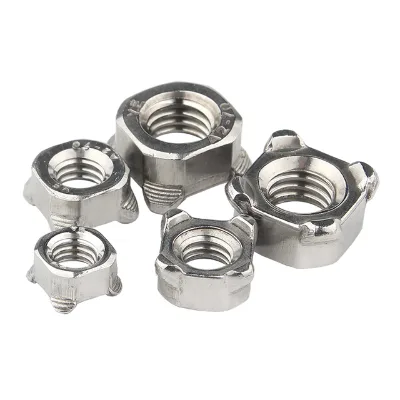
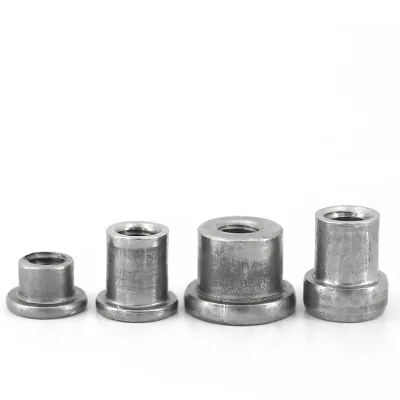
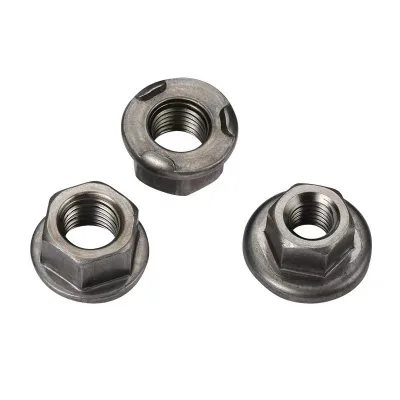
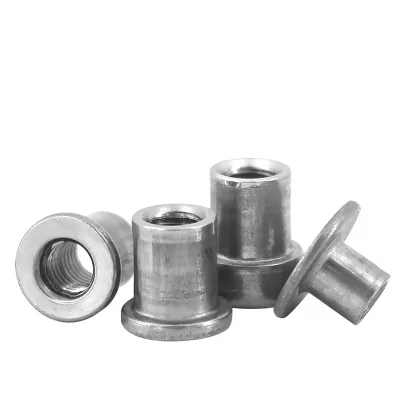


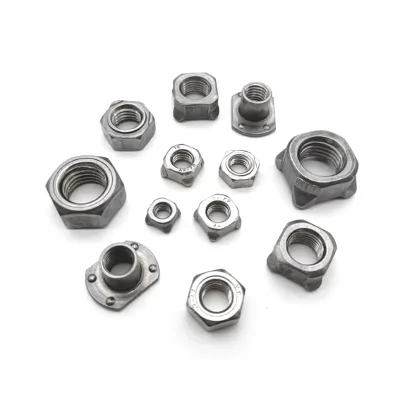
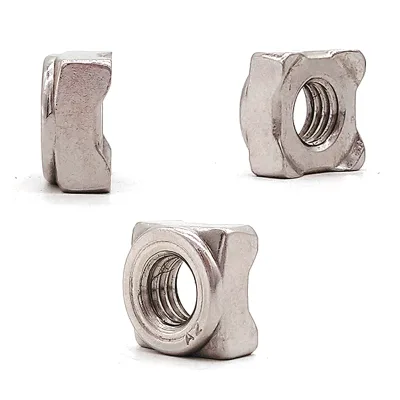
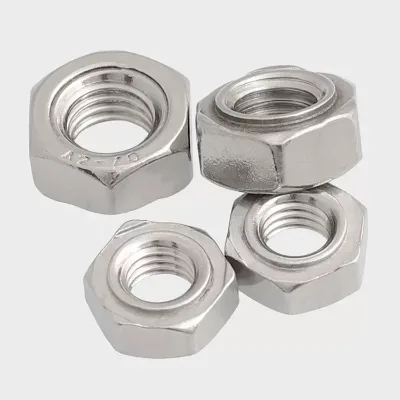
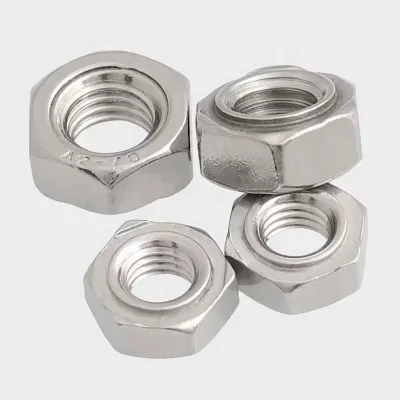


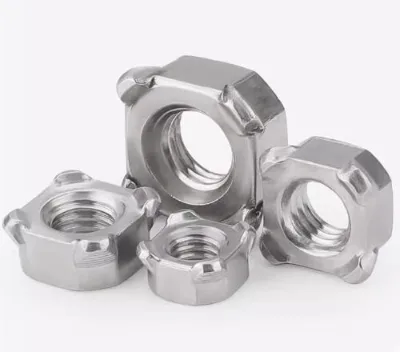
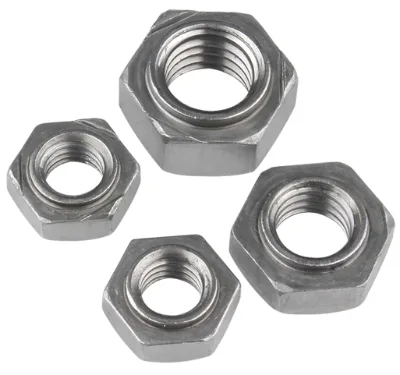
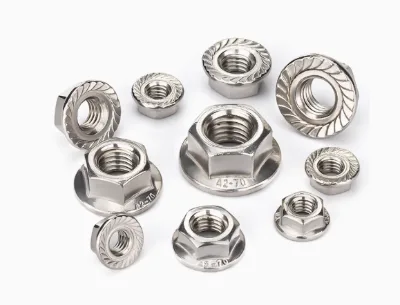
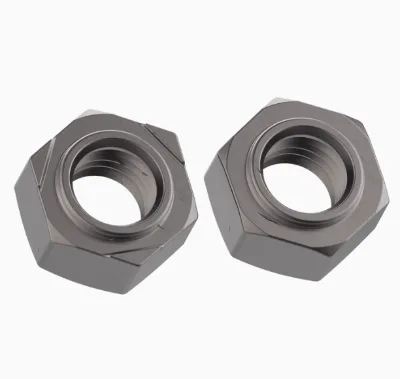
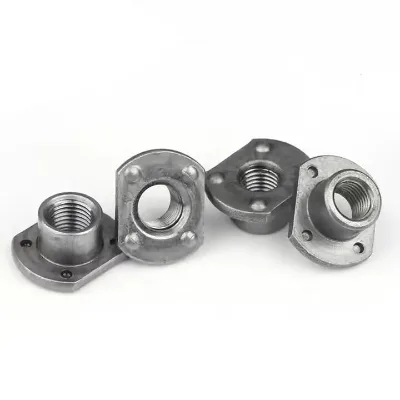
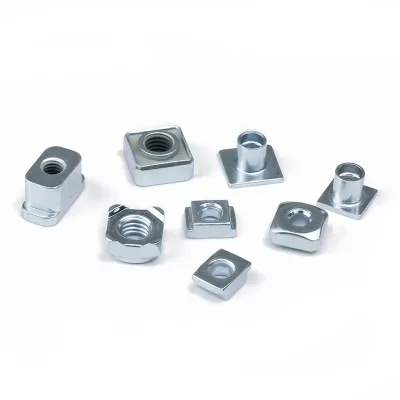
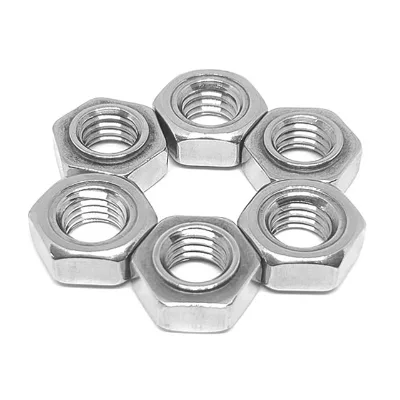
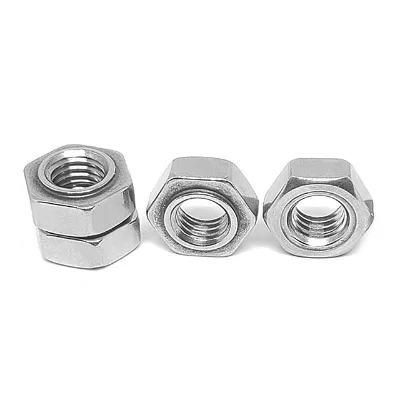
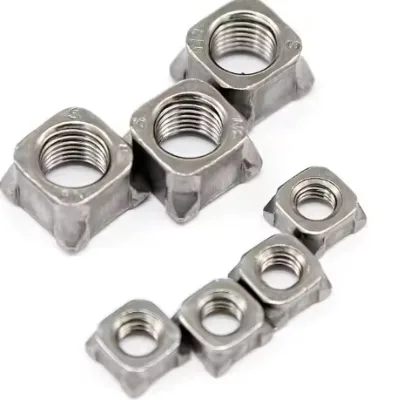
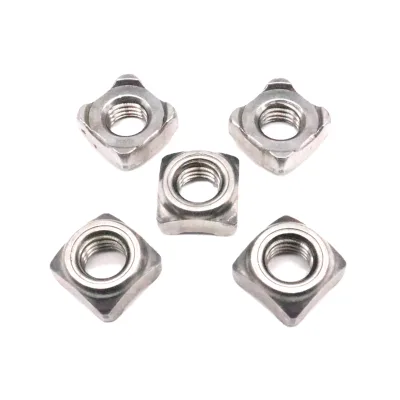
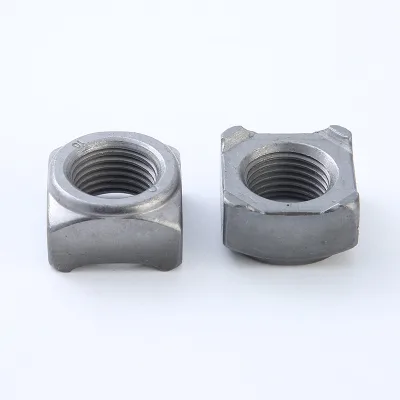


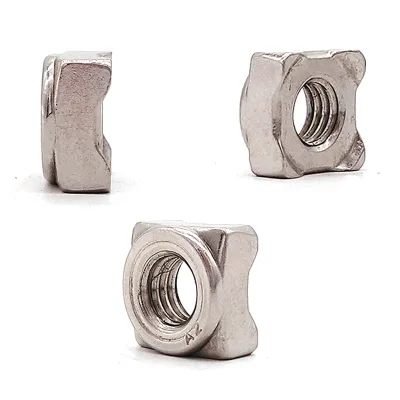
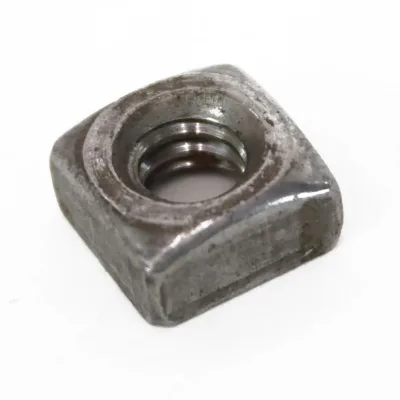
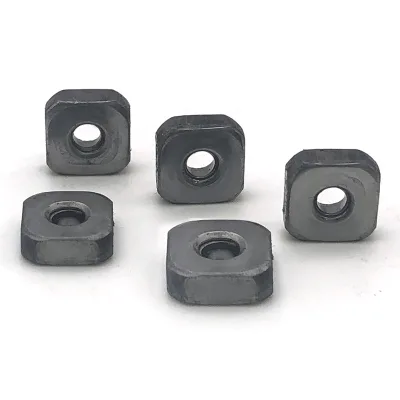


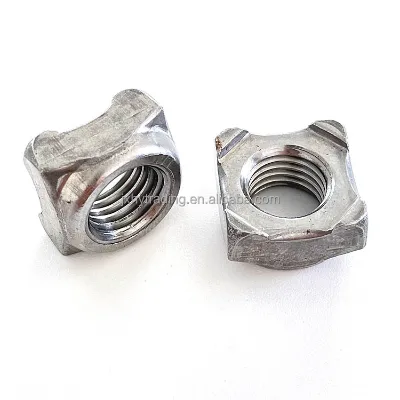
Comprehensive Sourcing Guide
Industrial Zinc Plated Weld Nuts Supplier Concentration and Factory Types
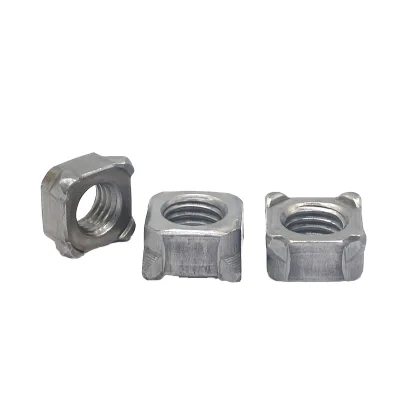
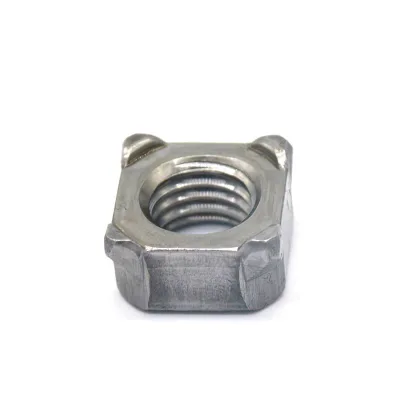
When sourcing Industrial Zinc Plated Weld Nuts, the first structural question is whether a listing represents a factory or a trading company, because this category contains both. In the current results, one supplier is labeled a trading company while another is identified as a manufacturer/factory, and the difference shapes everything from pricing to engineering responsiveness. Manufacturers tend to control the cold-forming or machining process, can discuss projection geometry and weld performance directly, and are usually better partners for custom weld nut designs. Trading companies aggregate fasteners from multiple factories, which can simplify mixed-product orders but adds a layer between you and the shop floor.
Geographically, the results point to two provinces: one supplier is located in China Guangdong and another in China Fujian. Guangdong is a broad industrial region, while Fujian appears in this category alongside products such as wheel hub bolts, flange nuts and railway nuts, suggesting a fastener-manufacturing base. Where a location is not displayed, buyers should identify clusters themselves by checking the registered address, asking which city the production facility sits in, and confirming whether the welding-nut line is in-house or subcontracted. Also weigh product breadth shown in main-product lists: some suppliers lead with weld nuts and socket screws, while others anchor the category around nuts generally, which signals how central weld nuts are to their business rather than an occasional catalog item.
How to Verify Industrial Zinc Plated Weld Nuts Suppliers
Verification starts with third-party assessment labels. In the current results, one supplier is verified by SGS, one by BV, and one by TüV Rheinland. These are independent inspection bodies, and a verified badge generally means a site or document audit has occurred, but the scope varies. Ask what the audit actually covered: business license, production capability, or specific quality systems. Separately, system certifications matter; one manufacturer in the results lists ISO 9001, and one product listing cites ISO9001:2015 with another referencing IATF16949 2016 plus RoHS and Reach. IATF16949 is automotive-sector specific and highly relevant if your weld nuts feed vehicle assemblies, so confirm the certificate number and expiry directly rather than relying on a listing attribute.
Beyond badges, verification should confirm the zinc plating process itself. Listings in this category show surface treatments such as zinc plated, yellow zinc, black oxide, galvanized, passivated, and coatings including nickel and AG plating, so request the plating specification, coating thickness, and salt-spray expectations in writing. If a supplier claims customization, as several listings here state, ask for evidence: a drawing-based quotation, a sample report, or reference parts. Practical checks include requesting the actual factory name and address, confirming whether the weld nut production line is owned, and testing responsiveness before commitment. Response-time figures appear in the results, so record how quickly a supplier replies during your own inquiry and compare it against any displayed figure as a consistency check.
What to Compare Across Industrial Zinc Plated Weld Nuts Suppliers
Build a comparison sheet from the attributes actually displayed, because they are not uniform. Lead time is a clear differentiator in this category: results show figures ranging from 15 days to 20 days, and one manufacturer lists 90 days. Do not assume a fast number applies to your quantity or finish; a 15-day quote may cover stock items while plated-to-order production takes longer. Product listings themselves show delivery windows of 20 to 40 days, which can differ from the supplier-level figure, so reconcile both before ordering. Response time is another measurable dimension, with displayed values around 3.5 to 4 hours, but treat these as indicators and verify with your own inquiry.
Minimum order quantities vary dramatically and reveal supplier economics. The results include MOQs of 1, 500, 1,000, and 10,000 pieces, with the 10,000-piece figure attached to a smaller-size spot weld nut priced near a cent, while a quad weld nut listing shows a dollar-range price at 1,000 pieces. Price, size range (listings show M4–M16 and M6–M10 for different weld nut products), and MOQ must be read together. Also compare main-product focus: a supplier whose core line is weld nuts, socket cap screws, and hex bolts is structurally different from one centered on wheel hub bolts and flange nuts. Weigh verification body, certification claims, customization availability, and location as tiebreakers after the commercial basics.
Common Industrial Zinc Plated Weld Nuts Sourcing Risks
The most frequent risk in this category is plating inconsistency. Zinc plating thickness directly affects weld quality, since excessive coating can cause spatter and weak projections, yet several listings here advertise multiple finishes—zinc, yellow zinc, black, nickel, AG plating—often from the same supplier. A batch plated by a subcontractor may not match an approved sample. Mitigate this by locking the plating spec, thickness, and a retained sample into the purchase order, and by asking whether plating is done in-house or outsourced.
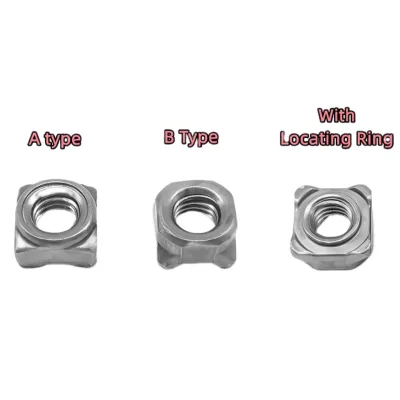
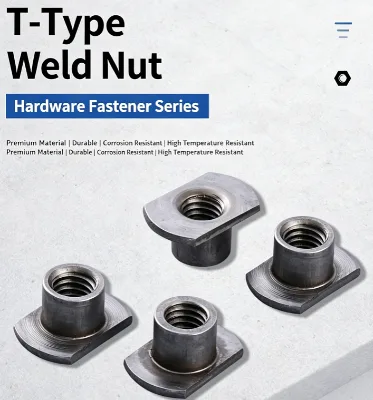
A second risk is specification drift between similar listings. The results show products sold under overlapping names—quad weld nuts, four-corner spot welding nuts, DIN928 projection weld nuts, T weld nuts—with different head styles, grades (class 4, 6, and 8 appear), and materials (carbon steel, alloy steel, stainless steel, and specific grades like Steel 45). A buyer ordering "square weld nut M8" may receive a part conforming to a different standard than expected unless the drawing, standard reference, and grade are explicitly confirmed. Third risk: assuming every listed attribute is verified. Certificates shown in listings may be product-level claims; ask for the underlying documents. Finally, watch lead-time risk—one supplier here displays a 90-day figure, which may reflect production or high-season capacity, so build buffer time into any deadline-driven project rather than accepting the shortest quoted number.
Industrial Zinc Plated Weld Nuts Regional Sourcing and Logistics
Within China, the evidence points to Guangdong and Fujian as relevant sourcing regions for this category. Guangdong is one of the country's major manufacturing provinces with dense supplier networks, while Fujian's presence here comes with a manufacturer/factory label, ISO 9001 system certification, and a product line spanning wheel hub bolts, flange nuts, and nylon insert nuts, indicating an established fastener-production base. Proximity to ports matters for heavy fastener shipments; both coastal provinces generally offer sea-freight access, but confirm which port the supplier actually ships from and whether the quoted price includes inland drayage.
Logistics planning should start from packaging facts where available. One listing describes small boxes into outer cartons with bulk packaging as an option, while another specifies pallet-plus-carton packing at 25 kilograms per carton—formats that determine container fill and per-unit freight cost. Weld nuts are dense, small parts, so the packaging format materially affects landed cost. Export readiness is another check: one product listing states a global export market, but you should still confirm whether the supplier handles export documentation directly or works through an agent, especially for a trading company. Where no regional information is displayed, identify clusters by cross-checking the registered province and city, asking for the production site address, and comparing freight quotes from multiple regions before choosing a single-source location.
Industrial Zinc Plated Weld Nuts Commercial Terms and Order Planning
Commercial terms should be structured around the observed spread in MOQ and pricing. Because listings here range from a single-piece MOQ on one heavy-duty weld nut product to 10,000 pieces on a small spot weld nut, decide first whether you are buying a standard catalog item or a custom part; the former often allows small trial orders, while the latter carries tooling and setup economics that push minimums upward. Use trial orders to validate weld performance on your own production line before scaling, and negotiate a price ladder—unit prices at 1,000, 10,000, and 100,000 pieces—so future volume growth is pre-priced.
Order planning should reconcile the conflicting time figures in this category. Supplier-level lead times of 15, 20, and 90 days coexist with a product-level delivery window of 20–40 days, so pin down which figure applies to your specification, finish, and quantity in the purchase contract, including production time versus transit time. Payment protection is a standard part of the conversation: ask whether the platform transaction supports escrow or a similar arrangement, since escrow terms may be displayed for some suppliers and not others. Finally, plan for reorders: confirm plating bath consistency across runs, agree on retained samples, and align reorder lead time with your consumption rate. A supplier with a 90-day quoted lead time may still be the right choice if quality risk is low and your demand forecast is stable.
FAQs
What is the typical lead time for Industrial Zinc Plated Weld Nuts?
Lead times vary by supplier, ranging from 15 to 90 days based on order volume and customization needs. Some manufacturers offer faster delivery within 20 days, while others require up to 40 days for standard orders. Always confirm specific timelines with the vendor before placing an order.
What are the minimum order quantities for these fasteners?
Minimum order quantities typically start at 1,000 pieces for standard industrial grades. Some suppliers may require 5,000 or 10,000 units depending on the specific nut type and plating finish. Bulk pricing often applies when orders exceed these initial thresholds significantly.
Which certifications do these weld nuts usually carry?
Common certifications include ISO 9001:2015 and IATF 16949:2016 for quality management systems. Many products also comply with RoHS and Reach standards for environmental safety. Verify specific certificates with the supplier to ensure they meet your industry compliance requirements.
What materials are used for zinc plated weld nuts?
These nuts are primarily manufactured from carbon steel, alloy steel, or stainless steel grades. Specific material names like Ml08al or Steel 45 are often used for heavy-duty applications. The zinc plating provides corrosion resistance suitable for automotive and general industrial uses.
Where are these fasteners typically manufactured?
Manufacturing locations are primarily in China, specifically in Guangdong and Fujian provinces. These regions host both trading companies and direct manufacturers specializing in fasteners. Buyers should verify the exact factory location to assess logistics and shipping costs accurately.
What surface treatments are available for these nuts?
Available treatments include yellow zinc plating, black oxide, plain finish, and silver or gold plating. Some suppliers offer nickel coating or AG-plated finishes for enhanced durability. The choice depends on the required corrosion resistance and aesthetic specifications for your application.
How quickly do suppliers typically respond to inquiries?
Response times generally range from 3.5 to 4 hours for verified suppliers. Some manufacturers may respond faster depending on their operational capacity and current workload. Prompt communication is essential for clarifying technical details and confirming order specifications before production begins.