Source Apple Watch Repair Fixture for Watchmakers, Repair Shops, and Workshops
Source the Apple Watch Repair Fixture from 20 verified listings. Compare tools like the ZHONGLI ZL212 opener and Heibor stainless steel removers. Evaluate specifications including material, size, and origin to find the right solution for your watch repair shop or workshop needs.
Updated
Key considerations
Products List
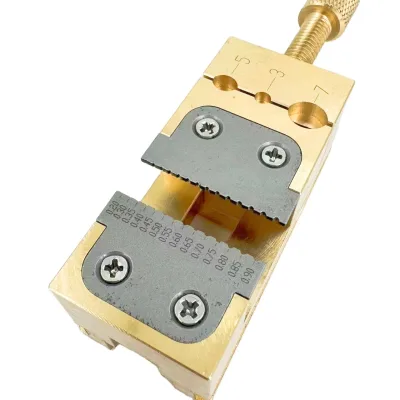
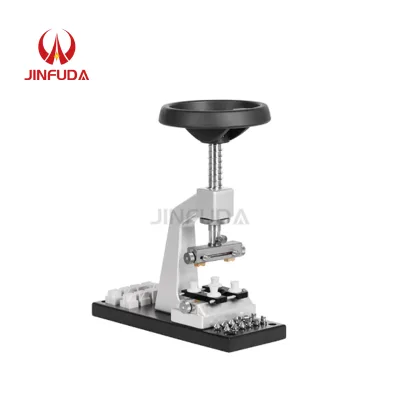
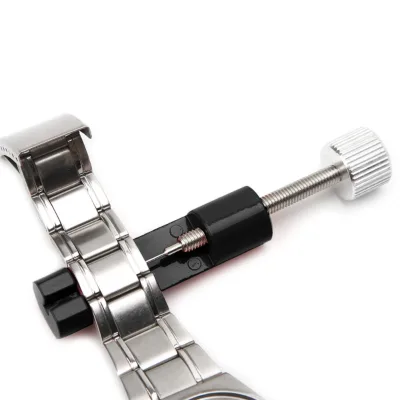
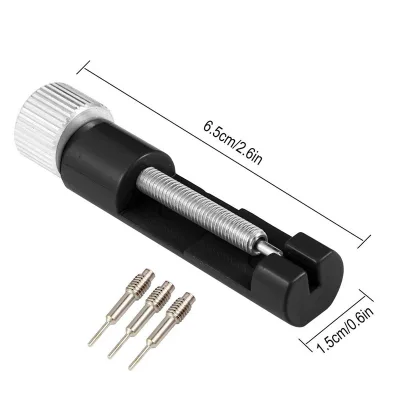
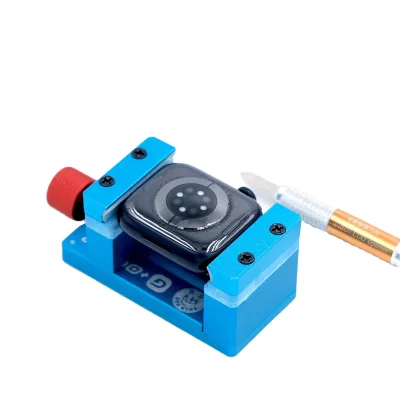
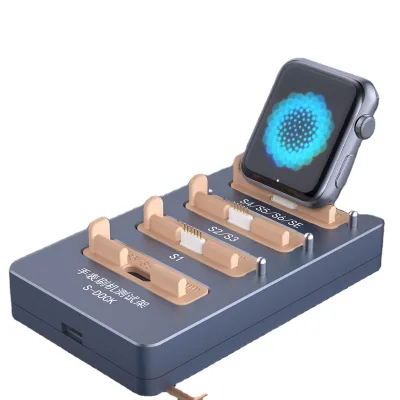
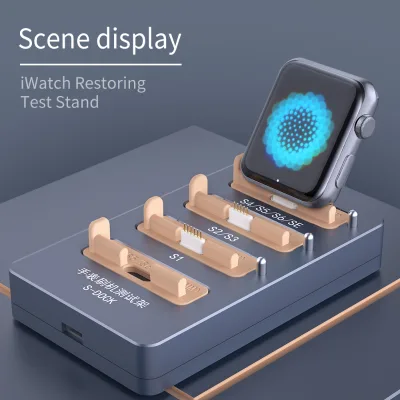
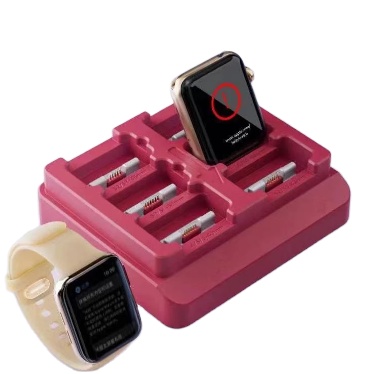
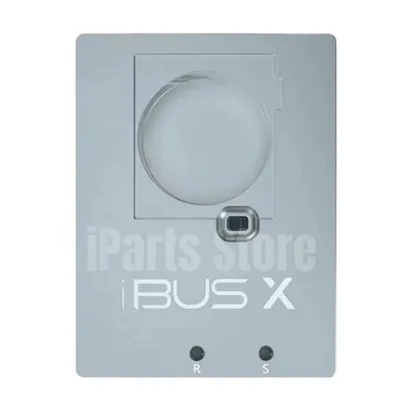
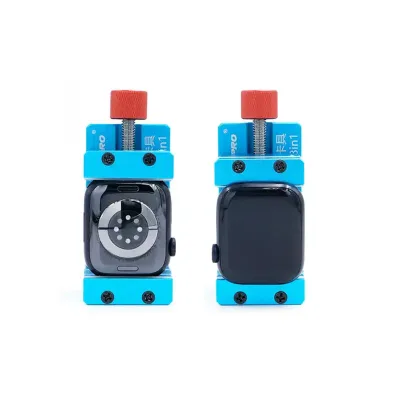
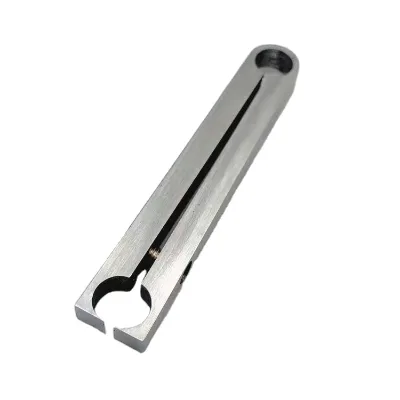
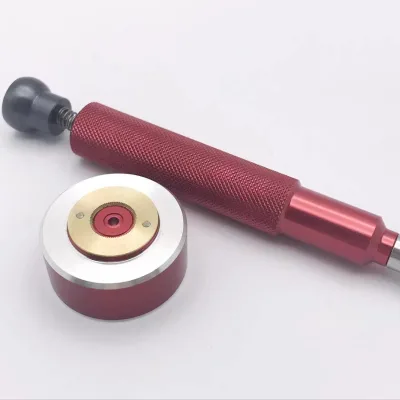
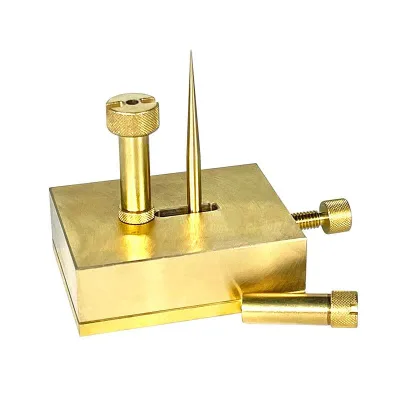
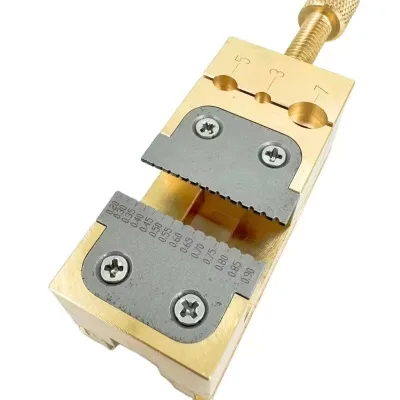
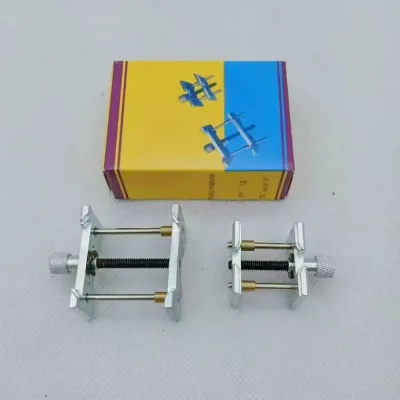
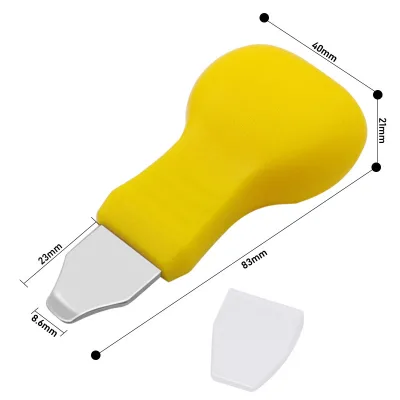
$0.6223 - $1.0367
MOQ: 20 Minimum

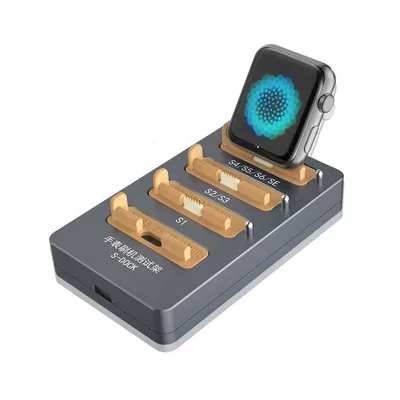
Comprehensive Sourcing Guide
Apple Watch Repair Fixture Sourcing Guide
Sourcing the correct tools for Apple Watch maintenance requires a clear distinction between general watch repair equipment and specialized fixtures designed for the unique constraints of smartwatch casings. The market offers a wide array of hand tools and mechanical devices, ranging from simple case openers to complex multi-functional fixtures. Buyers must carefully evaluate whether their specific repair volume and device mix justify the investment in dedicated Apple Watch fixtures or if general-purpose tools are sufficient. Understanding the physical dimensions and material composition of available tools is the first step in aligning procurement with operational needs.
This guide focuses on the technical and commercial realities of sourcing these tools, drawing from observed market data to provide actionable procurement advice. While many listings advertise broad compatibility, the specific requirements for Apple Watch repair often demand precision fixtures that can handle delicate components without causing damage. Procurement teams should prioritize tools that offer stability and repeatability, ensuring that repair technicians can work efficiently without risking the integrity of the device being serviced. The following sections detail the critical verification steps necessary for successful sourcing.
Product Scope and Observed Listing Signals
The current market for watch repair fixtures includes a diverse range of products, from manual case openers to integrated repair stations. Observed listings indicate a price range of $0.30 to $198.00 USD, reflecting significant variation in complexity and build quality. Minimum order quantities (MOQs) typically span from 1 to 500 units, allowing for both small-scale workshop purchases and large-scale inventory replenishment. Buyers should note that many products are marketed as general watch repair tools, so verifying specific compatibility with Apple Watch models is essential before placing orders.
Material composition and physical dimensions are key differentiators among available fixtures. Common materials include copper alloy and stainless steel, chosen for durability and resistance to corrosion during frequent use. Observed product sizes vary widely, with some compact tools measuring around 10x7x3 cm and larger fixtures extending to 65mm or 70x35mm. These dimensional differences directly impact storage requirements and workspace ergonomics. Procurement teams must assess whether the tool’s footprint aligns with their bench space and whether the material choice supports the expected lifespan of the equipment in a high-traffic repair environment.
Technical Specifications to Verify
When evaluating technical specifications, buyers must scrutinize the model numbers and functional claims associated with each fixture. Products such as the ZL212 and JFD-5700 represent different categories of tools, with the latter potentially including machine and mold components for more automated operations. It is crucial to verify whether a tool is designed for manual operation or requires external power, as this affects workflow integration and safety protocols. The voltage and power requirements, often listed as manual or zero watts for hand tools, must be confirmed to ensure compatibility with existing workshop infrastructure.
Dimensional accuracy and weight are also critical technical factors that influence usability and shipping costs. Single package sizes and gross weights vary, with some items weighing as little as 0.01 kg and others up to 3 kg. These variations impact logistics planning and handling procedures for repair technicians. Additionally, features such as clasp types and band compatibility should be examined to ensure the fixture can securely hold various Apple Watch models. Buyers should request detailed technical drawings or specifications to confirm that the fixture’s internal mechanisms align with the specific dimensions of the watch cases they intend to service.
Compliance and Safety Documentation
Safety and compliance documentation are vital for ensuring that repair tools meet workplace safety standards and regulatory requirements. Buyers should verify the availability of machinery test reports, which provide evidence of the tool’s structural integrity and operational safety. Some listings indicate that these reports are provided, while others state they are not available, which may pose a risk for commercial use. Procurement teams must prioritize suppliers who can supply comprehensive safety documentation to protect their technicians and ensure compliance with local occupational health and safety regulations.
Warranty terms and additional tips also play a significant role in risk management and long-term tool performance. A standard one-year warranty offers a baseline level of protection against manufacturing defects, but buyers should clarify the scope of coverage and the process for claims. Additional tips, such as specific instructions for fixing watch parts, can enhance the usability of the tool and reduce the learning curve for new technicians. Ensuring that suppliers provide clear usage guidelines and support documentation helps minimize the risk of improper use and potential damage to both the tool and the devices being repaired.
Cost Drivers and Commercial Terms
Cost drivers for watch repair fixtures include material quality, manufacturing complexity, and brand reputation. Products made from stainless steel or specialized alloys often command higher prices due to their durability and precision. The inclusion of additional components, such as molds or automated features, also increases the unit cost. Buyers should analyze the total cost of ownership, considering not just the purchase price but also maintenance, replacement parts, and potential downtime. Understanding these cost drivers helps in making informed decisions that balance initial investment with long-term operational efficiency.
Commercial terms, including MOQs and payment conditions, significantly impact procurement strategy. The observed MOQ range of 1 to 500 units allows for flexibility, but larger orders may offer better unit pricing. Buyers should negotiate terms that align with their inventory management practices and cash flow constraints. Additionally, lead times and shipping costs should be factored into the overall cost analysis. Establishing clear communication with suppliers regarding these terms ensures that procurement processes run smoothly and that tools are available when needed for repair operations.
Supplier Qualification and Quality Control
Supplier qualification is a critical step in ensuring the reliability and consistency of watch repair fixtures. Buyers should assess suppliers based on their production capabilities, quality control processes, and track record in the industry. Suppliers located in regions like Jiangsu and Guangdong, China, are common sources for these tools, but geographic origin alone does not guarantee quality. Procurement teams should request samples and conduct thorough evaluations to verify that the tools meet their specific technical and performance requirements before committing to large orders.
Quality control measures should be integrated into the procurement process to minimize the risk of receiving defective products. Buyers should establish clear acceptance criteria and inspection protocols for incoming shipments. This may include visual inspections, functional tests, and dimensional checks to ensure that each fixture meets the specified standards. Collaborating with suppliers to implement continuous improvement initiatives can also enhance product quality over time. By prioritizing supplier qualification and rigorous quality control, buyers can build a reliable supply chain that supports their repair operations.
Long-Term Procurement Checks
Long-term procurement checks involve monitoring supplier performance and product reliability over time. Buyers should regularly review supplier metrics, such as on-time delivery rates, defect rates, and responsiveness to issues. Maintaining open communication with suppliers allows for timely resolution of any problems that arise. Additionally, staying informed about industry trends and new product developments can help buyers identify opportunities for improving their repair toolkit. Regular audits and feedback loops ensure that the procurement process remains aligned with evolving business needs.
Continuous evaluation of tool performance in the field is essential for identifying any recurring issues or areas for improvement. Buyers should gather feedback from repair technicians to assess the usability and effectiveness of the fixtures. This user-centric approach can highlight design flaws or operational inefficiencies that may not be apparent during initial testing. By incorporating this feedback into future procurement decisions, buyers can optimize their tool selection and enhance the overall efficiency of their repair operations. Long-term vigilance ensures that the procurement strategy remains robust and adaptable to changing market conditions.
FAQs
What is the primary function of a watch back case opener machine?
The primary function is to open and close watch back cases efficiently. This tool serves as a fixing tool for watch parts, allowing watchmakers to access internal components without damage. It is designed for manual operation, requiring no power supply, and is suitable for use in watch repair shops or workshops for precise case removal.
Which materials are commonly used in watch repair fixture tools?
Common materials include copper alloy and stainless steel for durability. Some fixtures use alloy components for specific clasp types. These materials ensure the tools withstand repeated use in watch band and case repair. The choice depends on the specific application, such as fixing watch backs or handling different band colors and buckle types.
Can a manual watch repair tool operate without electricity?
Yes, many watch repair tools operate manually without electricity. These tools feature a voltage of manual operation with no power supply required. They rely on mechanical force to open cases or adjust bands. This makes them portable and safe for use in various workshop environments without needing electrical connections or complex machinery test reports.
What specifications should be considered when selecting a watch fixture?
Key specifications include size, weight, and model number. For example, some tools measure 10x7x3 cm with a weight of 0.18 kg, while others are larger at 65mm. Consider the single package size and gross weight for shipping. Ensure the model number matches your repair needs, such as JFD-5700 for machine-based operations or smaller hand tools for manual tasks.
Where are watch repair tools typically manufactured?
Watch repair tools are typically manufactured in China, specifically in regions like Jiangsu and Guangdong. These locations are known for producing various watch parts and fixing tools. Buyers can find suppliers offering different brand names and specifications. The place of origin often influences the available certifications, lead times, and pricing structures for bulk orders.
What is the typical MOQ for bulk watch repair tool orders?
The typical MOQ ranges from 1 to 500 units depending on the supplier. Small orders may start at just one piece for testing, while larger batches require higher quantities. This range allows buyers to scale their procurement based on workshop needs. Always verify the specific MOQ with the supplier, as it varies by product type and customization requirements.